Gratis Versand ab € 14,99. Mehr Infos.
Bookbot

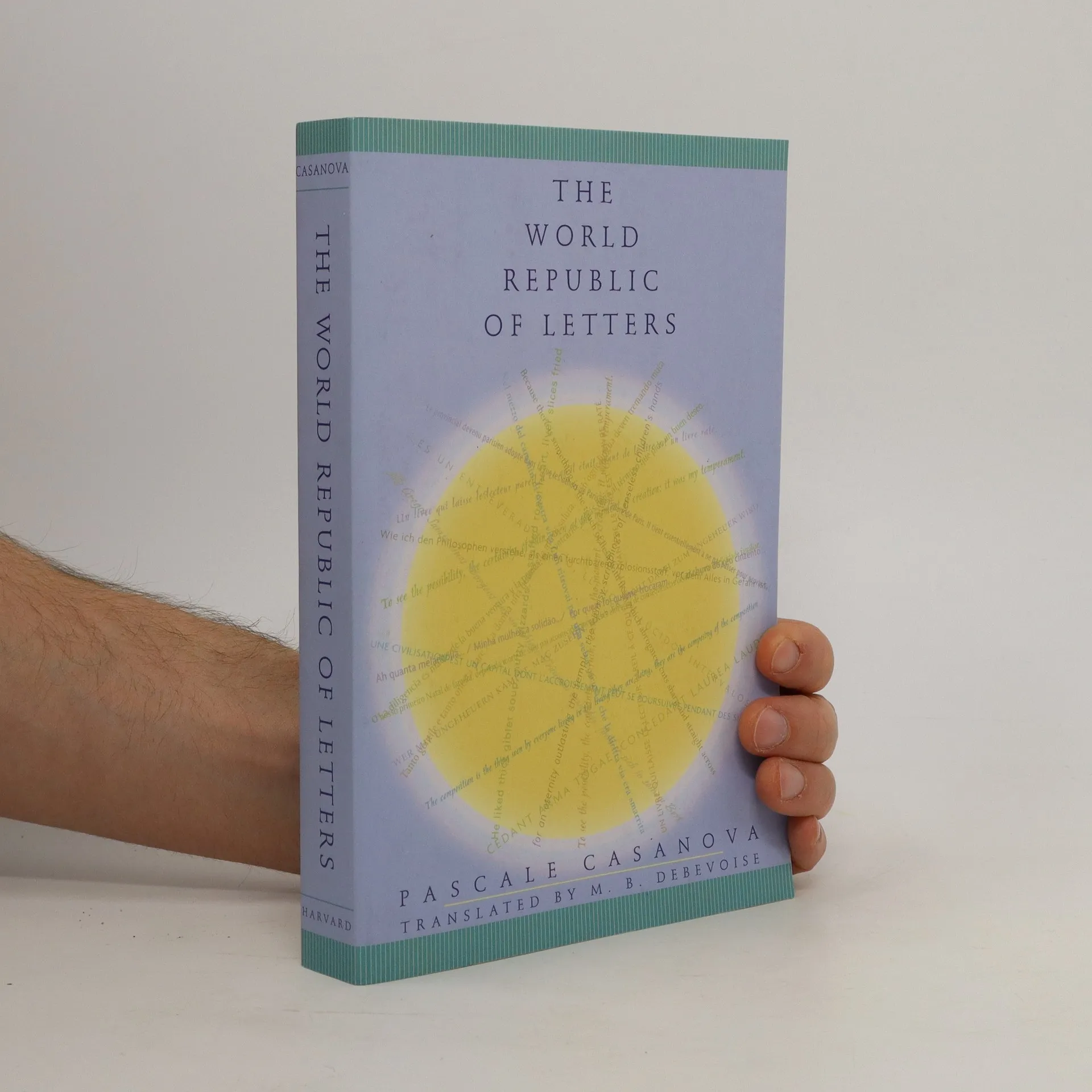
M. B. DeBevoise

    The world republic of letters
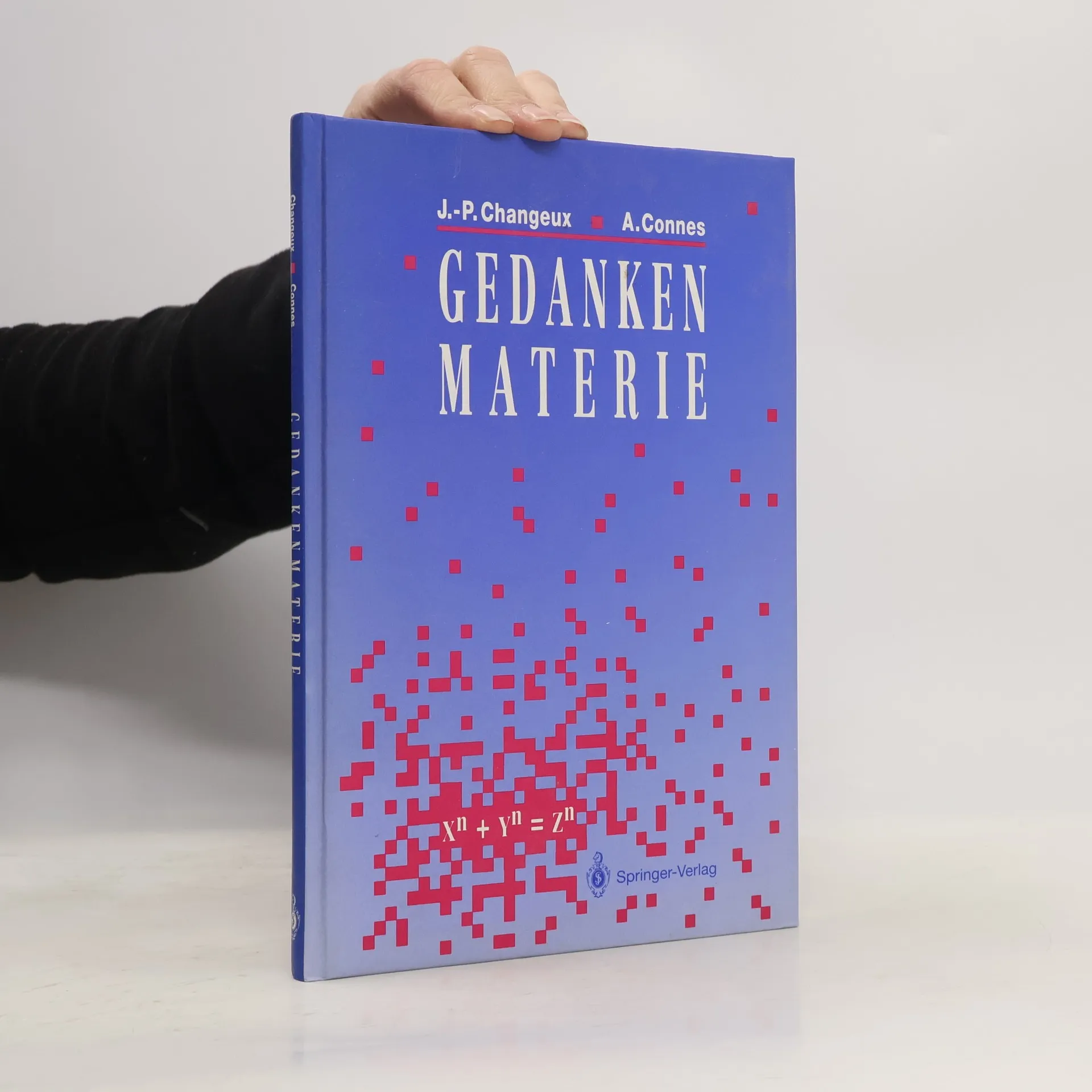
    Gedankenmaterie
    The Columbia History of Twentieth-Century French Thought
    • The world republic of letters

      • 440 Seiten
      • 16 Lesestunden

      In this book, Casanova shows us the state of world literature behind the stylistic refinements--a world of letters relatively independent from economic and political realms, and in which language systems, aesthetic orders, and genres struggle for dominance.

      The world republic of letters2007
      3,6
    • This volume features over two hundred entries by prominent intellectuals from the French- and English-speaking world, serving as an authoritative guide to twentieth-century French thought. Its unparalleled scope and depth encompass critiques of key figures, movements, and publications that shaped diverse fields, including history, psychoanalysis, film, literary theory, and economics. Contributors explore developments in French thought on topics like pacifism, fashion, gastronomy, technology, and urbanism. More than a reference work, it offers original insights into various subjects. Notable contributors include influential French thinkers and scholars from the U.S., U.K., and Canada, who have played crucial roles in the evolution and dissemination of French ideas. The book features pairings such as Etienne Balibar on Althusser, Judith Butler on Hegel, and Julia Kristeva on Proust. It is organized into four parts: Movements and Currents, covering major schools of thought; Themes, focusing on defining ideas of the century; Intellectuals, providing critical accounts of figures like Derrida and Foucault; and Dissemination, addressing influential journals and media. This comprehensive work captures the richness of twentieth-century French intellectual life.

      The Columbia History of Twentieth-Century French Thought2006
      4,4
    • Gedankenmaterie

      • 175 Seiten
      • 7 Lesestunden

      Was ist die Natur mathematischer Objekte? Existieren sie unabh{ngig vom Gehirn des Menschen oder sind sie das Produkt der Gehirnaktivit{t? Kann schlie~lich echte k}nstliche Intelligenz aus unbelebter Materie entstehen? Diese und weitere bis hin zur Ethik auftretende Fragen werden in Dialogform dynamisch von zwei hervorragenden Fachleuten der Mathematik und der Neurowissenschaften in diesem Buch diskutiert. Diese Darstellungsform soll den Leser anregen, selbst zu dem bis auf Plato zur}ckgehenden Problemkreis nachzudenken. Daf}r relevante Erkenntnisse der modernen mathematischen und neurobiologischen Hirnforschung werden kompetent und allgemeinverst{ndlich bereitgestellt.

      Gedankenmaterie1998
      3,6