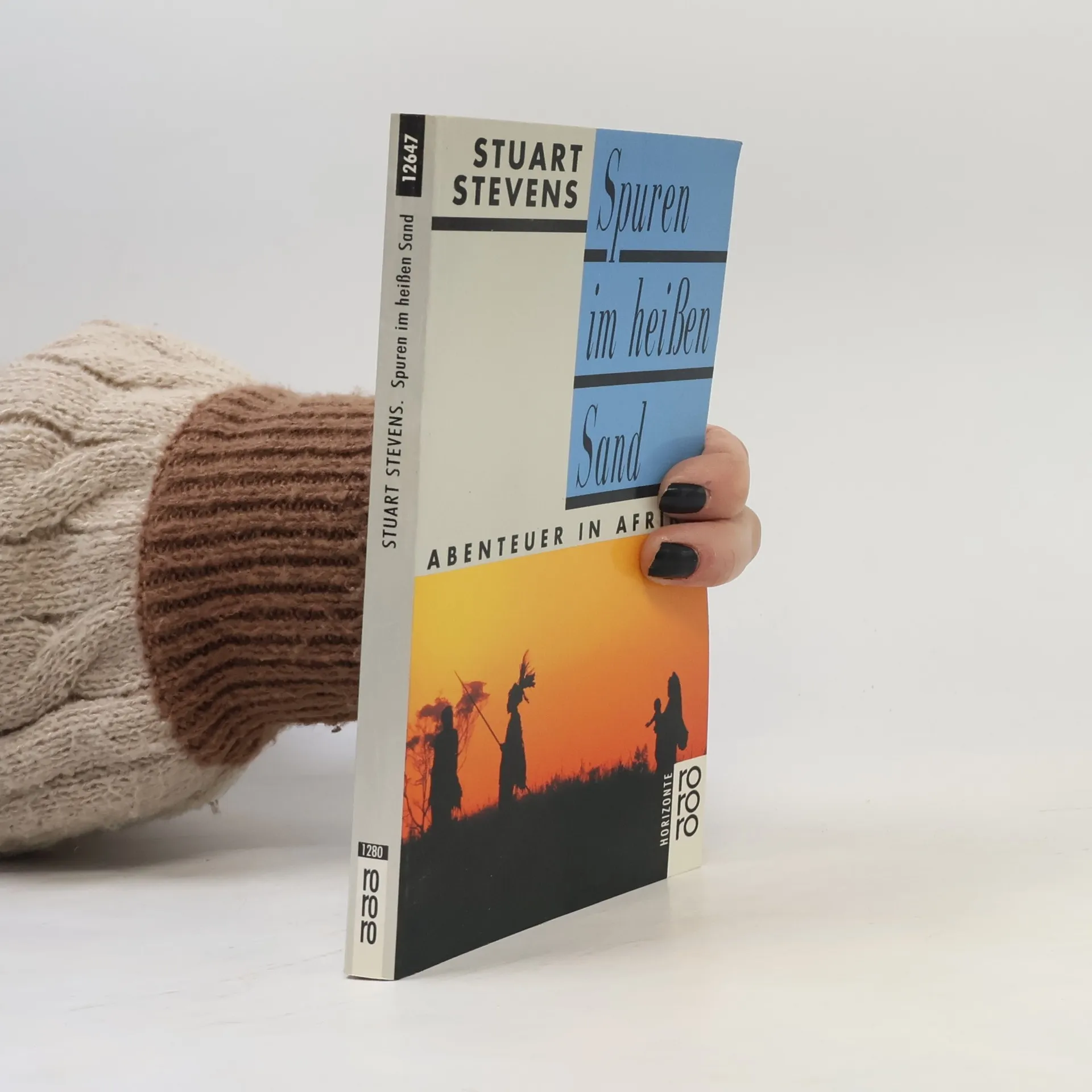
Spuren im Heißen Sand
- 262 Seiten
- 10 Lesestunden


Dieser amerikanische Autor ist bekannt für seine Reiseberichte und politischen Analysen, die oft die Schnittstelle zwischen Politik und persönlichen Erzählungen untersuchen. Sein Werk zeichnet sich durch scharfe Beobachtungsgabe und die Fähigkeit aus, den Leser in vielfältige Kulturen und politische Landschaften der Welt eintauchen zu lassen. Mit seinen reichen Erfahrungen in der politischen Beratung und der Medienwelt verleiht er seinen Werken eine einzigartige Perspektive und Tiefe. Seine Schriften bieten einen faszinierenden Einblick in die heutige Zeit.



"An indictment of the Republican Party from one of the most successful Republican political operatives of his generation"-- Provided by publisher
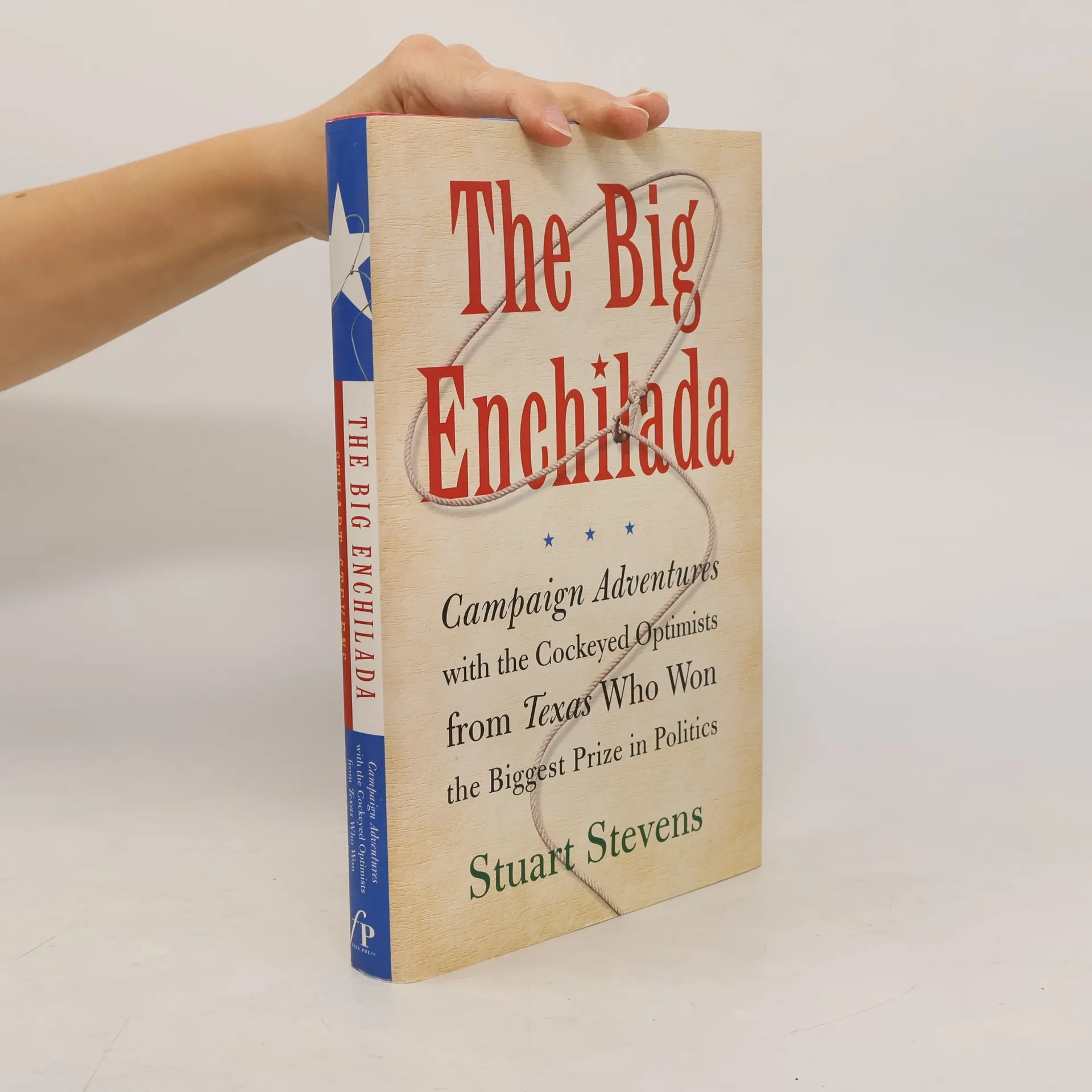
Campaign Adventures with the Cockeyed Optimists from Texas who Won the Biggest Prize in Politics
An insider on the Bush campaign shares intimate details of the Texas governor's rise to the presidency, from sketching strategy on a napkin to preparing for the all-important presidential debates.
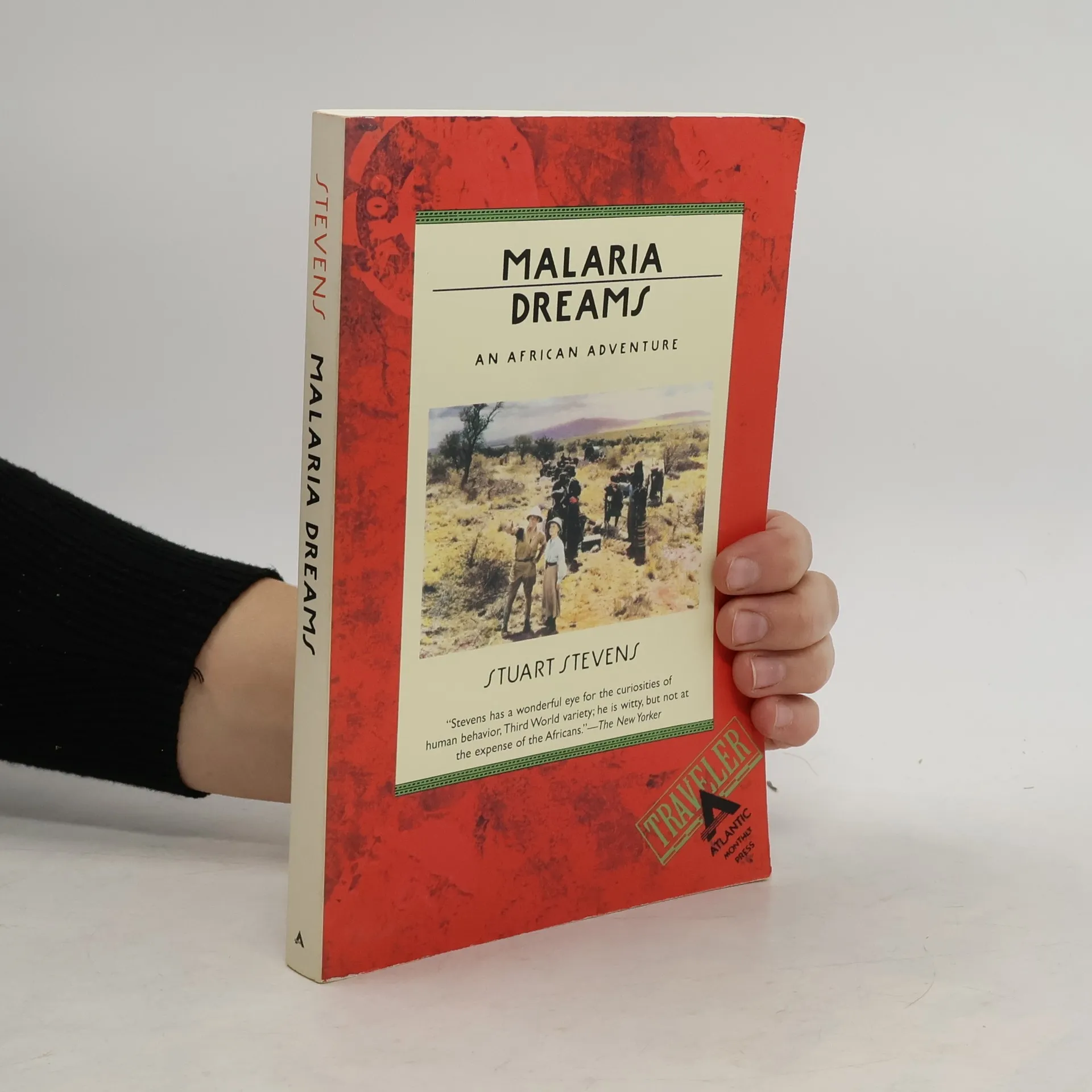
Recounts an adventure, by Stevens and a companion, across the wildest part of Africa that includes Cameroon, Lake Chad, Niger, Timbuktu, the Sahara, and ends at the shores of the Mediterranean.
Tired of visiting countries with the worst food imaginable, political consultant and writer Stuart Stevens embarks on a gastronomic tour of Europe with a woman he barely knows and a Mustang that barely goes. The plan - to eat in all the 3 star Michelin restaurants in Europe on consecutive days.
“From the beginning, it was a silly idea. This, of course, I liked.” Thus begins an irreverent Chinese travel tale by Stuart Stevens. In late 1986, Stevens, a young political consultant and writer, invites three friends on a 5,000-mile quest along China’s Ancient Silk Road, aiming to retrace a journey made in 1936 by eccentric British writer Peter Fleming. The companions he chooses—a triathlete, a Yale kung fu expert, and a tall female rower—are more amusing than practical. Only one, Mark Salzman, author of Iron & Silk, has been to China before and is uncertain about returning. This unlikely group sets out from Beijing, determined to follow Fleming’s route to Kashgar, the fabled capital of Chinese Turkistan, known for its vast, desolate Takla Makan desert, which translates to “you go in, but you do not come out.” Battling the extreme cold of winter, they traverse China by trains, donkey carts, bicycles, and memorable buses. Often confined in monolithic Russian-built hotels, they navigate the complexities of Chinese bureaucracy while surviving on lamb fat and cold noodles. Filled with unforgettable characters and humorous scenes, this journey offers a high-spirited romp through a land where travelers are greeted with “Comrades, we welcome you to your journey. Please do not spit everywhere . . .”