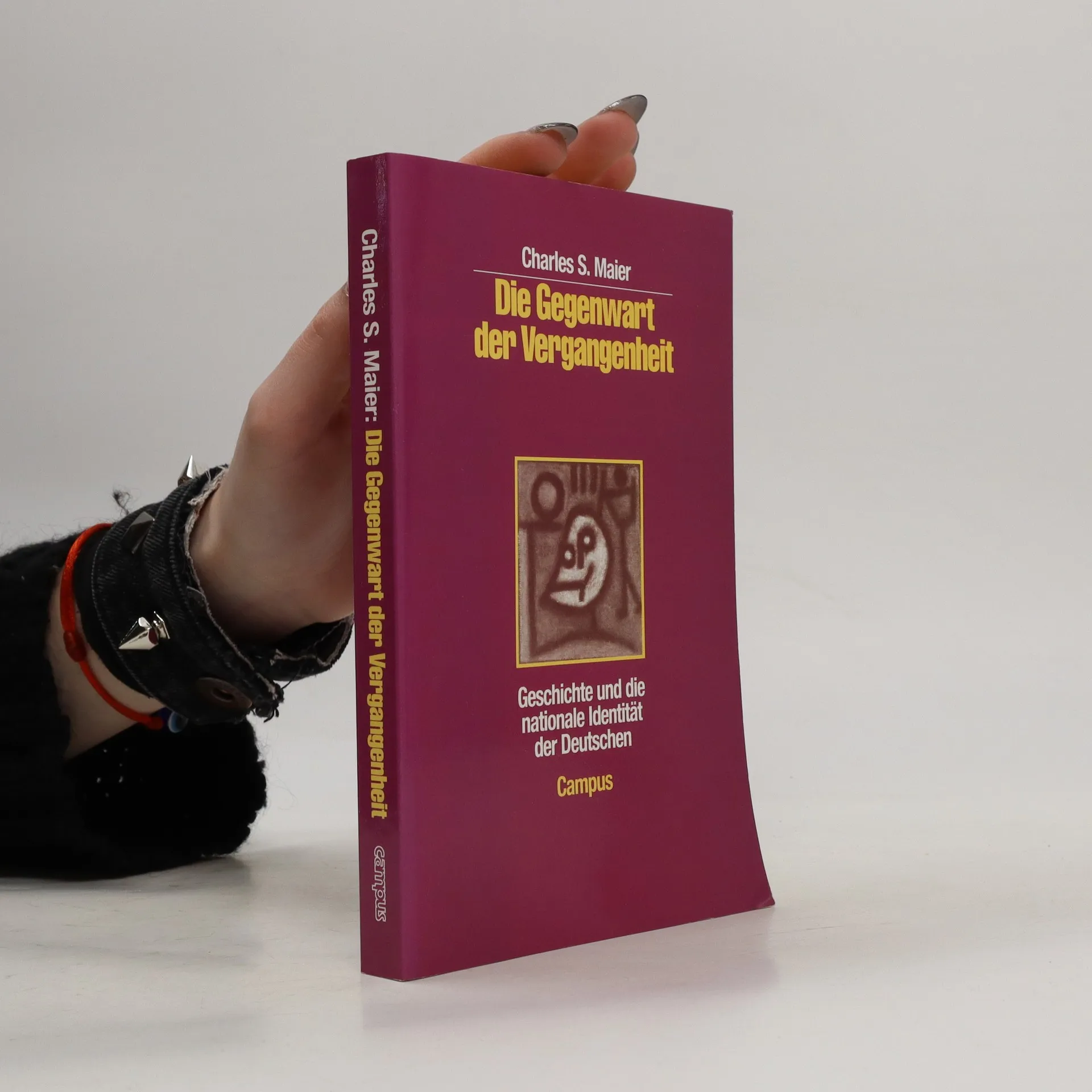
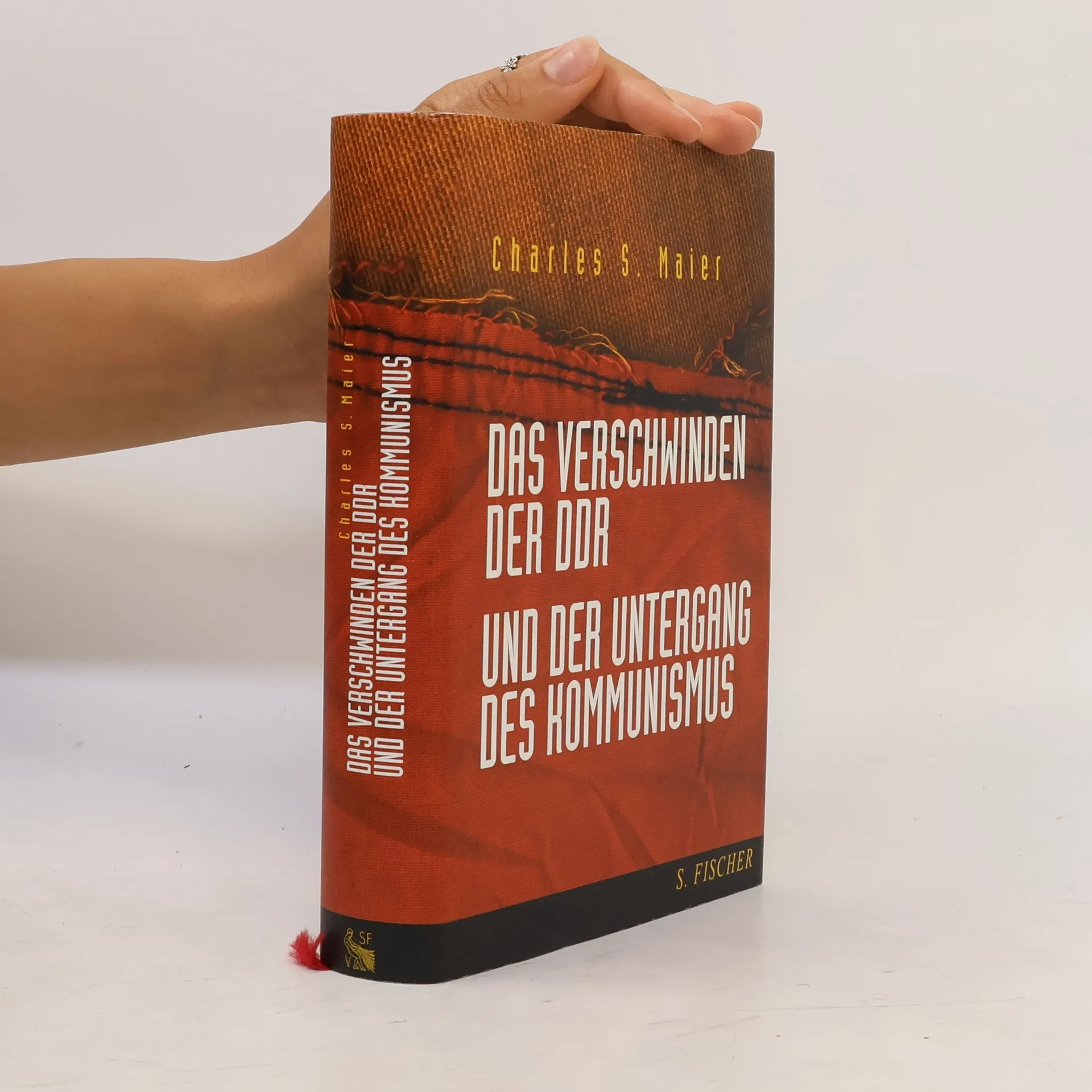
Charles S. Maier hat erfolgreich die Herausforderung angenommen, die Ereignisse und Hintergründe, die zum Zusammenbruch des Kommunismus und der DDR führten, in einen umfassenden historischen Kontext einzuordnen: Ein äußerst profundes, auf breitem Quellen- und Archivstudium basierendes und überdies stilistisch brillantes Werk, das seinesgleichen sucht.
Exploring the dynamics of political and economic stability in twentieth-century Western industrial societies, this collection of essays examines the ideological influences of American power on Europe post-World Wars, the economic ideologies of Nazi and fascist regimes, and their comparative achievements against liberal democracies. It also investigates the interplay between productivity, class division, and inflation, alongside the representation of interests within capitalist political economies, offering a comprehensive analysis of historical political economy.
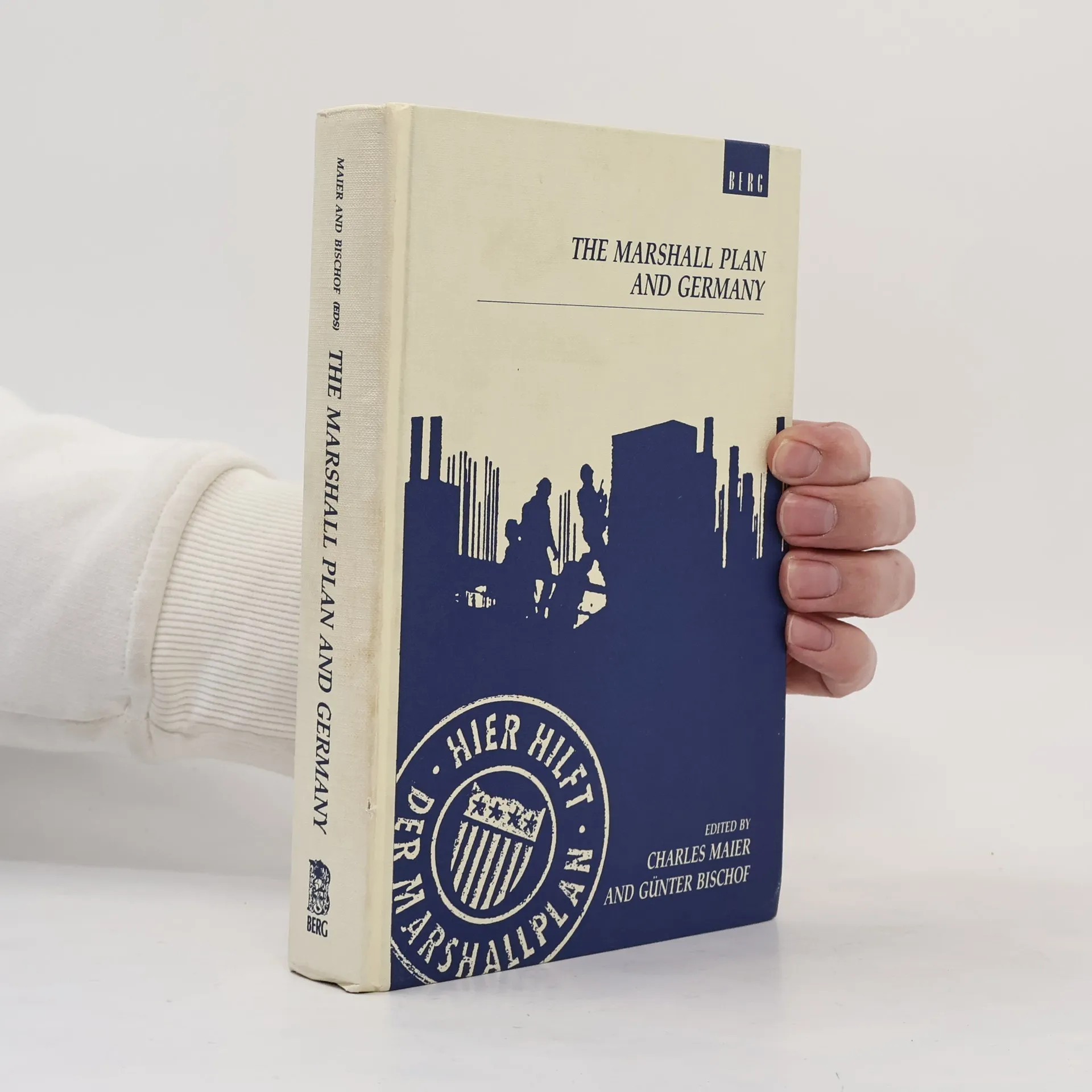
The essays in this collection analyze the actual contribution to postwar economic and political institutions of the Marshall Plan, shifting their attention away from its ideological role, which had been the subject of earlier research on the Recovery Program. These studies seek to measure the effect of that plan in terms of investment, growth, and production, replacing the earlier stress on political conflict with the more recent focus on the struggle for modernization motivated by a transnational vision of productivity, exchange, and economic integration. These essays also incorporate the results of examinations of newly opened archives and records.
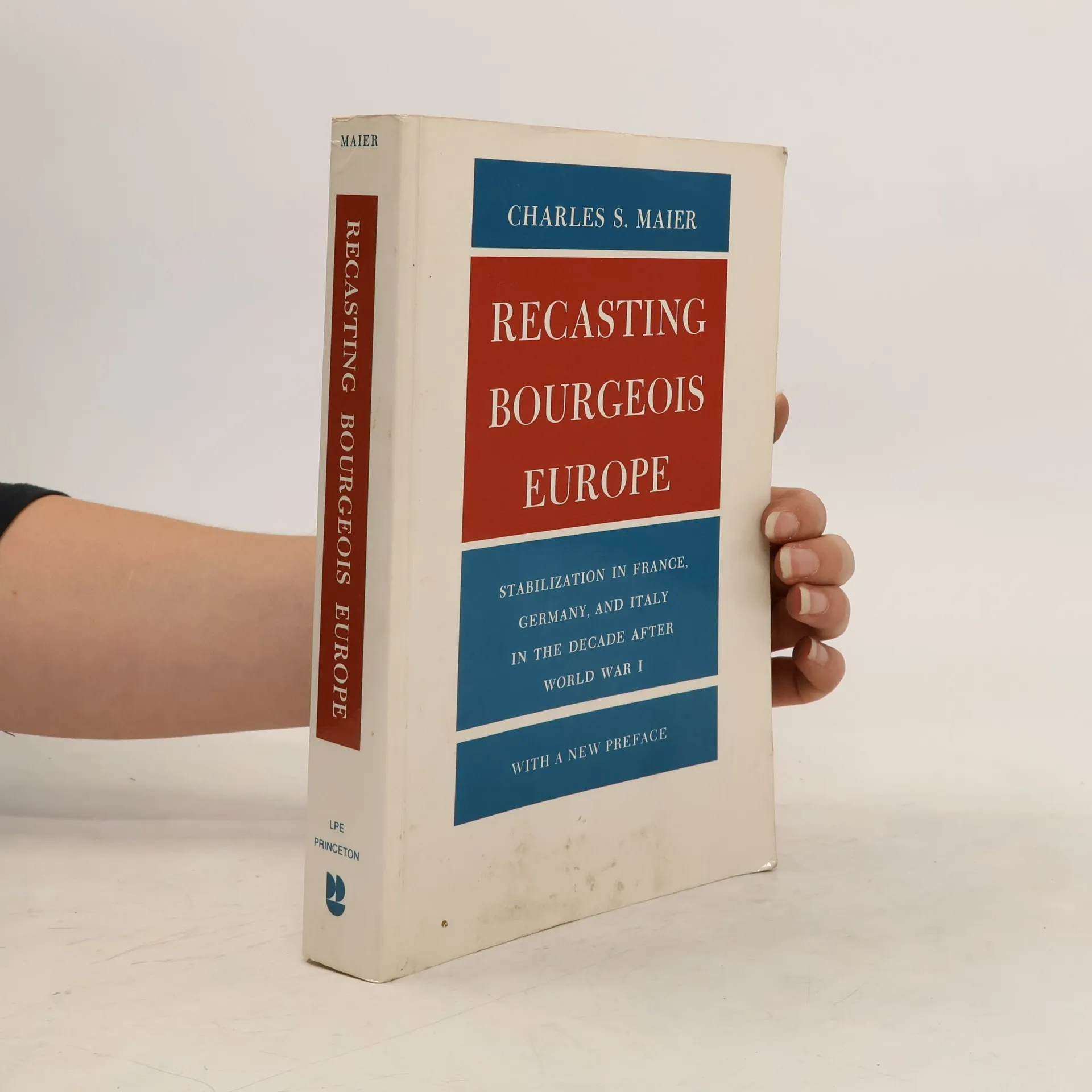
Stabilization in France, Germany and Italy in the Decade After World War I
The book examines a critical topic in the disciplining of forces for change: how political and economic elites retained their power following world war, economic dislocation, and domestic turmoil—stresses that seem to make social leveling inevitable. Charles S. Maier uses a comparative approach to study this phenomenon as it occurred in France, Germany, and Italy in the decade after World War I.The author concentrates on those disputes through which the basic distribution of power wee contested or exposed: conflicts over nationalization, taxes. and inflation; relations between capital and labor; reparation quarrels, tariff negotiations; and parliamentary elections. He finds that although existing elites were compelled to share their power with new leaders, much of the traditional European class structure was preserved and the capitalist system remained intact through a major evolution away from classical parliamentarianism toward patterns of interest group representation.The conclusion of the book suggests that this system of stability, despite its interruption by the Depression, Nazism, and World War II, anticipated political solutions achieved after 1945.
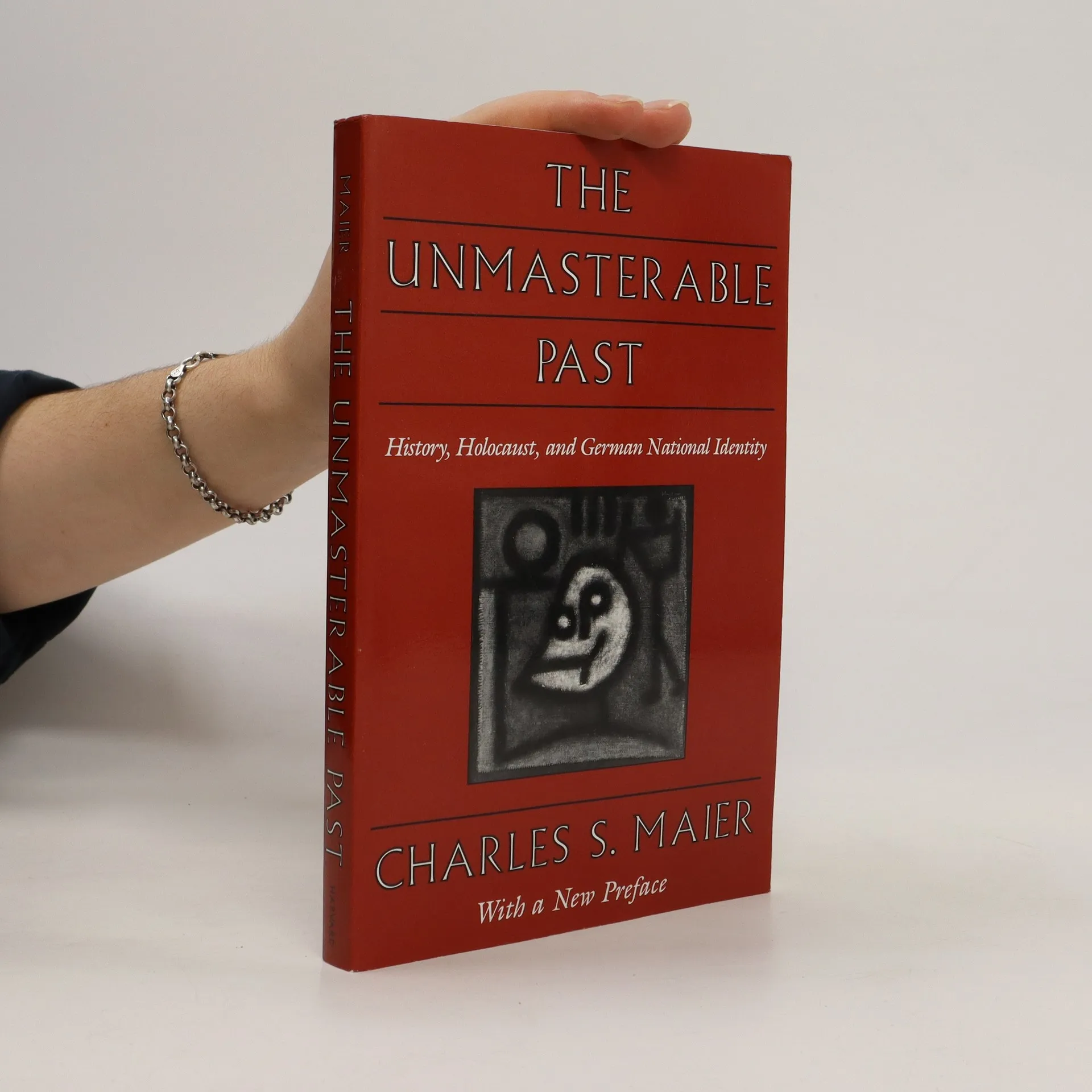
In The Unmasterable Past, Charles Maier writes that controversy regarding German national history and identity substituted for constitutional debate at at the time of German reunification