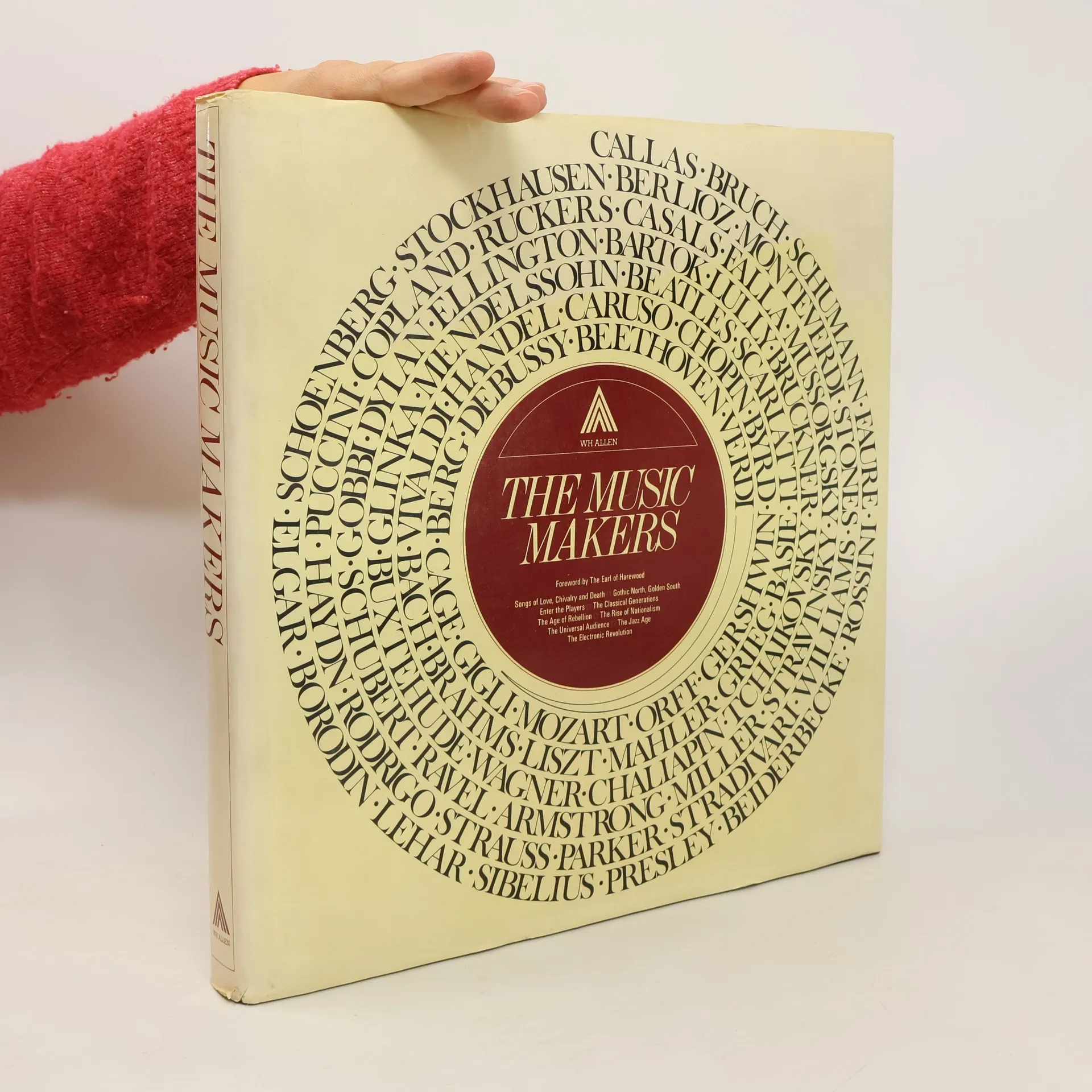
Die Musik. Menschen, Instrumente und Ereignisse in Bildern und Dokumenten
- 255 Seiten
- 9 Lesestunden



Book by Oulton, Jenny
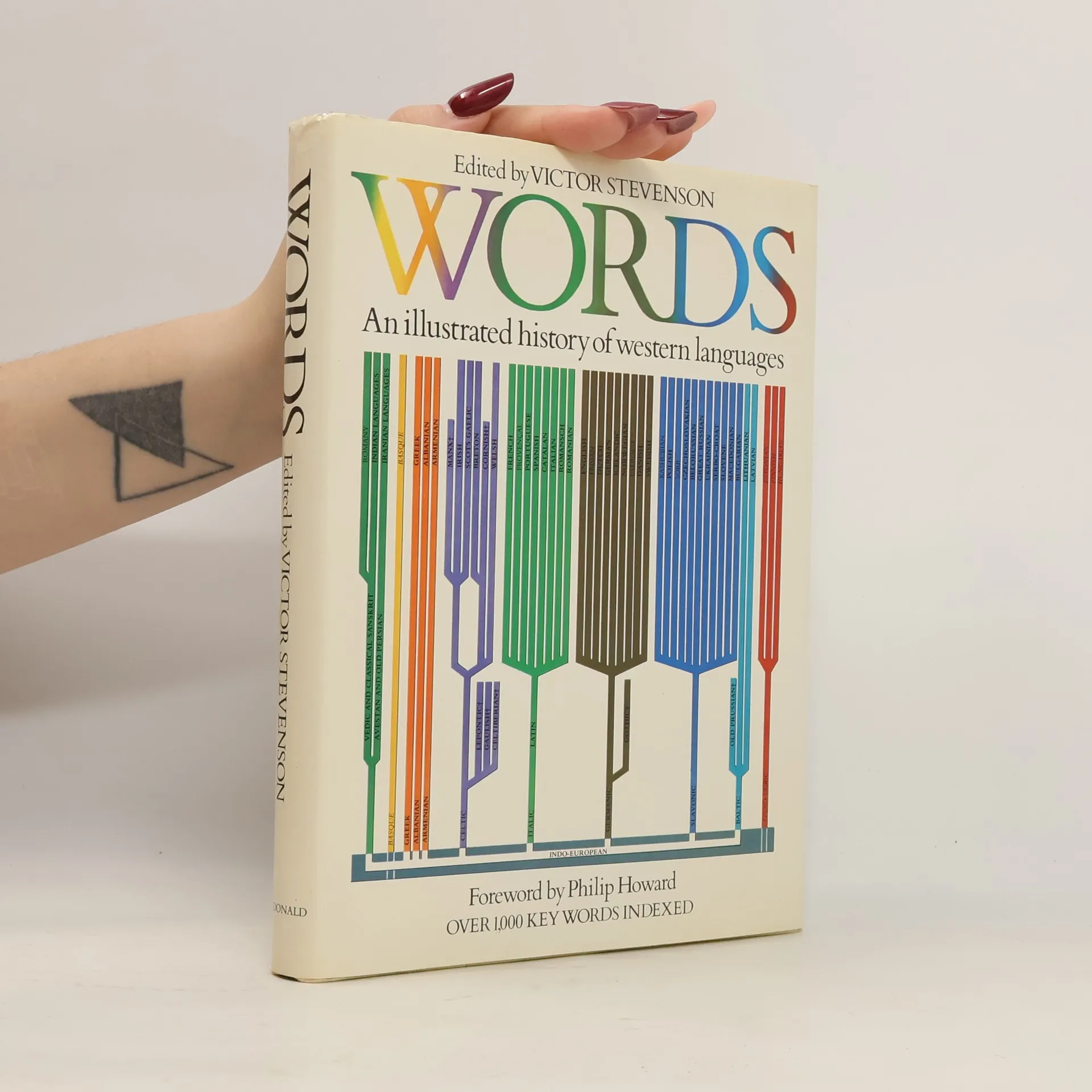
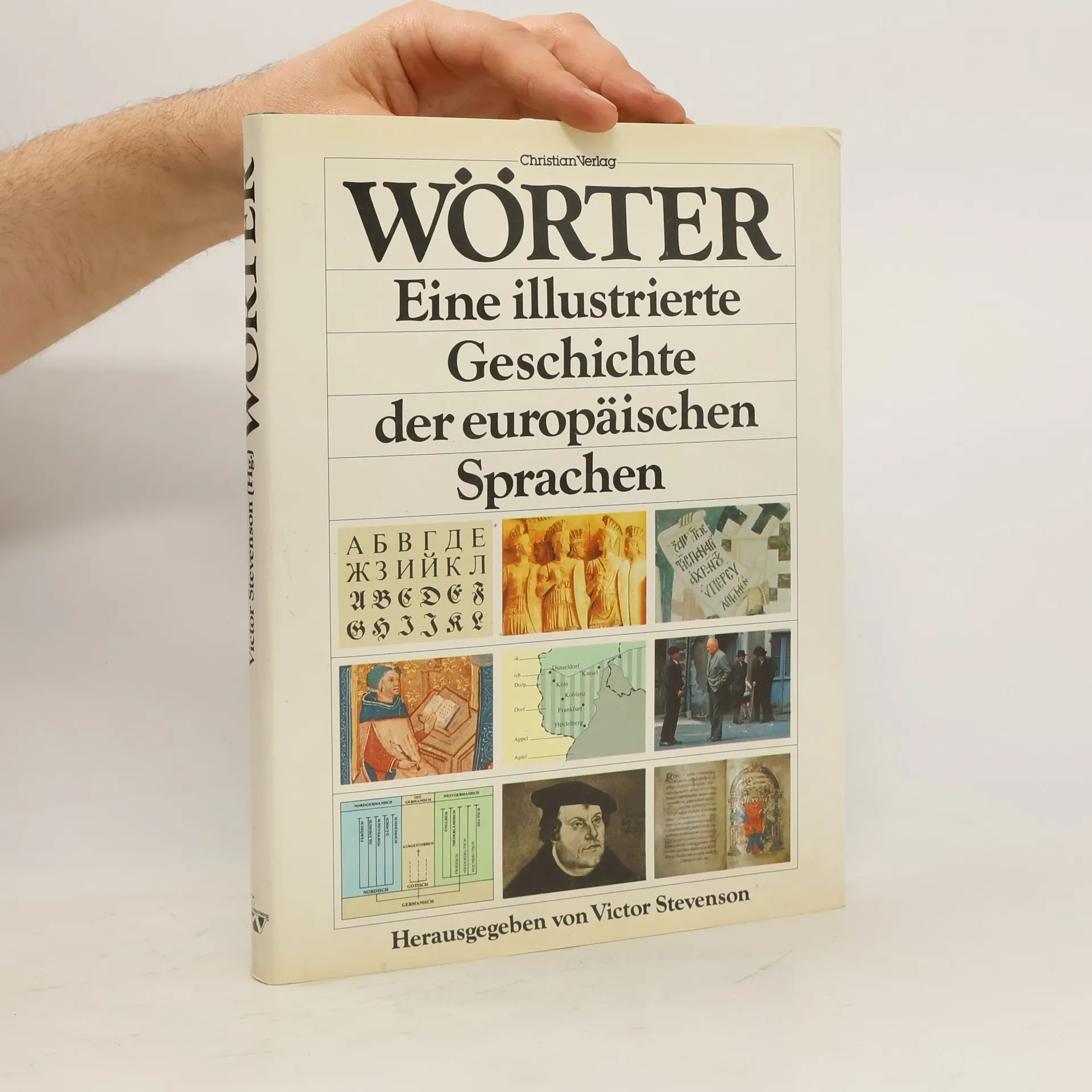
This captivating narrative explores the journey of the languages of Europe, tracing their origins from a long-lost unwritten language. It delves into the dynamics of war and peace among words, highlighting the triumph of some languages and the decline of others. The text illustrates the exchange and appropriation of ideas, showcasing how the Latin of Roman legionaries evolved into elegant languages, while Greek remained influential in modern sciences. The evolution of ancient Germanic speech into closely related tongues, including English as a near-world language, is also examined. Additionally, the story encompasses non-Western languages spoken by millions in Asia and the Middle East, revealing shared roots with European languages. It touches on unrelated neighbors like Finnish and Hungarian, tracing their origins to northern Asian hunters, and discusses Basque, a language with mysterious origins. With a well-paced narrative, maps, photographs, and over 1,000 examples of words in motion, this work tells the enthralling story of western languages through the centuries. It highlights the familial connections among diverse vernaculars, from Bolivian to Bulgarian, and includes a map section, a glossary of technical terms, and a comprehensive index. This is essential reading for anyone interested in language, travel, or the excitement of words.
Foreword by The Earl of Harewood. Music is universally cherished, whether experienced through radio, records, concerts, clubs, or churches, encompassing a vast range from Gregorian chant and Renaissance madrigals to modern compositions by Boulez and Crumb. This comprehensive volume is designed for music enthusiasts, offering an extensive overview of Western musical heritage from its origins to the present. Lavishly illustrated and meticulously researched, it features approximately one thousand succinct biographies of influential figures in music history, including composers, virtuoso instrumentalists, singers, conductors, impresarios, and instrument craftsmen, along with modern recording technicians. The entries are organized chronologically, narrating the evolution of Western music. Each major section opens with an engaging essay that sets the musical, historical, and social context of the era. Readers will uncover the personal stories, triumphs, and tragedies of musicians' lives, such as the conductor who succumbed to gangrene from a baton injury, the organist who had to marry his predecessor's daughter for job security, and composers who, despite dying in poverty, left behind musical legacies that continue to enrich our lives.