

Sind die Bilder von Henri Matisse veraltet, nur weil sie vor Jahrzehnten entstanden sind? Die Antwort darauf ist eindeutig. Auch eine Studie über Matisse, die vor fast 65 Jahren veröffentlicht wurde, ist nicht automatisch veraltet. John Elderfield zeigt in dieser Anthologie, dass solche Annahmen falsch sein können, indem er Alfred H. Barrs „Matisse: His Art and His Public“ von 1951 neu interpretiert. Barr, als Gründungsdirektor des Museum of Modern Art in New York, vereinte außergewöhnliche Fähigkeiten als Kunsthistoriker und Pädagoge, was sich auch in seinem Matisse-Buch widerspiegelt. Die Publikation präsentiert 16 Klassiker der Kunstgeschichte aus dem letzten Jahrhundert, die von renommierten Kunsthistorikern behandelt werden. Diese Experten analysieren die Genese und den Kontext der Werke und beleuchten die Biografien ihrer Verfasser. Sie stellen zudem die Frage, ob die diskutierten Klassiker heute noch relevant sind. Richard Verdi erinnert an Roger Frys wenig bekannte Studie „Cézanne: A Study of His Development“ von 1927, während Boris Groys brillant in Clement Greenbergs „Art and Culture: Critical Essays“ (1961) einführt. Jeffrey Hamburger stellt Hans Beltings „Bild und Kult“ von 1990 vor. Geschichte muss periodisch neu betrachtet werden, und das gilt auch für die Klassiker der Kunst. Während einige Werke in Vergessenheit geraten, gibt es auch zeitlose Perlen, die auf eine Neuentdeckung warten. Diese Anthologie weist den
Richard Shone Bücher
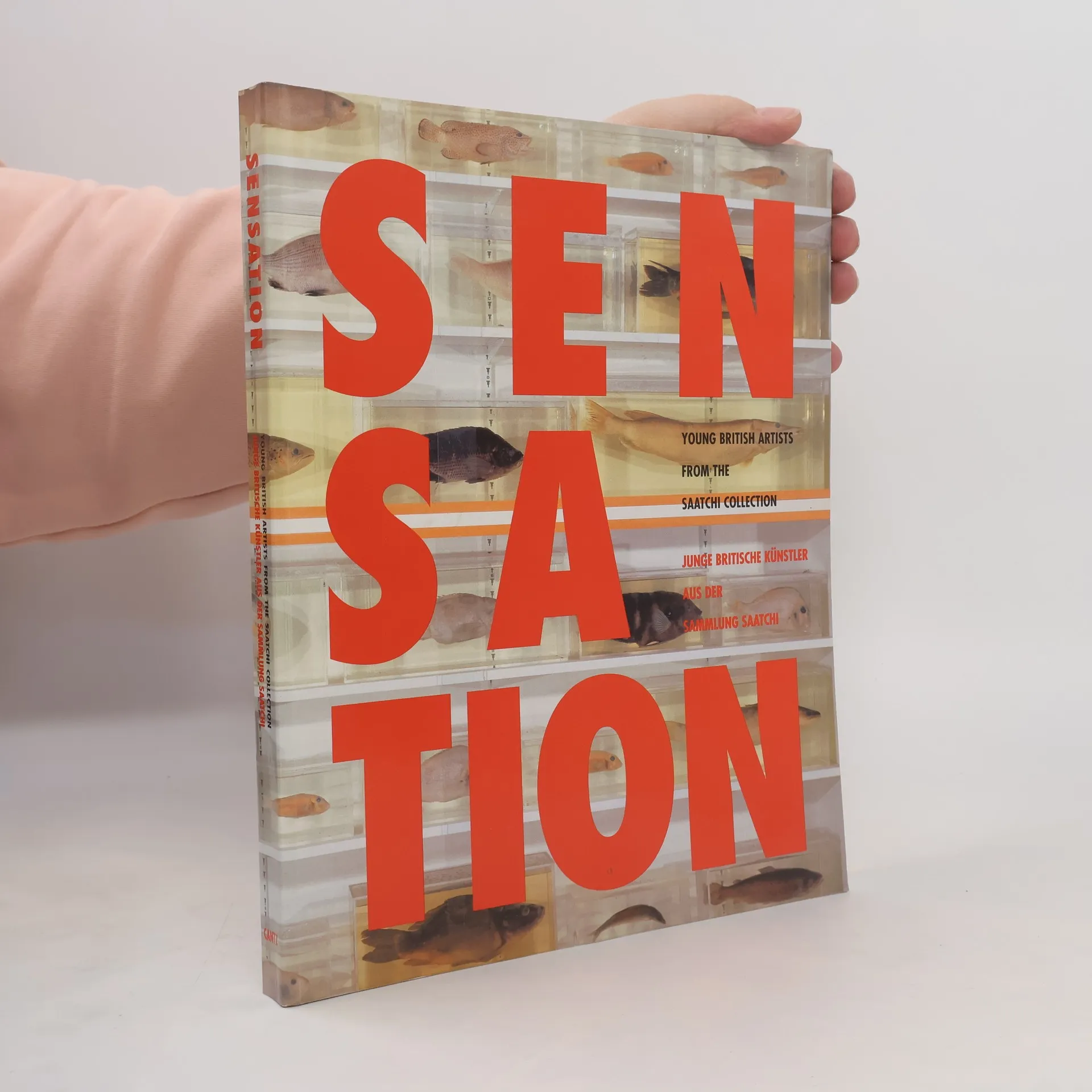

Sensation ist eine umfassende Untersuchung der jüngeren Generation britischer Künstler, die die internationale Kunstszene mit ihrer Vitalität und Kreativität begeistert haben. Der Sammler und Mäzen Charles Saatchi hat die britische Kunstszene auf einzigartige Weise unterstützt und sein Engagement über bekannte Persönlichkeiten wie Damien Hirst und Rachel Whiteread hinaus auf zahlreiche aufstrebende Talente ausgeweitet. Das Buch präsentiert die Arbeiten von zweiundvierzig radikalen Künstlern, darunter Jenny Saville, Jake & Dinos Chapman und andere, die bedeutende Beiträge zur zeitgenössischen Kunst leisten. Es enthält originale Essays, die den kritischen Kontext bieten und die Entwicklung der britischen Kunstszene seit der wegweisenden Ausstellung "Freeze" von 1988 nachzeichnen. Sensation durchbricht die sensationslüsterne Medienberichterstattung und die Debatten der Kunstwelt, um die Errungenschaften junger britischer Künstler und die Auswirkungen einfallsreicher Mäzenate hervorzuheben. Zu den bemerkenswerten Künstlern gehören Darren Almond, Richard Billingham, Glenn Brown, Simon Callery, Adam Chodzko, Mat Collishaw, Keith Coventry, Tracey Emin und viele mehr. Diese umfassende Erkundung offenbart die dynamische Landschaft der britischen Kunst und den innovativen Geist, der sie vorantreibt.
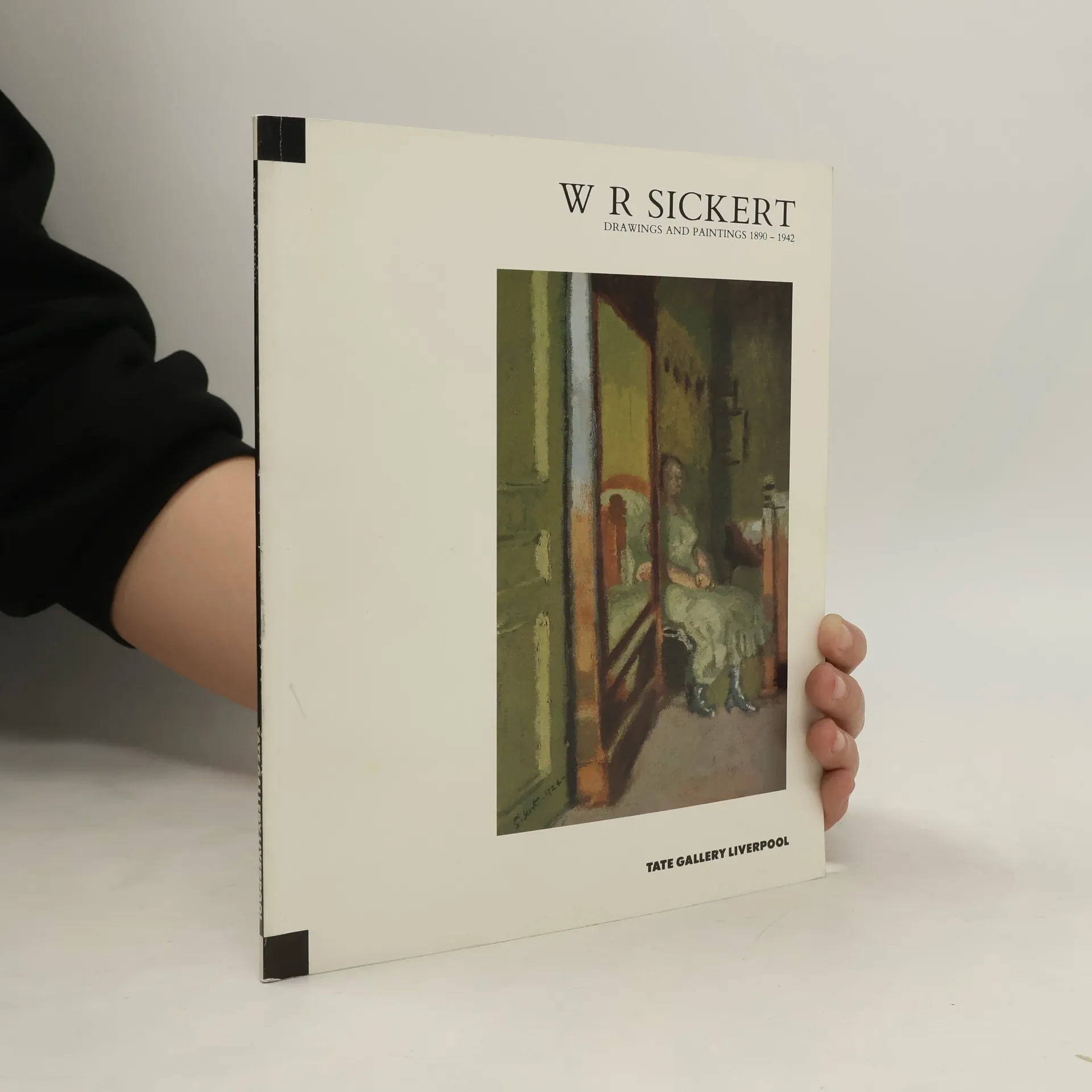
W.R. Sickert - Drawings and Paintings 1890-1942
- 48 Seiten
- 2 Lesestunden
. Tate Publishing, 1988 1st, clean copy, no markings, light shelf wear with a small mark on front cover, Professional booksellers since 1981
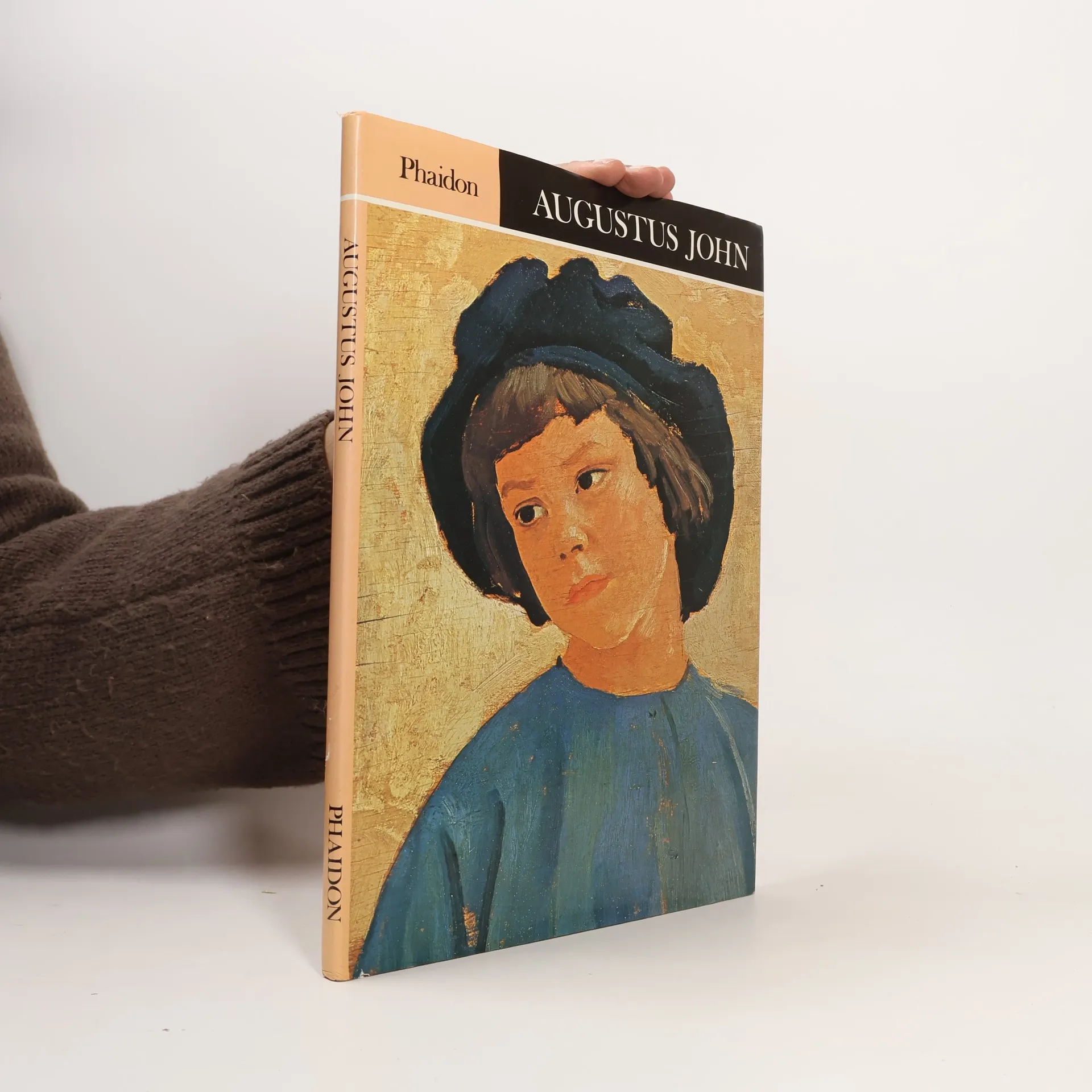
Colour Plate Books: Augustus John
- 16 Seiten
- 1 Lesestunde
Near Fine. Dust Jacket Near Fine. 1st Edition/ This rare and vintage book is a perfect addition to any bibliophile's collection
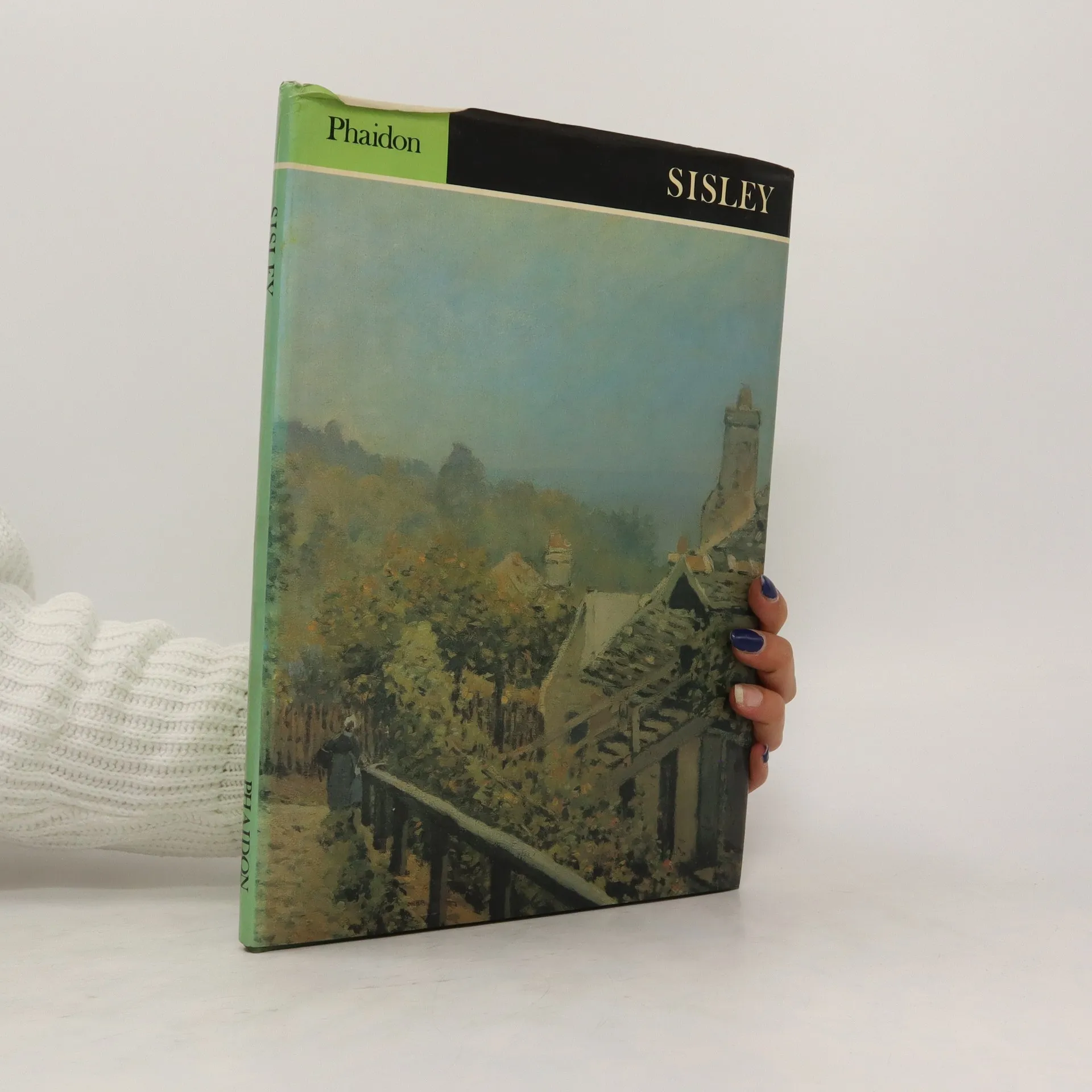
Sisley
- 48 Seiten
- 2 Lesestunden
Alfred Sisley is now recognized as one of the great landscape painters of the nineteenth century, and a leading figure in the Impressionist. English-born, he lived all his life in France, and the 61 colour illustrations in this book include the celebrated snow scenes of the Paris suburbs, his views of the flooded Seine at Port-Marly, and his paintings and colourful regattas on the Thames with Kenneth Clark described as embodying “the perfect moment of Impressionism”. Richard Shone has completely updated his essay, fist published in 1979, in the light if his major 1992 Phaidon monograph on Sisley, selected new colour plates and added extensive commentaries on the illustrations to the work of Alfred Sisley.
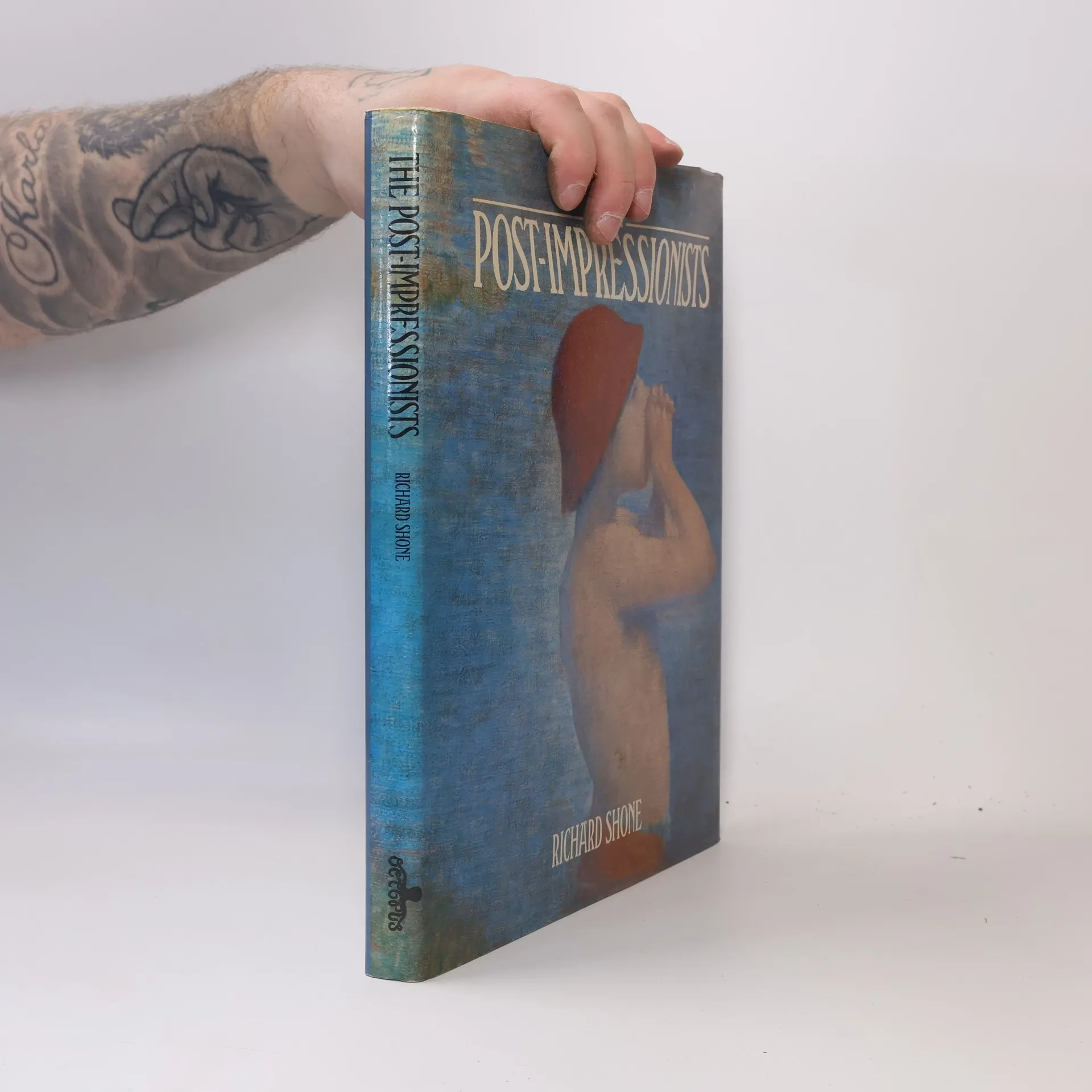
The Post-Impressionists
- 176 Seiten
- 7 Lesestunden
One of the aims of this book is to show the pervasive influence Post-Impressionists exercised on a host of other painters in the last twenty years of the nineteenth century. The author also discusses the Post-Impressionists' debt to the pioneering achievements of their elders such as Monet and Renoir. By establishing their links with the immediate past and the value of their work for the future, Post-Impressionism appears not as an isolated phenomenon but as a movement of great variety, firmly situated in the tradition of European painting.