

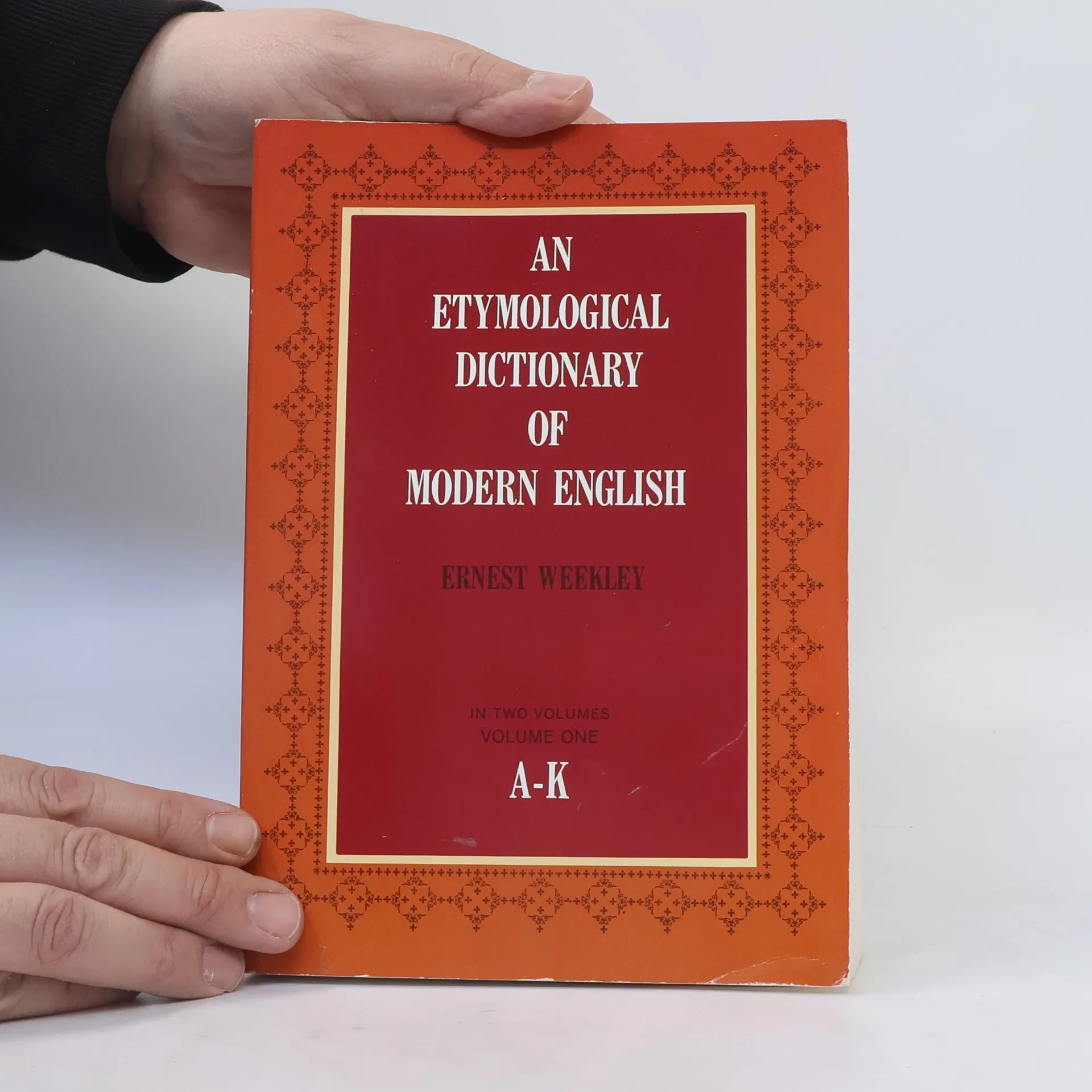
Volume 1 of 2. Classic contains most of the more common words, plus slang, archaic words and phrases, and common foreign words. Roots are identified, cross-references to words with similar roots are listed and colloquial usages and alternate spellings are given. "Notable for its readable historical discussions, apt citations and jargonless clarity" — Saturday Review .
Ernest Weekley Bücher
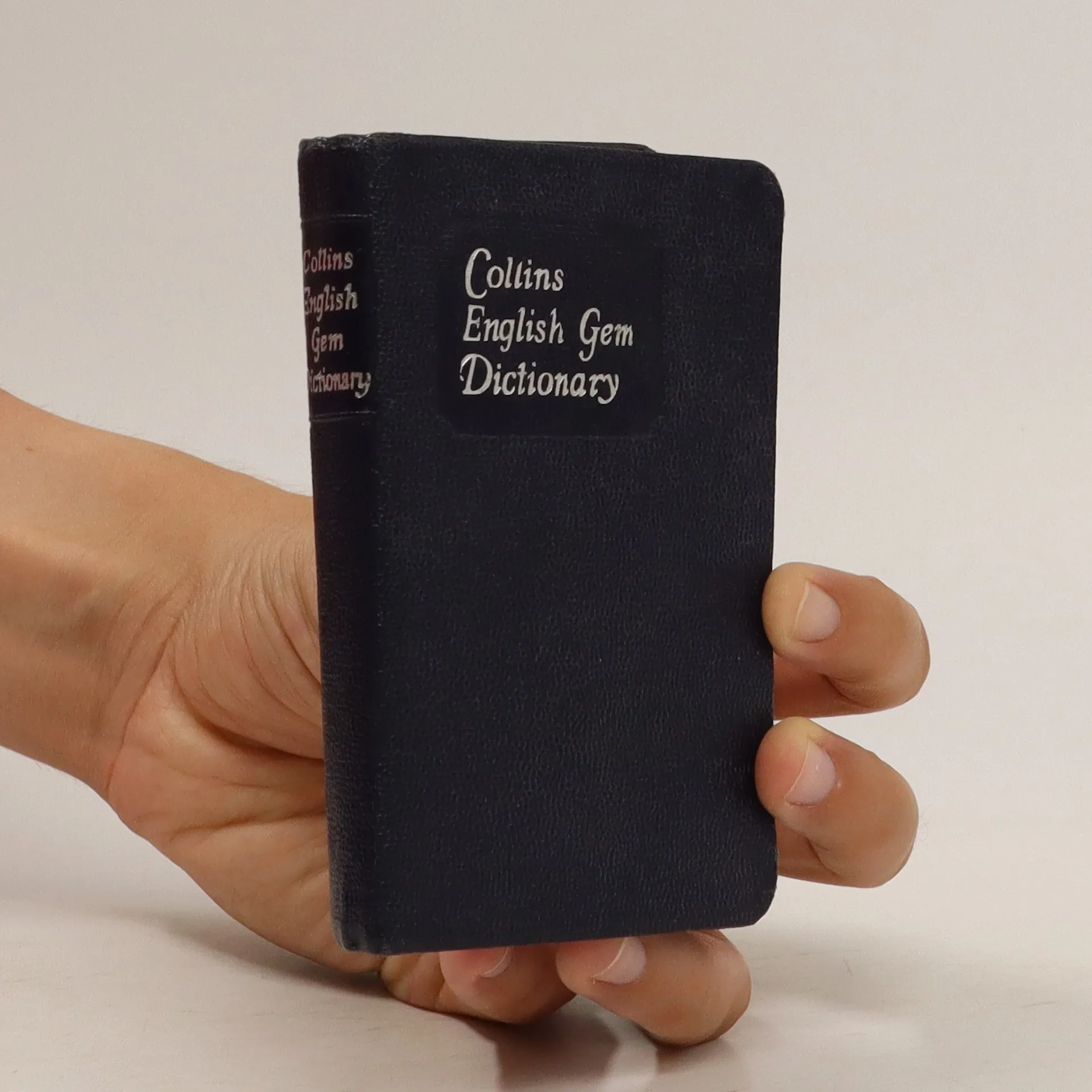
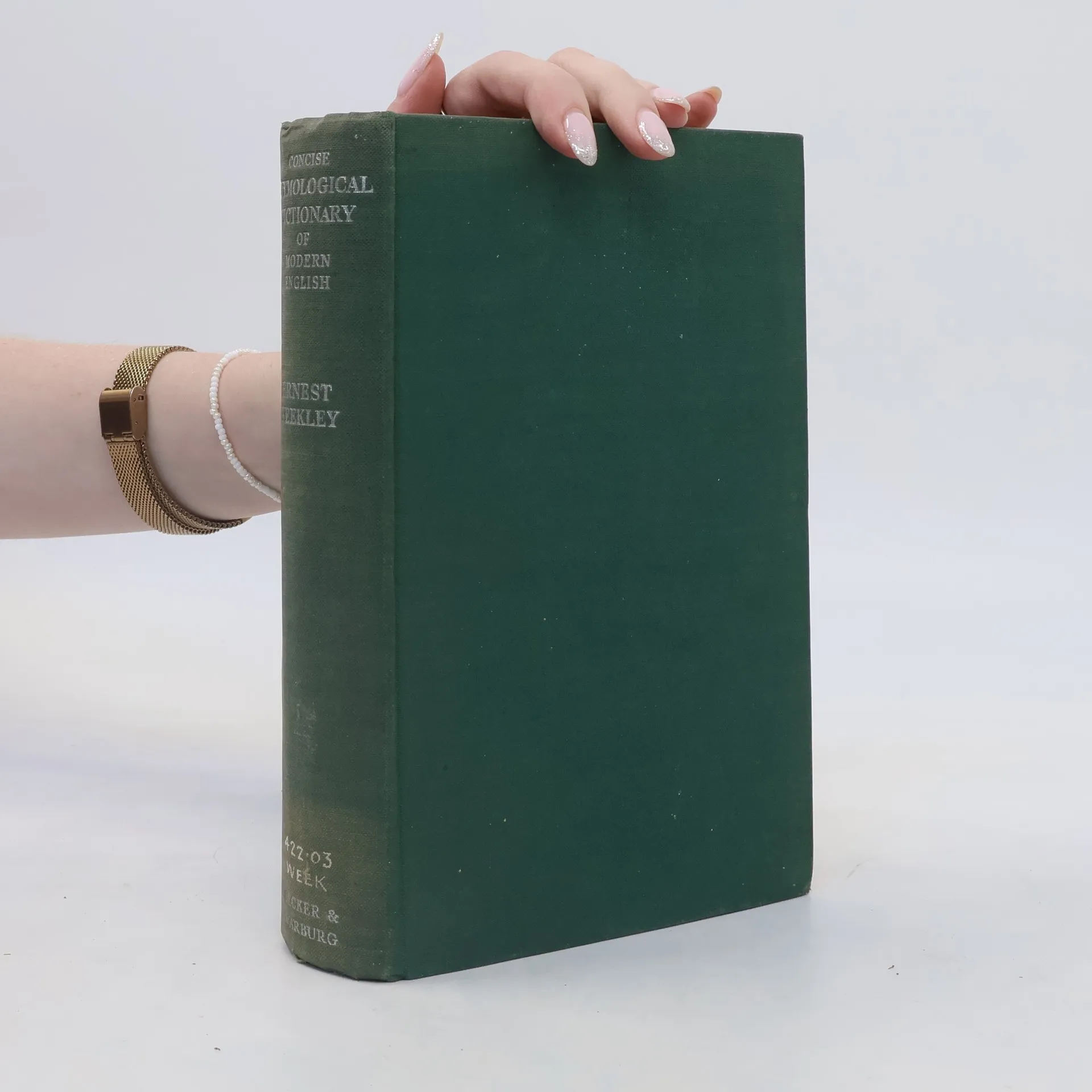
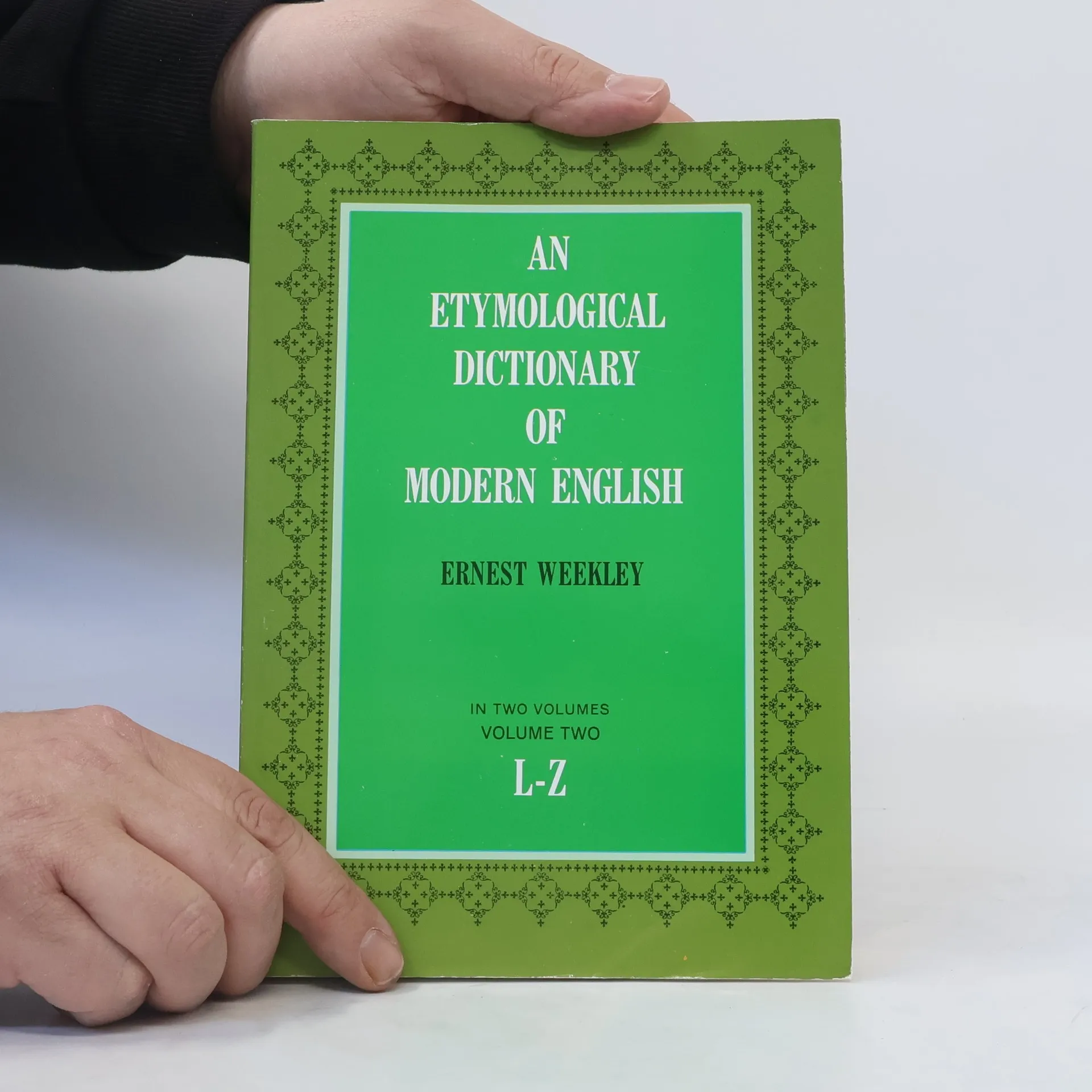
Etymological Dictionary of Modern English. L-Z
- 846 Seiten
- 30 Lesestunden
The compiler of this dictionary of word and phrase origins and history was not only a linguist and a philologist but also a man of culture and wit. When he turned his attention, therefore, to the creation of an etymological dictionary for both specialists and non-specialists, the result was easily the finest such work ever prepared. Weekley's Dictionary is a work of thorough scholarship. It contains one of the largest lists of words and phrases to be found in any singly etymological dictionary — and considerably more material than in the standard concise edition, with fuller quotes and historical discussions. Included are most of the more common words used in English as well as slang, archaic words, such formulas as "I. O. U.," made-up words (such as Carroll's "Jabberwock"), words coined from proper nouns, and so on. In each case, roots in Anglo-Saxon, Old Norse, Greek or Latin, Old and modern French, Anglo-Indian, etc., are identified; in hundreds of cases, especially odd or amusing listings, earliest known usage is mentioned and sense is indicated in quotations from Dickens, Shakespeare, Chaucer, "Piers Plowman," Defoe, O. Henry, Spenser, Byron, Kipling, and so on, and from contemporary newspapers, translations of the Bible, and dozens of foreign-language authors.