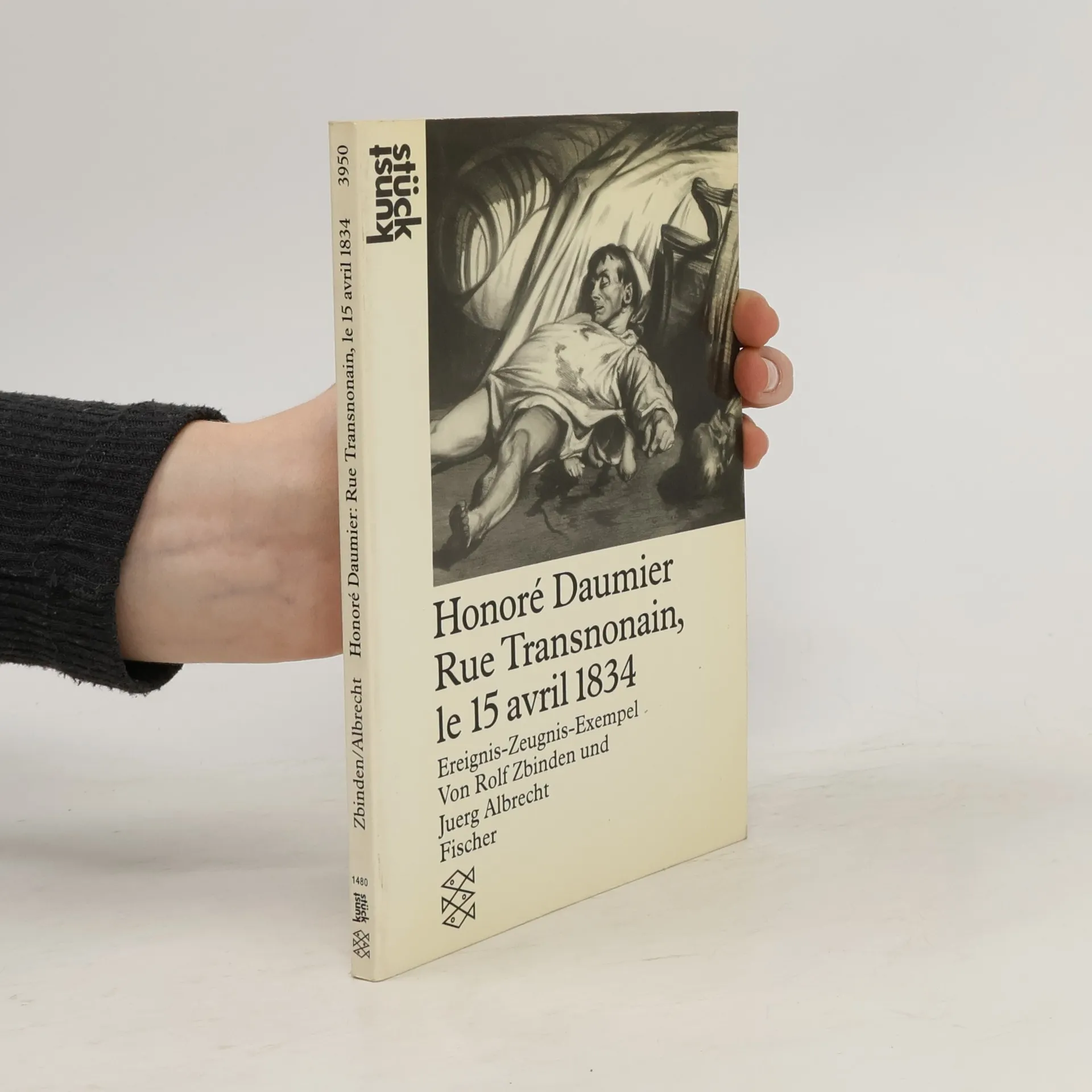
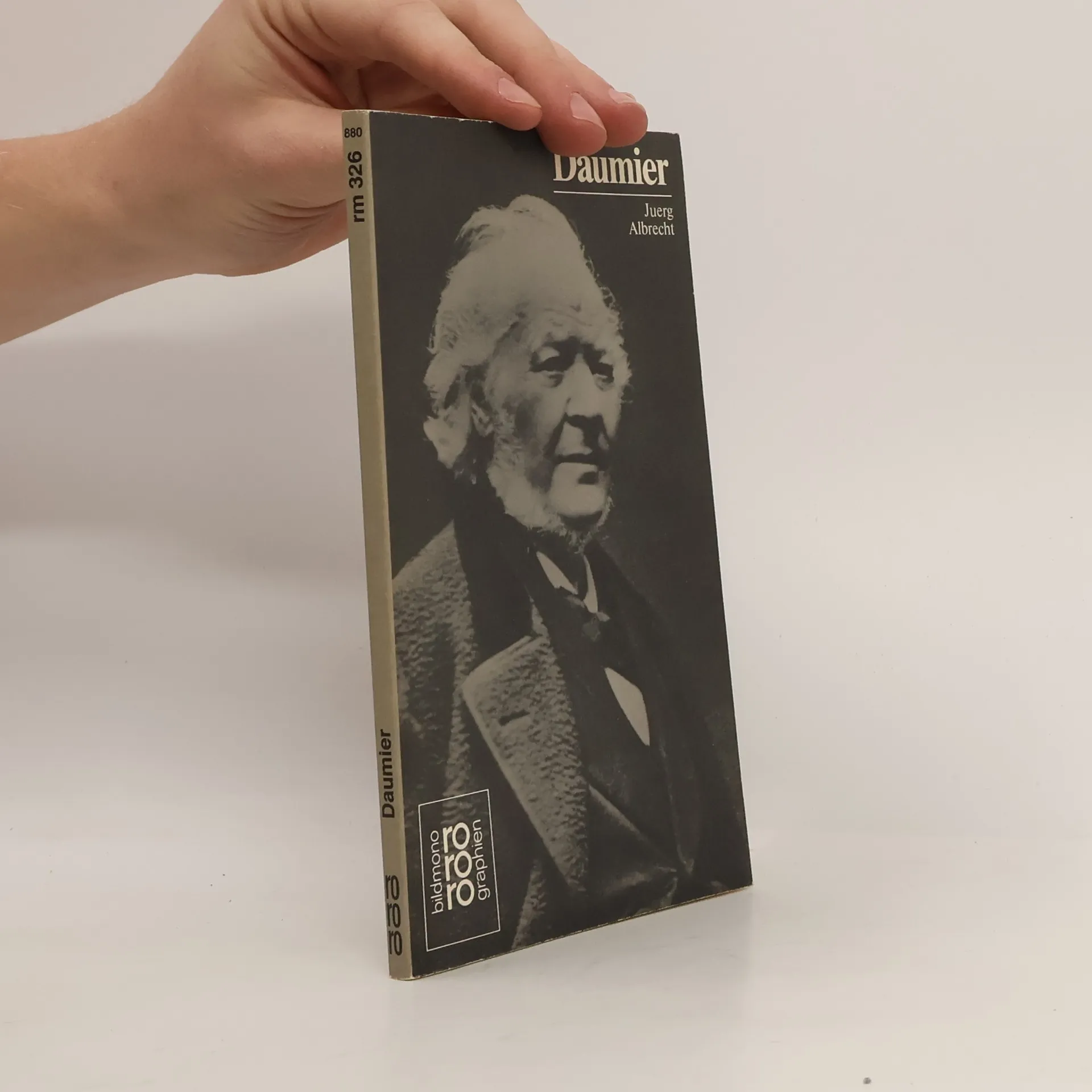
Honoré Daumier
- 158 Seiten
- 6 Lesestunden


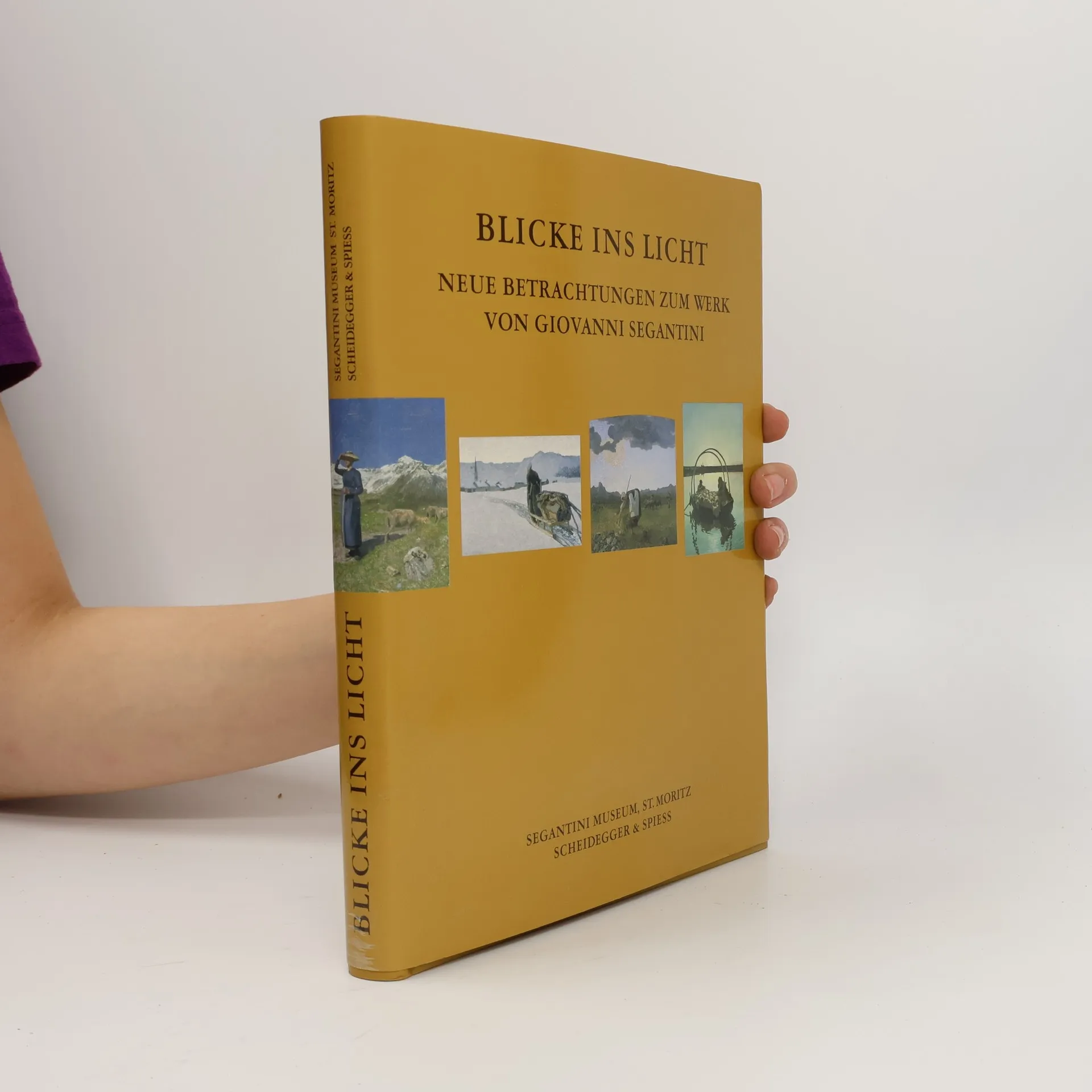

An insightful new study on the moving genesis of Giovanni Segantini's landmark triptych. Giovanni Segantini's (1858-99) three paintings La Vita--La Natura--La Morte (Becoming--Being--Passing) of 1898-99 at first glance reveal nothing about their equally complex and interesting background. Segantini originally planned them for the 1900 Paris Exposition Universelle as a multimedia walk-through "Engadine Panorama" 722 feet long and sixty-feet feet high. He was forced to reduce the undertaking to three purely pictorial main paintings, which eventually remained unfinished due to the artist's premature death. In this richly illustrated book, Swiss art historian and Segantini-expert Juerg Albrecht traces the eventful genesis of this landmark work, drawing on previously untapped sources, and places it in the context of Alpine painting and the mass medium of the panorama. He offers a fresh perspective on one of the last major Symbolist works of the fin de siècle and sheds light also on Segantini's highly personal pantheism.
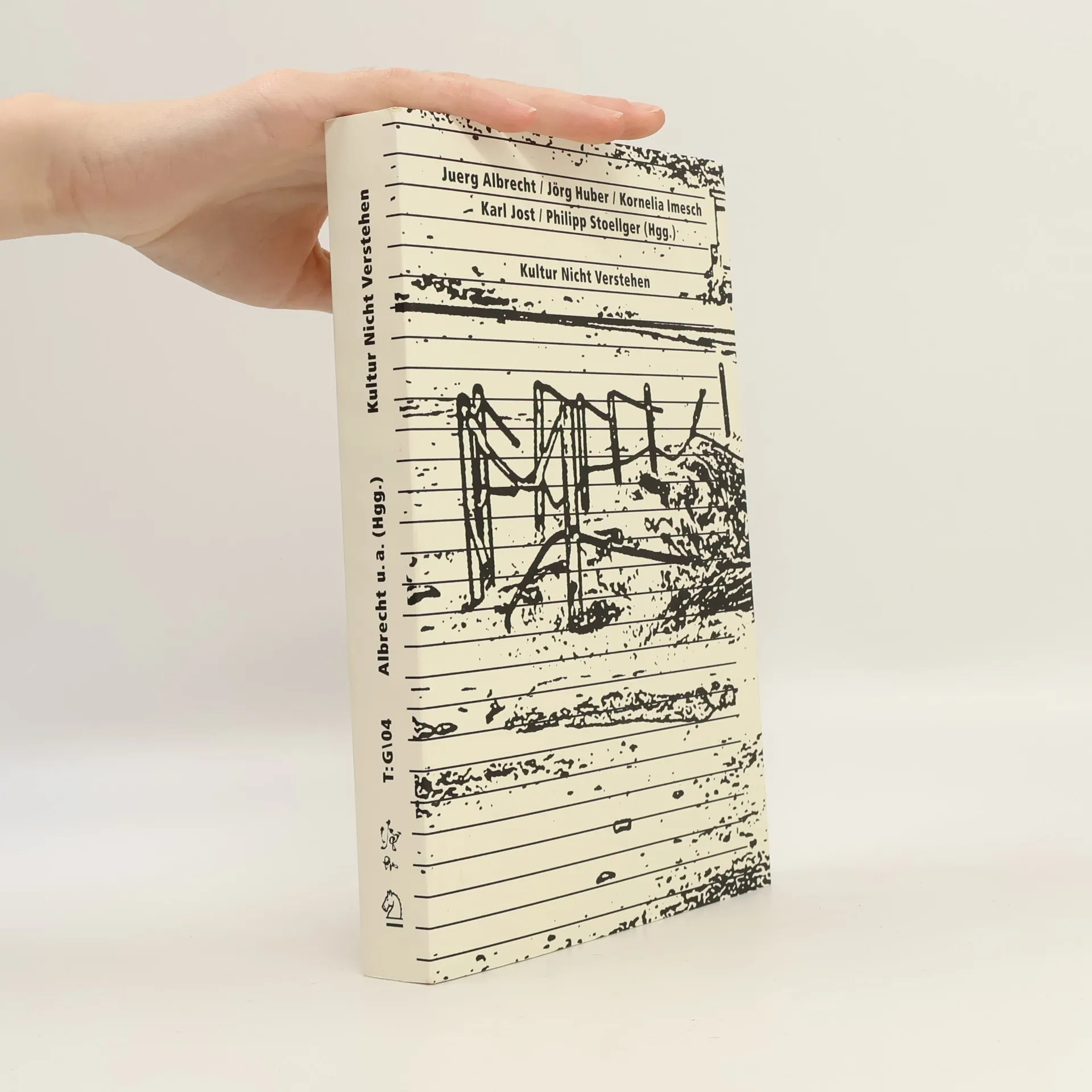
Für gewöhnlich versteht man die Welt, in der man lebt. Man kommt zurecht, auch wenn man im Einzelnen manches nicht versteht. Das ist in der Regel kein Problem – aber gelegentlich wird es zum Problem. Und das kann Folgen haben, bis dahin, dass man „die Welt nicht mehr versteht“, oder dass sich der Verdacht regt, unterhalb unseres Verstehens gähne der Abgrund des eigentlich gar nichts Verstehens? Ist „zu verstehen“ nur eine Gewohnheit, die uns lieb geworden ist? In den vorliegenden Beiträgen wird „Nicht Verstehen“ aus verschiedenen Perspektiven angegangen: jenen von Literaturwissenschaft, Philosophie, Religionsphilosophie, Wissenschaftstheorie, Theologie, Kunst-, Film- und Medienwissenschaften, Kulturwissenschaft und Psychologie.
Eine Publikation des Segantini Museums St. Moritz
Ereignis-Zeugnis-Exempel
German