Johannes Kalter Bücher

Die materielle Kultur der Massai und ihr Wandel
- 258 Seiten
- 10 Lesestunden
Der Lange Weg der Türken
1500 Jahre türkische Kultur
Afrika
Aus der Sammlung des Völkerkundemuseums der von Portheim-Stiftung Heidelberg
The arts and crafts of Syria
- 240 Seiten
- 9 Lesestunden
City dwellers, farmers and nomads, Arabs, Kurds, Armenians, Turks, Muslims, Christians and Jews - all have made their contributions to the colorful mosaic of Syria's craft traditions. Textiles and silver jewelry produced in the towns are complemented by peasant handicrafts: bold ceramics and mats woven from white straw with spirited designs. Dresses with profuse embroidery or geometric patterns display the origins of the women who wear them. Syrian nomads make brilliant carpets with which to decorate their tents and their camels. At the time of the Crusades, Damascene cloth and metalwork, and glassware from Aleppo, were much sought after in the courts of Christian princes. Even at the end of the nineteenth century, Syrian handicrafts were still regarded as luxury items in Europe. Now the whole span of this enduring culture is comprehensively treated, with explanatory text and over 600 illustrations, in a fascinating overview of Syria's material legacy.
The Arts and Crafts of the Swat Valley
- 180 Seiten
- 7 Lesestunden
The upper Swat valley in the mountain region of north Pakistan, not well known even to those with a special interest in the Orient, has one of the most remarkable cultures in the Islamic world, influenced by the cultures of central Asia, China and India.
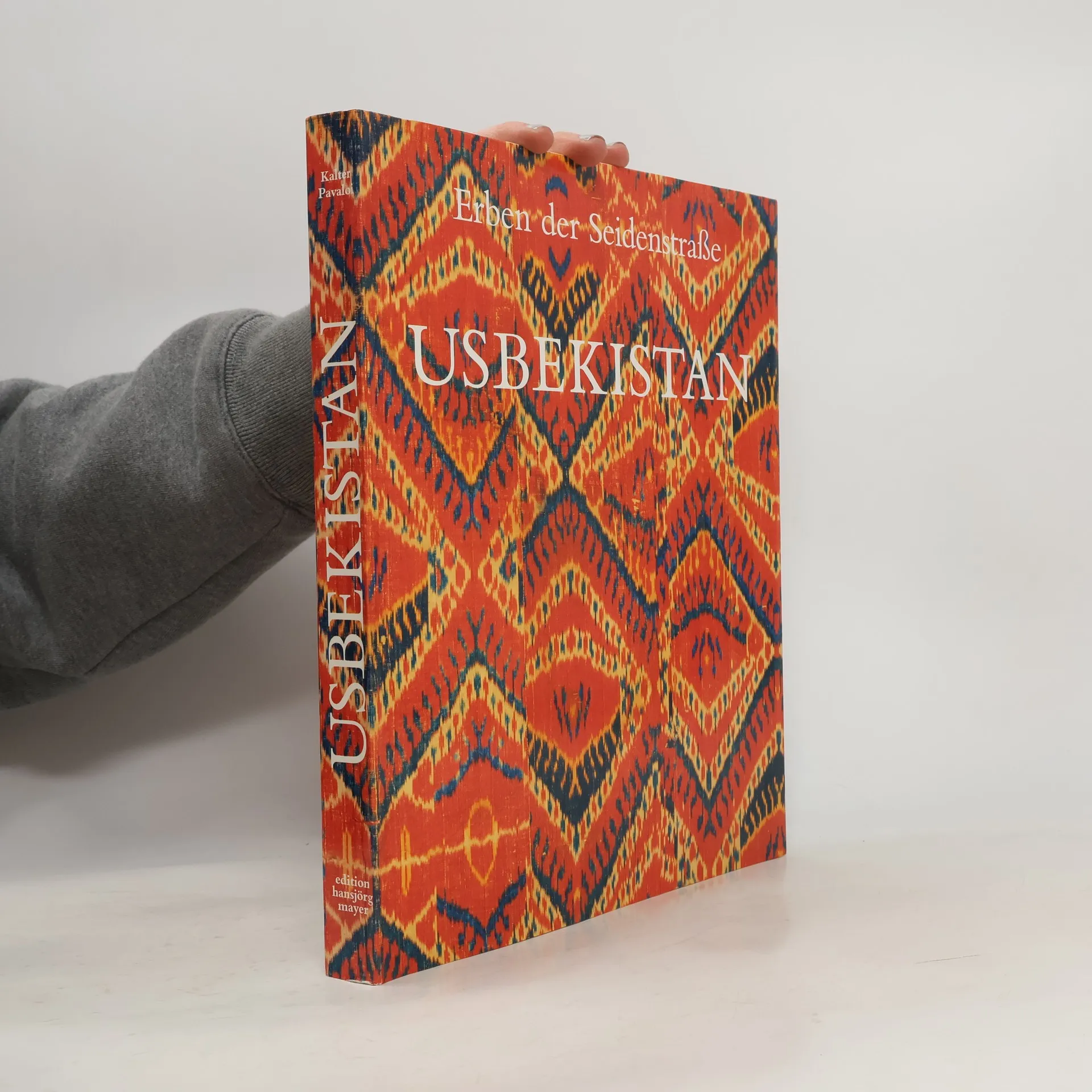
Uzbekistan
- 368 Seiten
- 13 Lesestunden
From the second century, B.C., the Silk Road a more than 4,000-mile link between China and the Roman Empire served the trade of luxury goods, notably silk, and the spread of ideas about religion, culture, and art. The republic of Uzbekistan is home to several ancient urban centers along the Silk Road. The artistic and cultural history of the region through more than two millennia is complemented by 712 illus. 437 in color.