Ein ausgezeichnetes Buch, das viele der wichtigsten Themen der Philosophie der Alltagssprache präsentiert – sehr lesbar. Die Klarheit, der Witz und die Geduld des Schreibens können den Leser nur in einem Punkt täuschen, nämlich in Bezug auf die Menge an harter Arbeit, die hinter diesen Gedanken steckt. Dieses Buch ist das richtige für diejenigen, die von Austins Kritikern übermäßig beeindruckt wurden.
J. L. Austin Bücher
26. März 1911 – 8. Februar 1960
John Langshaw Austin war ein britischer Sprachphilosoph, der für seine Theorie der Sprechakte bekannt ist. Seine Arbeit untersuchte, wie Sprache selbst als eine Form des Handelns fungiert, und legte damit den Grundstein für die moderne Erforschung dieses Bereichs. Austin betonte die Bedeutung der Untersuchung des tatsächlichen Sprachgebrauchs zum Verständnis von Bedeutung und unterschied sich damit von vielen anderen Sprachphilosophen seiner Zeit. Sein vom gesunden Menschenverstand inspirierter Ansatz bot entscheidende Einblicke in die Natur der Kommunikation und der menschlichen Sprache.
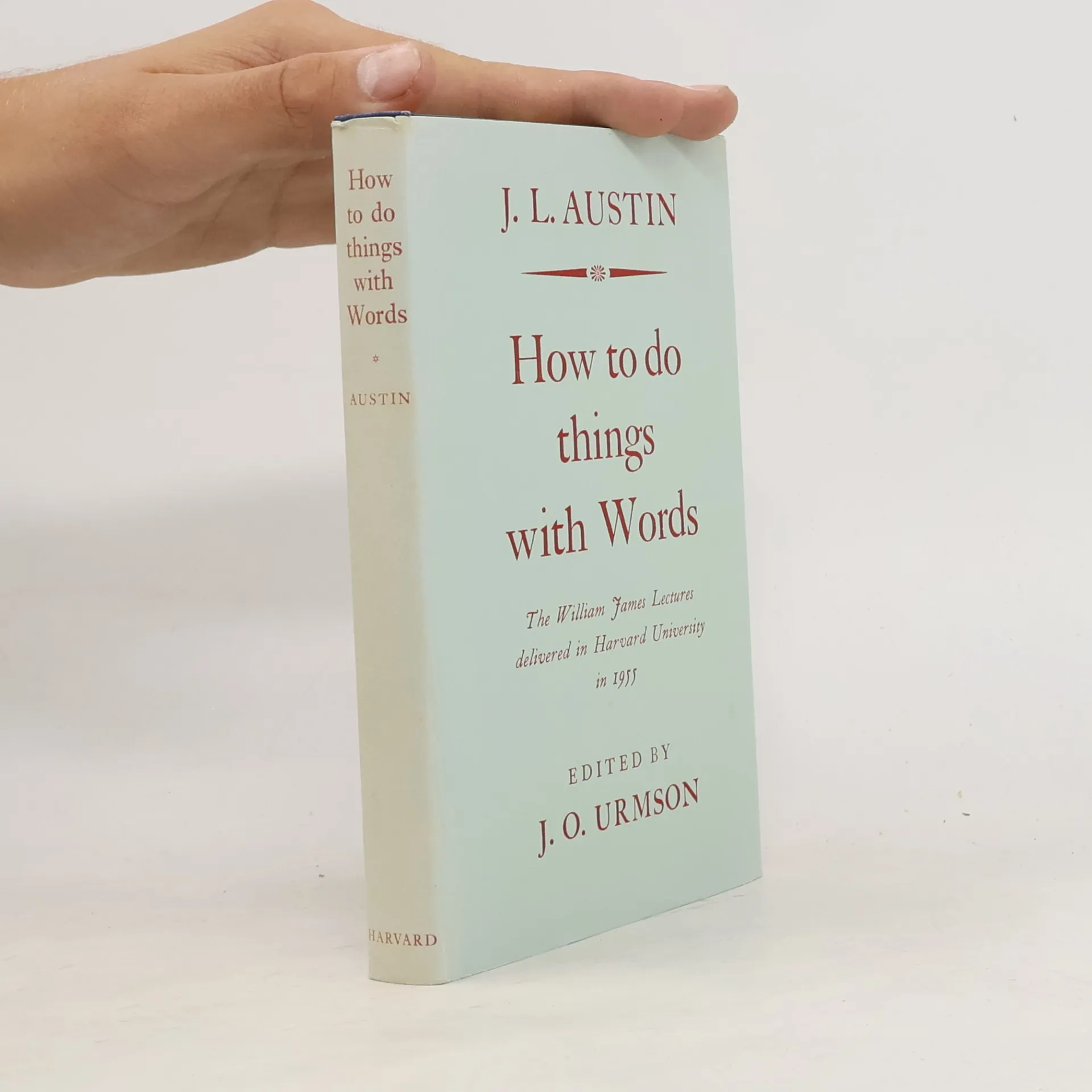

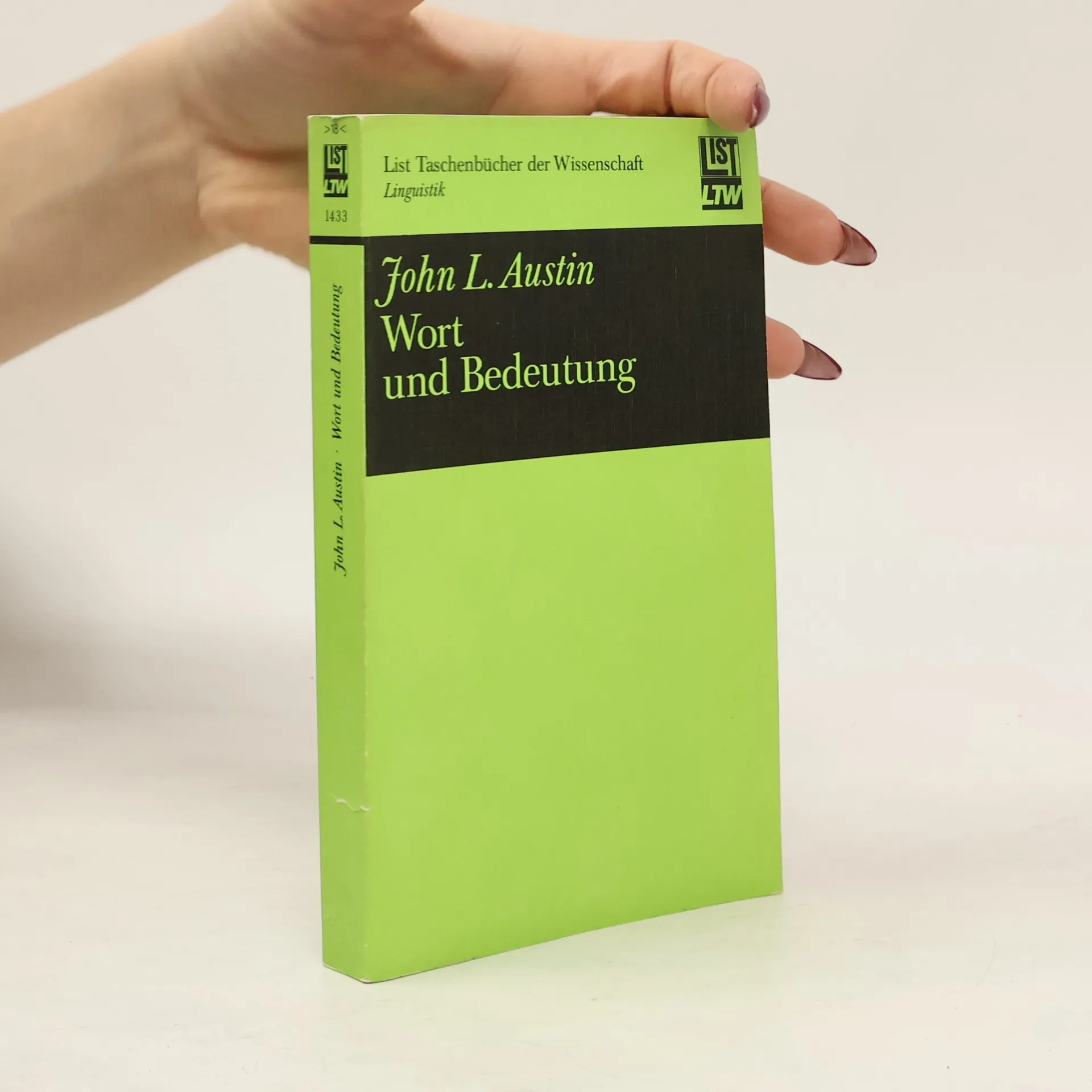

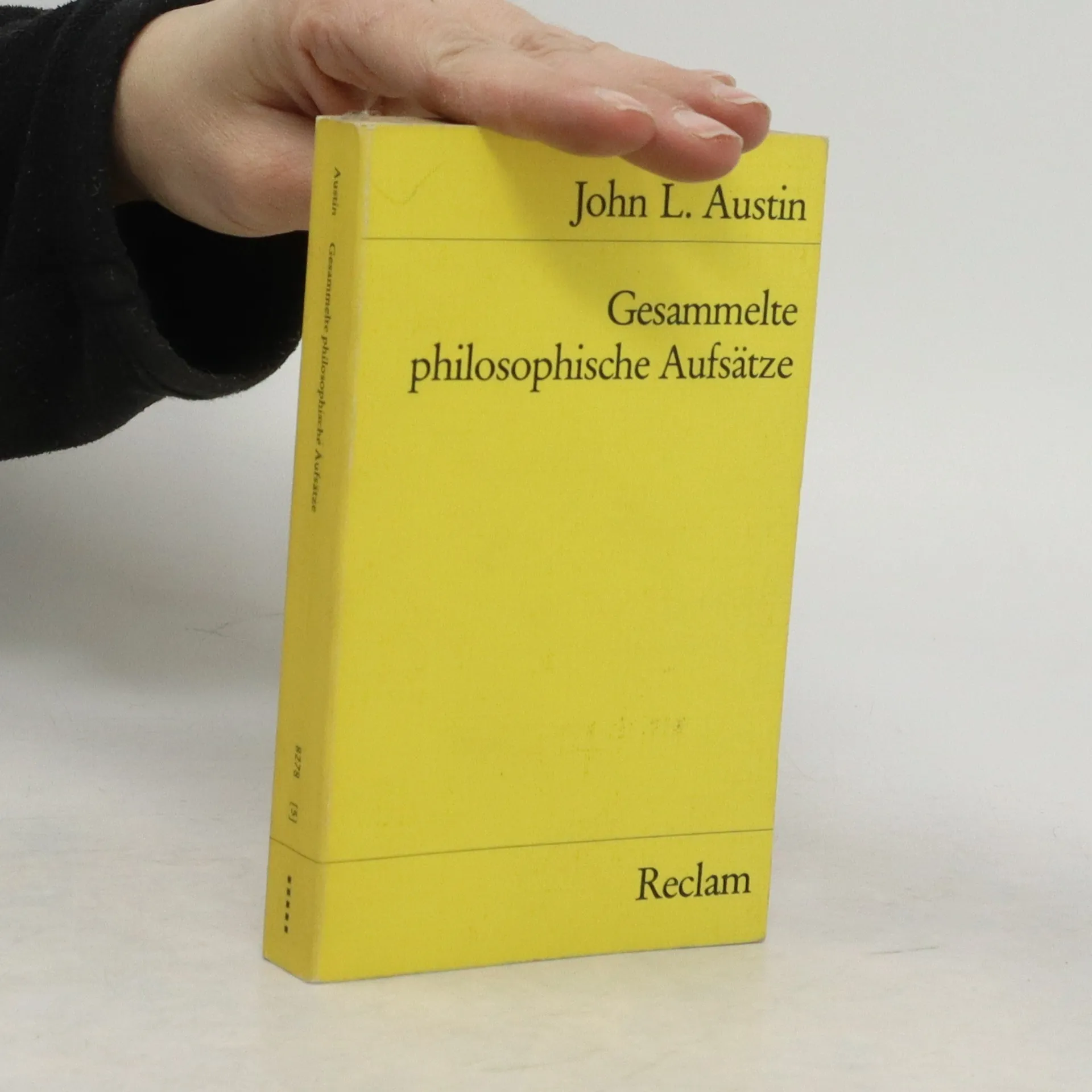
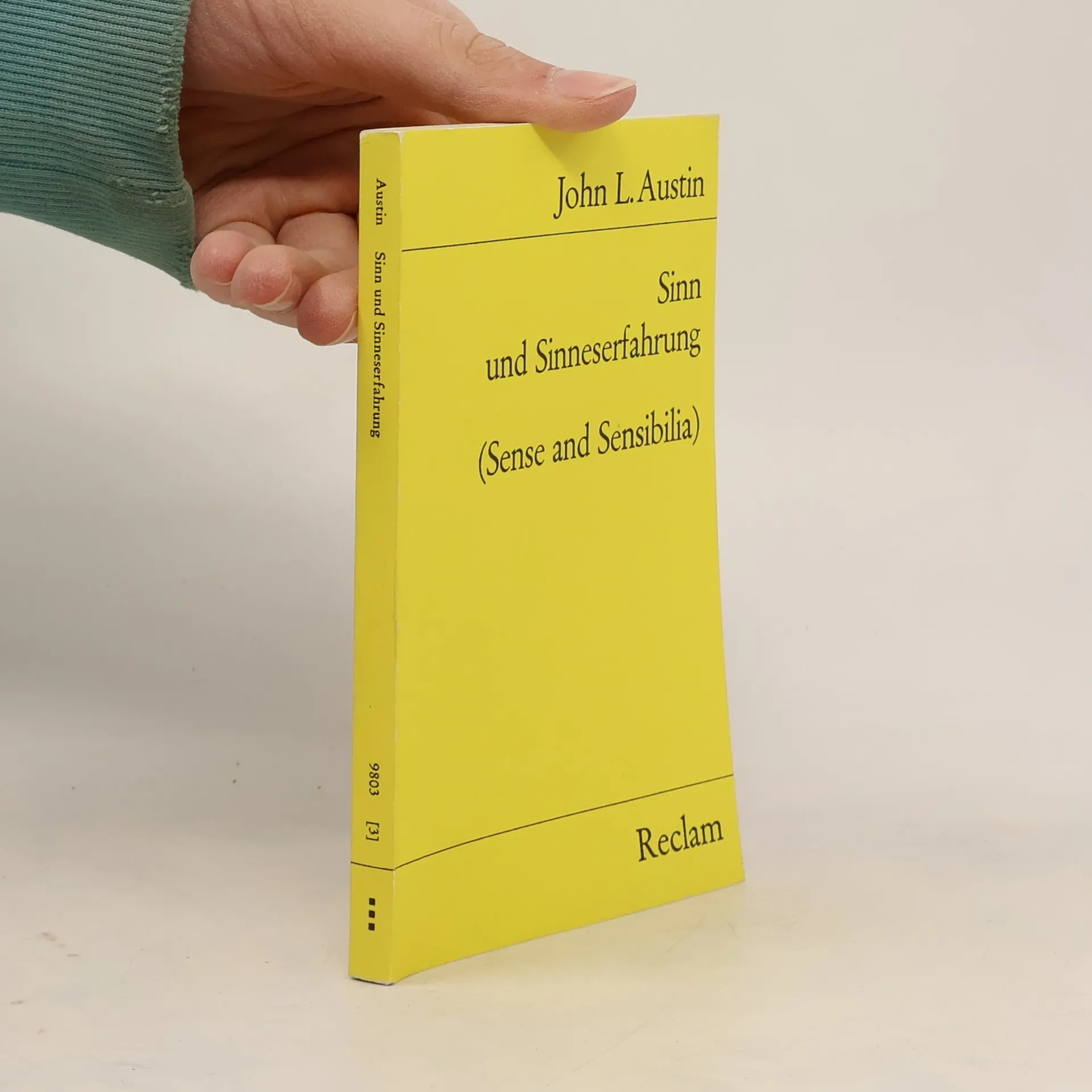
Gesammelte philosophische Aufsätze
- 415 Seiten
- 15 Lesestunden
John L. Austins »Theorie der Sprechakte«, 1955 in zwölf Harvard-Vorlesungen zusammengefaßt, gehört zu den klassischen Äußerungen der Analytischen Philosophie. Seine Methode darzulegen, daß man etwas tut, indem man etwas sagt (»How to do things with Words«), hat die philosophische wie die linguistische Diskussion in gleicher Weise befruchtet. Der Bearbeitung von Eike von Savigny liegen die englischen Ausgaben von 1962 und 1975 zugrunde.
Wort und Bedeutung
- 399 Seiten
- 14 Lesestunden
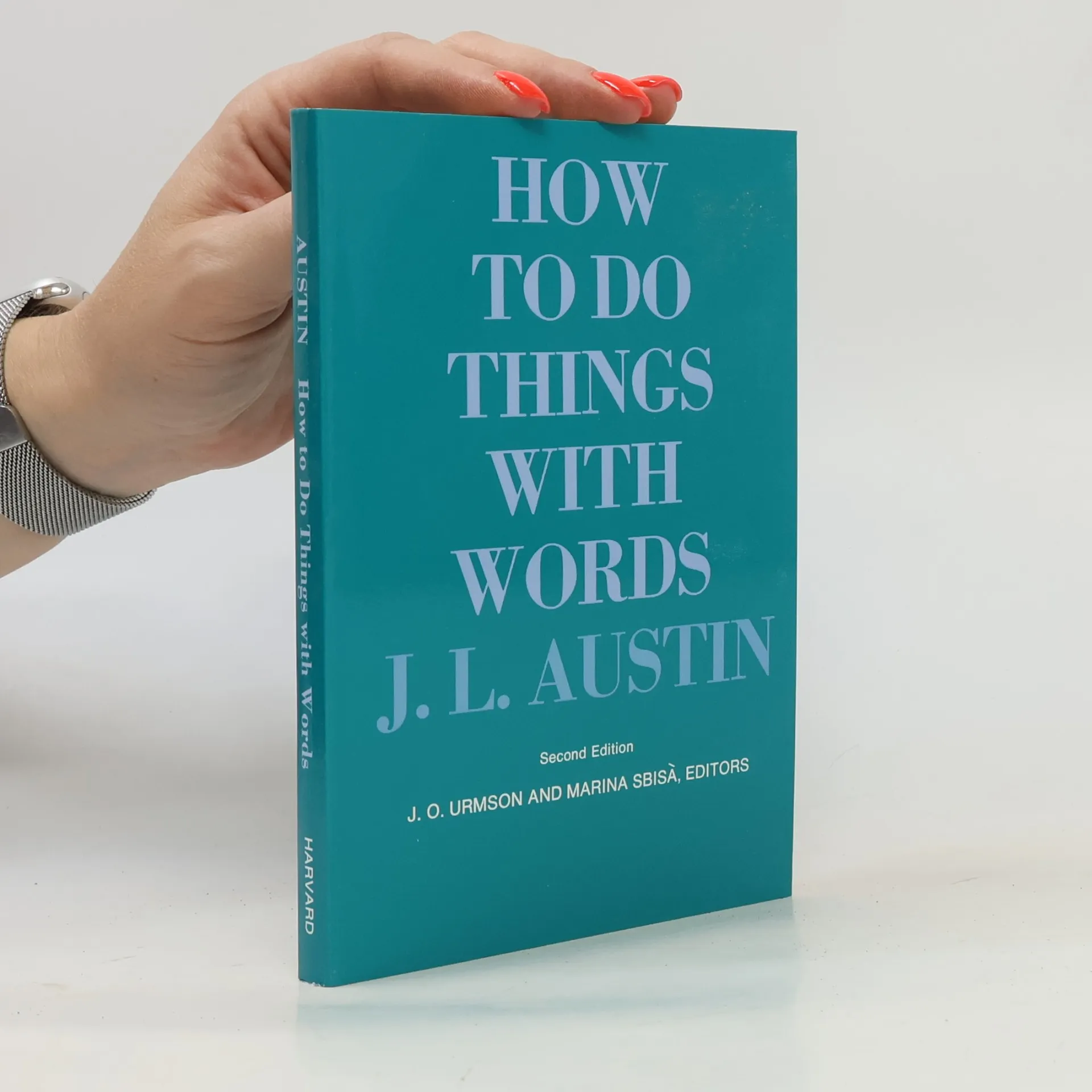
John L. Austin was one of the leading philosophers of the twentieth century. The William James Lectures presented Austin's conclusions in the field to which he directed his main efforts on a wide variety of philosophical problems. These talks became the classic How to Do Things with Words . For this second edition, the editors have returned to Austin's original lecture notes, amending the printed text where it seemed necessary. Students will find the new text clearer, and, at the same time, more faithful to the actual lectures. An appendix contains literal transcriptions of a number of marginal notes made by Austin but not included in the text. Comparison of the text with these annotations provides new dimensions to the study of Austin's work.
How to Do Things with Words - Second Edition
- 168 Seiten
- 6 Lesestunden
John L. Austin was one of the leading philosophers of the twentieth century. The William James Lectures presented Austin's conclusions in the field to which he directed his main efforts on a wide variety of philosophical problems. These talks became the classic How to Do Things with Words . For this second edition, the editors have returned to Austin's original lecture notes, amending the printed text where it seemed necessary. Students will find the new text clearer, and, at the same time, more faithful to the actual lectures. An appendix contains literal transcriptions of a number of marginal notes made by Austin but not included in the text. Comparison of the text with these annotations provides new dimensions to the study of Austin's work.
Jak udělat něco slovy
- 172 Seiten
- 7 Lesestunden
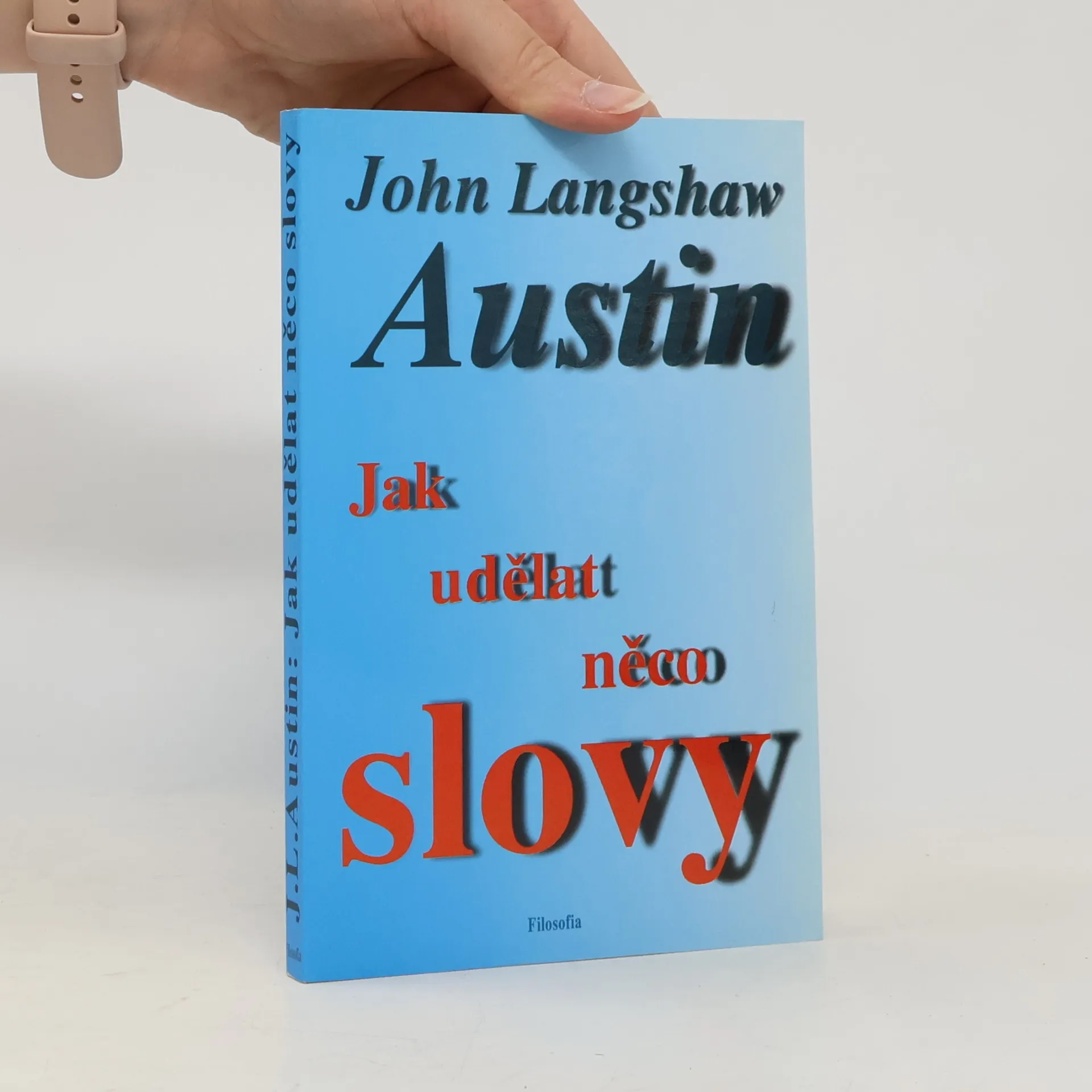
Kniha přednášek britského filosofa, který v obratu k jazyku spatřoval největší revoluci v dějinách filosofie. V lidské řeči existují slova, jež neslouží k pouhému sdělení, neboť jejich prostřednictvím lze i něco udělat (kupř. slib, jmenování do funkce). Tyto performativní výpovědi se opírají o určité obecně přijaté konvence, které postupným vývojem vylučovaly nejednoznačnosti. Protikladné konstativní výpovědi nemají schopnost něco udělat, avšak vyznačují se pravdivostí či nepravdivostí. Performativní výpovědi jsou však rovněž nadány jistou formou pravdivosti (kupř. kompetence mluvčího) a naopak některá tvrzení mají schopnost něco udělat (např. lékařské konstatování smrti). Austin proto koncepci performativních výpovědí rozšiřuje na obecnou teorii toho, v jakém smyslu jakákoli výpověď je zároveň děláním něčeho jiného (např. mocenské rozhodnutí, reakce na jednání) než pronášením slov....
How to Do Things with Words
- 178 Seiten
- 7 Lesestunden
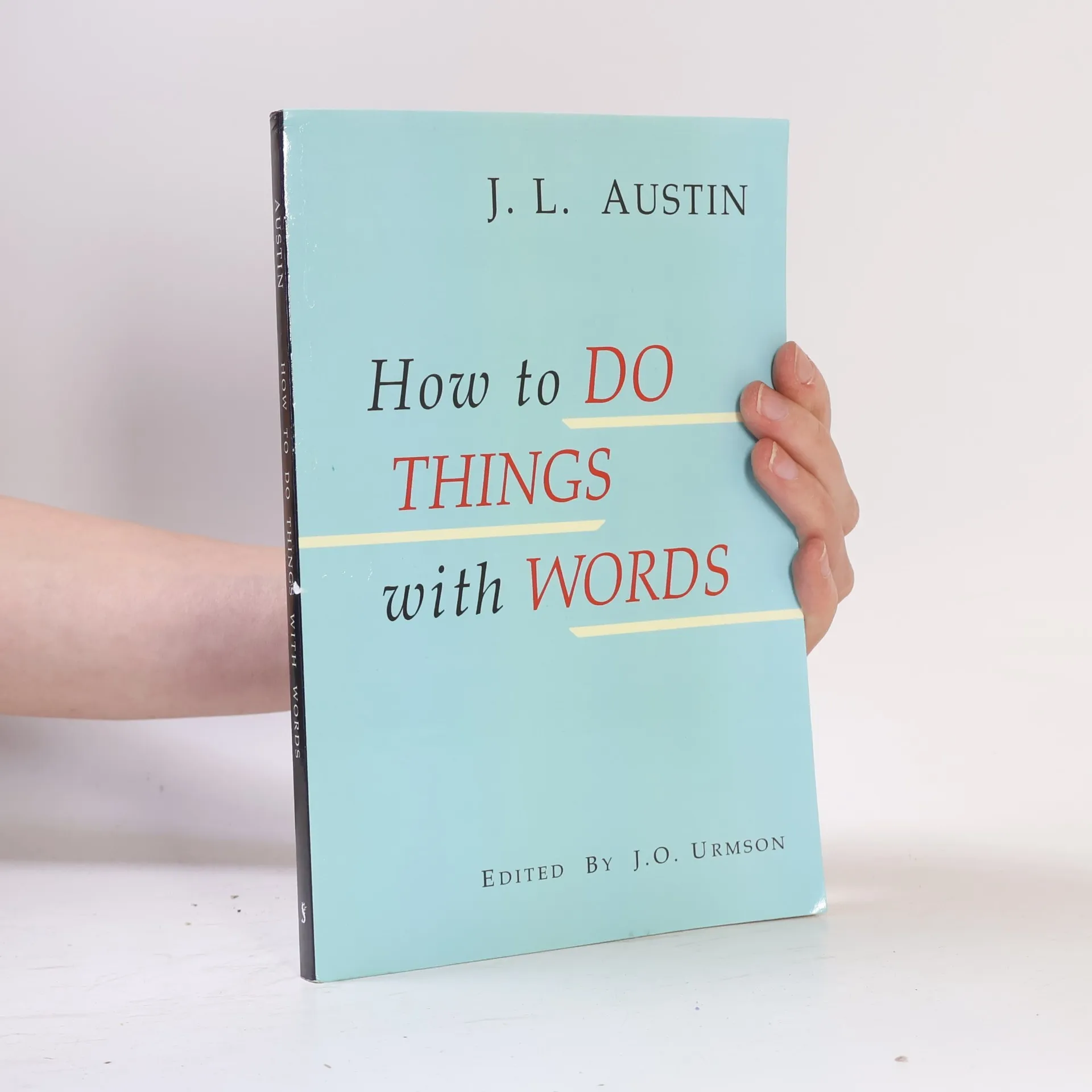
2018 Reprint of 1962 Edition. Full facsimile of the original edition, not reproduced with Optical Recognition software. Reprint of the First Edition. John L. Austin was a British philosopher of language and leading proponent of ordinary language philosophy, perhaps best known for developing the theory of speech acts. Austin pointed out that we use language to do things as well as to assert things, and that the utterance of a statement like "I promise to do so-and-so" is best understood as doing something -- making a promise -- rather than making an assertion about anything. Hence the name of one of his best-known works How to Do Things with Words. Austin, in providing his theory of speech acts, makes a significant challenge to the philosophy of language, far beyond merely elucidating a class of morphological sentence forms that function to do what they name. Austin's work ultimately suggests that all speech and all utterance is the doing of something with words and signs, challenging a metaphysics of language that would posit denotative, propositional assertion as the essence of language and meaning.