

Dieser Band vereint sechsundzwanzig der wichtigsten Arbeiten von Professor Doi zum Thema der japanischen Psyche und dem Thema der Abhängigkeit (amae), die in den letzten fünfzig Jahren veröffentlicht wurden, beginnend mit seinem Aufsatz über die japanische Psychiatrie (1955) und abschließend mit „Sind psychologische Konzepte japanischen Ursprungs relevant?“ (2002).
Takeo Doi Bücher
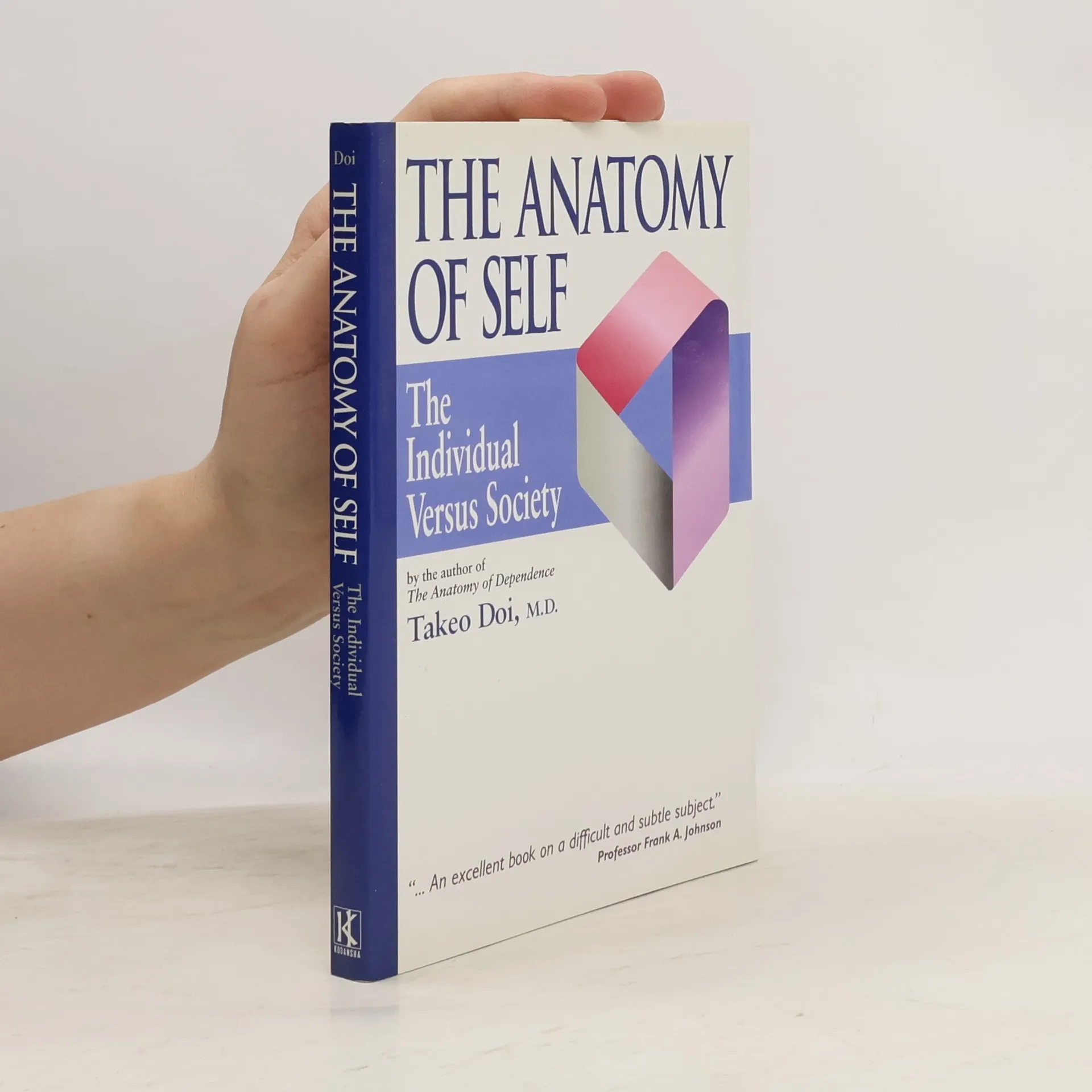

Japan's foremost clinical psychiatrist explores the role of the individual in a society that often seems disconnected from personal identity. The author challenges both self-perceptions and stereotypes about the Japanese, defending the unique strengths of their culture. Drawing from a rich understanding of Japanese traditions and influences from Freud, Weber, Max Picard, and George Orwell, he presents a comprehensive analysis. This work is a sequel to his acclaimed bestseller, where he introduced his theory of passive, dependent love as essential to understanding the Japanese psyche, captivating over 100,000 foreign readers. In this new exploration, the focus remains on the Japanese individual and their relationship with society, emphasizing the duality of public and private perceptions. Doi examines how individuals navigate behaviors that reflect two contradictory modes of perception, contrasting this with Western psychology's view of trauma stemming from such splits. He suggests that, for the Japanese, maturity involves recognizing and reconciling these differences. The text also delves into historical and psychological references, encouraging reflection on Freudian concepts of the unconscious, ultimately enriching the discourse on identity within Japanese culture.
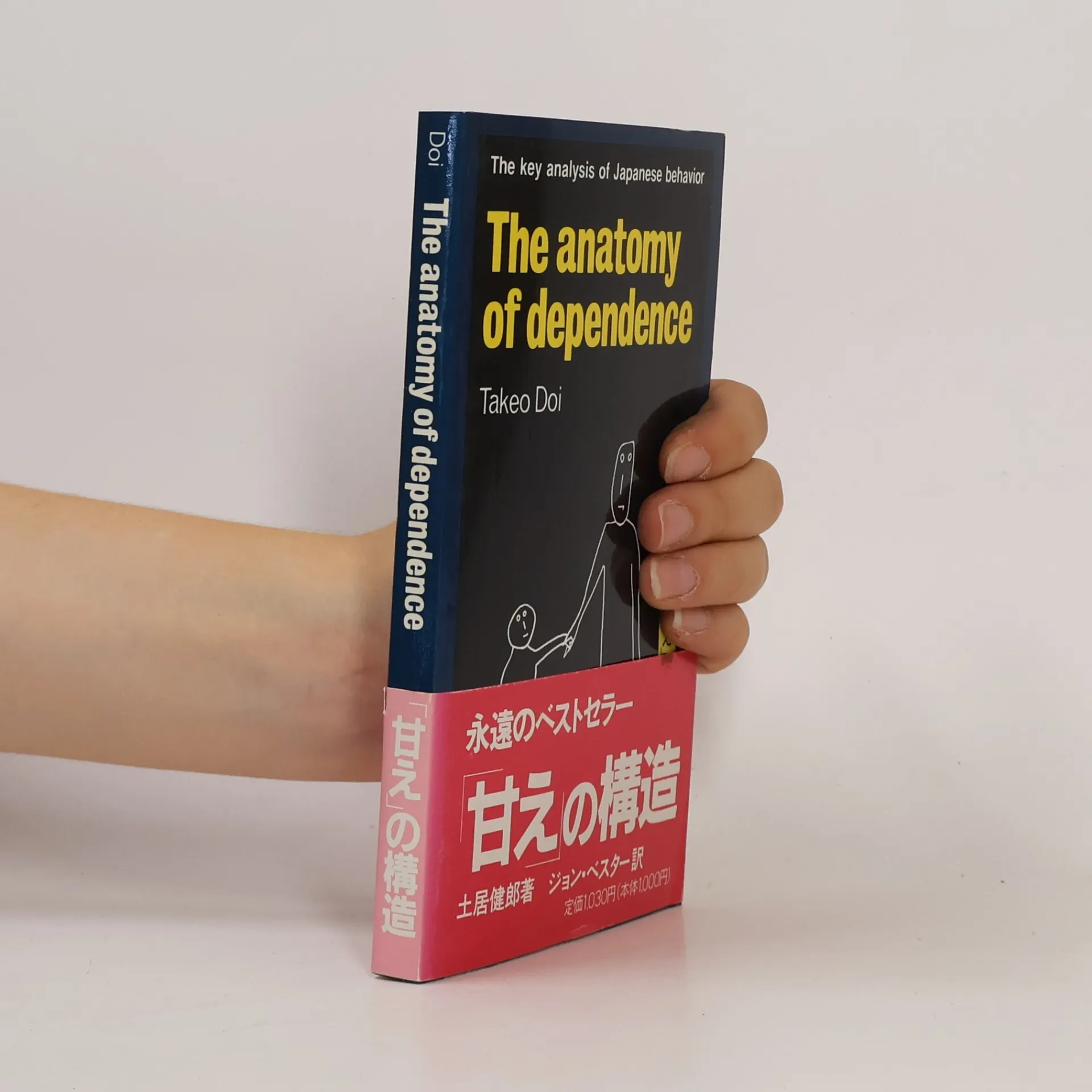
The Anatomy Of Dependence The Key Analysis Of Japanese Behavior
- 180 Seiten
- 7 Lesestunden
A classic study of the Japanese psyche, this work serves as a foundation for understanding Japanese behavior. Dr. Takeo Doi's exploration began with the realization that a key concept of human emotion, easily articulated in Japanese, eluded translation into Western languages. His essay, The Anatomy of Dependence, offers a profound analysis of the Japanese mind and contributes significantly to psychology across cultures. Originally published in Japan as Amae no Kozo (The Structure of Amae), the focus is on "amae" (indulgence) and its related terms. This concept embodies a central emotion in Japanese life—passive love that nurtures individuals within their groups, be it family, community, or society. Doi contrasts this with Western ideals of self-reliance, highlighting cultural differences in attitudes toward interdependence and the acceptance of weaknesses. Despite these differences, he notes that Western audiences resonate with the emotions described and seek ways to articulate similar needs. While "amae" is more nuanced in Japan, Doi's insights are recognized for their universal relevance. This translation of his pivotal essay is celebrated as a significant contribution, offering valuable insights not only into the Japanese psyche but into the human experience as a whole.