

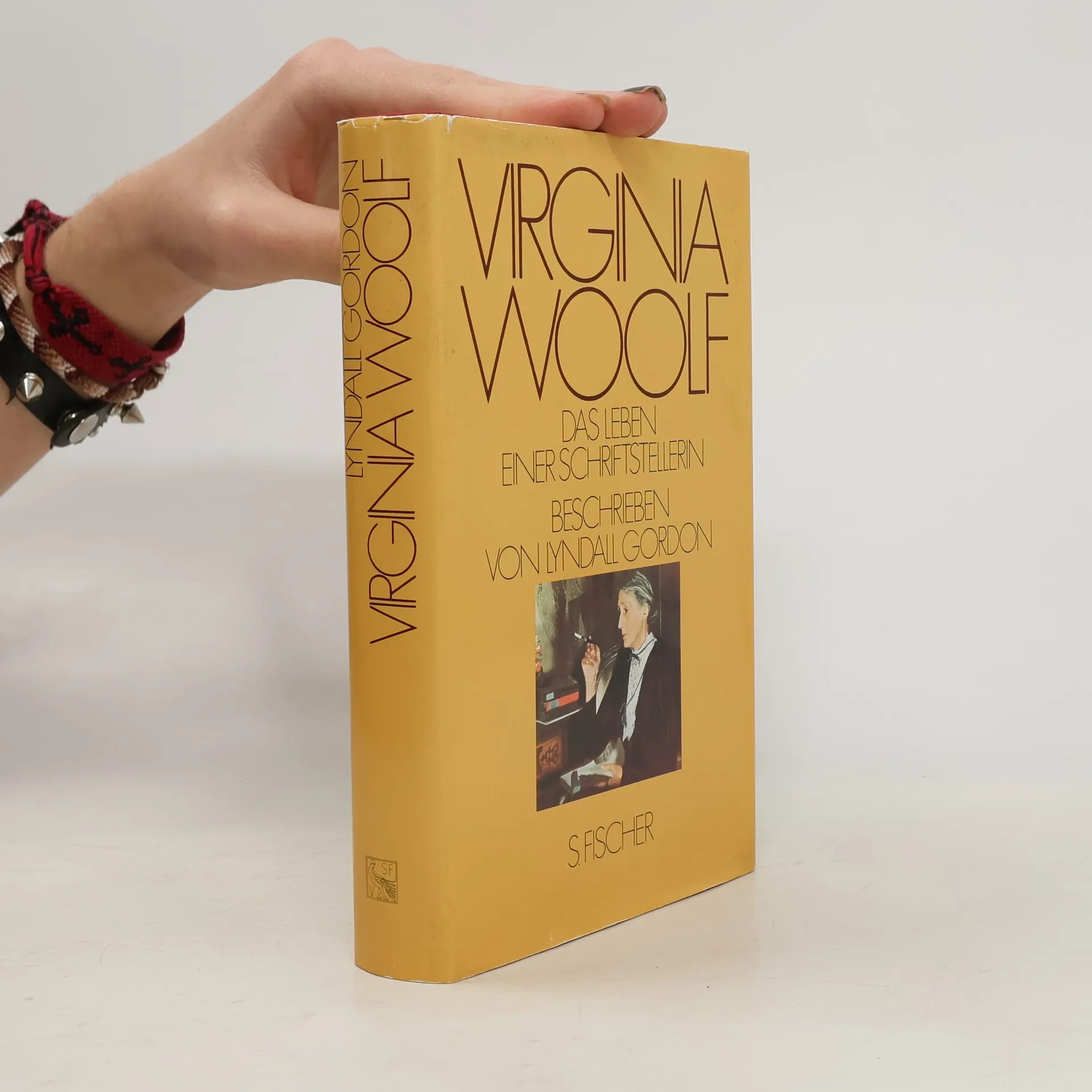
Lyndall Gordon ist bekannt für ihre literarischen Biografien, in denen sie sich intensiv mit dem Leben und Werk bedeutender Autoren auseinandersetzt. Ihre Arbeit zeichnet sich durch sorgfältige Recherche und eine analytische Betrachtung des Schaffensprozesses aus, wobei sie die inneren Motivationen und äußeren Umstände aufdeckt, die die einzigartige Stimme ihrer Subjekte prägten. Gordon untersucht die Verbindungen zwischen Lebenserfahrungen und literarischer Produktion und bietet den Lesern neue Perspektiven auf ihre Lieblingsautoren. Ihr Ansatz basiert auf dem Bestreben, zu verstehen, wie persönliche Kämpfe und Erfolge das künstlerische Werk beeinflussen.
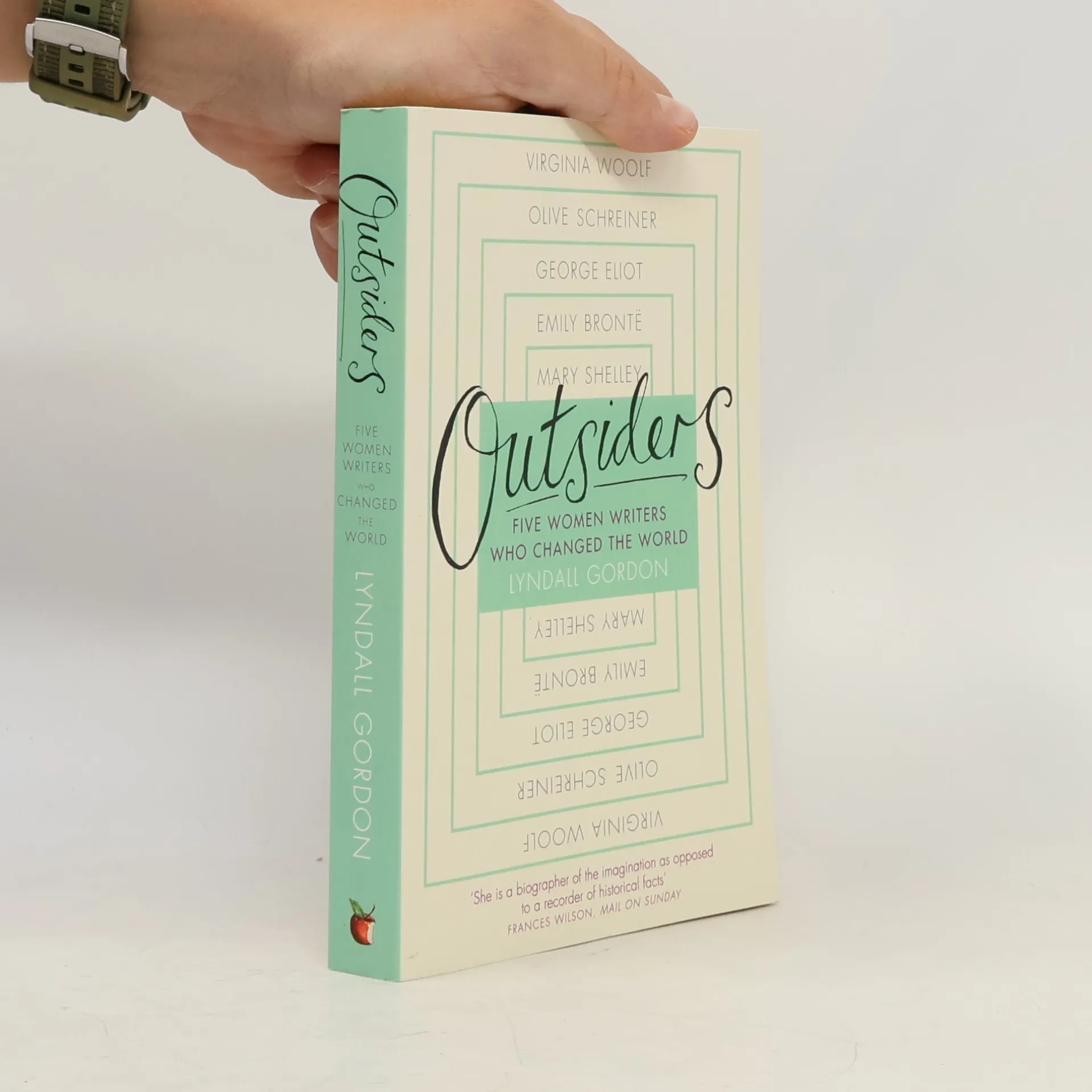
Das Buch bietet eine aufschlussreiche Erkundung von Virginia Woolfs Leben und konzentriert sich auf die entscheidenden Erfahrungen, die ihr literarisches Genie beeinflussten. Es beleuchtet ihre Kindheit, bedeutende familiäre Beziehungen, ihre Ehe und den Kampf mit psychischen Erkrankungen. Durch imaginative Interpretationen entsteht ein nuanciertes Porträt von Woolf, das zeigt, wie diese Elemente miteinander verwoben waren, um ihre Kunst und Identität zu formen. Kritiker haben es für seine Originalität und Tiefe gelobt, was es zu einer fesselnden Lektüre für Interessierte an literarischer Geschichte und persönlicher Erzählung macht.
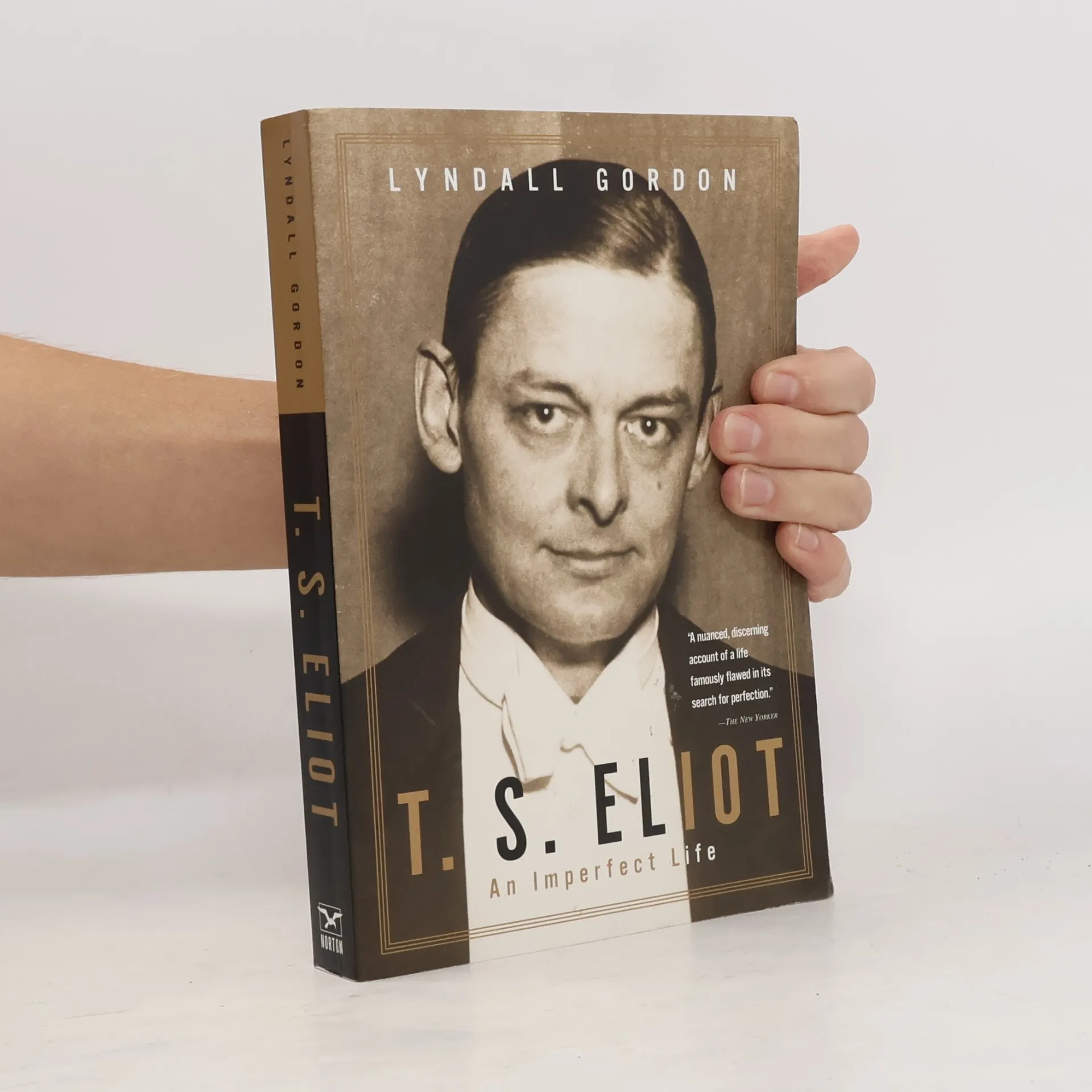
Among the greatest of poets, TS Eliot protected his privacy while publicly associated with three women: two wives and a church-going companion. This presentation concealed a life-long love for an American: Emily Hale, a drama teacher to whom he wrote (and later suppressed) over a thousand letters. Hale was the source of "memory and desire" in The Waste Land; she is the Hyacinth Girl.Drawing on the dramatic new material of the only recently unsealed 1,131 letters Eliot wrote to Hale, leading biographer Lyndall Gordon reveals a hidden Eliot. Emily Hale now becomes the first and consistently important woman of life -- and his art. Gordon also offers new insight into the other spirited women who shaped him: Vivienne, the flamboyant wife with whom he shared a private wasteland; Mary Trevelyan, his companion in prayer; and Valerie Fletcher, the young disciple to whom he proposed when his relationship with Emily foundered. Eliot kept his women apart as each ignited his transformations as poet, expatriate, convert, and, finally, in his latter years, a man 'made for love.'Emily Hale was at the centre of a love drama he conceived and the inspiration for the lines he wrote to last beyond their time. To read Eliot's twice-weekly letters to Emily during the thirties and forties is to enter the heart of the poet's art.
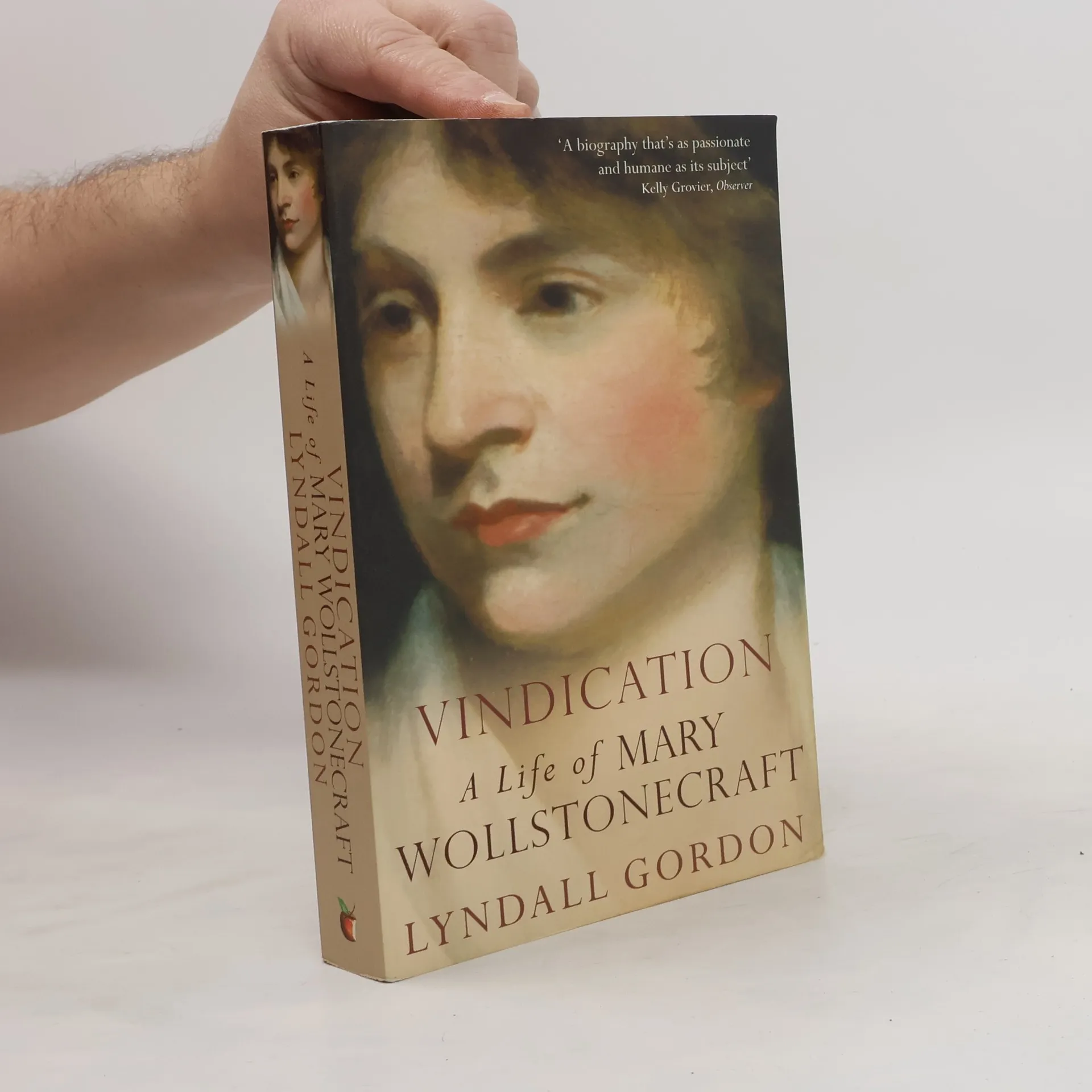
Mary Wollstonecraft (1759-1797), the founder of modern feminism, was a prominent figure in Europe and America during her time. In this compelling biography, Lyndall Gordon illustrates Wollstonecraft's life as a teacher, writer, lover, and traveler, emphasizing her originality and progressive ideas on education, single motherhood, family roles, and relationships—concepts that resonate with contemporary society. She explored new dynamics between men and women, famously stating, "Imagination must lead the senses." This biography captures the essence of Wollstonecraft's experiences, from her role as a governess in Ireland to her independent writing in London and her observations during the French Revolution. Despite her early death, her influence persisted through her daughter, Mary Shelley, and others who navigated a counter-revolutionary era. The work reveals the impact of early American political thought in England and highlights Wollstonecraft's writings, particularly her "Vindication of the Rights of Woman," on figures like John and Abigail Adams. Gordon also delves into the lives of young American adventurers in late-eighteenth-century Europe, offering a fresh perspective on their contributions. This biography defends Wollstonecraft against past criticisms, reassessing her life through her strengths and reinterpreting her legacy for modern readers.