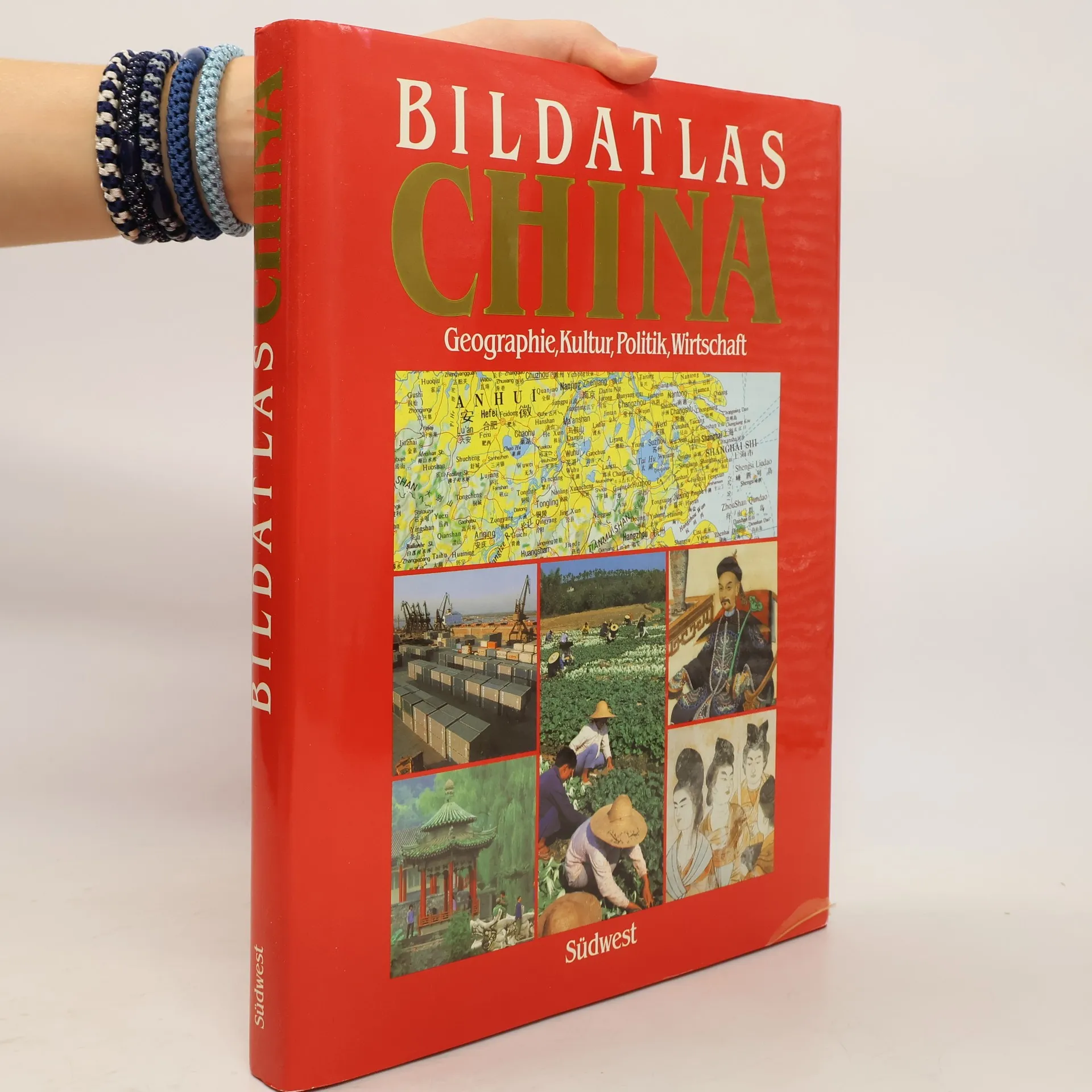
Bildatlas China
- 200 Seiten
- 7 Lesestunden
24 S. Ktn, 94 farb. u. 30 schw.-w. Abb., 105 Übersichtsktn


24 S. Ktn, 94 farb. u. 30 schw.-w. Abb., 105 Übersichtsktn
Sivin, Nathan, ed., Contemporary Atlas of China, The
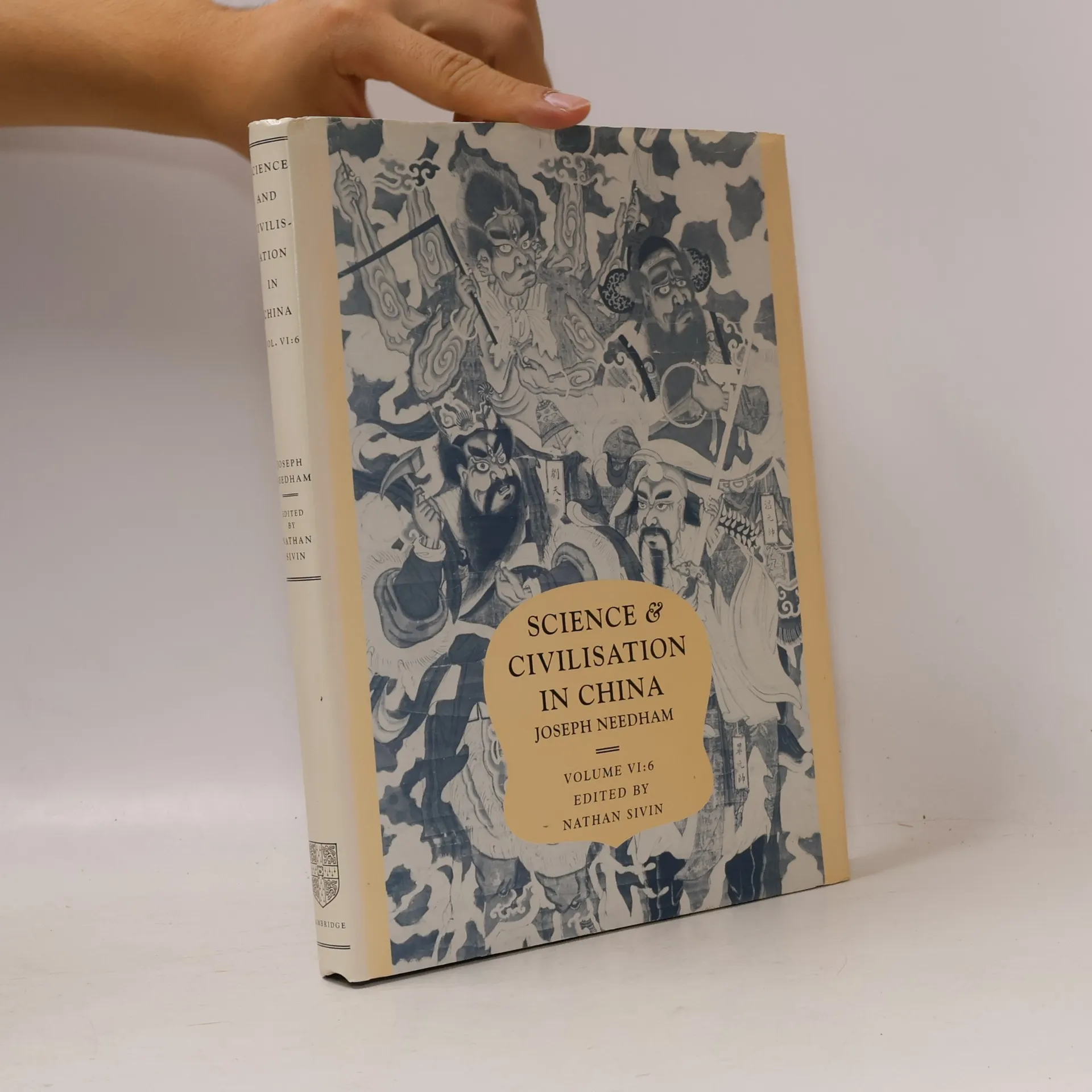
Biology and Biological Technology, Part 6
The latest volume in Joseph Needham's magisterial revelation of China's premodern scientific and technological traditions introduces medicine. Five essays are included by Joseph Needham and Lu Gwei-djen, edited and expanded upon by the editor, Nathan Sivin. The essays offer broad and readable accounts of medicine in culture, including hygiene and preventive medicine, forensic medicine and immunology. Professor Sivin's extensive introduction discusses these essays, placing them in their historical and medical context, and surveys recent medical discoveries from China, Japan, Europe and the United States.
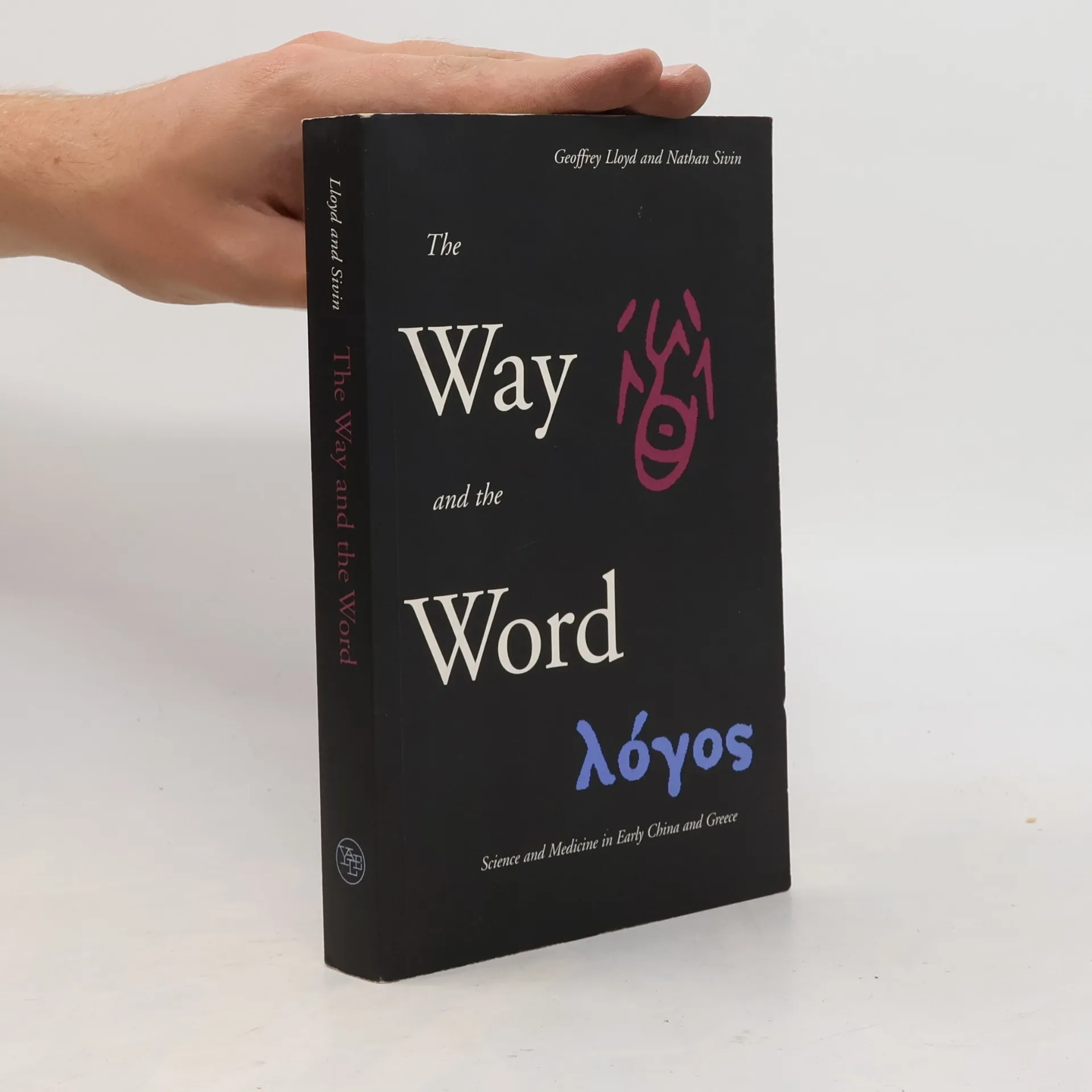
The rich civilizations of ancient China and Greece developed sophisticated sciences based on distinct foundations of concept, method, and organization. This engrossing work by two renowned scholars compares the cosmology, science, and medicine of these civilizations from 400 B.C. to A.D. 200, shedding light on their evolving scientific character. Sir Geoffrey Lloyd and Nathan Sivin explore the motivations of thinkers from both cultures, their understanding of the cosmos and human body, their educational backgrounds, livelihoods, and the intellectual debates they engaged in. Their innovative approach compares social, political, and intellectual patterns, illustrating how these elements influenced ideas about cosmology and the physical world. The authors highlight how the conceptual differences between China and Greece relate to the ways intellectuals earned a living, interacted with peers, and engaged with authority structures. By A.D. 200, both civilizations exhibited unique scientific strengths with equal potential for theory and practice. Lloyd and Sivin contend that modern science did not emerge solely from the Greek tradition but rather from a confluence of strengths across China, Greece, India, Islam, and other cultures, culminating first in the Muslim world and later in Renaissance Europe.