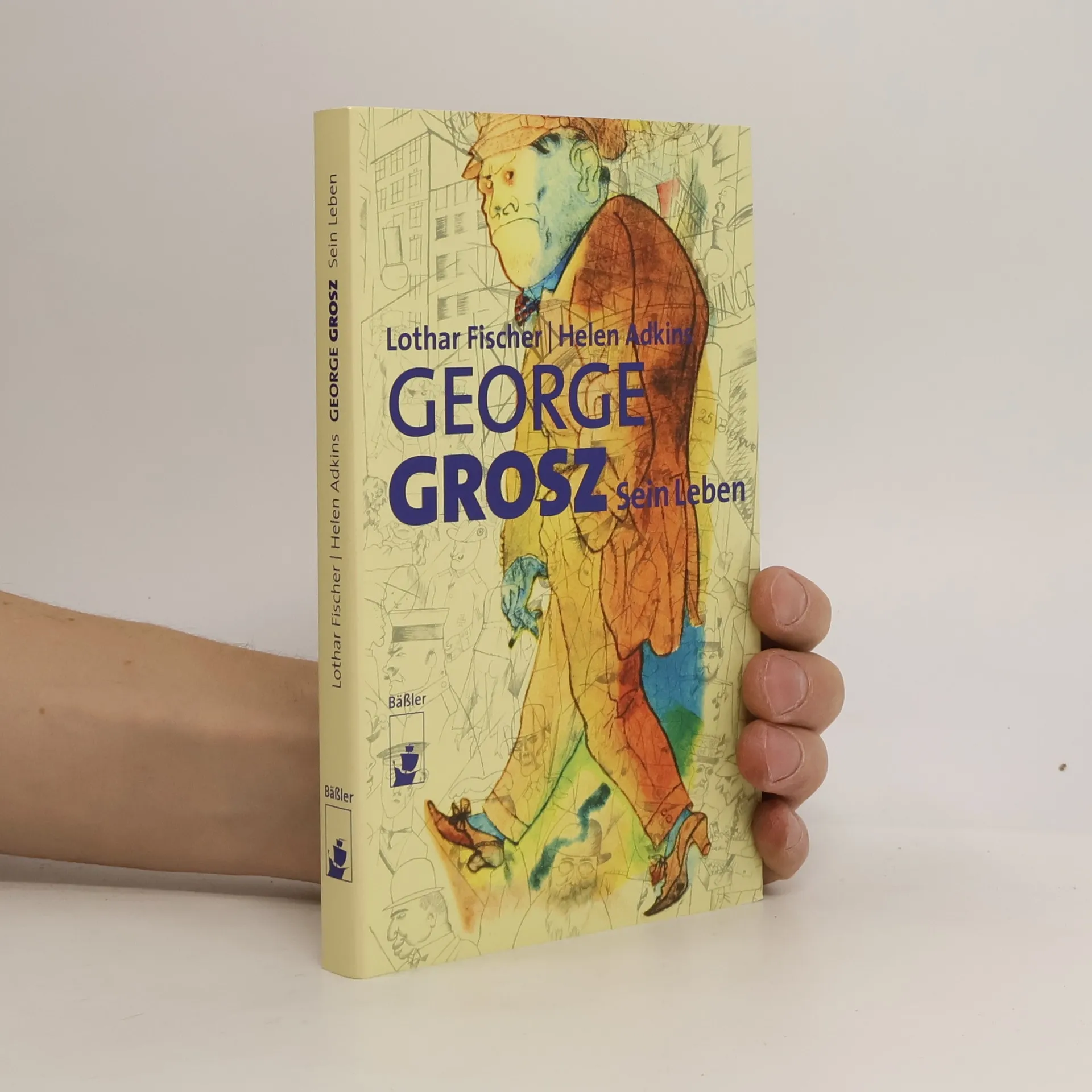
Fast 60 Jahre nach seinem Tode erinnert diese Monografie an George Grosz, den bedeutendsten deutschen Zeichner des 20. Jahrhunderts. Die Autoren schildern lebendig den durch die politischen Zeitumstände bewegten Lebensweg des Künstlers und lassen den Leser eintauchen in die Gesellschaft der 1920er Jahre, die geprägt waren von Inflation und dem krassen Gegensatz von arm und reich, mit einer aufblühenden Kunst- und Kulturszene vor allem in Berlin. Die Aktualität seiner Kunst lässt ihn heute – auch für die junge Generation – als einen großen Humanisten und Mahner erscheinen.
Helen Adkins Bücher

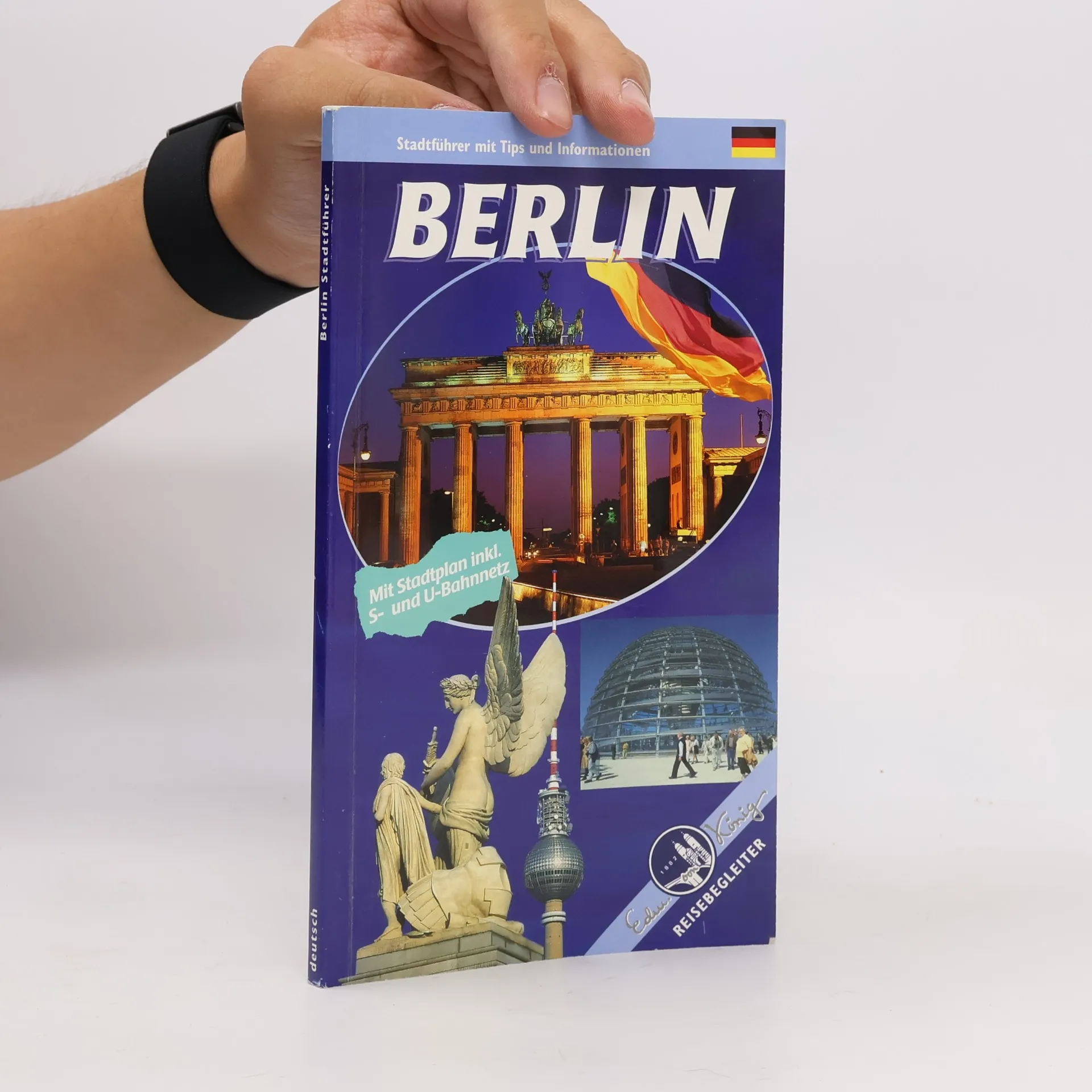
Berlin
- 124 Seiten
- 5 Lesestunden
Preußens Eros, Preußens Musen
- 246 Seiten
- 9 Lesestunden
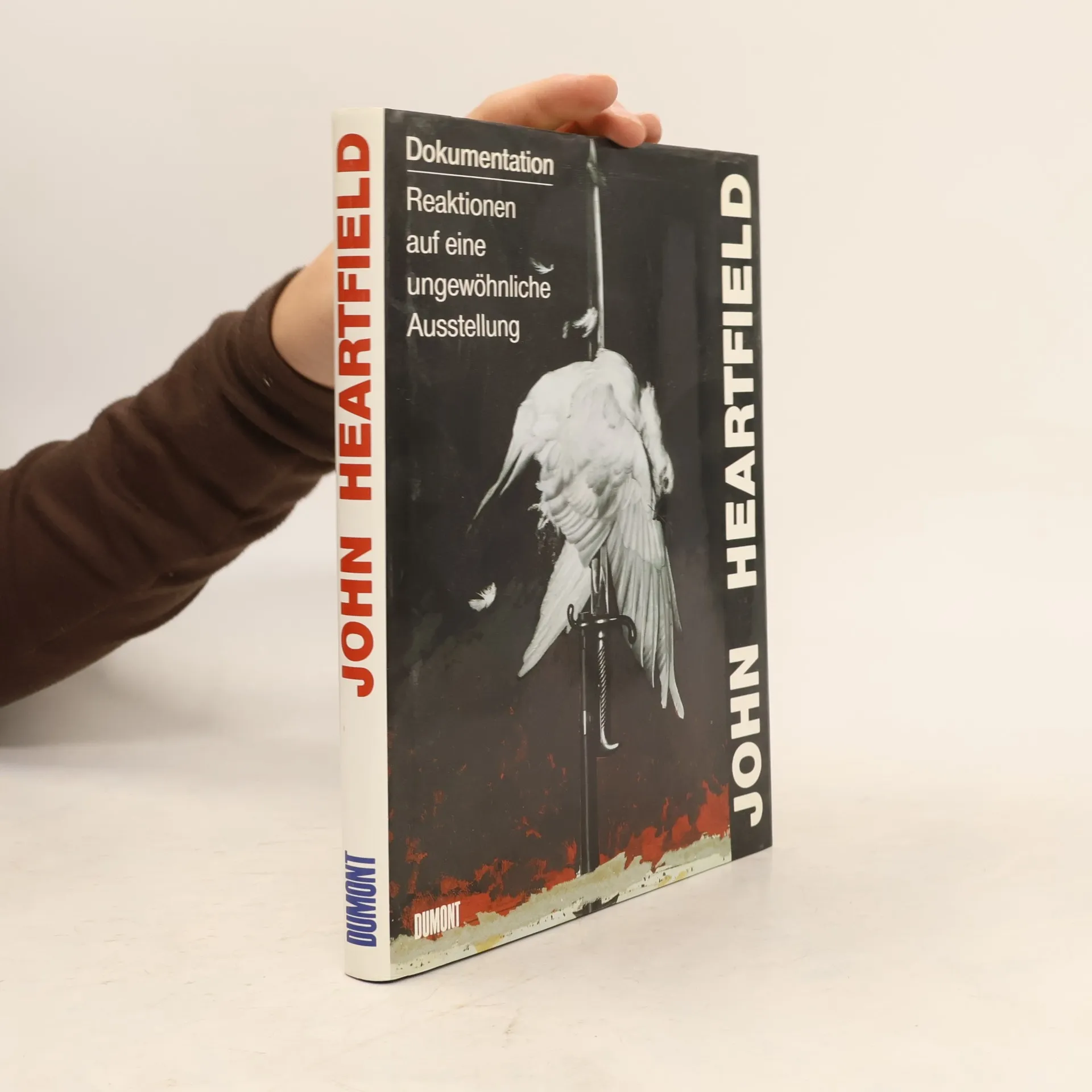
John Heartfield
- 160 Seiten
- 6 Lesestunden
Der deutsche Künstler John Heartfield (Helmut Herzfeld, 1891-1968) ist vor allem als einer der Erfinder der Fotomontage bekannt – Bilder, die aus Fragmenten von Fotografien und anderem visuellem Material bestehen. Dieses Buch ist eine Studie über das Werk des Künstlers.
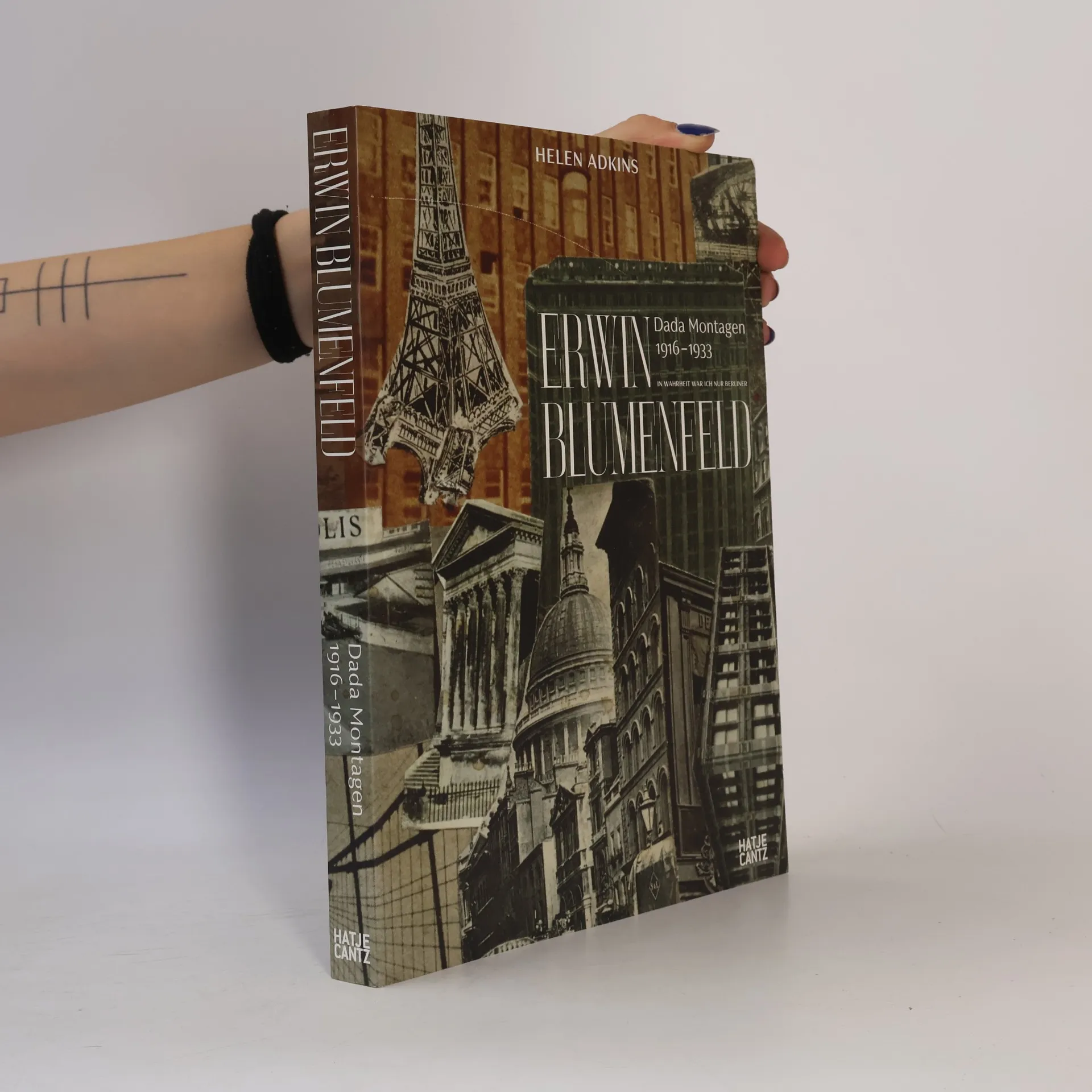
Erwin Blumenfeld, In Wahrheit war ich nur Berliner
in Wahrheit war ich nur Berliner : Dada-montages, 1916-1933
- 223 Seiten
- 8 Lesestunden
In den 1940er- und 1950er-Jahren gehörte Erwin Blumenfeld (1897–1969) zu den gefragtesten Modefotografen der Welt. Weit weniger bekannt ist das Frühwerk des in Berlin aufgewachsenen Künstlers jüdischer Herkunft: die wundervollen, oft von beißendem Humor geprägten Dada-Montagen, die zwischen 1916 und 1933 entstanden. Das Buch von Helen Adkins, einer ausgewiesenen Kennerin der Berliner Dada-Bewegung, widmet sich erstmals umfassend diesen frühen Papierarbeiten, die der Künstler nicht für die Öffentlichkeit schuf, sondern nur als persönliches Geschenk oder (Liebes-)Briefbeilage an seine Verlobte, an Freunde und Bekannte aus der Hand gab. Die rund 100 Blätter – unter ihnen zahlreiche bisher unveröffentlichte Montagen, die die Autorin im Familienarchiv des Künstlers sowie in weiteren öffentlichen und privaten Sammlungen ausfindig gemacht hat – werden im Kontext der Biografie Blumenfelds, seiner zeitgleich entstandenen Fotografien, Zeichnungen und dem literarischen Werk eingehend betrachtet. (Englische Ausgabe ISBN 978-3-7757-2127-1) Ausstellung: Berlinische Galerie, Landesmuseum für Moderne Kunst, Photographie und Architektur, Berlin 27.2.–1.6.2009 · Weitere Stationen in Planung
Erwin Blumenfeld, I Was Nothing but a Berliner
- 224 Seiten
- 8 Lesestunden
Erwin Blumenfeld (1897–1969) was born into a Jewish family in Berlin. In 1941, he left Europe for the United States, where five years later he became a citizen. During the forties and fifties, he was one of the most sought-after fashion photographers in the world. However, most people are not familiar with the artist’s early work: the often bitingly humorous Dada montages he produced between 1916 and 1933. This book by Helen Adkins, a renowned expert on the Berlin Dada movement, is the first to provide an extensive study of these early works. Blumenfeld did not intend for them to be shown publicly—they were personal gifts to his friends and acquaintances or enclosed in love letters to his fiancée. The approximately one hundred works—including many that have not previously been published and which the author discovered in the artist’s family archives and in other public and private collections—will be examined within the context of Blumenfeld’s life, photographs, drawings, and literary works. (German edition ISBN 978-3-7757-2126-4) Exhibition schedule: Berlinische Galerie, Landesmuseum für Moderne Kunst, Photographie und Architektur, Berlin, February 27–June 1, 2009 · Further venues planned
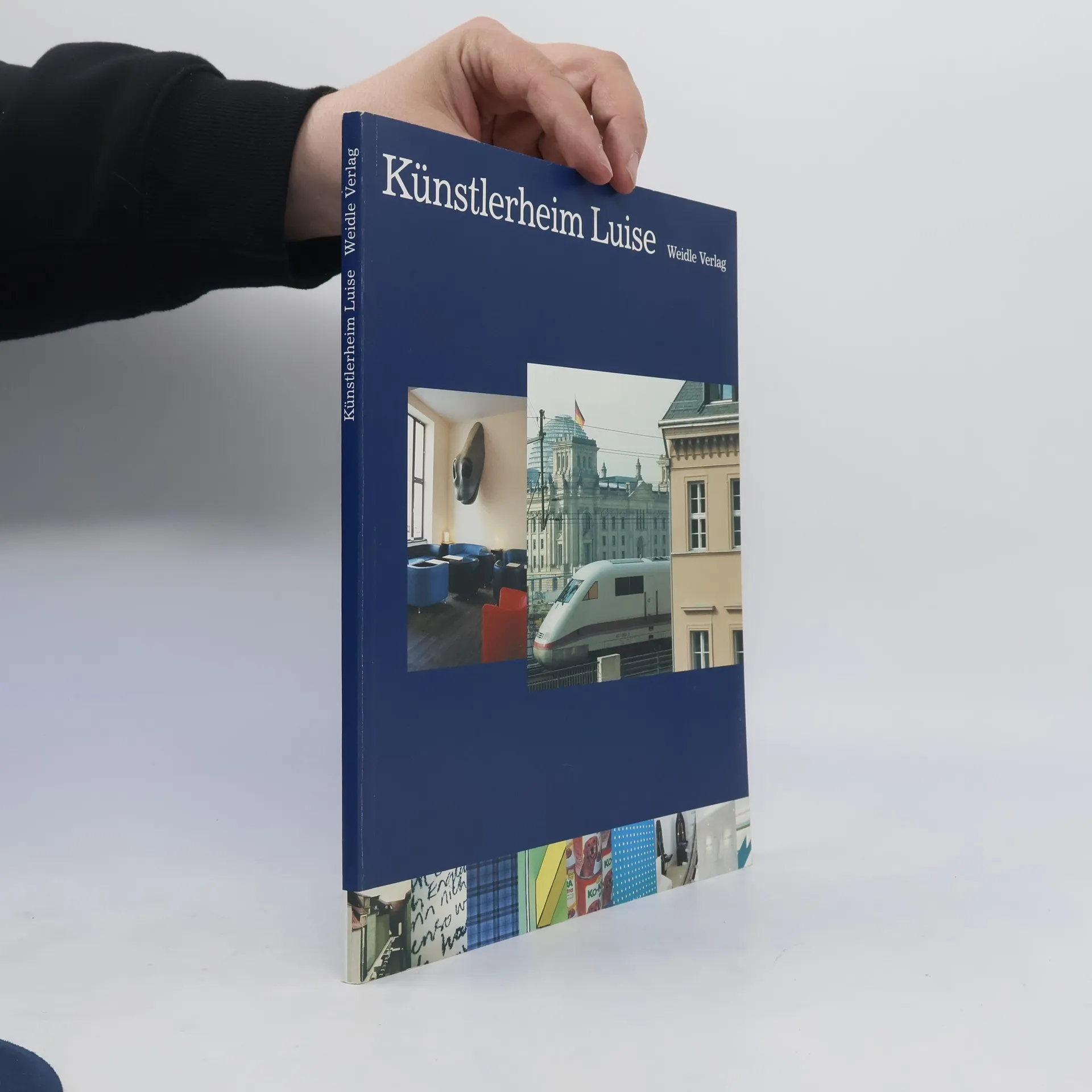
Künstlerheim Luise
- 95 Seiten
- 4 Lesestunden