Exploring the concept of ethnicity, this study examines a diverse range of ancient sources, including Greek, Roman, Jewish, and early Christian texts. By focusing on the perspectives of historical figures like Herodotus and Cicero, it seeks to understand how collective identity was perceived in antiquity. The central question revolves around whether identity was based on common ancestry or shared cultural traditions, challenging modern interpretations and frameworks.
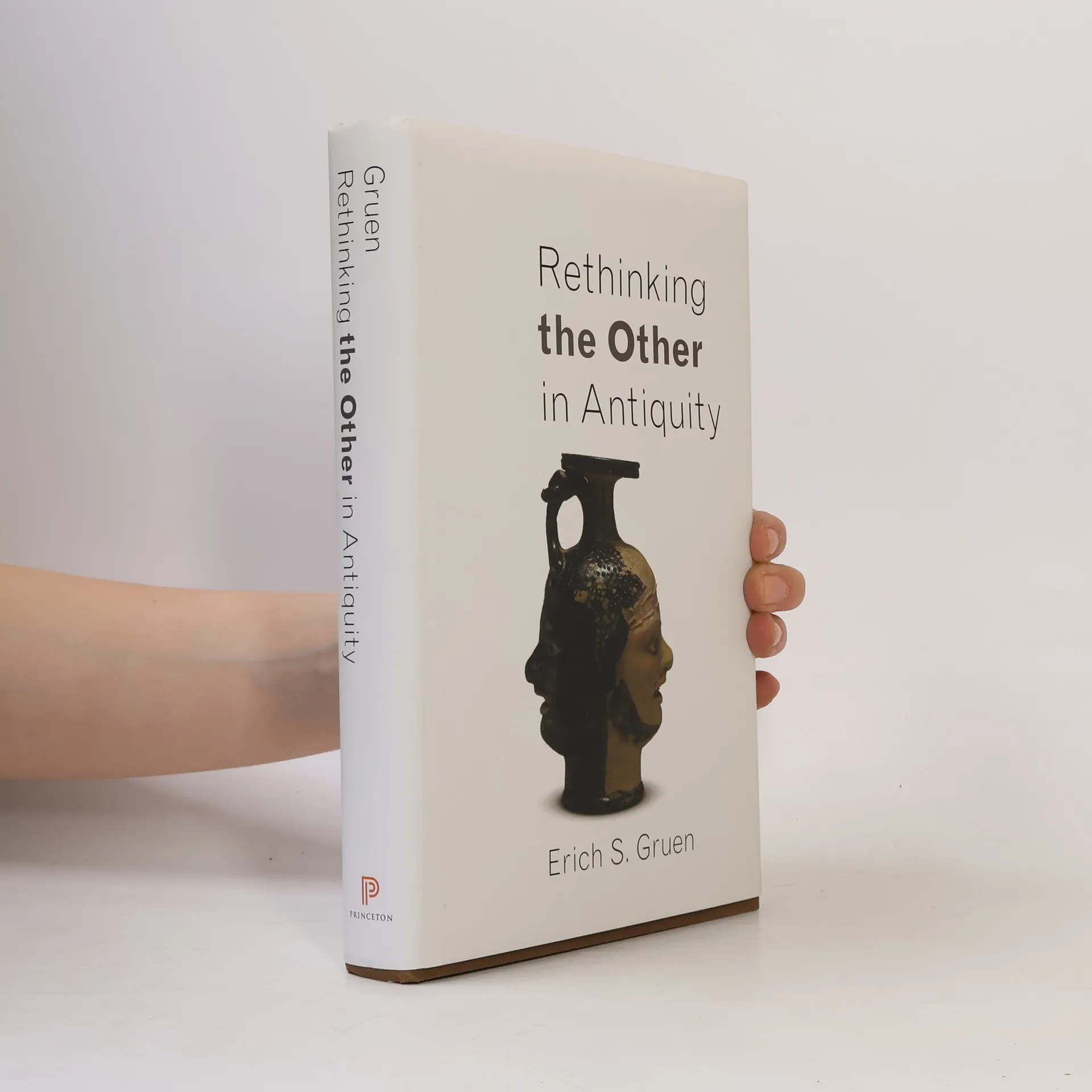
Prevalent among classicists is the notion that Greeks, Romans, and Jews enhanced their self-perception by contrasting themselves with the so-called Other—Egyptians, Phoenicians, Ethiopians, Gauls, and other foreigners—often through hostile stereotypes and caricature. In this provocative work, Erich Gruen demonstrates how the ancients found connections rather than contrasts, expressing admiration for the achievements of other societies and discerning kinship relations with diverse peoples. Gruen illustrates how they incorporated foreign traditions and imagined blood ties through myth, legend, and fictive histories. He examines creative tales, such as the founding of Thebes by the Phoenician Cadmus, Rome's Trojan and Arcadian origins, and Abraham as an ancestor to the Spartans. Gruen provides in-depth readings of major texts by Aeschylus, Herodotus, Xenophon, Plutarch, Julius Caesar, Tacitus, and portions of the Hebrew Bible, revealing nuanced portraits of the alien that transcend stereotypes. This insightful exploration of ancient attitudes reveals that perceptions of the Other often expressed mutuality and connection rather than mere contrast and alienation, challenging prevailing assumptions about ancient cultural interactions.
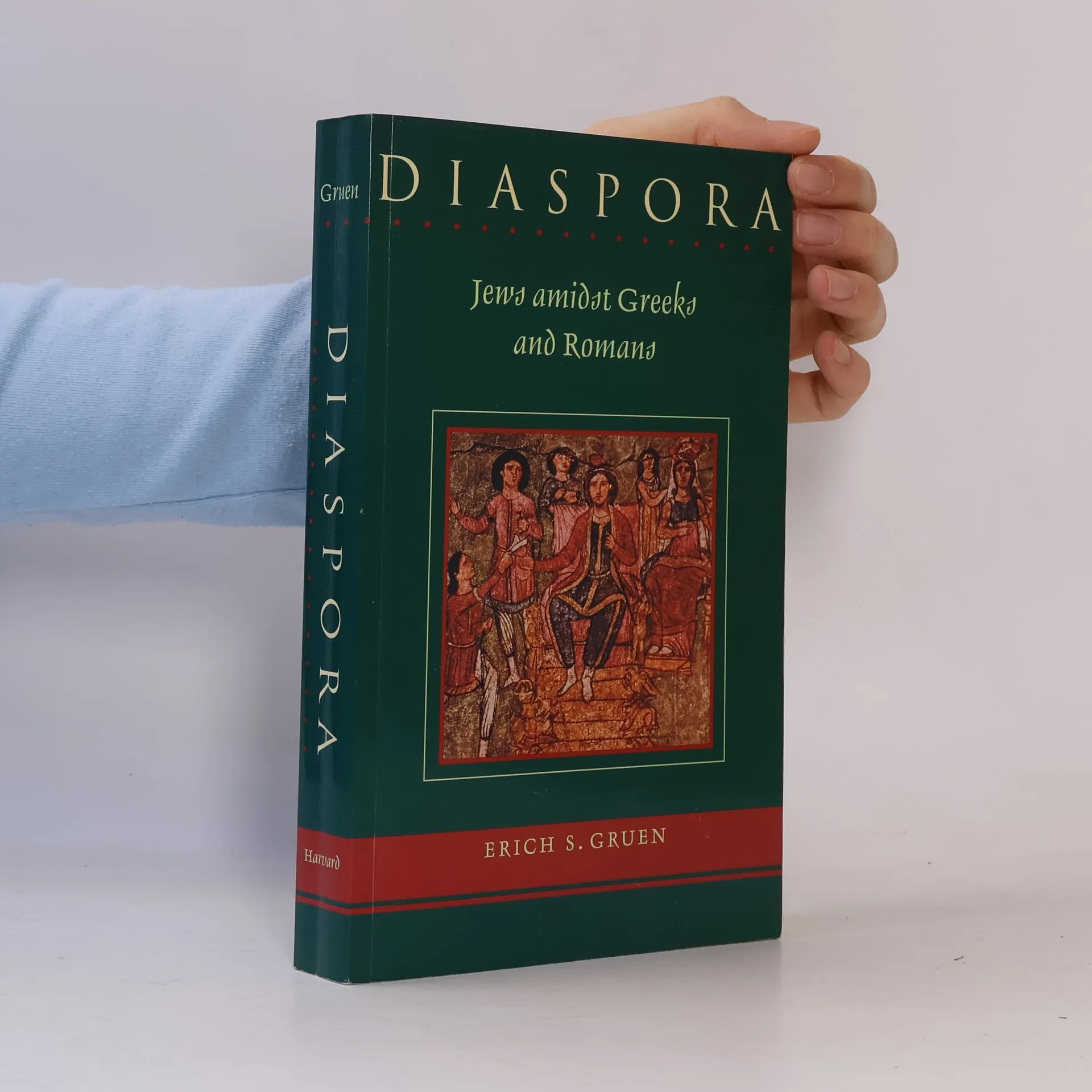
What was life like for Jews in the Mediterranean during Classical antiquity, and how did they fit into the diverse Greek and Roman civilization? In a detailed examination of the Jewish diaspora from Alexander the Great's conquest to the Roman destruction of the Jewish Temple in 70 C.E., Erich Gruen presents surprising insights. By the first century, Jews living abroad significantly outnumbered those in Palestine, with substantial communities across the Greek mainland, Asia Minor, the Tigris-Euphrates valley, Egypt, and Italy. Gruen particularly focuses on Alexandria, Greek cities in Asia Minor, and Rome, exploring the challenges these communities faced, the institutions they built, and their adaptation strategies. He also examines Jewish writing from this period, revealing how Jews in the diaspora perceived themselves. The narrative depicts a Jewish minority comfortable in Greco-Roman society, experiencing only occasional harassment. Their intellectuals engaged with Greco-Roman culture while reshaping it for their own needs, displaying confidence in an alien environment. Gruen's innovative analysis of historical and literary records reshapes our understanding of this vibrant minority culture's interaction with the dominant Classical civilization.