


Nick Ward Plays: Mendelssohn Remembered
- 288 Seiten
- 11 Lesestunden
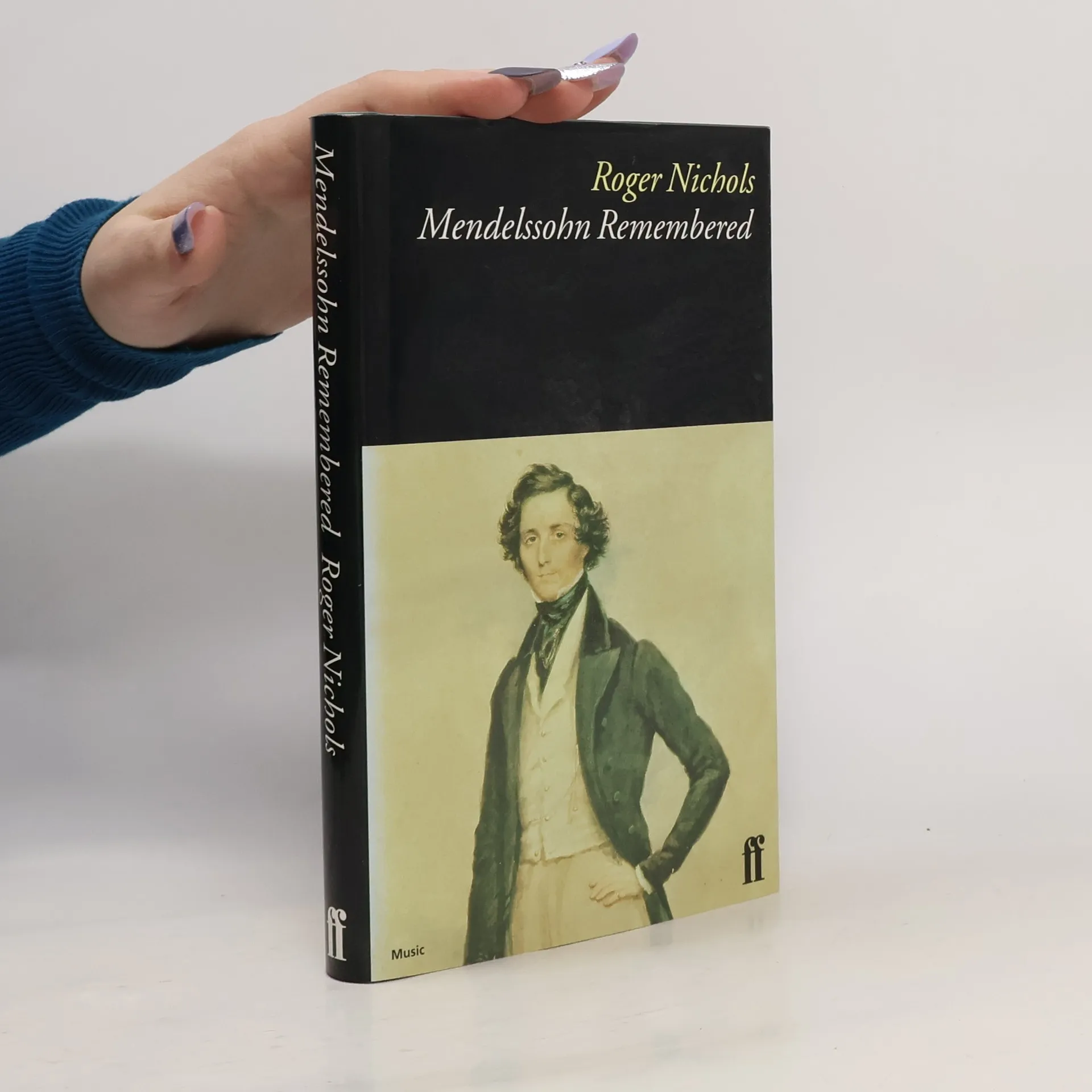
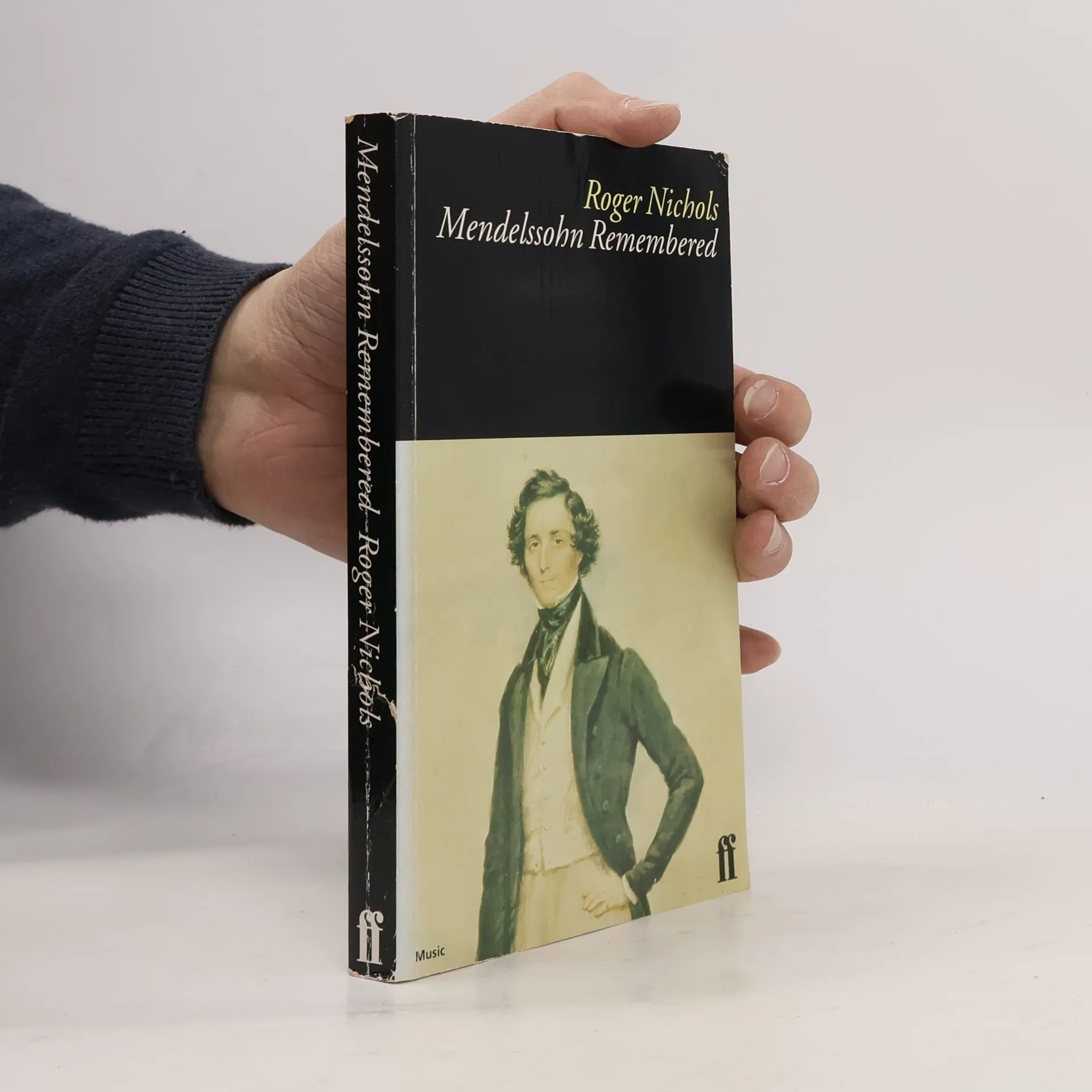
Although he died before his fortieth birthday, Felix Mendelssohn's accomplishments were many, beginning with his composition of a Piano Sonata in G minor at the age of eleven, and of his first Symphony at the age of fifteen. Best known as the composer of A Midsummer Night's Dream , and the Scotch (Third) Symphony , he was also a conductor, musicologist, teacher, painter, caricaturist, philospoher, founder of a Conservatory in Leipzig, husband, and the father of five children. To examine the many facets of Mendelssohn's character and to display the strikingly modern tone of his ideas on teaching, composition, and philosophy, Roger Nichols has culled excerpts from the letters, journals, reviews, and recorded conversations of a wide variety of Mendelssohn's family, friends, and acquaintances, including Johann Wolfgang Goethe, Hector Berlioz, Frederic Chopin, Robert and Clara Schumann, Richard Wagner and Queen Victoria.As illustrative of Mendelssohn's personal life as it is of his musical achievement and forays into other artistic endeavours, Roger Nichols' wise selection and arrangement of texts has resulted in a book that is as accessible to anyone interested in nineteenth century cultural history as it is to the classical music afficionado.