The Anatomy of Murder
- 352 Seiten
- 13 Lesestunden
A unique anthology for crime aficionados - seven of the world's most notorious genuine murder mysteries retold by the most accomplished classic crime writers of their generation.


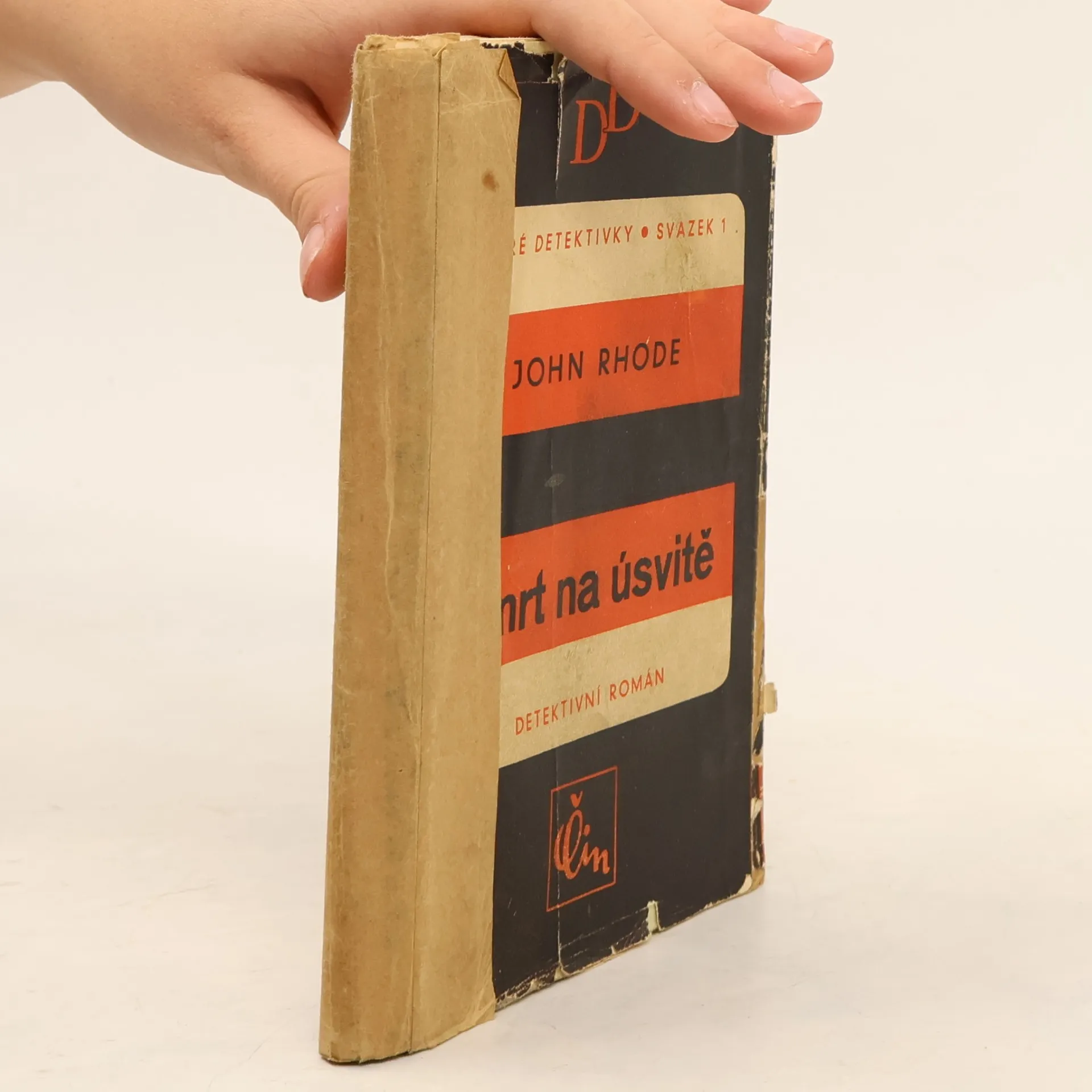
Dieser produktive Kriminalromanautor erlangte Bekanntheit vor allem durch zwei Hauptreihen. Eine unter dem Pseudonym John Rhode stellte den Gerichtsmediziner Dr. Priestley vor, der wissenschaftliche Methoden zur Verbrechensaufklärung anwandte, wie die Analyse von Schlamm an den Schuhen von Verdächtigen. Eine zweite Reihe, geschrieben als Miles Burton, stellte den Amateurdetektiv Desmond Merrion vor, der mit Scotland Yard zusammenarbeitete. Kritiker ordneten diesen Autor der „Humdrum“-Schule der Kriminalliteratur zu, die sich durch die Konzentration auf komplexe Rätsel und logische Schlussfolgerungen auszeichnete und Kreuzworträtseln ähnelte. Sein Erzählstil konzentrierte sich auf akribische Handlungsaufbauten und die wissenschaftliche Beweisaufnahme.

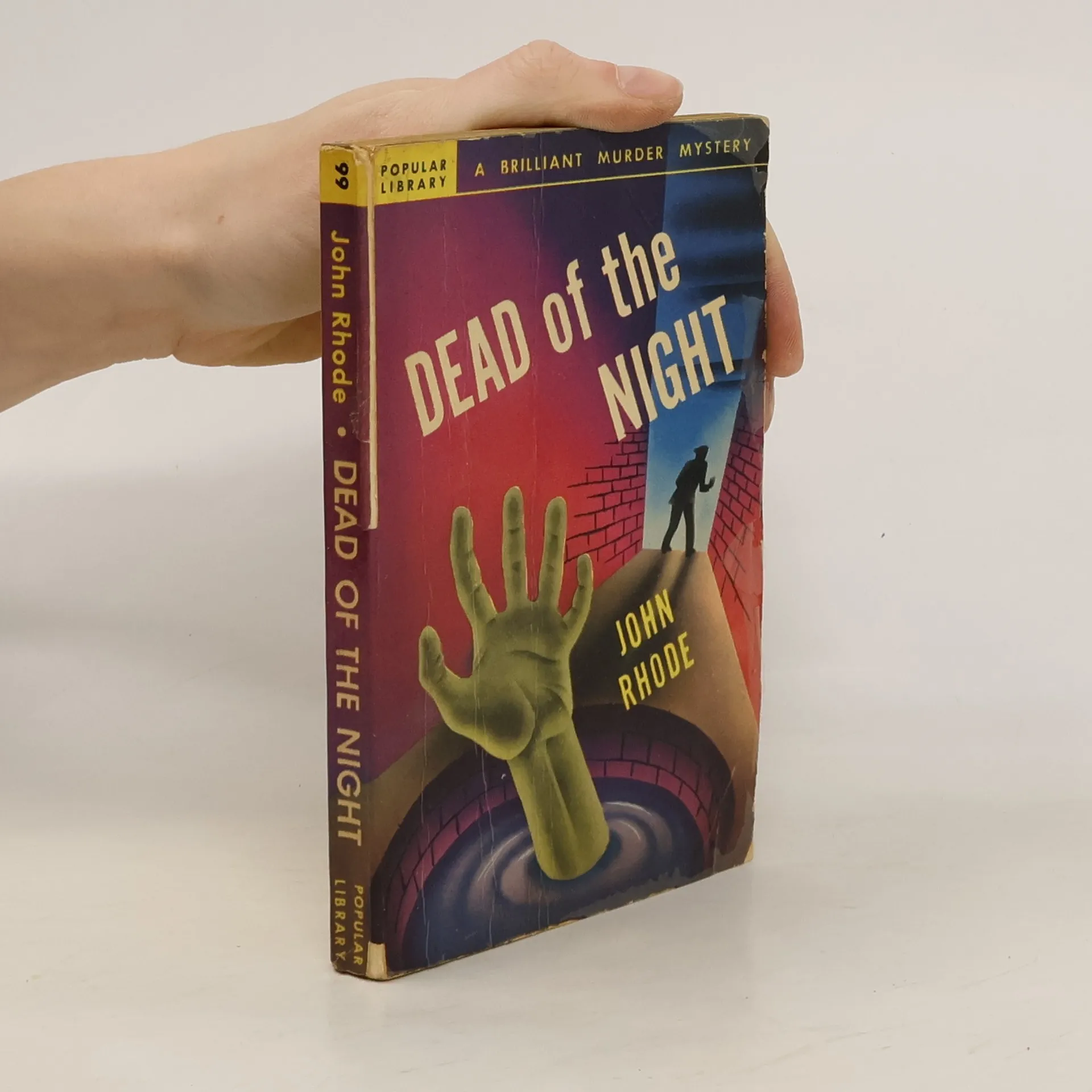

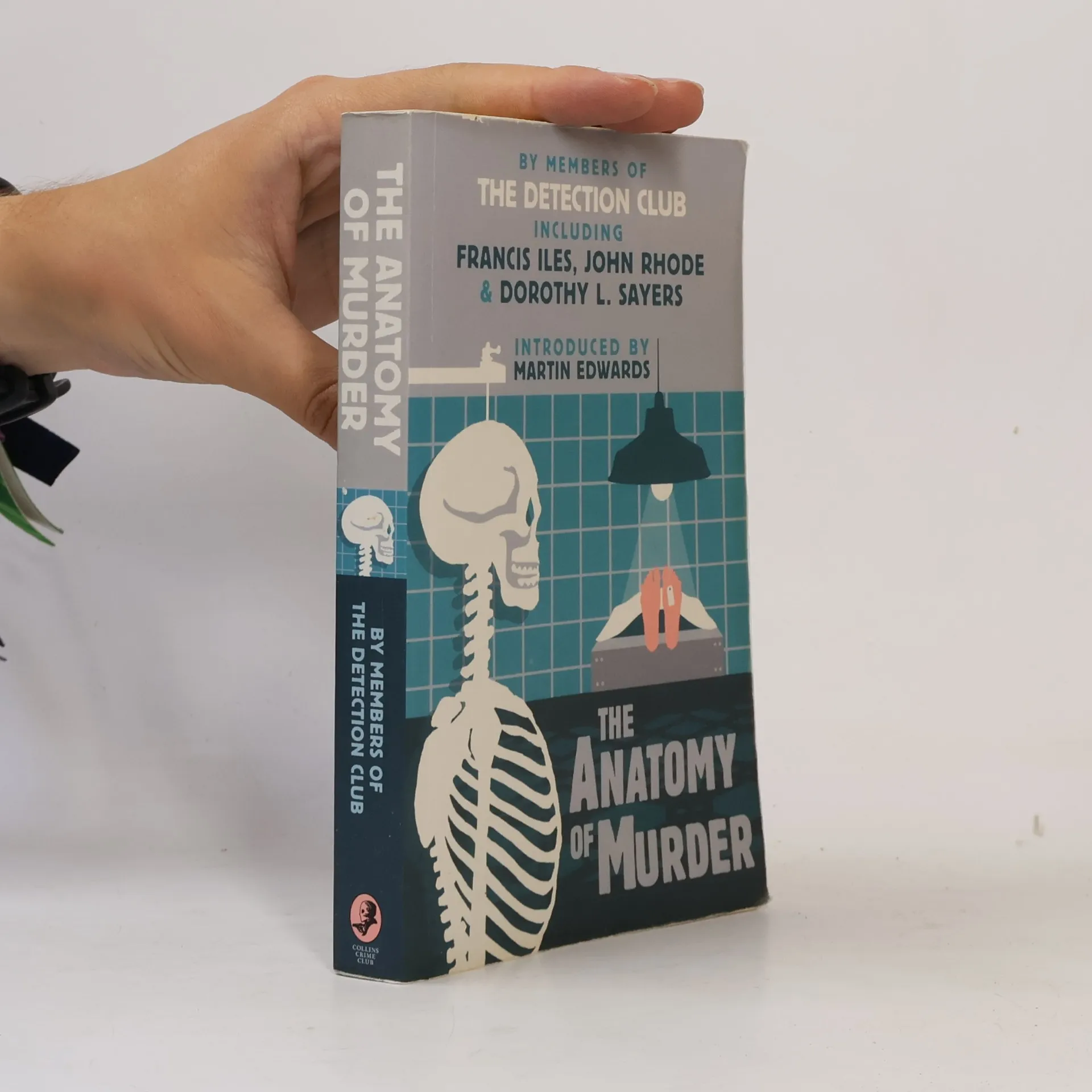
A unique anthology for crime aficionados - seven of the world's most notorious genuine murder mysteries retold by the most accomplished classic crime writers of their generation.
Dorothy L. Sayers, 1893 - 1957, legte als eine der ersten Frauen an der Universität ihres Geburtsortes Oxford ihr Examen ab. Mit ihren mehr als zwanzig Detektivromanen schrieb sie Literaturgeschichte, und sie gehört neben Agatha Christie und P. D. James zur Trias der großen englischen «Ladies of Crime». Schon in ihrem 1923 erschienenen Erstling «Ein Toter zu wenig» führte sie die Figur des eleganten, finanziell unabhängigen Lord Peter Wimsey ein, der aus moralischen Motiven Verbrechen aufklärt. Dieser äußerst scharfsinnige Amateurdetektiv avancierte zu einem der populärsten Krimihelden des Jahrhunderts.
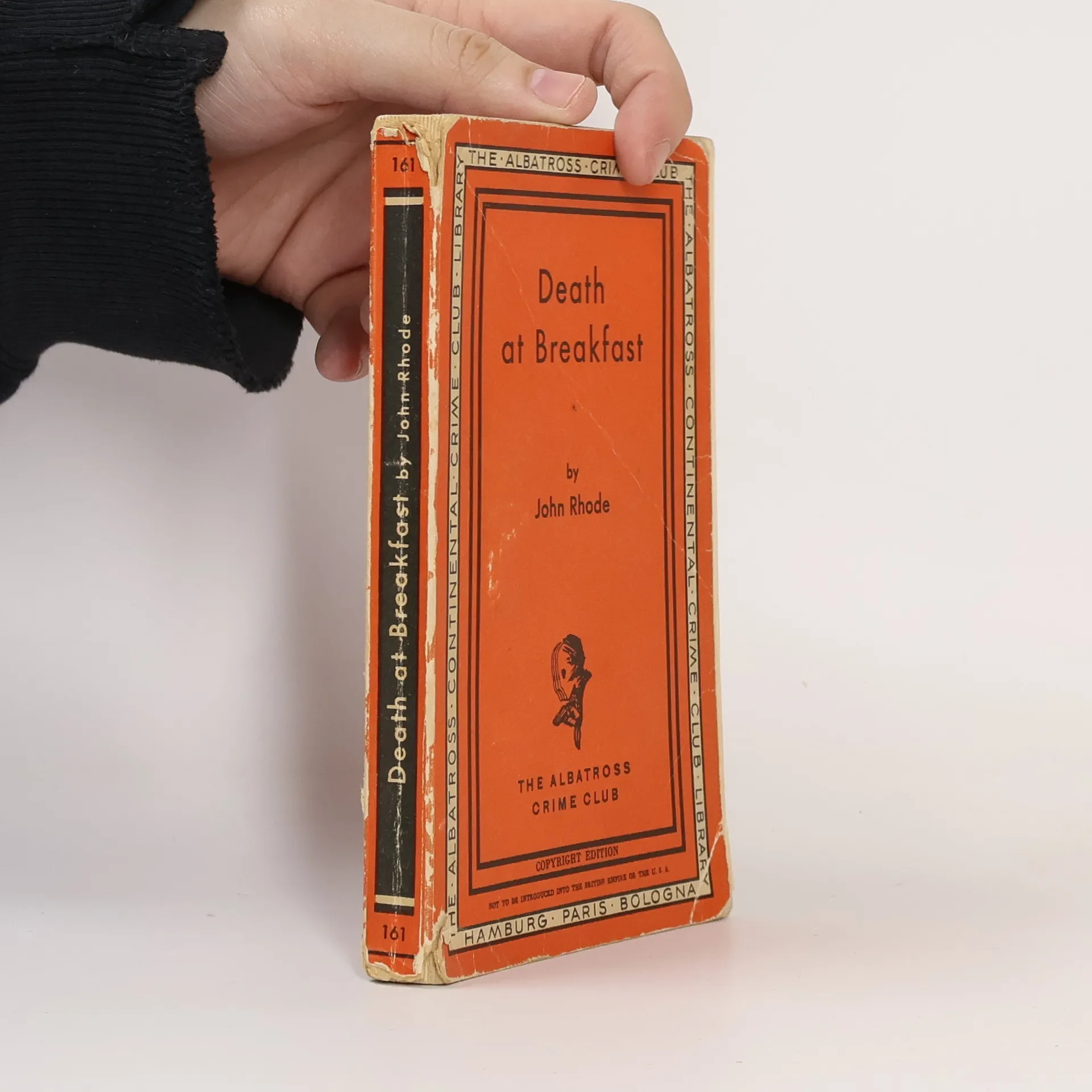
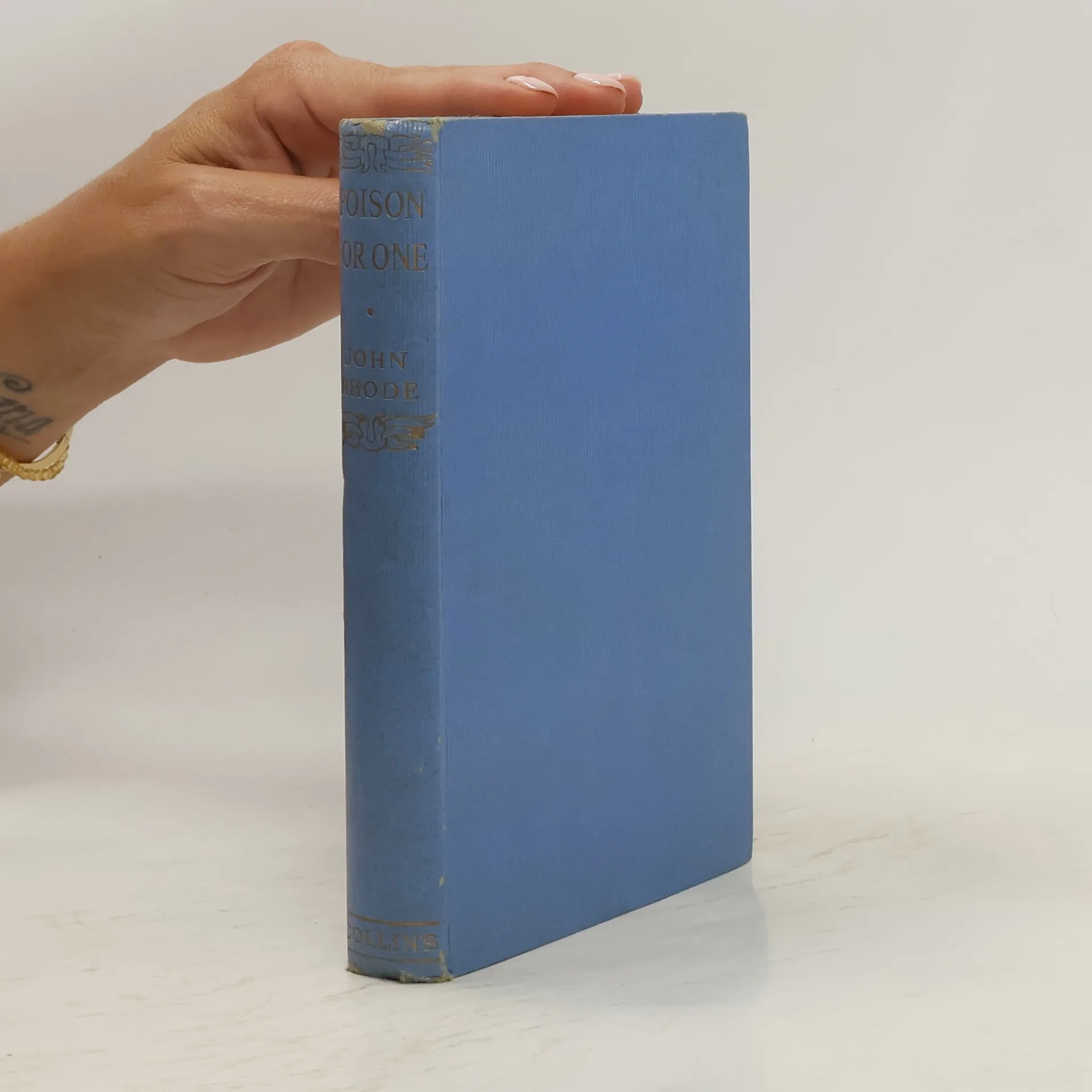
Surly London accountant diabolically envenomed: employer disappears. Hanslet, Waghorn, and sedentary Dr. Priestley solve it. Unusually clever murder method, good clue-by-clue plodding Bulldog British sleuthing, and a plenitude of red herrings. This little mystery kept me guessing right to the end. A man is murdered. Who did it? How? A second man vanishes and is presumed murdered. While investigating that crime the police discover even more confusing facts. Who is committing such crimes and how will the police lay their hands upon them? Detective novel written by the prolific author Cecil Street, under his pseudonym of John Rhode. Features Dr Priestley and Jimmy Waghorn.