Weisses Gold
- 156 Seiten
- 6 Lesestunden
German



German
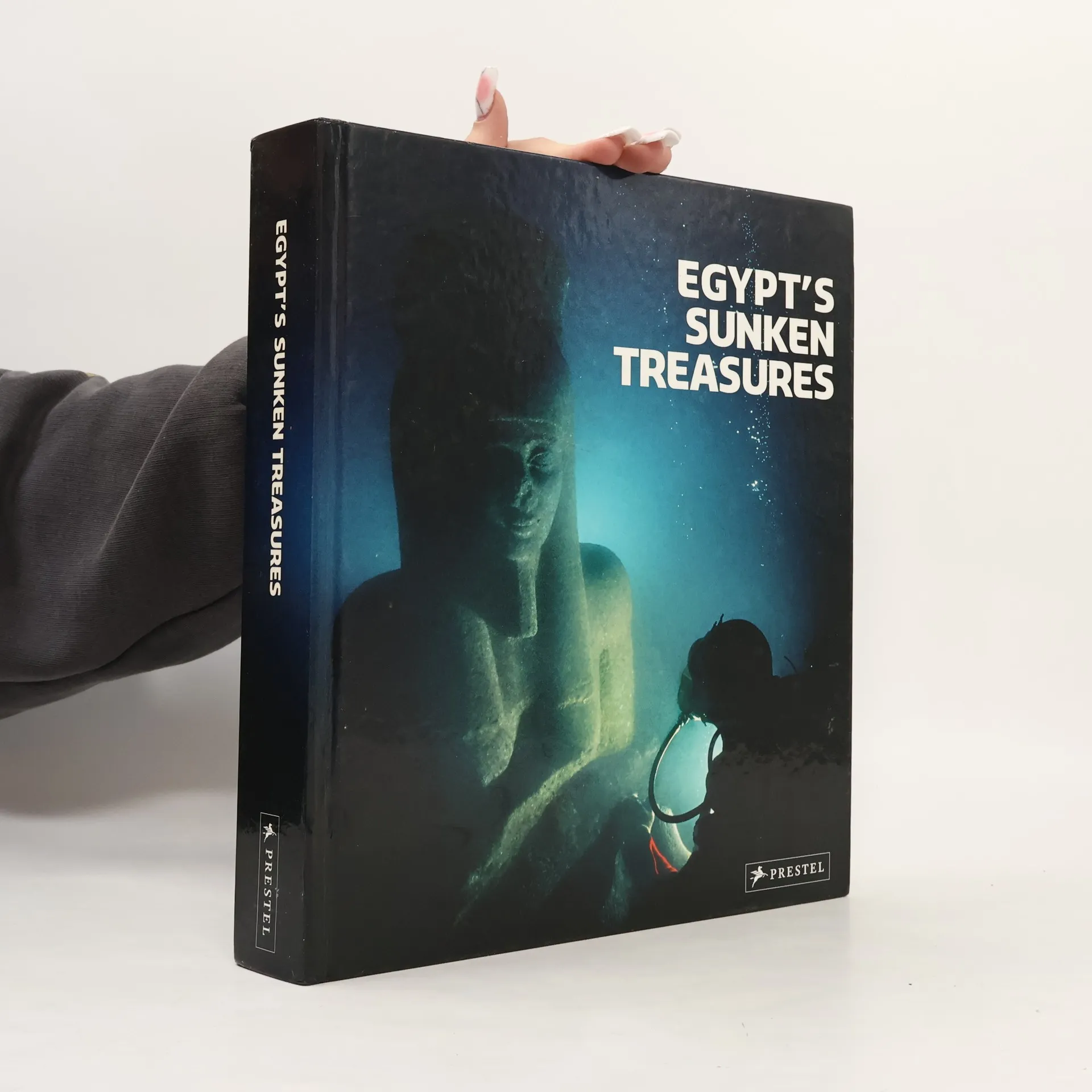
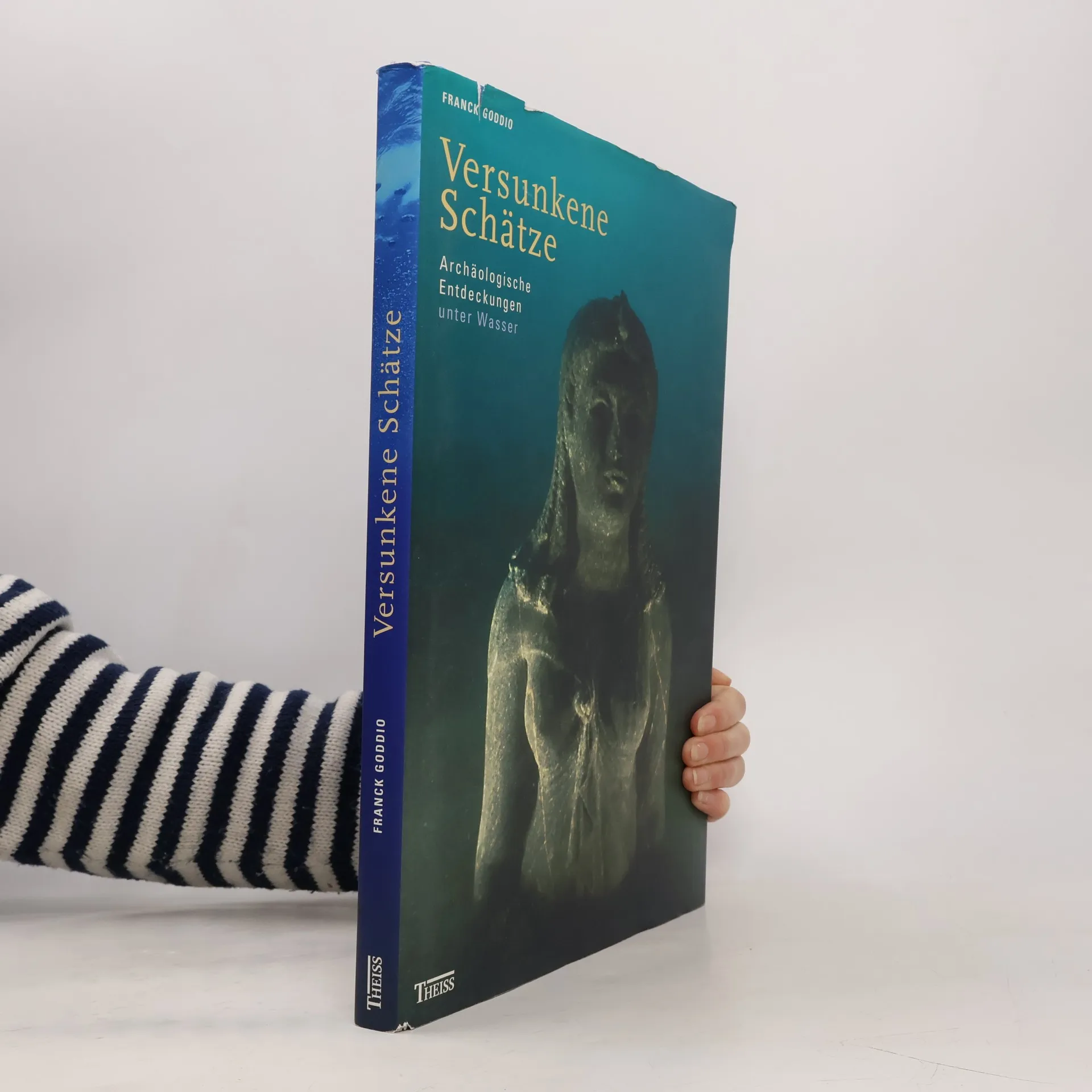
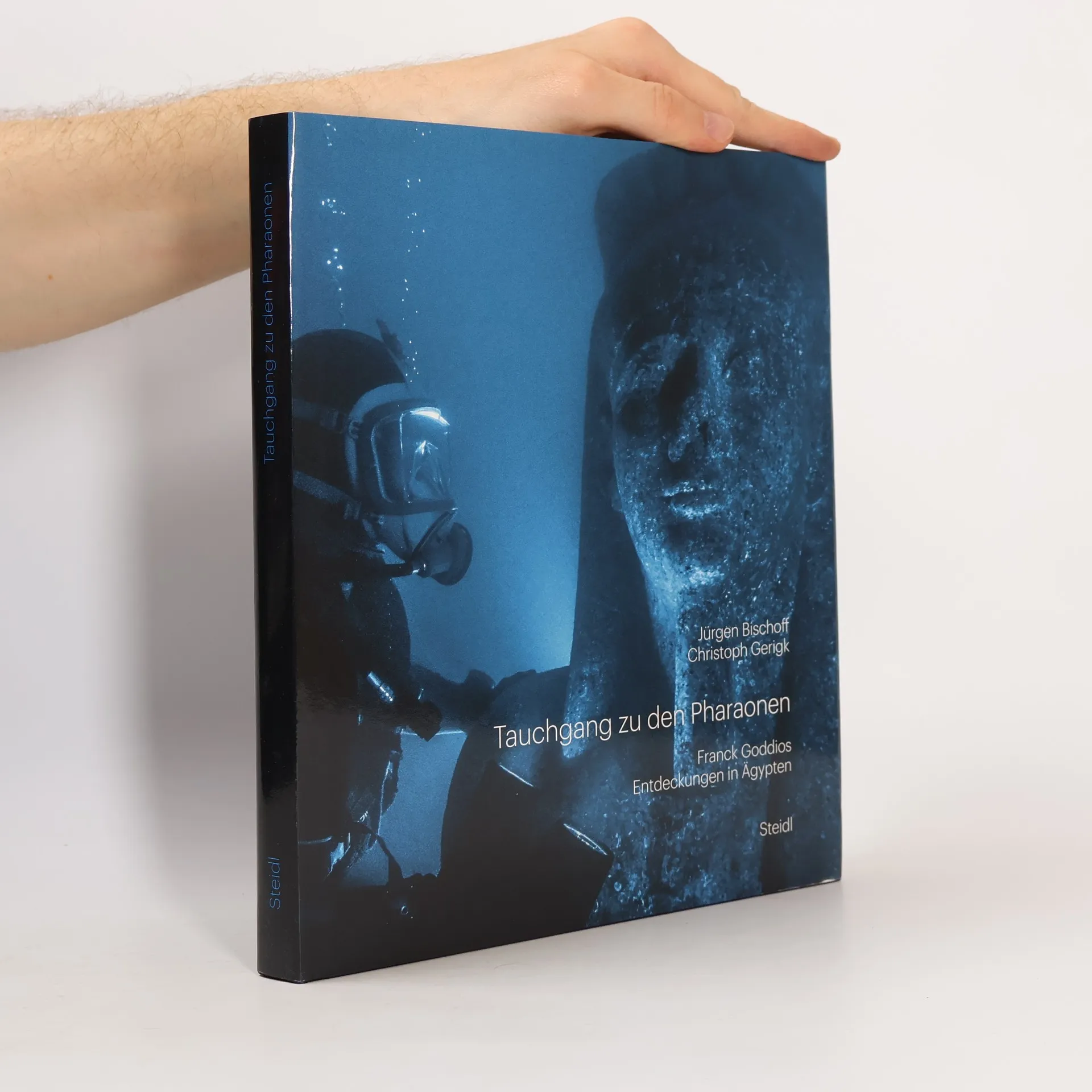
Modernste Technik machte es schließlich möglich: Am Meeresgrund in der Bucht von Abukir entdeckte der renommierte französische Unterwasserarchäologe Franck Goddio Teile des antiken Alexandria, von Heraklion, dem Tor des alten Ägypten zum Mittelmeer, und von Canopus, dem Saint-Tropez der Antike. Wie Puzzlestücke fügen sich die einzelnen Funde zusammen und erwecken ägyptische Geschichte zu neuem Leben - untermauert von rekonstruierten Stadtplänen und historischen Fakten.
Die Geschichte von Franck Goddios Tauchgängen vor der ägyptischen Küste, das Bergen spektakulärer Funde, ihre Restaurierung und wissenschaftliche Erschließung werden in diesem, mit faszinierenden Unterwasseraufnahmen versehenen, Band spannend erzählt
Sensationelle Bilder und packende Texte ziehen die Leser in die geheimnisvollen Tiefen der Ozeane. Erleben Sie in diesem Buch die Faszination der Unterwasserarchäolgie - erleben Sie eines der letzten großen Abenteuer unserer Zeit.
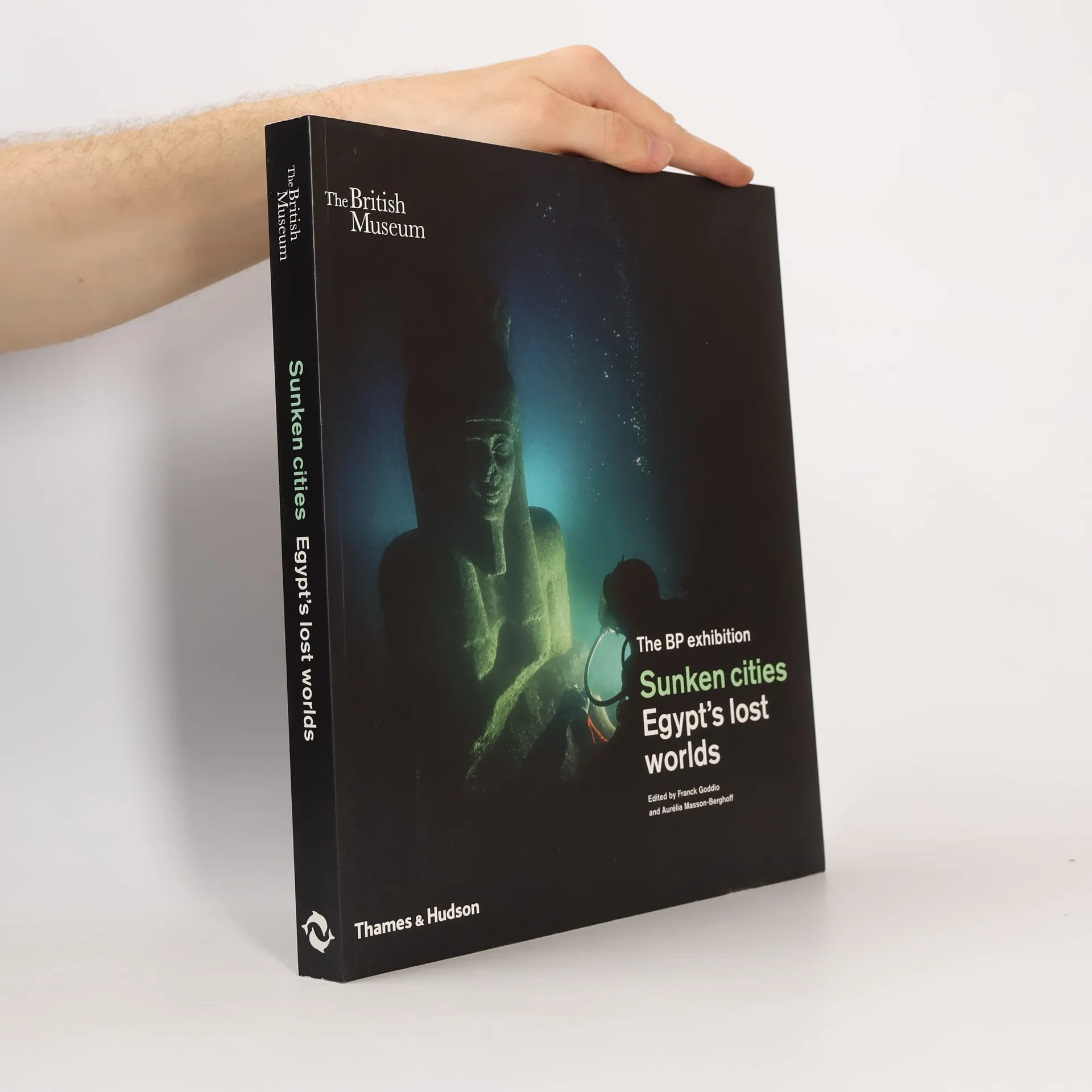
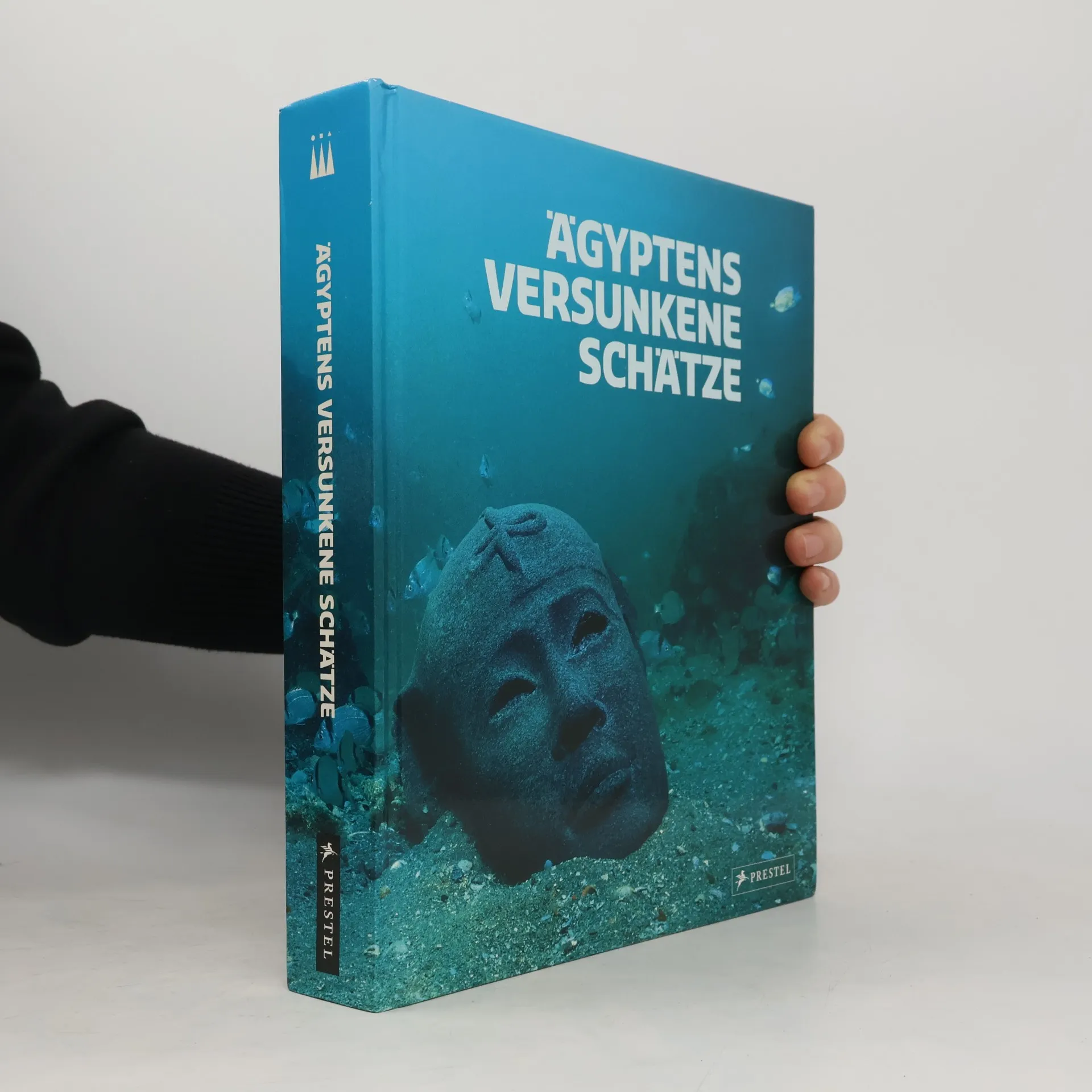
Beneath the waters of Abukir Bay, at the edge of the Nile Delta, lie the submerged remains of ancient Egyptian cities that sank over 1,000 years ago only to be rediscovered in the late twentieth century. Pioneering underwater excavations have yielded a wealth of ancient buildings and artifacts, including temples, harbor installations, and no fewer than sixty-nine shipwrecks. Some of the greatest of these treasures will be exhibited in London for the first time in 2016. Through these spectacular finds, this book explains how two monumental ancient civilizations, Egypt and Greece, interacted in the late first millennium bc, from the founding of Thonis-Heracleion, Naukratis, and Canopus as trading and religious centers to the conquest of Egypt by Alexander the Great; the ensuing centuries of Ptolemaic (Hellenistic) rule; the suicide of Cleopatra, the last active pharaoh of Ptolemaic Egypt; and the ultimate dominance of the Roman Empire. Throughout, Greeks and Egyptians lived alongside one another in these lively cities, sharing their politics, religious beliefs, languages, and customs. Sunken Cities showcases a spectacular collection of artifacts, coupled with an insightful presentation of the history by world-renowned experts in the subject.
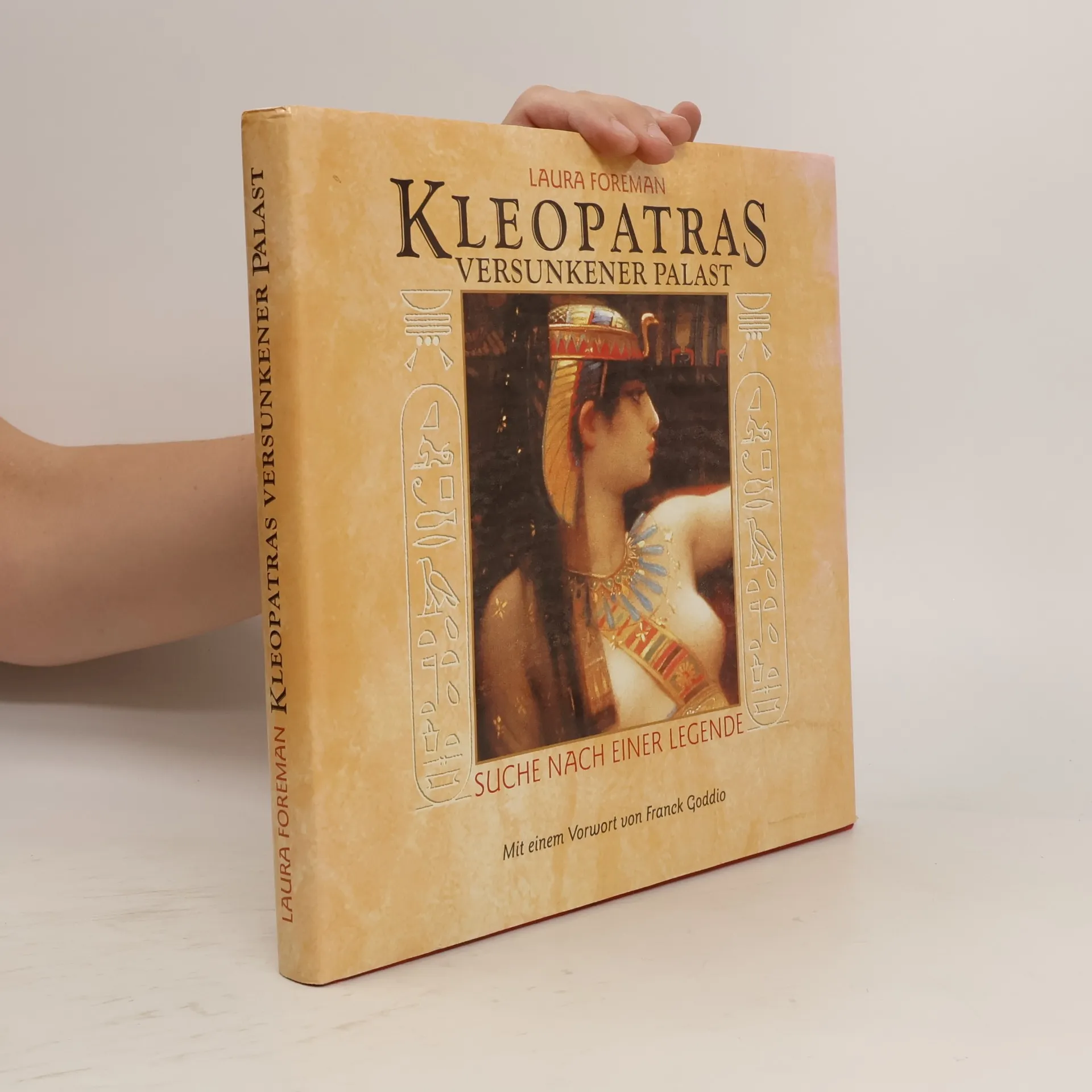
In einer großartigen Darstellung, die Biographie, Geschichte und moderne Forschung in sich vereint, schildert Kleopatras versunkener Palast den Glanz von Alexandrias längst untergegangenem Königsviertel und erweckt auf unvergeßliche Weise die große Königin Ägyptens zu neuem Leben.
Brand new in plastic wrap. Perfect for niche collector. Egypt's Sunken Treasures-(Illustrated/photograph coffee table book) See our detailed photos of each inventory item including all sides and entrance pages. Condition as promised and as pictured. Buy from JED Books with confidence!
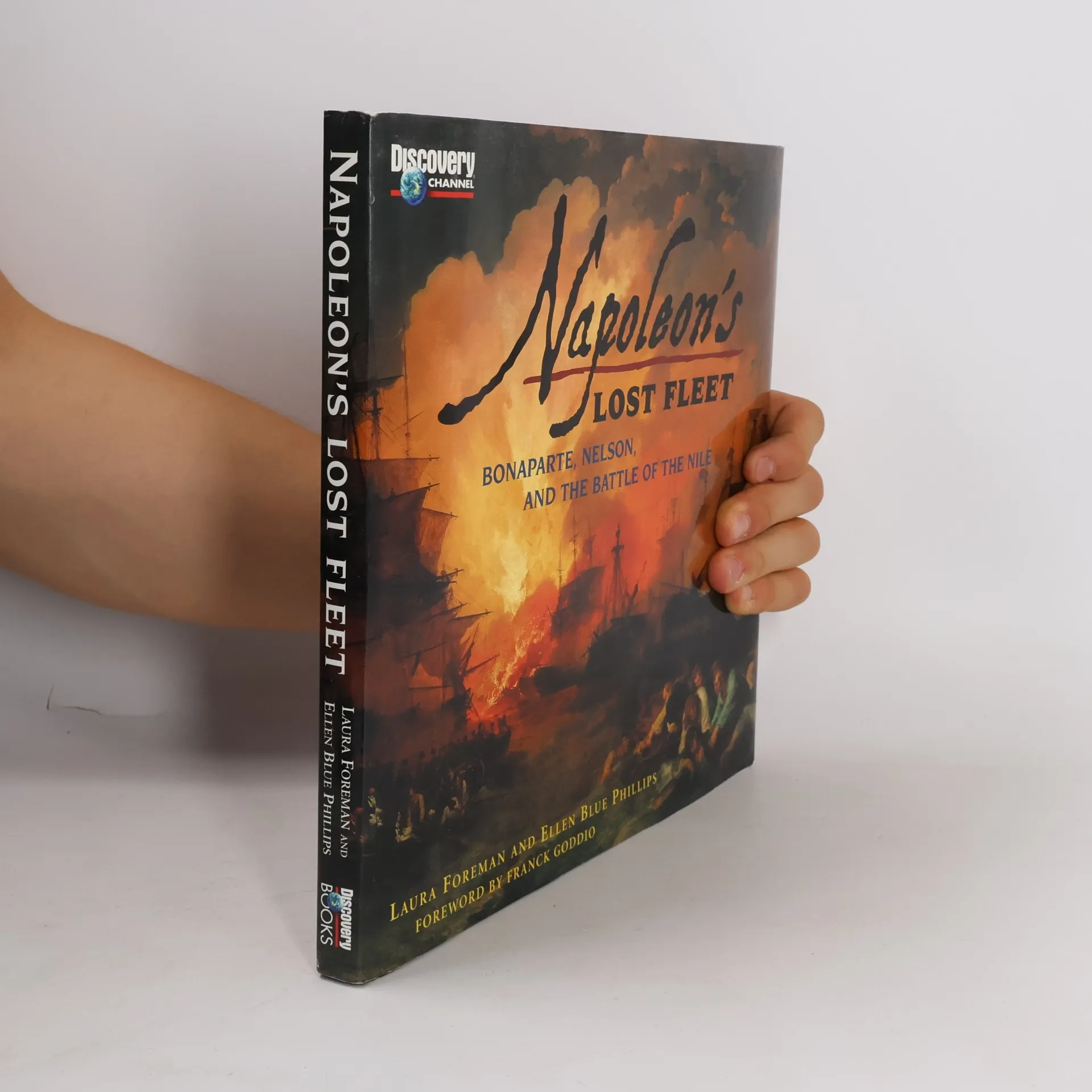
On August 1, 1798, thirteen French ships anchored in Aboukir Bay, Egypt, in support of Napoleon, who was ashore with his troops. As night fell, the British fleet, led by Admiral Lord Horatio Nelson, launched a surprise attack on the unsuspecting French. By the end of the battle, nearly all French ships were sunk or captured, including the flagship Orient, which exploded, resulting in 1,700 French casualties and crippling Bonaparte's ambitions in the region. Nelson emerged as a national hero in Britain. This spirited chronicle details Nelson's relentless pursuit of Napoleon during his campaign to capture Egypt. Authors Laura Foreman and Ellen Blue Phillips vividly recount the audacity and bravery that characterized the Battle of the Nile. They portray both Bonaparte and Nelson as complex military leaders whose destinies were intertwined. Despite facing a poorly equipped and financially strained navy, Napoleon had amassed a formidable fleet of battleships and troops, with his plans nearly succeeding had Nelson not anticipated his move. The narrative also explores underwater discoveries at the battle site, led by French explorer Franck Goddio, revealing artifacts that illuminate life at sea during this era. With over 200 full-color photographs, maps, and illustrations, this work combines military history with marine archaeology, appealing to enthusiasts of discovery and adventure.
196pages. in8. Broché. 8 planches de photos en couleurs.
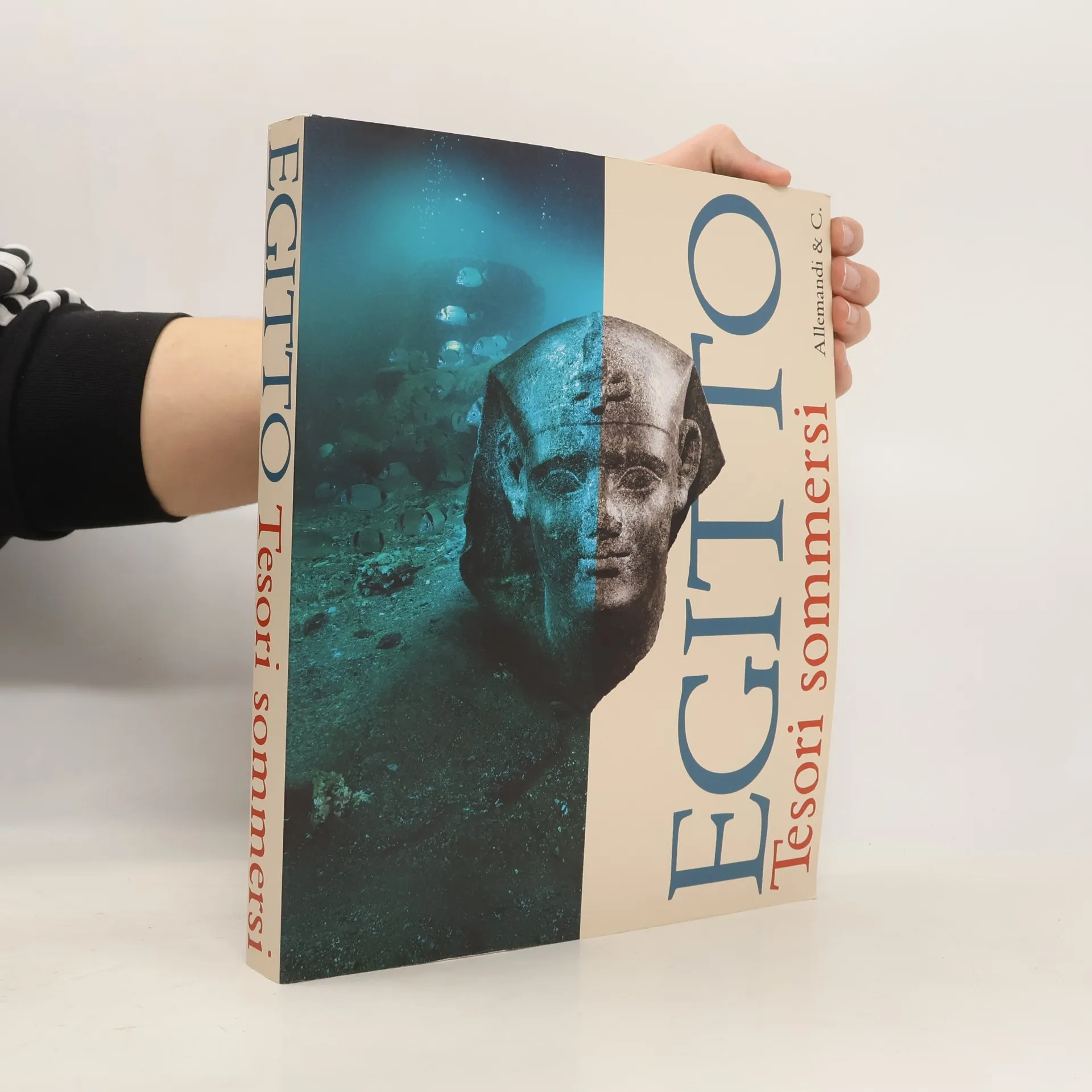
Oltre 500 reperti recuperati in fondo al mare dal 1992 a oggi dall’archeologo subacqueo francese Frank Goddio e dal suo team, appartenuti soprattutto a tre città molto famose nell’ antichità: Thonis (per la prima volta identificata fuori di ogni dubbio come l’Heraklion, o Eraklion o Eraclea, dei Greci), Canope (la latina Kanopus) e la metropoli Alessandria. Attraverso statue di granito alte fino a cinque metri, sfingi, stele, gioielli e monete, rivive l’antico Egitto degli anni dal 700 a.C all’800 d. C., quando la forza travolgente di terremoti dei quali finora non si sapeva nulla, hanno portato in fondo al mare i resti delle tre città. Le eccezionali scoperte di Franck Goddio hanno fornito una maggiore conoscenza della storia egiziana, rivelando alcuni aspetti completamente nuovi. Il popolo egiziano, dominato a lungo da conquistatori stranieri, venne in contatto con popoli e culture Mesopotamiche, Greche e Romane, creando un crogiolo di culture e religioni. Le scoperte di Goddio sono la prova di questo sviluppo. L’esposizione, accolta trionfalmente nelle precedenti sedi di Berlino, Parigi, Bonn e Madrid da quasi due milioni di visitatori, nella versione torinese presenta un allestimento d’eccezione, affidato alle scenografie di Bob Wilson e alle sonorità di particolare coinvolgimento composte da Laurie Anderson. Il volume è stato il catalogo della mostra che si è svolta alla Reggia di Venaria dal 1 febbraio al 31 maggio 2009.