Das Buch präsentiert eine ausgeweitete Materialrecherche, die anhand von Bild-, Text- und Filmdokumenten, Abbildungen von Platten-Covern und Originalobjekten den musikalischen und sozialen wie auch visuellen und künstlerischen Aspekten der Phänomene Punk und New Wave nachgeht.
Wolfgang Laib: The Beginning of Something Else führt all jene Texte sowie ausgewählte Abbildungen zusammen, die für das Denken und Schaffen des Künstlers von besonderer Bedeutung sind. Darunter befinden sich beispielsweise Passagen aus dem Gilgamesch-Epos, ein Gedicht des buddhistischen Mönchs Bodhidharma oder Gedanken von Friedrich Nietzsche. Text und Bild – seien es private Aufnahmen, Fotografien von Parsi-Ritualen oder Werkabbildungen – verbinden sich zu einer außergewöhnlichen Publikation, die Wolfgang Laibs (* 1950) Interesse an Literatur ebenso reflektiert wie einige der wichtigsten Inspirationsquellen seiner feinsinnigen Kunst. Der Band eröffnet eine sehr persönliche Begegnung und beleuchtet einen Künstler, dessen Werk seit Ende der 1970er-Jahre Fragen an unseren Umgang mit der Natur stellt und der darin nicht aktueller sein könnte.
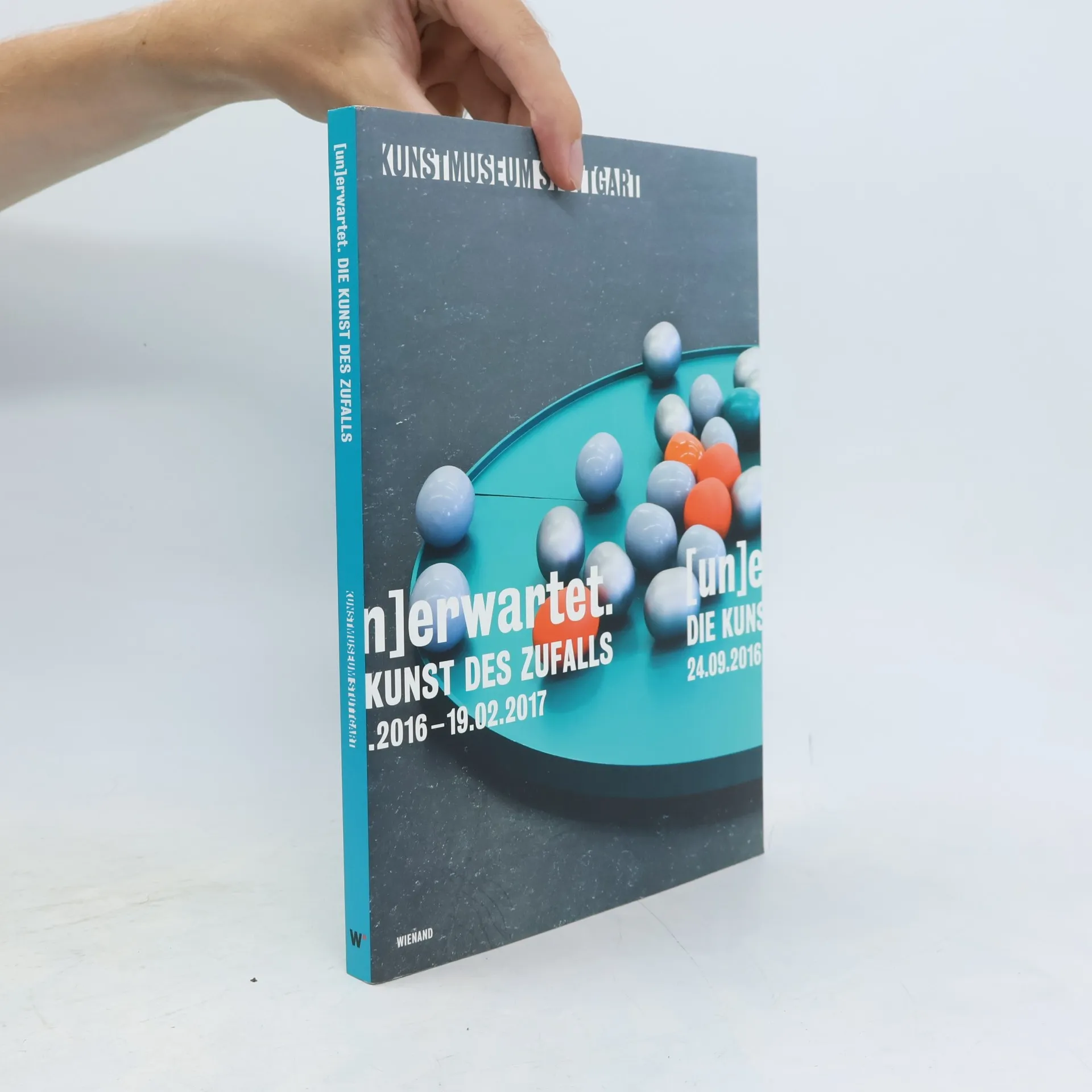
Chance has been a creative force within the arts since the 1920s. Artists invented a wide variety of methods and techniques to evoke calculated chance, including Surrealists such as Max Ernst and Concrete artists such as François Morellet and Manfred Mohr. The phenomenon lives on to this day.
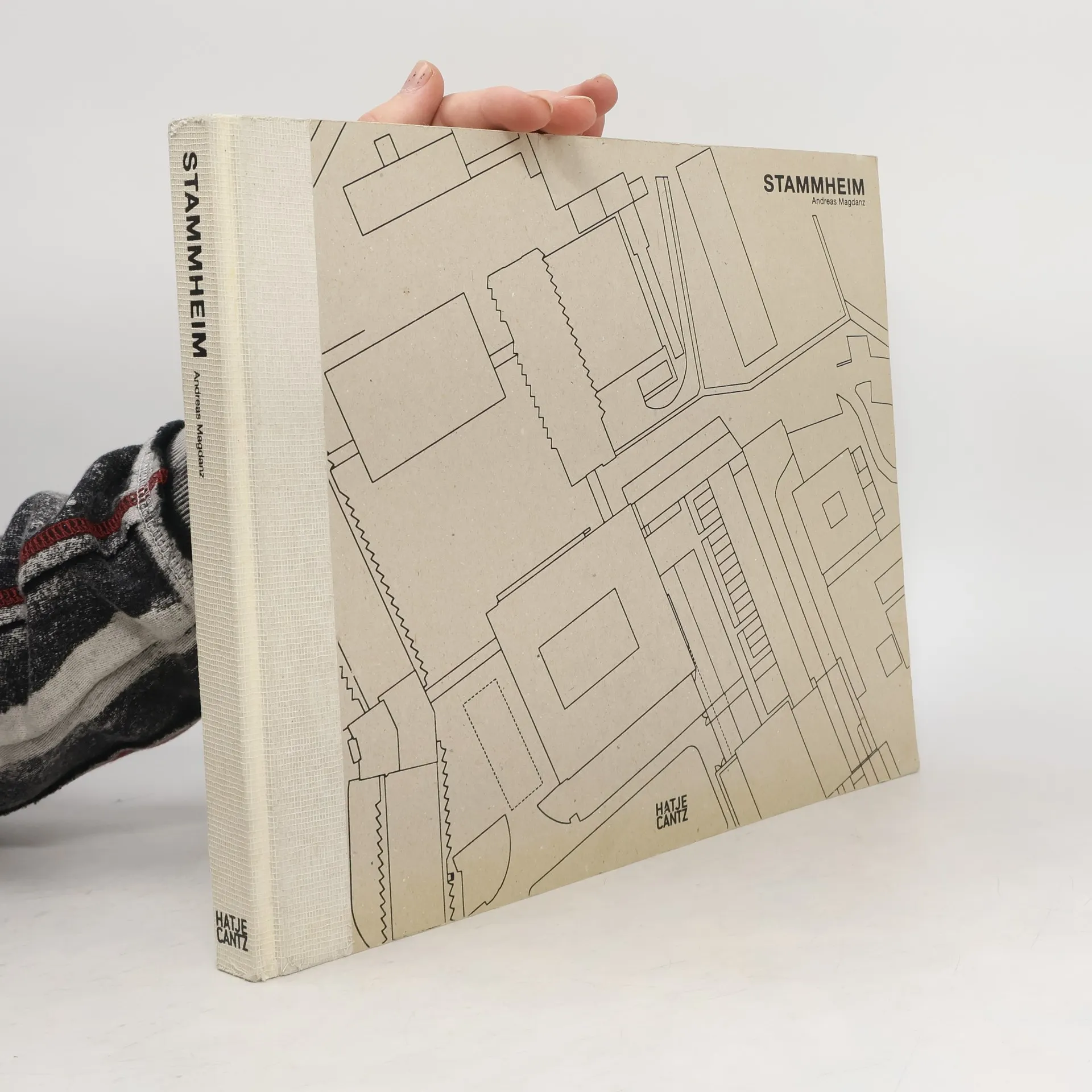
In the seventies, the imprisonment of the leaders of the Red Army Faction (RAF), a group of left-wing militants, made Stuttgart Stammheim prison a household name even beyond Germany. A high-security multipurpose building was erected there in 1975 specifically for the trial of the RAF members. The state prison is scheduled to be demolished, thus destroying the site that is inseparably bound to the events of 1977, when the RAF carried out a series of kidnappings and murders and leading figures of the group committed suicide in their prison cells. This was the starting point for the photographic art project 'Stuttgart Stammheim' by Andreas Magdanz. The artist uses large-format digital photography to create a comprehensive documentation of this historically charged site filled with RAF mythology. His decidedly matter-of-fact images paint a nuanced and realistic portrait of the facility and its condition in 2010/11.0Exhibition: Kunstmuseum Stuttgart, Germany (17.11.2012-3.3.2013).0
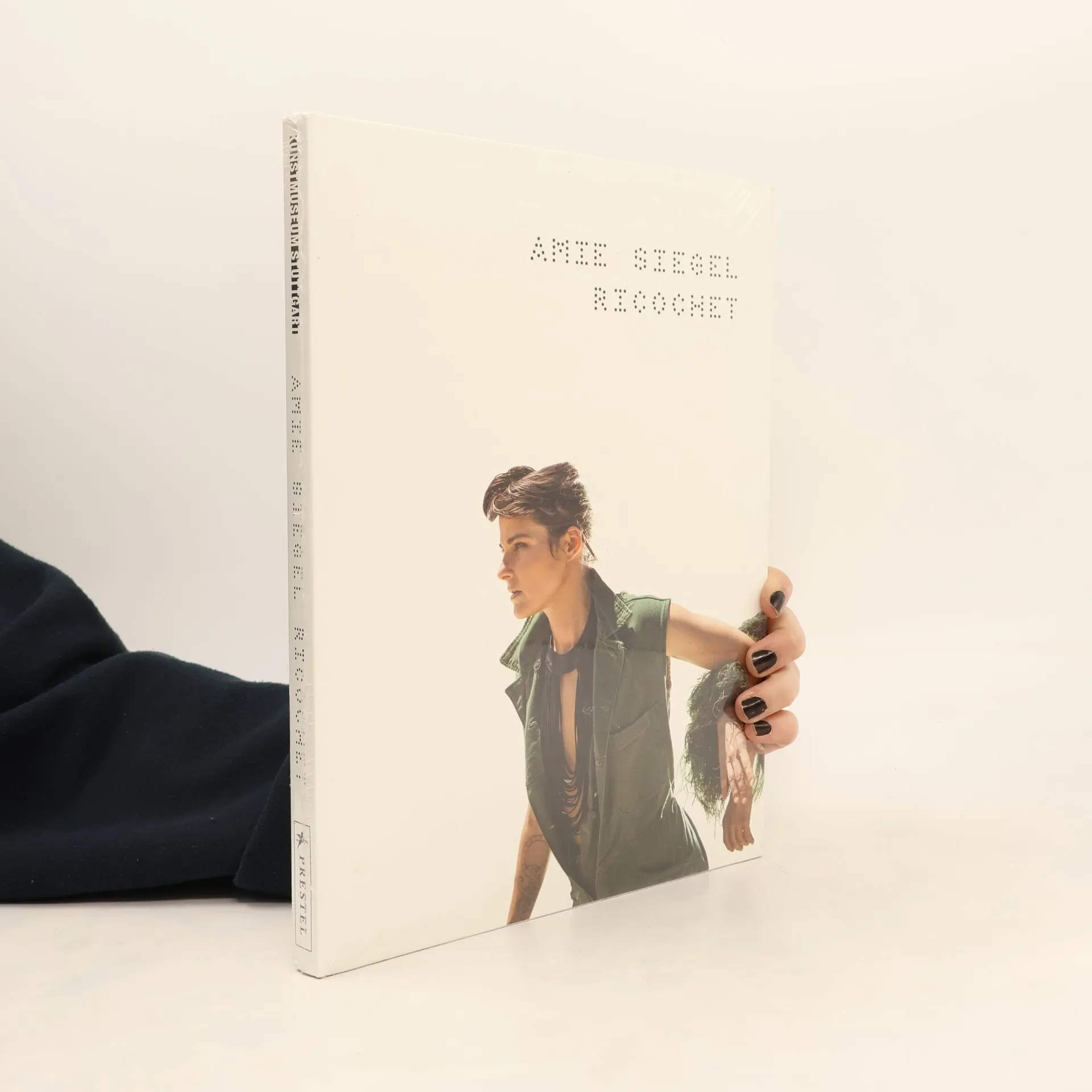
This book presents the film, performance, and works on paper of Amie Siegel from her two exhibitions, Black Moon and Ricochet, at the Kunstmuseum Stuttgart. Siegel's work is often characterized by duplication and repetition, by appropriation and adaptation, and not least by remaking. In 2011 and 2016, the Kunstmuseum Stuttgart presented two solo exhibitions of the work of Amie Siegel. These exhibitions, Black Moon and Ricochet, though separated by five years, were conceived as a single show unfolding over time and space. Rebounding between the shows, visual motifs and ideas have found their expression in the artist's concept of the catalogue. Instead of combining both presentations in a single publication, the artist, together with graphic designer Kerstin Riedel, created two mirrored books which are bound together into one volume. Opening the catalogue reveals two double spreads that offer endless possibilities to combine the illustrations of Siegel's artworks. The themes and motifs scattered across the exhibitions through performance, video, and works on paper include the archeology of cinema, image provenance, psychoanalysis, and economies of gender. The book includes essays by Tom McDonough and Sven Beckstette as well as a conversation between Amie Siegel and Ulrike Groos, director of Kunstmuseum Stuttgart.