During a pivotal few months in the middle of the First World War all sides-
Germany, Britain, and America-believed the war could be concluded. Peace at
the end of 1916 would have saved millions of lives and changed the course of
history utterly.
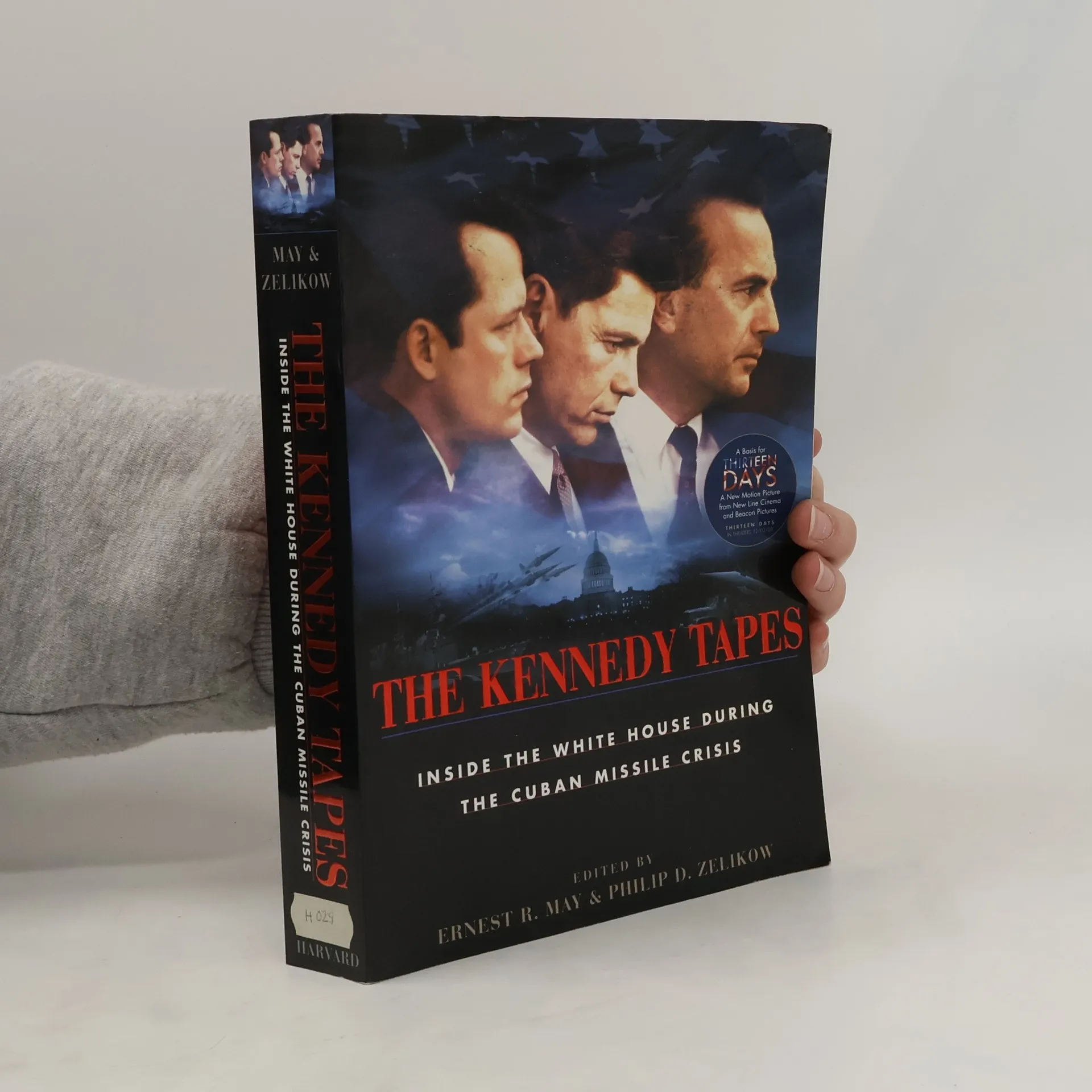
During the Cuban missile crisis the United States twice came to the brink of attacking Soviet military units, which were equipped for nuclear retaliation. This book presents the transcripts of tape recordings of the situation secretly made by President Kennedy.
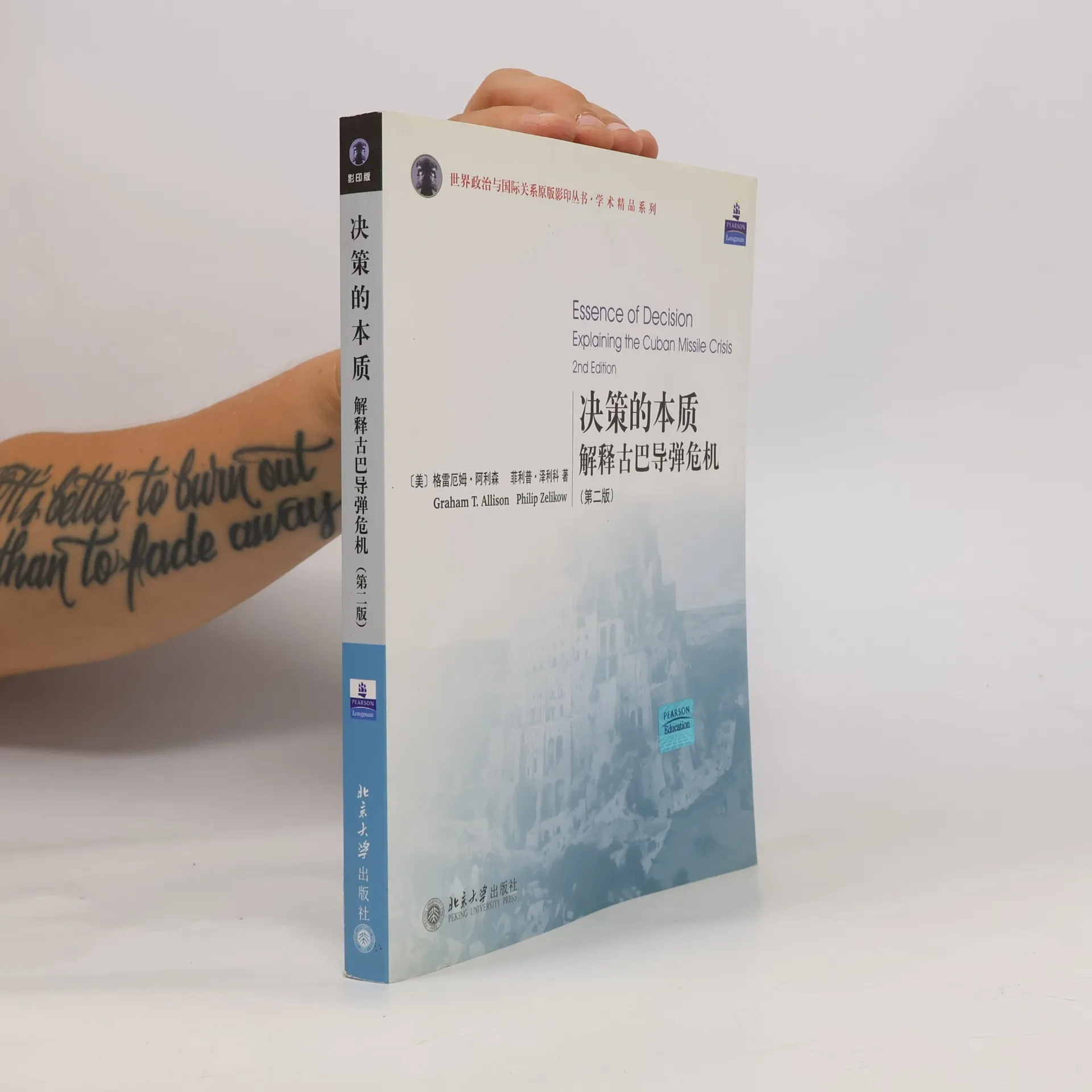
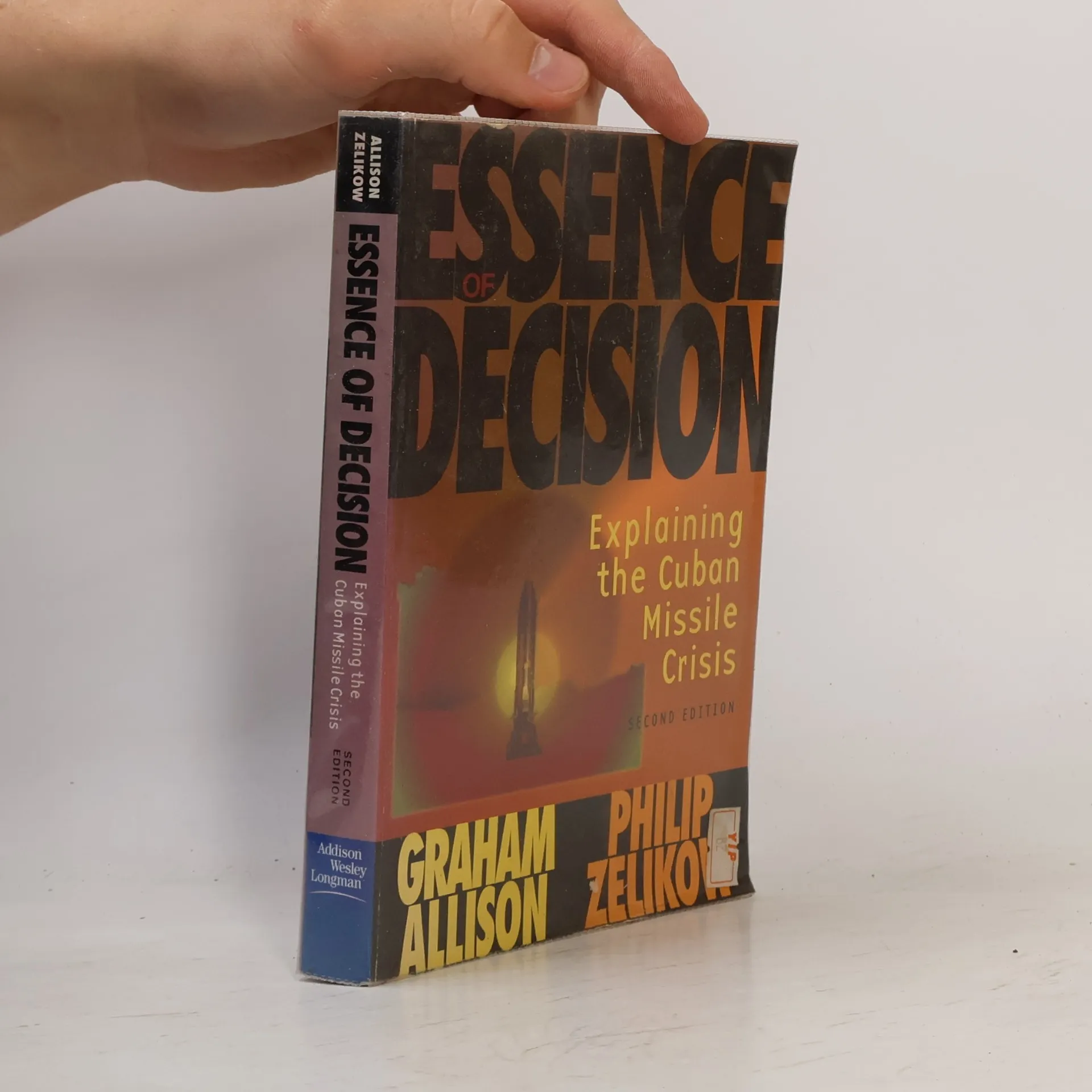
Explaining the Cuban Missile Crisis - Second Edition
416 Seiten
15 Lesestunden
"Essence of Decision" is both a vivid account of a crucial international event and a breakthrough in the application of organizational and political theory to events. Professor Allison analyzes the Cuban missile crisis in terms of three alternative frames of reference. By examining it first through one set of conceptual lenses, then through a second, and finally through a third, he explores some of the fundamental yet often unrecognized choices among the categories and assumptions that channel our thinking and thus influence our decisions and the outcomes in situations such as the missile crisis.
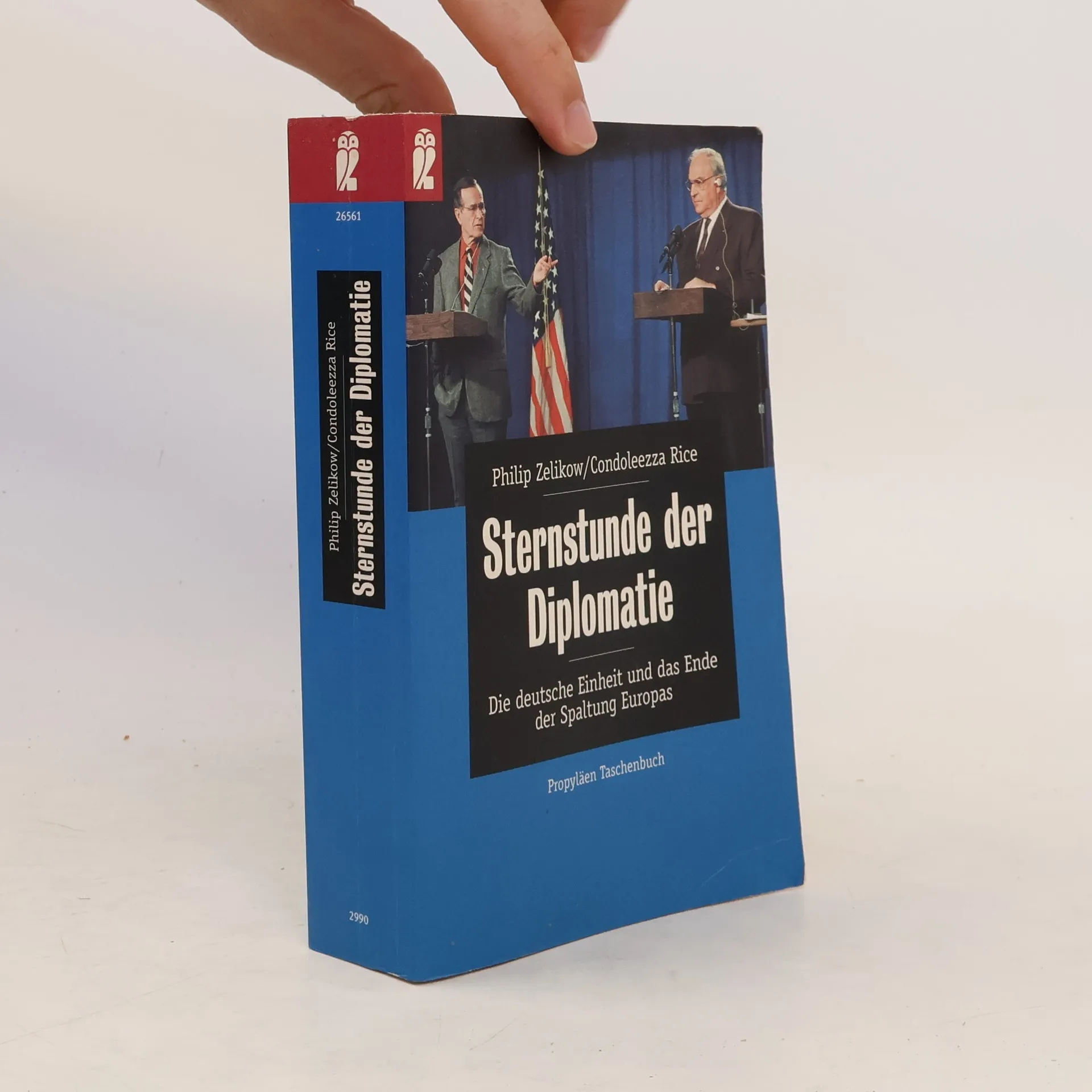
Dieses Werk bietet eine Analyse der Schritte und Manöver, die zum Ende der Teilung Europas im Kalten Krieg führten. Es behandelt die Öffnung der Berliner Mauer und untersucht die Beziehung zwischen dem westdeutschen Kanzler Helmut Kohl und dem reformkommunistischen Führer Hans Modrow.