


Parameter
- 248 Seiten
- 9 Lesestunden
Mehr zum Buch
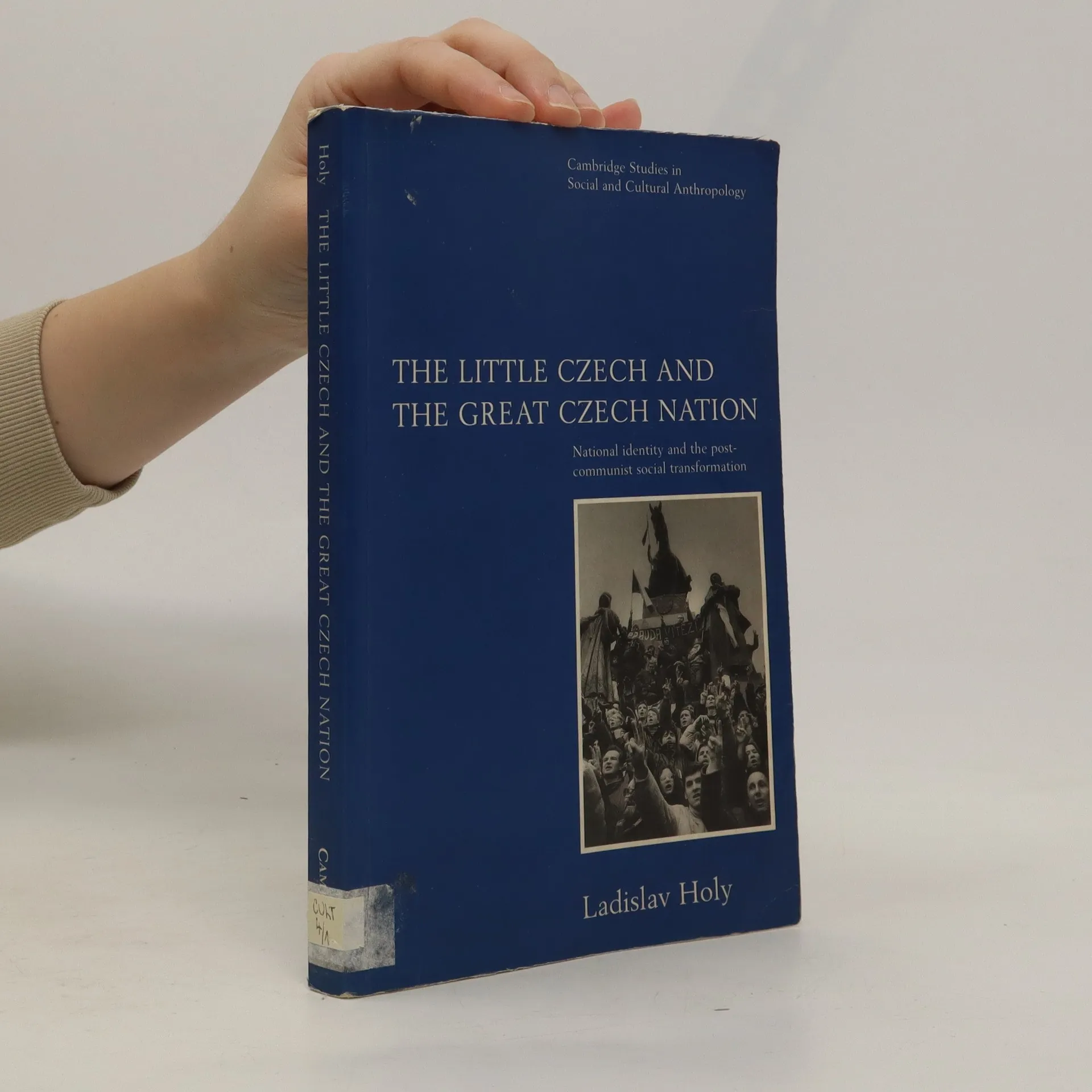
When Ladislav Holy precipitately left Czechoslovakia for the UK in 1968 he was already one of the leading anthropologists in Central Europe. In the following decades he made important field studies in Africa. Since 1986 he has been engaged in research in the Czech Republic, and he brings to this timely study of national identity the skills of a seasoned researcher, a cosmopolitan perspective, and the insights of an insider. Drawing on historical and literary sources as well as ethnography, he analyses Czech discourses on national identity. He argues that there were specifically 'Czech' aspects to the communist regime and to the 'velvet revolution', and paying particular attention to symbolic representations of what it means to be Czech, he explores how notions of Czech identity were involved in the debates surrounding the fall of communism, and the emergence of a new social system.

Buchkauf
The little Czech and the great Czech nation, Ladislav Holý
- Sprache

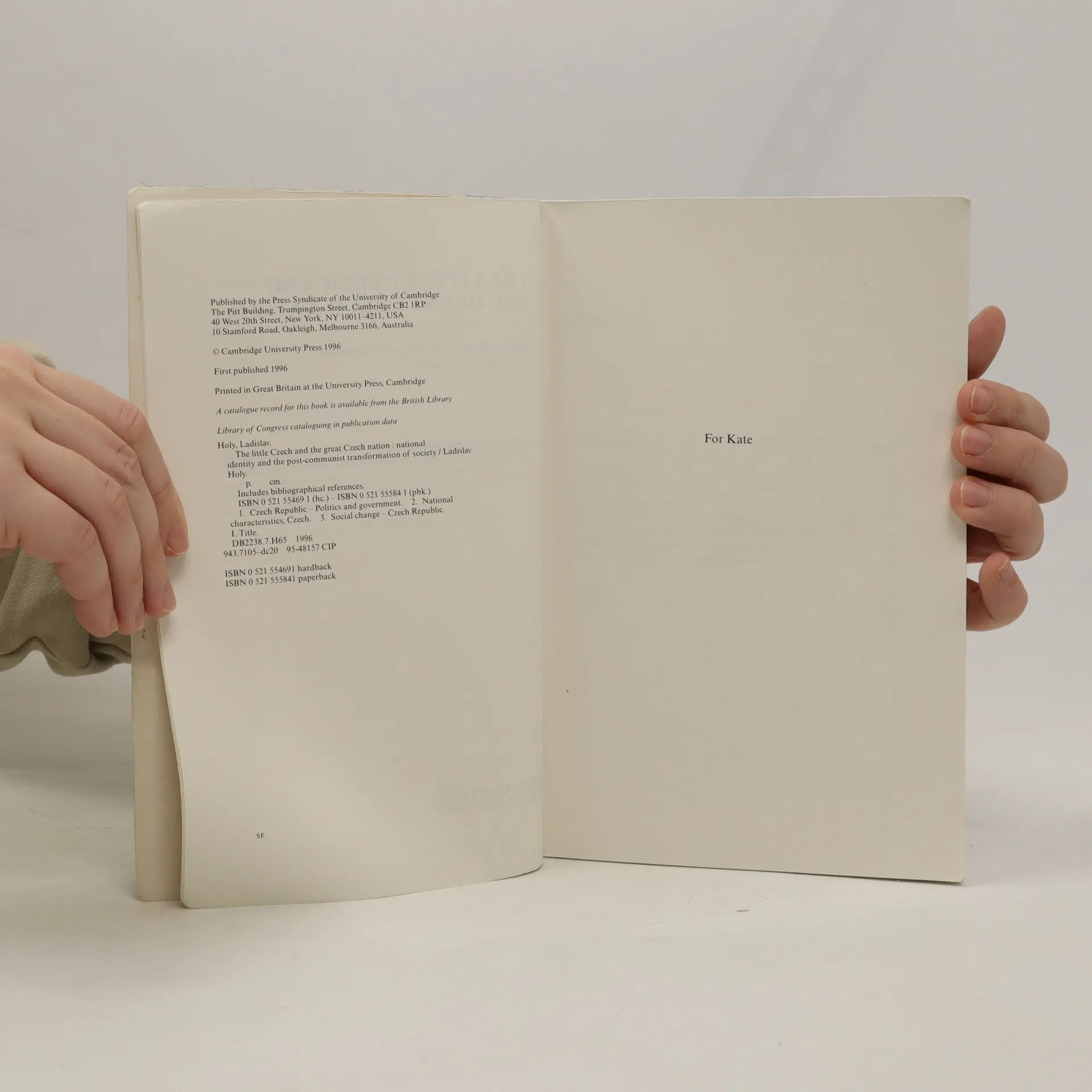
- Erscheinungsdatum
- 1996
- Einband
- (Paperback)
Hier könnte deine Bewertung stehen.
- Titel
- The little Czech and the great Czech nation
- Sprache
- Englisch
- Autor*innen
- Ladislav Holý
- Erscheinungsdatum
- 1996
- Einband
- Paperback
- Seitenzahl
- 248
- ISBN10
- 0521555841
- ISBN13
- 9780521555845
- Reihe
- Kuratierte Auswahl
- Cambridge studies in social and cultural anthropology
- Kategorien
- Schlagwörter
- Gesellschaft, Nationale Identität, 17. November, Tschechen, Postkommunismus, Postsocialismus, Tschechen und Slowaken
- Erstveröffentlichung
- 1996
- Originaltitel
- The Little Czech and the Great Czech Nation
- Bewertung
- 4,1 von 5 Sternen
- Beschreibung
- When Ladislav Holy precipitately left Czechoslovakia for the UK in 1968 he was already one of the leading anthropologists in Central Europe. In the following decades he made important field studies in Africa. Since 1986 he has been engaged in research in the Czech Republic, and he brings to this timely study of national identity the skills of a seasoned researcher, a cosmopolitan perspective, and the insights of an insider. Drawing on historical and literary sources as well as ethnography, he analyses Czech discourses on national identity. He argues that there were specifically 'Czech' aspects to the communist regime and to the 'velvet revolution', and paying particular attention to symbolic representations of what it means to be Czech, he explores how notions of Czech identity were involved in the debates surrounding the fall of communism, and the emergence of a new social system.