

Parameter
- 256 Seiten
- 9 Lesestunden
Mehr zum Buch
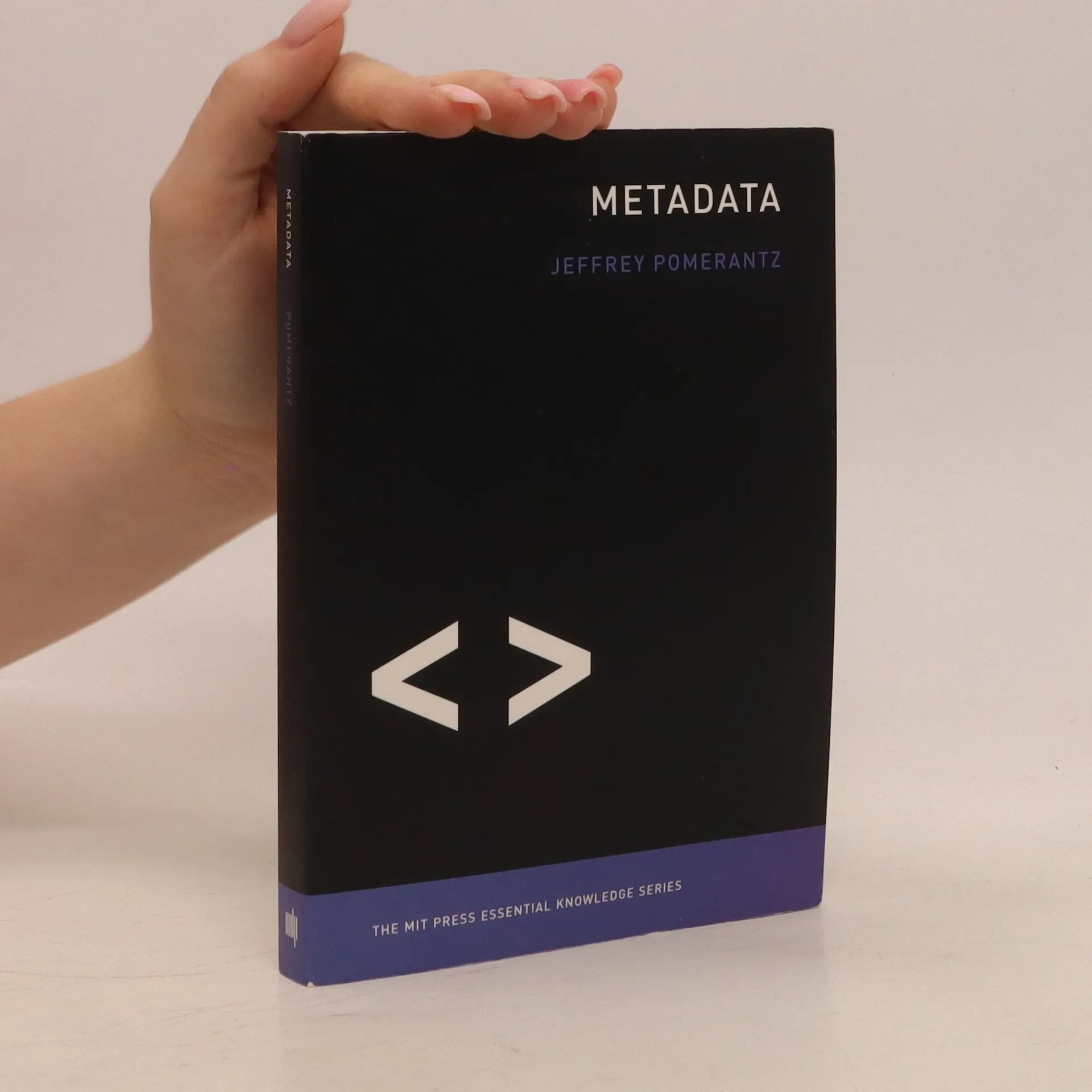
When "metadata" became a topic of public concern due to NSA surveillance reports, many encountered this previously obscure term. Should the public feel reassured that the NSA was "only" collecting metadata—such as information about callers, recipients, time, duration, and location—rather than actual conversations? This book introduces metadata, which has become as essential as the electrical grid or highway system in our daily lives. The author clarifies that metadata is not merely "data about data"; it simplifies the complexity of objects. When functioning effectively, metadata often goes unnoticed. The author explains various types of metadata—descriptive, administrative, structural, preservation, and use—and discusses their different users and applications. Additionally, he explores the technologies that enable modern metadata and speculates on its future. By the end, readers will recognize metadata's pervasive presence in their lives, as the author asserts that we inhabit a world shaped by metadata.


Buchkauf
Metadata, Jeffrey Pomerantz
- Sprache

- Erscheinungsdatum
- 2015
- Einband
- (Paperback)
Hier könnte deine Bewertung stehen.
- Titel
- Metadata
- Sprache
- Englisch
- Autor*innen
- Jeffrey Pomerantz
- Verlag
- MIT Press
- Erscheinungsdatum
- 2015
- Einband
- Paperback
- Seitenzahl
- 256
- ISBN10
- 0262331195
- ISBN13
- 9780262331197
- Reihe
- Schlagwörter
- Sachbücher, Technologie & Industrie, Computer & Internet, Wissenschaft, Technologie, Schule, Forschung, Buchwissenschaft, BID-Bereich
- Bewertung
- 3,75 von 5 Sternen
- Beschreibung
- When "metadata" became a topic of public concern due to NSA surveillance reports, many encountered this previously obscure term. Should the public feel reassured that the NSA was "only" collecting metadata—such as information about callers, recipients, time, duration, and location—rather than actual conversations? This book introduces metadata, which has become as essential as the electrical grid or highway system in our daily lives. The author clarifies that metadata is not merely "data about data"; it simplifies the complexity of objects. When functioning effectively, metadata often goes unnoticed. The author explains various types of metadata—descriptive, administrative, structural, preservation, and use—and discusses their different users and applications. Additionally, he explores the technologies that enable modern metadata and speculates on its future. By the end, readers will recognize metadata's pervasive presence in their lives, as the author asserts that we inhabit a world shaped by metadata.