


Mehr zum Buch
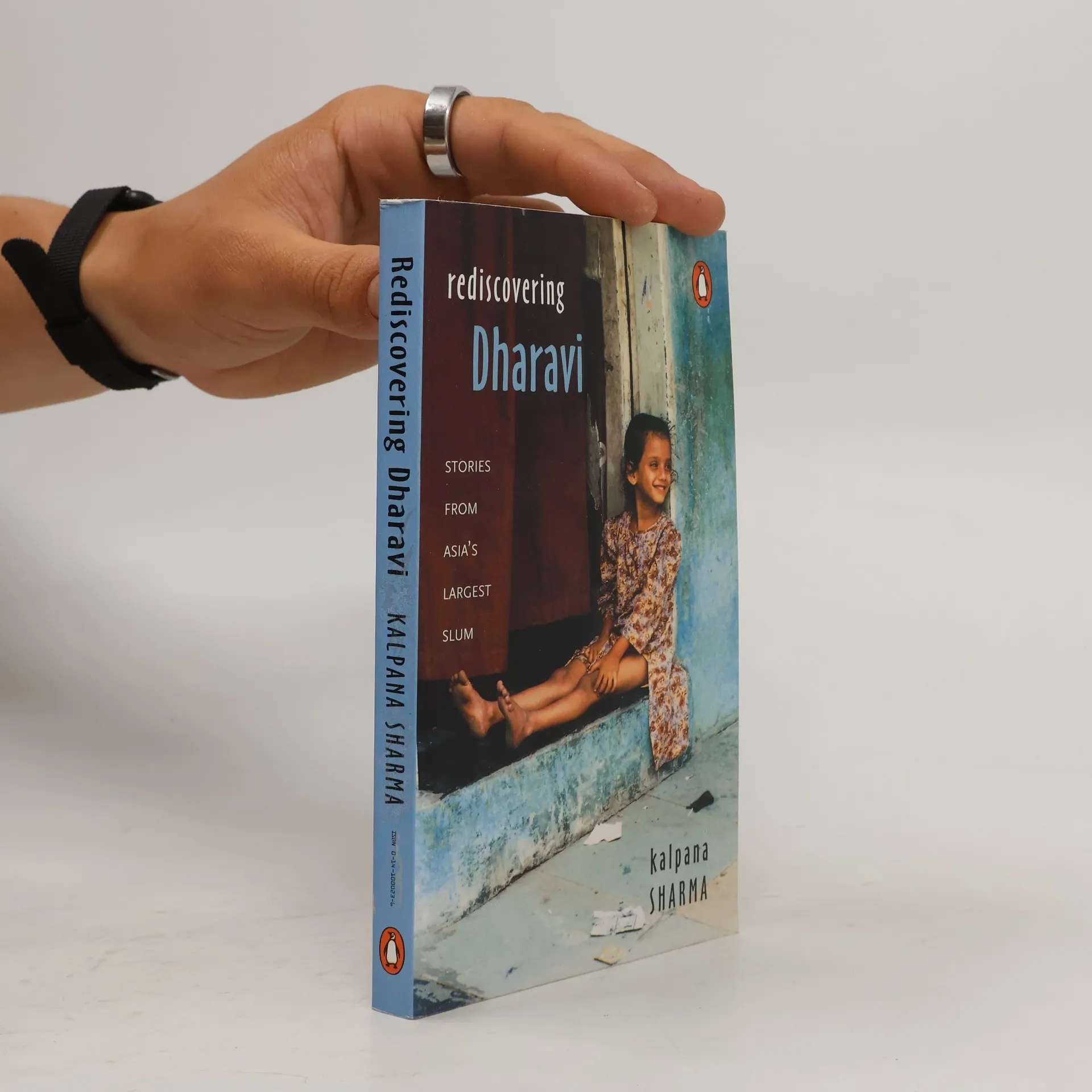
Spread over 175 hectares and home to one million people, Dharavi is often labeled as Asia's largest slum. However, it is much more than a mere statistic; it is defined by the extraordinary individuals who inhabit it. Journalist Kalpana Sharma brings their inspiring stories to life, showcasing how many have defied fate and an unhelpful state through hard work, luck, and ingenuity. She traces Dharavi's history from its origins as one of the six great Koliwadas or fishing villages to its current status, where nearly half of Mumbai's population resides in slums. Among the vibrant characters are Haji Shamsuddin, who transitioned from rice smuggler to successful peanut brittle entrepreneur; Ramjibhai Patel, a potter representing six generations of his family in Mumbai; and resilient women like Khatija and Amina, who played vital roles during the 1992-93 riots to maintain the community's social fabric. It is these often-anonymous individuals who have transformed Dharavi from a swamp into a thriving hub with numerous industrial units producing quality leather goods, garments, and food products. Written with sensitivity and empathy, this account celebrates the triumph of the human spirit over adversity and poverty.
Buchkauf
Rediscovering Dharavi, Kalpana Sharma
- Sprache

- Erscheinungsdatum
- 2000
- Einband
- (Paperback)
Hier könnte deine Bewertung stehen.
- Titel
- Rediscovering Dharavi
- Sprache
- Englisch
- Autor*innen
- Kalpana Sharma
- Verlag
- Penguin Books India
- Erscheinungsdatum
- 2000
- Einband
- Paperback
- ISBN10
- 0141000236
- ISBN13
- 9780141000237
- Reihe
- Kategorien
- Schlagwörter
- Historisches Thema, Indien, Indische Literatur
- Bewertung
- 3,6 von 5 Sternen
- Beschreibung
- Spread over 175 hectares and home to one million people, Dharavi is often labeled as Asia's largest slum. However, it is much more than a mere statistic; it is defined by the extraordinary individuals who inhabit it. Journalist Kalpana Sharma brings their inspiring stories to life, showcasing how many have defied fate and an unhelpful state through hard work, luck, and ingenuity. She traces Dharavi's history from its origins as one of the six great Koliwadas or fishing villages to its current status, where nearly half of Mumbai's population resides in slums. Among the vibrant characters are Haji Shamsuddin, who transitioned from rice smuggler to successful peanut brittle entrepreneur; Ramjibhai Patel, a potter representing six generations of his family in Mumbai; and resilient women like Khatija and Amina, who played vital roles during the 1992-93 riots to maintain the community's social fabric. It is these often-anonymous individuals who have transformed Dharavi from a swamp into a thriving hub with numerous industrial units producing quality leather goods, garments, and food products. Written with sensitivity and empathy, this account celebrates the triumph of the human spirit over adversity and poverty.