

Mehr zum Buch
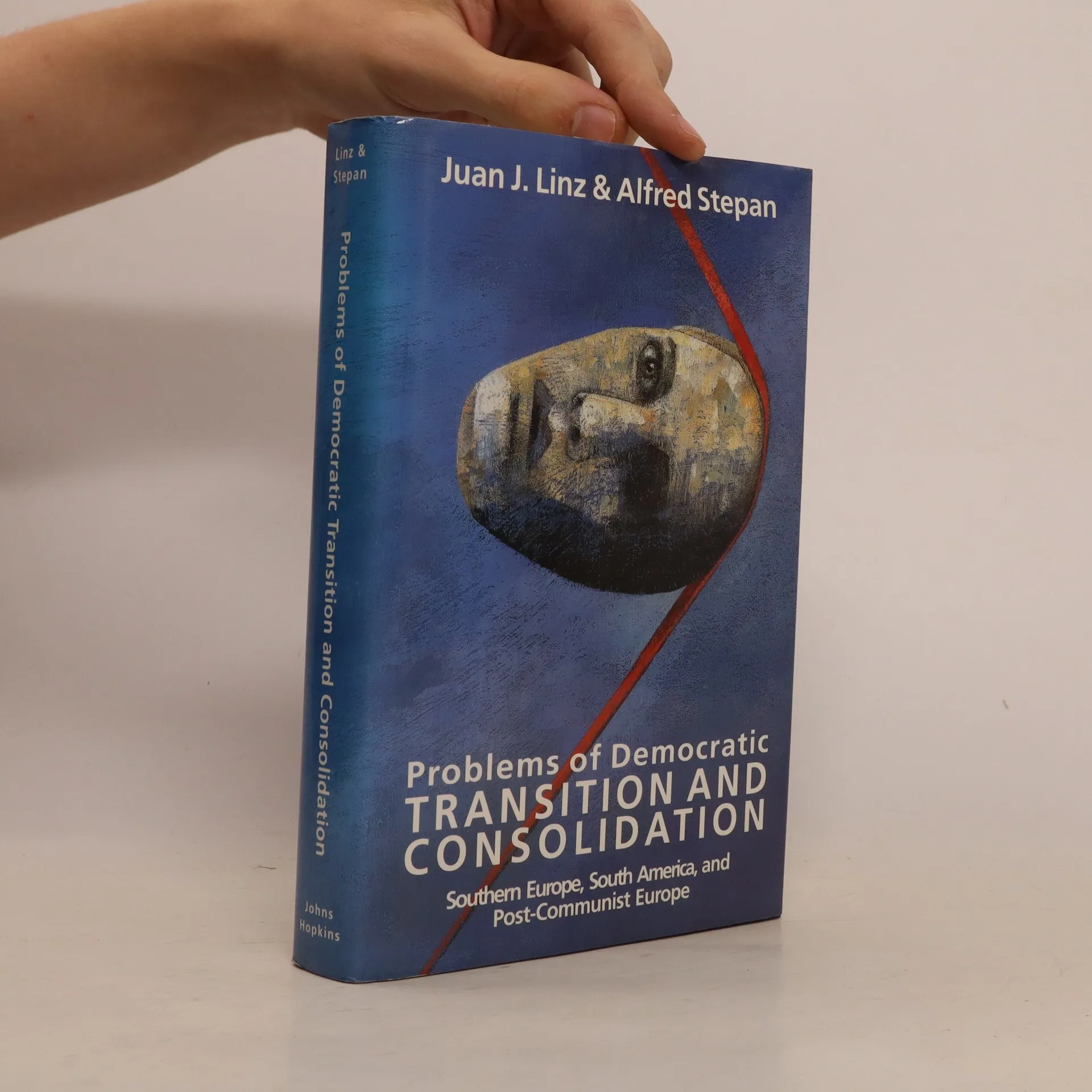
Since their classic volume The Breakdown of Democratic Regimes was published in 1978, Juan J. Linz and Alfred Stepan have increasingly focused on the questions of how, in the modern world, nondemocratic regimes can be eroded and democratic regimes crafted. In Problems of Democratic Transition and Consolidation, they break new ground in numerous areas. They reconceptualize the major types of modern nondemocratic regimes and point out for each type the available paths to democratic transition and the tasks of democratic consolidation. They argue that, although "nation-state" and "democracy" often have conflicting logics, multiple and complementary political identities are feasible under a common roof of state-guaranteed rights


Buchkauf
Problems of Democratic Transition and Consolidation, Juan J. Linz, Alfred Stepan
- Sprache

- Erscheinungsdatum
- 1996
- product-detail.submit-box.info.binding
- (Hardcover)
Hier könnte deine Bewertung stehen.
- Sprache
- Englisch
- Autor*innen
- Juan J. Linz, Alfred Stepan
- Verlag
- JHU Press
- Erscheinungsdatum
- 1996
- Einband
- Hardcover
- ISBN10
- 0801851572
- ISBN13
- 9780801851575
- Reihe
- Schlagwörter
- Sachbücher, Sozialwissenschaften, Historisches Thema, Geschichte, Politikwissenschaft, Politik
- Bewertung
- 4 von 5 Sternen
- Beschreibung
- Since their classic volume The Breakdown of Democratic Regimes was published in 1978, Juan J. Linz and Alfred Stepan have increasingly focused on the questions of how, in the modern world, nondemocratic regimes can be eroded and democratic regimes crafted. In Problems of Democratic Transition and Consolidation, they break new ground in numerous areas. They reconceptualize the major types of modern nondemocratic regimes and point out for each type the available paths to democratic transition and the tasks of democratic consolidation. They argue that, although "nation-state" and "democracy" often have conflicting logics, multiple and complementary political identities are feasible under a common roof of state-guaranteed rights