


Mehr zum Buch
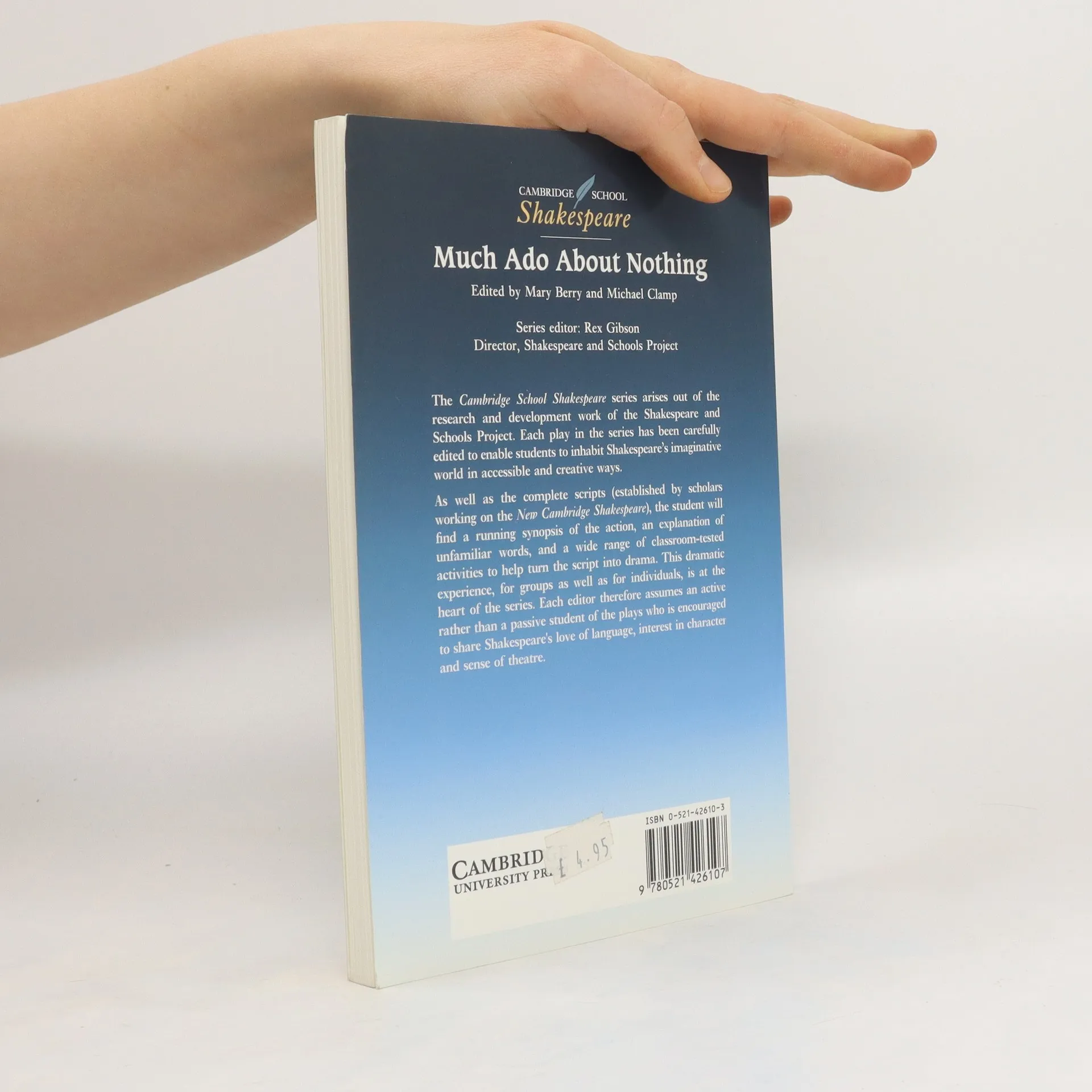
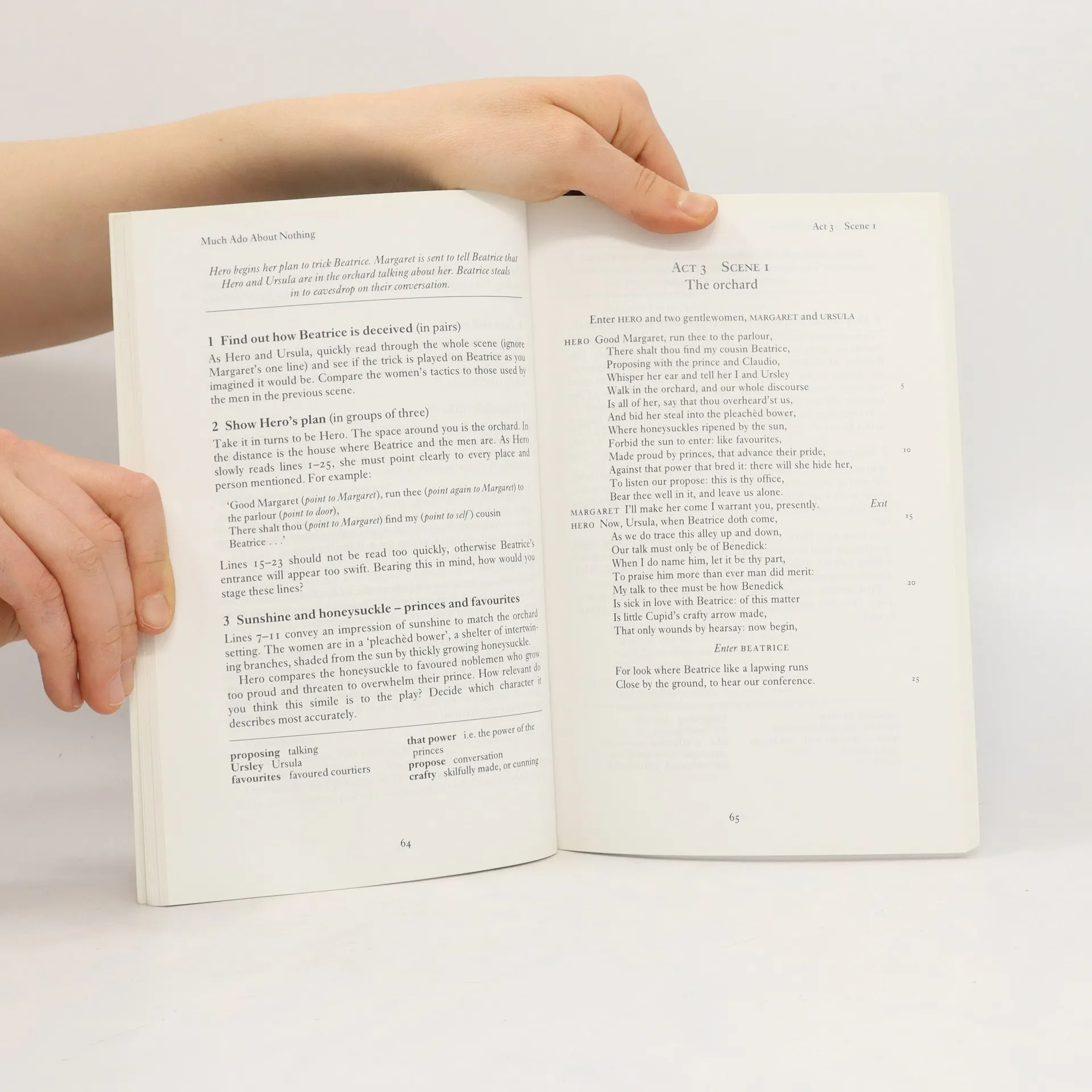
This edition of Much Ado About Nothing, one of Shakespeare's most delightful and theatrically successful comedies, offers, along with a freshly edited text, an exceptionally helpful and critically aware Introduction and commentary. Paying particular attention in his Introduction to analysis of the play's minor characters, Sheldon P. Zitner discusses Shakespeare's social transformation of his source material, rethinking the attitudes to gender relations that underlie the comedy and determine its ruefully optimistic view of marriage. Interpretations are advanced less because they are arguable than because they are actable. Allowing for the play's openness to re-interpretation by successive generations of readers and performers, the editor provides a socially analytic stage history. Full notes and commentary continue previous editors' work of clarifying textual and performance problems of interest to both readers and actors.







Buchkauf
Much Ado about Nothing, William Shakespeare
- Sprache

- Erscheinungsdatum
- 1992
- product-detail.submit-box.info.binding
- (Paperback)
Hier könnte deine Bewertung stehen.
- Sprache
- Englisch
- Autor*innen
- William Shakespeare
- Erscheinungsdatum
- 1992
- Einband
- Paperback
- Seitenzahl
- 188
- ISBN10
- 0521426103
- ISBN13
- 9780521426107
- Reihe
- Schlagwörter
- Belletristik, Humor, Liebe, Klassiker, Schule, Südeuropa, Italien, England, Komödien, Intrigen
- Erstveröffentlichung
- 1597
- Originaltitel
- Much Ado About Nothing
- Bewertung
- 4 von 5 Sternen
- Beschreibung
- This edition of Much Ado About Nothing, one of Shakespeare's most delightful and theatrically successful comedies, offers, along with a freshly edited text, an exceptionally helpful and critically aware Introduction and commentary. Paying particular attention in his Introduction to analysis of the play's minor characters, Sheldon P. Zitner discusses Shakespeare's social transformation of his source material, rethinking the attitudes to gender relations that underlie the comedy and determine its ruefully optimistic view of marriage. Interpretations are advanced less because they are arguable than because they are actable. Allowing for the play's openness to re-interpretation by successive generations of readers and performers, the editor provides a socially analytic stage history. Full notes and commentary continue previous editors' work of clarifying textual and performance problems of interest to both readers and actors.