

Mehr zum Buch
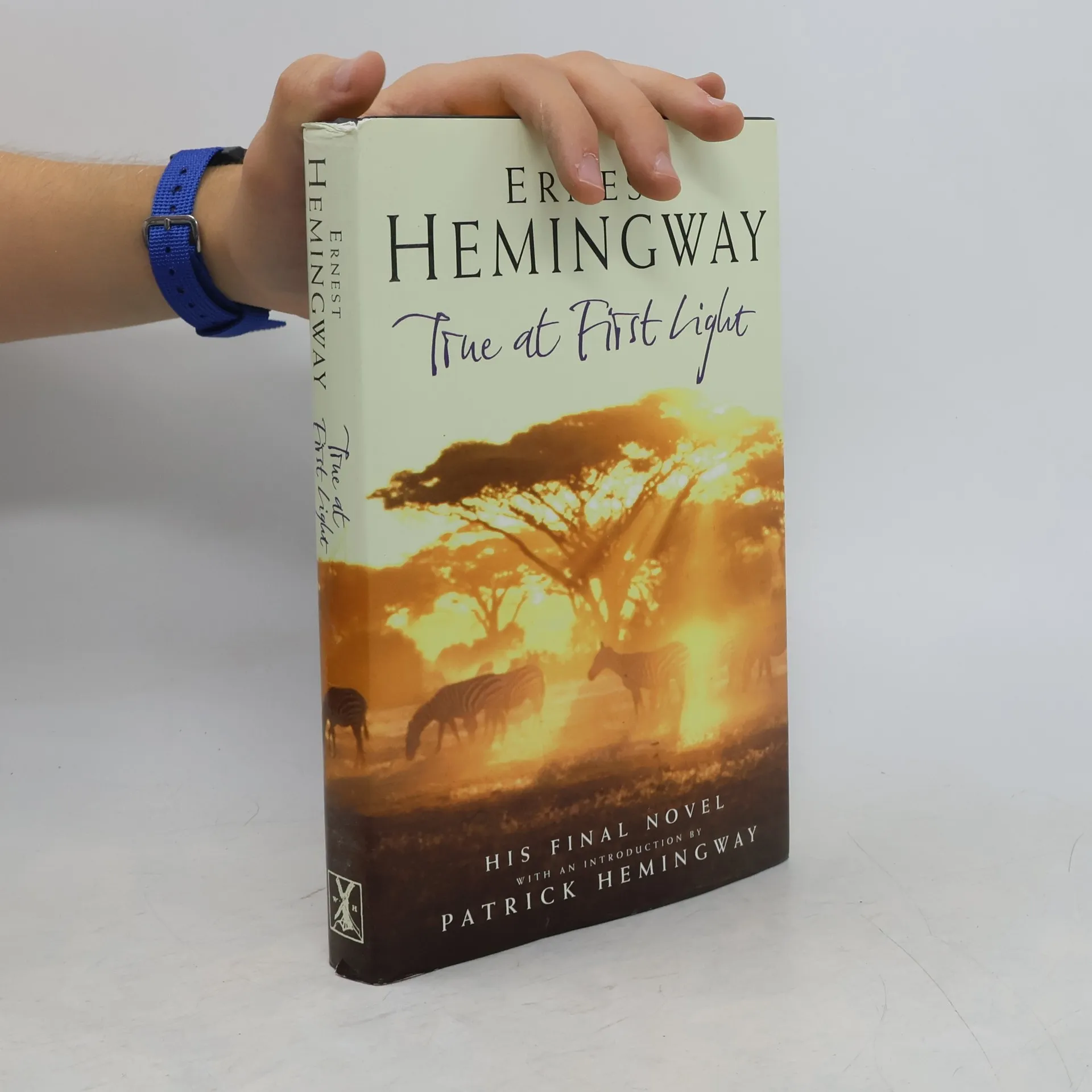
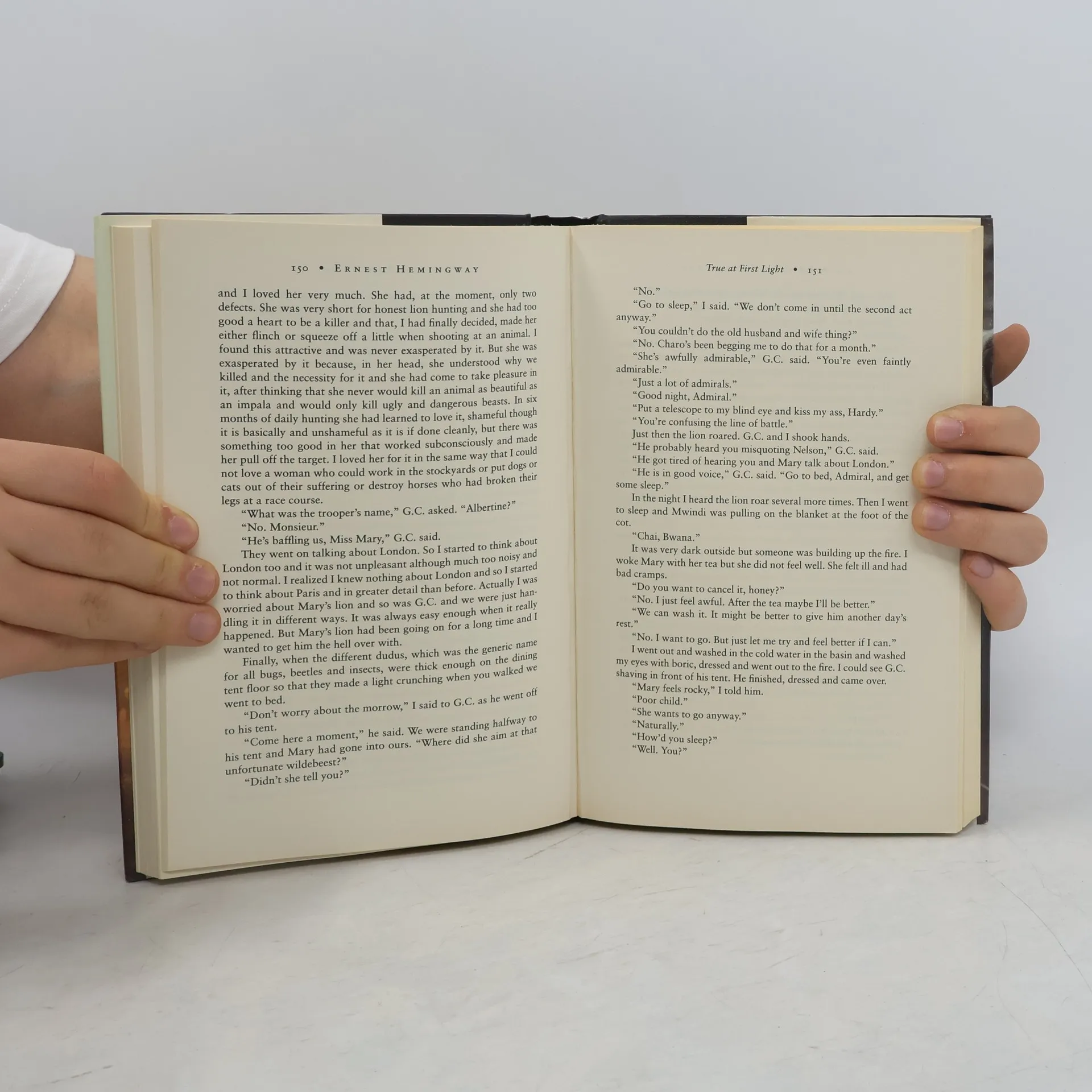
Ernest Hemingway's final posthumous work is labeled "a fictional memoir," emerging amid controversial editing. Despite lacking the clarity of his best works, it remains quintessentially Hemingway. The narrative unfolds against the backdrop of the Mau Mau rebellion in 1953 Kenya, where the era of "great white hunters" is fading. Hemingway is portrayed as a revered figure by the local gun bearers and scouts. The story follows two parallel quests: Mary, Hemingway's fourth wife, pursues a massive black-maned lion, while Hemingway becomes infatuated with Debba, a young African woman. Intriguingly, Mary accepts Debba as a "supplementary wife," all while criticizing Hemingway for his drinking and behavior in camp. Atmosphere and attitude overshadow plot, with Mary confronting Hemingway as a "conscience-ridden murderer," a stance that heightens the tension in the hunting scenes. Hemingway's reflections on the lion he describes as "Mary's lion" evoke a poignant beauty, illustrating his mastery of language. While some criticize the book's structure and moments of self-indulgence, the power of Hemingway's prose shines through. The work's value lies in its raw honesty, offering a glimpse of a master navigating his creative process.







Buchkauf
True at First Light: With an Introduction by Patrick Hemingway, Ernest Hemingway, Patrick Hemingway
- Sprache

- Erscheinungsdatum
- 1999
- product-detail.submit-box.info.binding
- (Hardcover),
- Buchzustand
- Gebraucht - Gut
- Preis
- € 3,99
Hier könnte deine Bewertung stehen.
- Sprache
- Englisch
- Autor*innen
- Ernest Hemingway, Patrick Hemingway
- Verlag
- William Heinemann Ltd
- Erscheinungsdatum
- 1999
- Einband
- Hardcover
- Seitenzahl
- 319
- ISBN10
- 0434007811
- ISBN13
- 9780434007813
- Reihe
- Schlagwörter
- Belletristik, Reisen, Abenteuer, Religiöse Themen, Klassiker, Amerikanische Literatur, Afrika, Amerika, Nobelpreis, Autobiografische Romane, Kenia, Safari
- Erstveröffentlichung
- 1999
- Originaltitel
- True at First Light
- Bewertung
- 3,35 von 5 Sternen
- Beschreibung
- Ernest Hemingway's final posthumous work is labeled "a fictional memoir," emerging amid controversial editing. Despite lacking the clarity of his best works, it remains quintessentially Hemingway. The narrative unfolds against the backdrop of the Mau Mau rebellion in 1953 Kenya, where the era of "great white hunters" is fading. Hemingway is portrayed as a revered figure by the local gun bearers and scouts. The story follows two parallel quests: Mary, Hemingway's fourth wife, pursues a massive black-maned lion, while Hemingway becomes infatuated with Debba, a young African woman. Intriguingly, Mary accepts Debba as a "supplementary wife," all while criticizing Hemingway for his drinking and behavior in camp. Atmosphere and attitude overshadow plot, with Mary confronting Hemingway as a "conscience-ridden murderer," a stance that heightens the tension in the hunting scenes. Hemingway's reflections on the lion he describes as "Mary's lion" evoke a poignant beauty, illustrating his mastery of language. While some criticize the book's structure and moments of self-indulgence, the power of Hemingway's prose shines through. The work's value lies in its raw honesty, offering a glimpse of a master navigating his creative process.