

Parameter
Mehr zum Buch
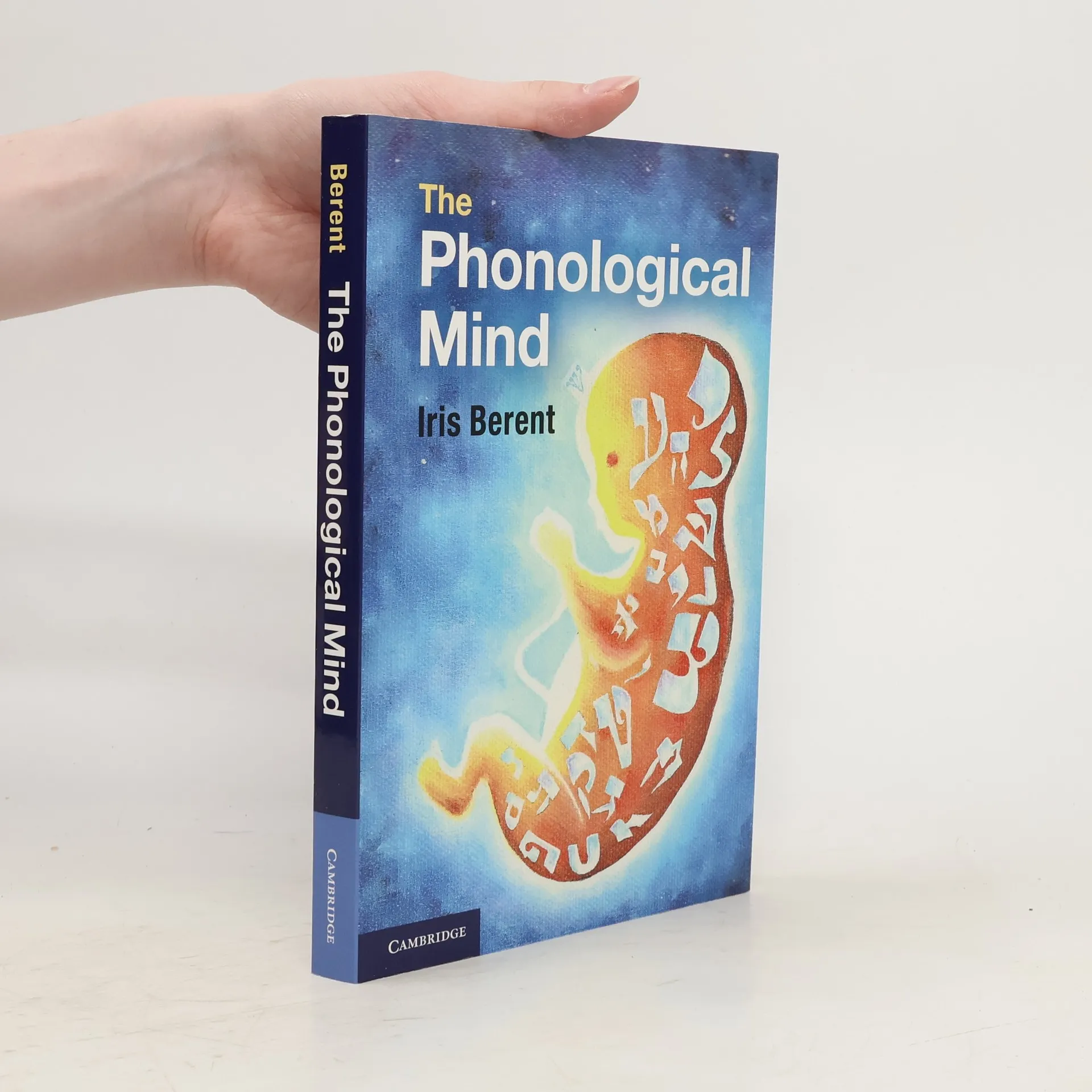
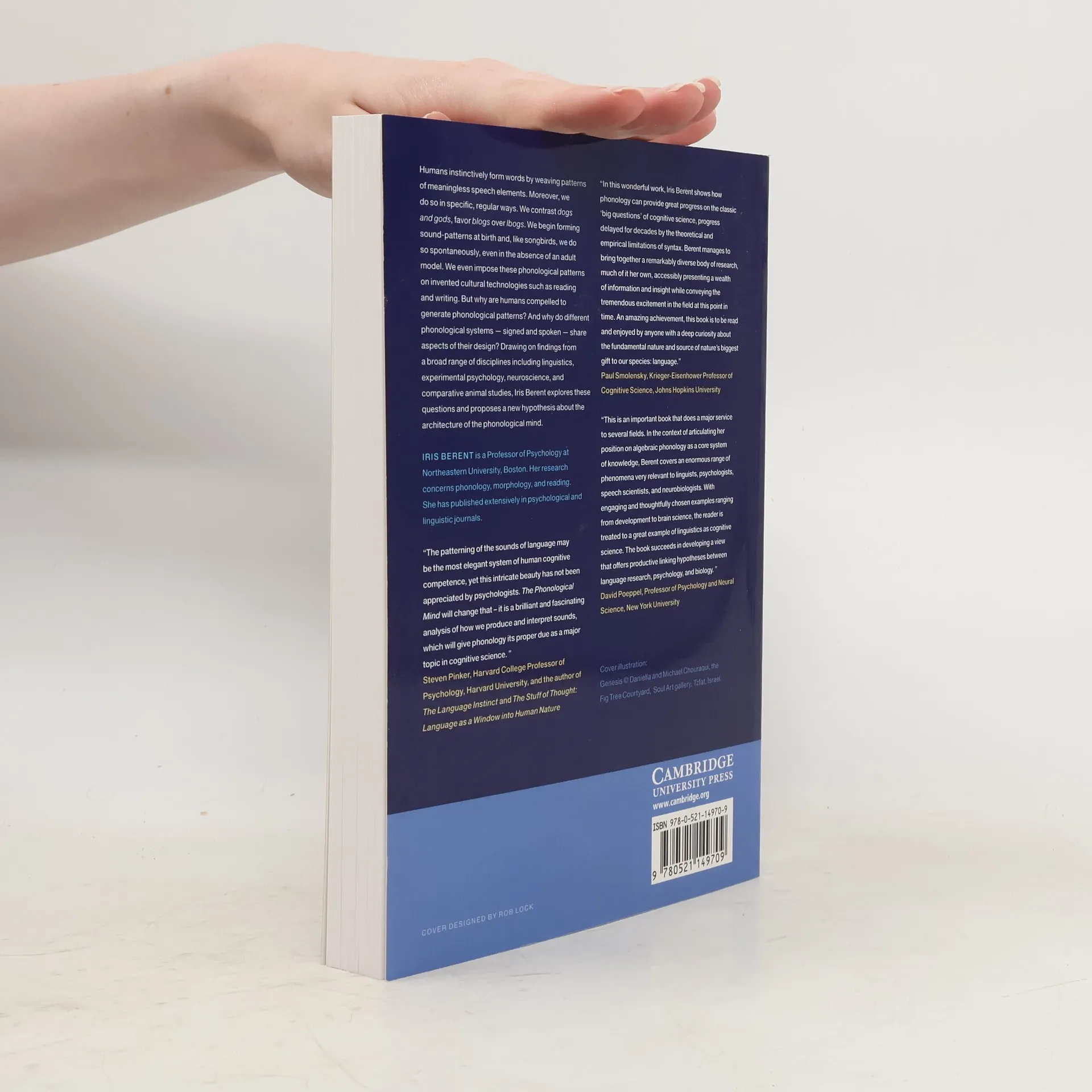
Humans instinctively form words by weaving patterns of meaningless speech elements. Moreover, we do so in specific, regular ways. We contrast dogs and gods, favour blogs to lbogs. We begin forming sound-patterns at birth and, like songbirds, we do so spontaneously, even in the absence of an adult model. We even impose these phonological patterns on invented cultural technologies such as reading and writing. But why are humans compelled to generate phonological patterns? And why do different phonological systems – signed and spoken – share aspects of their design? Drawing on findings from a broad range of disciplines including linguistics, experimental psychology, neuroscience and comparative animal studies, Iris Berent explores these questions and proposes a new hypothesis about the architecture of the phonological mind.
Buchkauf
The Phonological Mind, Iris Berent
- Sprache

- Erscheinungsdatum
- 2013
- Einband
- (Paperback)
Hier könnte deine Bewertung stehen.
- Titel
- The Phonological Mind
- Sprache
- Englisch
- Autor*innen
- Iris Berent
- Erscheinungsdatum
- 2013
- Einband
- Paperback
- ISBN10
- 0521149703
- ISBN13
- 9780521149709
- Reihe
- Kategorien
- Schlagwörter
- Linguistik
- Bewertung
- 3 von 5 Sternen
- Beschreibung
- Humans instinctively form words by weaving patterns of meaningless speech elements. Moreover, we do so in specific, regular ways. We contrast dogs and gods, favour blogs to lbogs. We begin forming sound-patterns at birth and, like songbirds, we do so spontaneously, even in the absence of an adult model. We even impose these phonological patterns on invented cultural technologies such as reading and writing. But why are humans compelled to generate phonological patterns? And why do different phonological systems – signed and spoken – share aspects of their design? Drawing on findings from a broad range of disciplines including linguistics, experimental psychology, neuroscience and comparative animal studies, Iris Berent explores these questions and proposes a new hypothesis about the architecture of the phonological mind.