

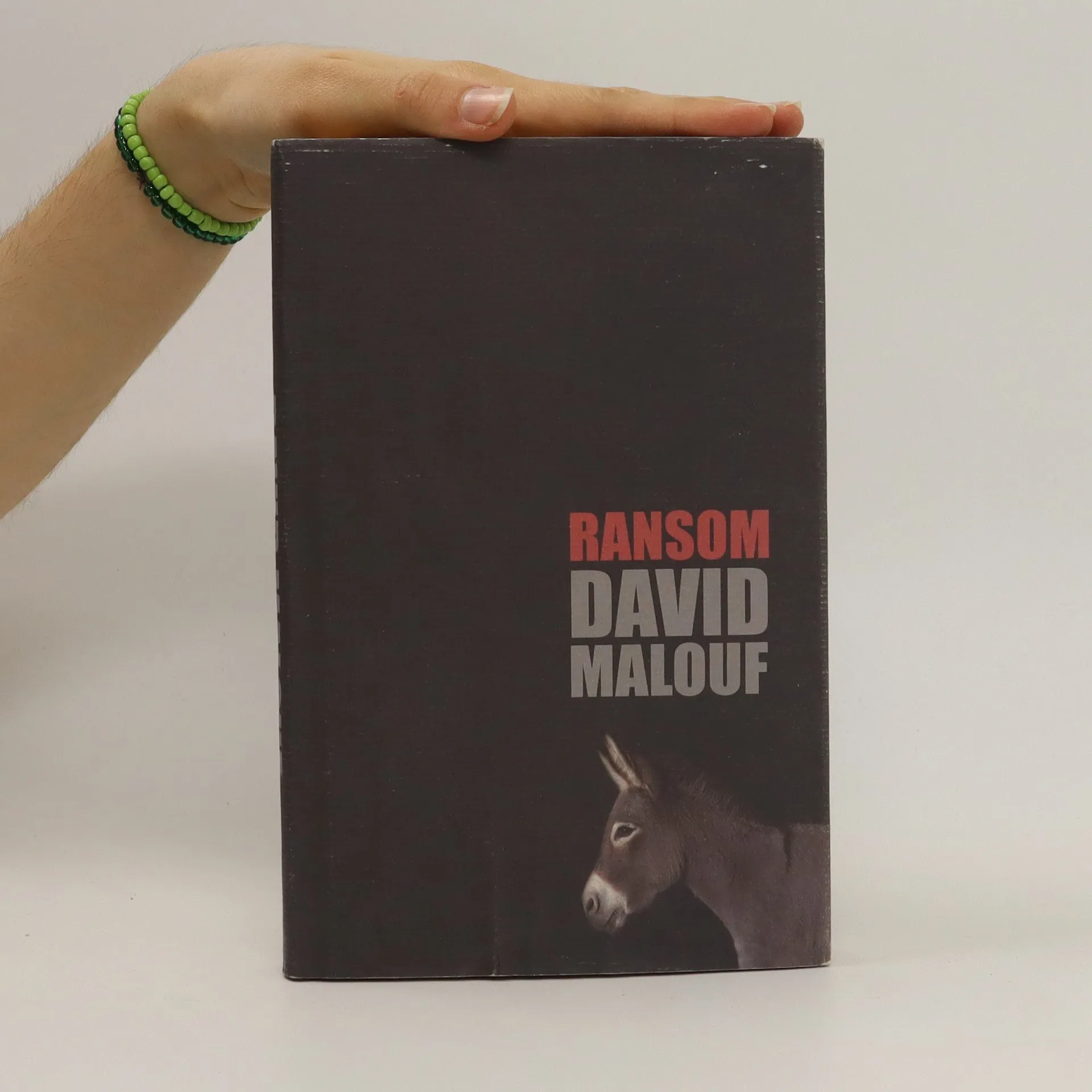




Mehr zum Buch
A reimagination of one of the most famous stories in all of literature-Achilles's slaughter and desecration of Hector, and Priam's attempt to ransom his son's body in Homer's "The Iliad"-Ransom is the first novel in more than a decade from David Malouf, arguably Australia's greatest living writer. A novel of suffering, sorrow, and redemption, "Ransom "tells the story of the relationship between two grieving men at war: fierce Achilles, who has lost his beloved Patroclus in the siege of Troy; and Priam, king of Troy, whose son Hector killed Patroclus and was in turn savaged by Achilles. Each man's grief demands a confrontation with the other's if it is to be resolved: a resolution more compelling to both than the demands of war. And when the aged father and the murderer of his son meet, "the past and present blend, enemies exchange places, hatred turns to understanding, youth pities age mourning youth."
Sprache



Buchkauf
Ransom, David Malouf
- Sprache

- Erscheinungsdatum
- 2009
- product-detail.submit-box.info.binding
- (Hardcover)
Hier könnte deine Bewertung stehen.
- Titel
- Ransom
- Sprache
- Englisch
- Autor*innen
- David Malouf
- Verlag
- Vintage
- Erscheinungsdatum
- 2009
- Einband
- Hardcover
- Seitenzahl
- 224
- ISBN10
- 1741668379
- ISBN13
- 9781741668377
- Reihe
- Schlagwörter
- Belletristik, Krimi & Thriller, Fantasy, Historische Romane, Krimi, Schule, Mythologie
- Bewertung
- 3,7 von 5 Sternen
- Beschreibung
- A reimagination of one of the most famous stories in all of literature-Achilles's slaughter and desecration of Hector, and Priam's attempt to ransom his son's body in Homer's "The Iliad"-Ransom is the first novel in more than a decade from David Malouf, arguably Australia's greatest living writer. A novel of suffering, sorrow, and redemption, "Ransom "tells the story of the relationship between two grieving men at war: fierce Achilles, who has lost his beloved Patroclus in the siege of Troy; and Priam, king of Troy, whose son Hector killed Patroclus and was in turn savaged by Achilles. Each man's grief demands a confrontation with the other's if it is to be resolved: a resolution more compelling to both than the demands of war. And when the aged father and the murderer of his son meet, "the past and present blend, enemies exchange places, hatred turns to understanding, youth pities age mourning youth."