



Parameter
- 376 Seiten
- 14 Lesestunden
Mehr zum Buch
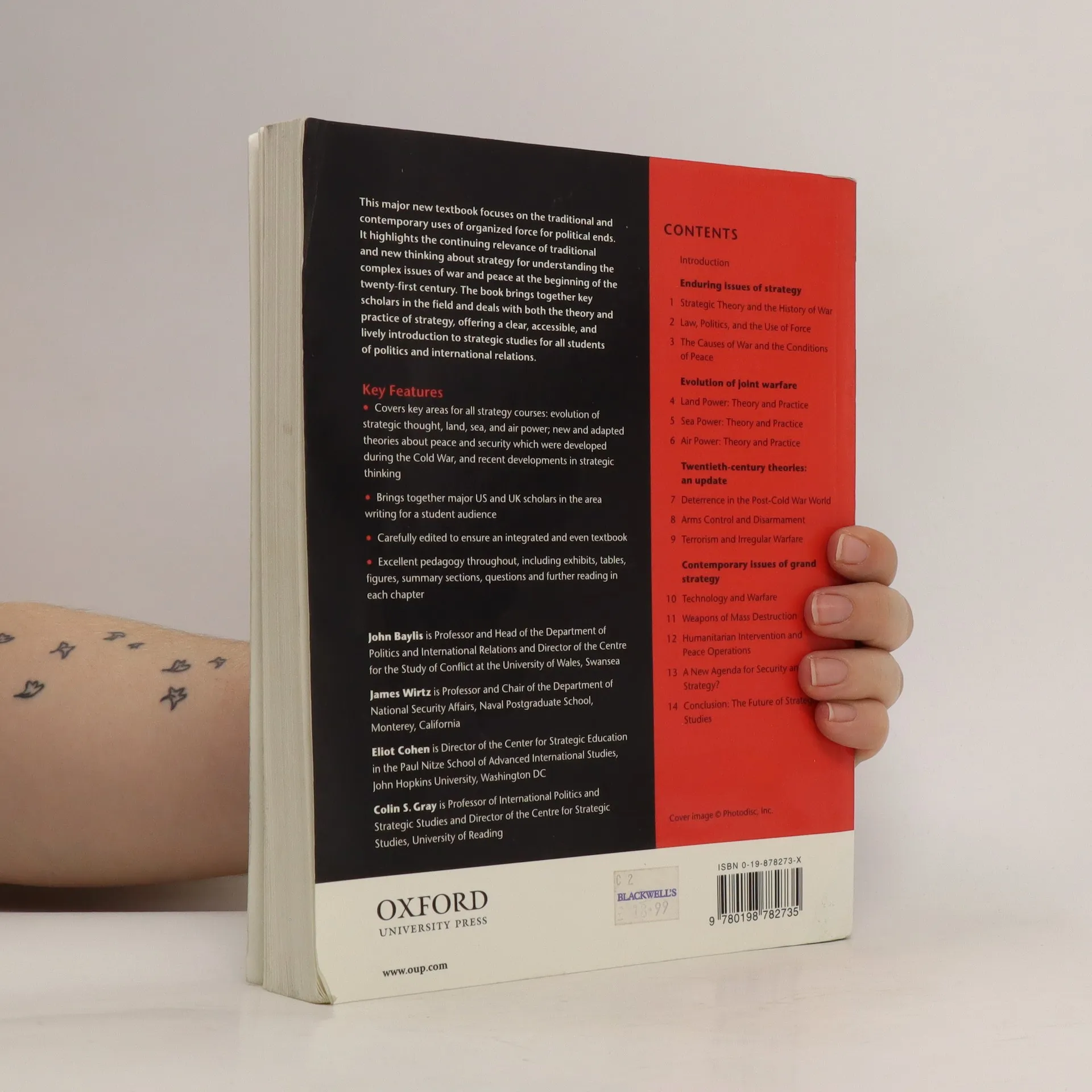
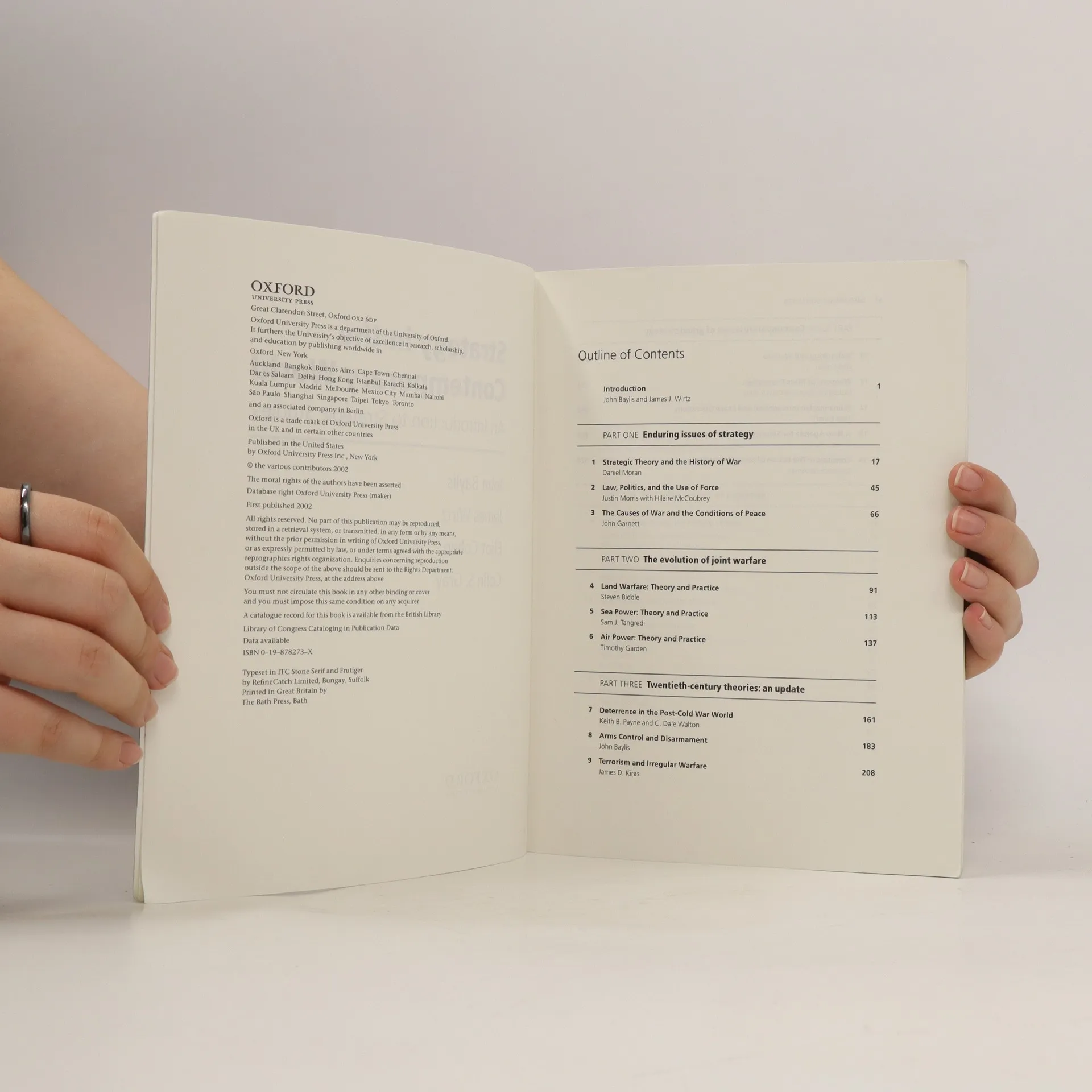
This major new textbook explores the traditional and contemporary uses of organized force for political purposes, bringing together leading scholars in the field to address both strategy theory and practice. It emphasizes the ongoing significance of various strategic approaches in understanding the complexities of war and peace in the early twenty-first century. The volume opens with an introduction from the editors that underscores the central theme: the historical and ongoing role of military power in achieving political objectives. The content is organized into four main sections: the evolution of strategic thought; the theory and practice of land, sea, and air power; new and adapted theories of peace and security that emerged during the Cold War; and developments in strategic thinking and practice since the Cold War, including concepts like Revolution in Military Affairs, Information (Cyber) Warfare, and Space Warfare. The book concludes by revisiting themes from the introduction and discussing future directions for strategic studies. With careful editing and strong pedagogical elements, this textbook serves as a clear, accessible, and engaging introduction to strategic studies for students of politics and international relations.


Buchkauf
Strategy in the Contemporary World, John Baylis
- Sprache

- Erscheinungsdatum
- 2002
- product-detail.submit-box.info.binding
- (Paperback)
Hier könnte deine Bewertung stehen.
- Sprache
- Englisch
- Autor*innen
- John Baylis
- Erscheinungsdatum
- 2002
- Einband
- Paperback
- Seitenzahl
- 376
- ISBN10
- 019878273X
- ISBN13
- 9780198782735
- Reihe
- Schlagwörter
- Sachbücher, Sozialwissenschaften, Politikwissenschaft, Handbücher und Anleitungen, Politik, Kriegsliteratur, Kriege, Geschenke für Opa, Internationale Beziehungen
- Bewertung
- 3,8 von 5 Sternen
- Beschreibung
- This major new textbook explores the traditional and contemporary uses of organized force for political purposes, bringing together leading scholars in the field to address both strategy theory and practice. It emphasizes the ongoing significance of various strategic approaches in understanding the complexities of war and peace in the early twenty-first century. The volume opens with an introduction from the editors that underscores the central theme: the historical and ongoing role of military power in achieving political objectives. The content is organized into four main sections: the evolution of strategic thought; the theory and practice of land, sea, and air power; new and adapted theories of peace and security that emerged during the Cold War; and developments in strategic thinking and practice since the Cold War, including concepts like Revolution in Military Affairs, Information (Cyber) Warfare, and Space Warfare. The book concludes by revisiting themes from the introduction and discussing future directions for strategic studies. With careful editing and strong pedagogical elements, this textbook serves as a clear, accessible, and engaging introduction to strategic studies for students of politics and international relations.