

Mehr zum Buch
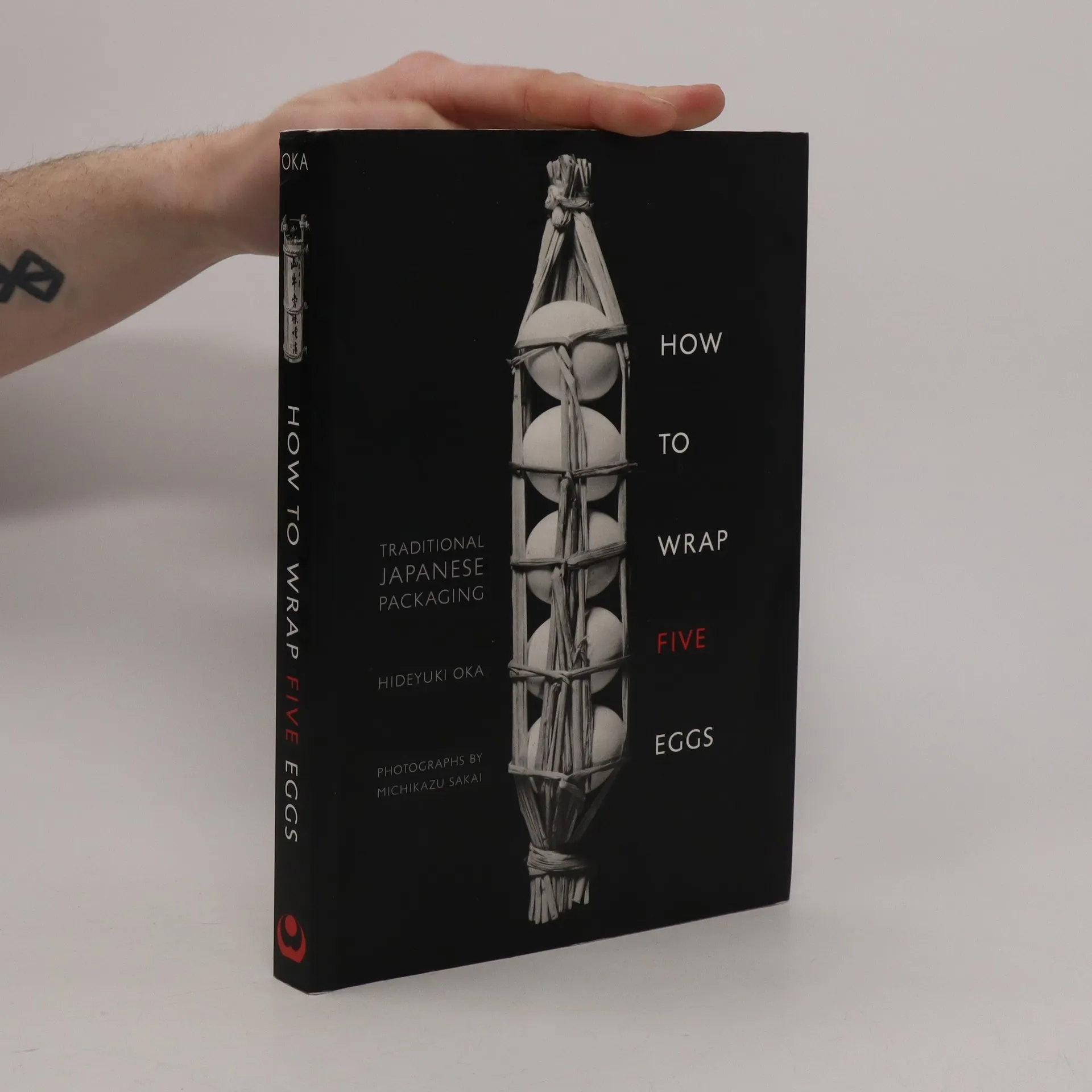
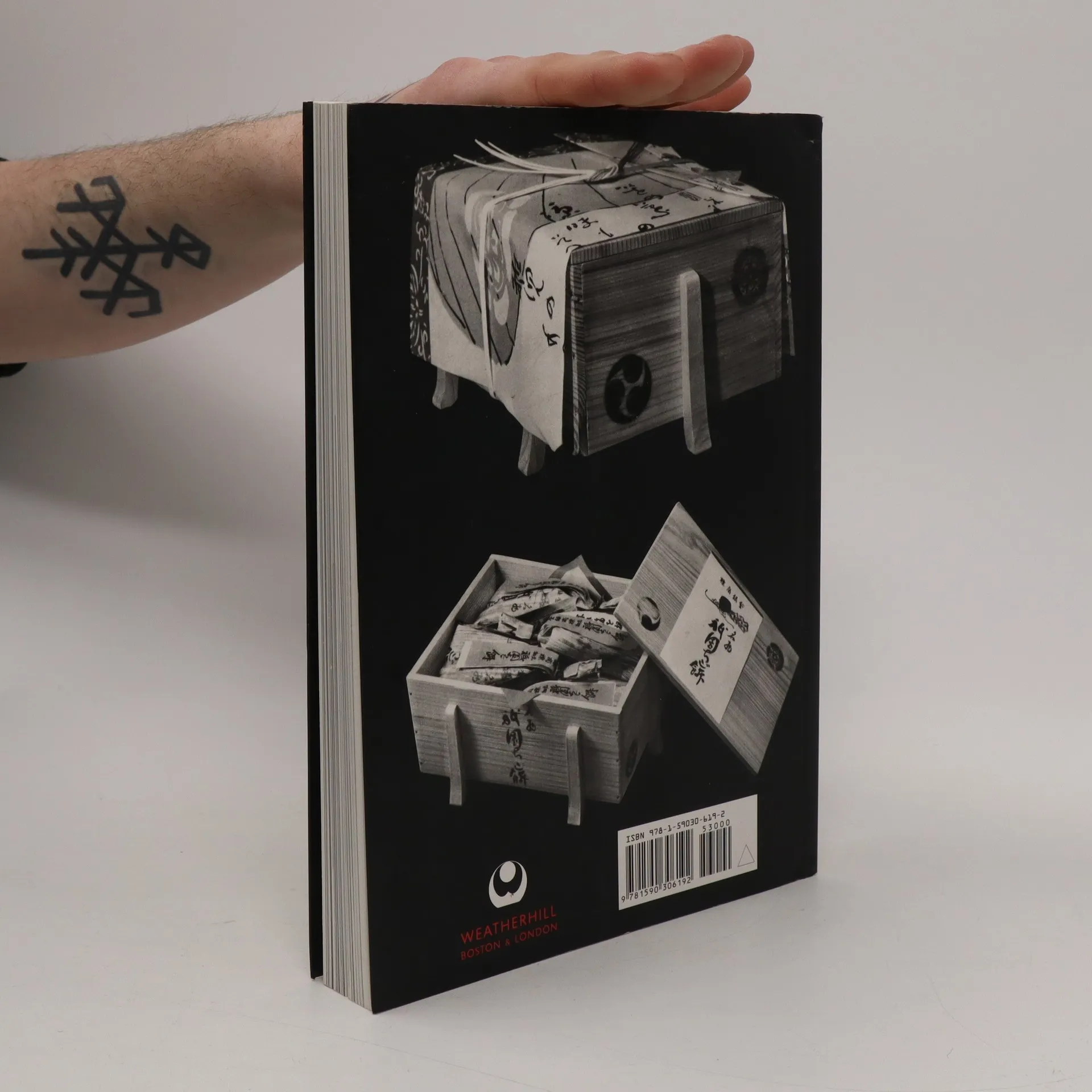
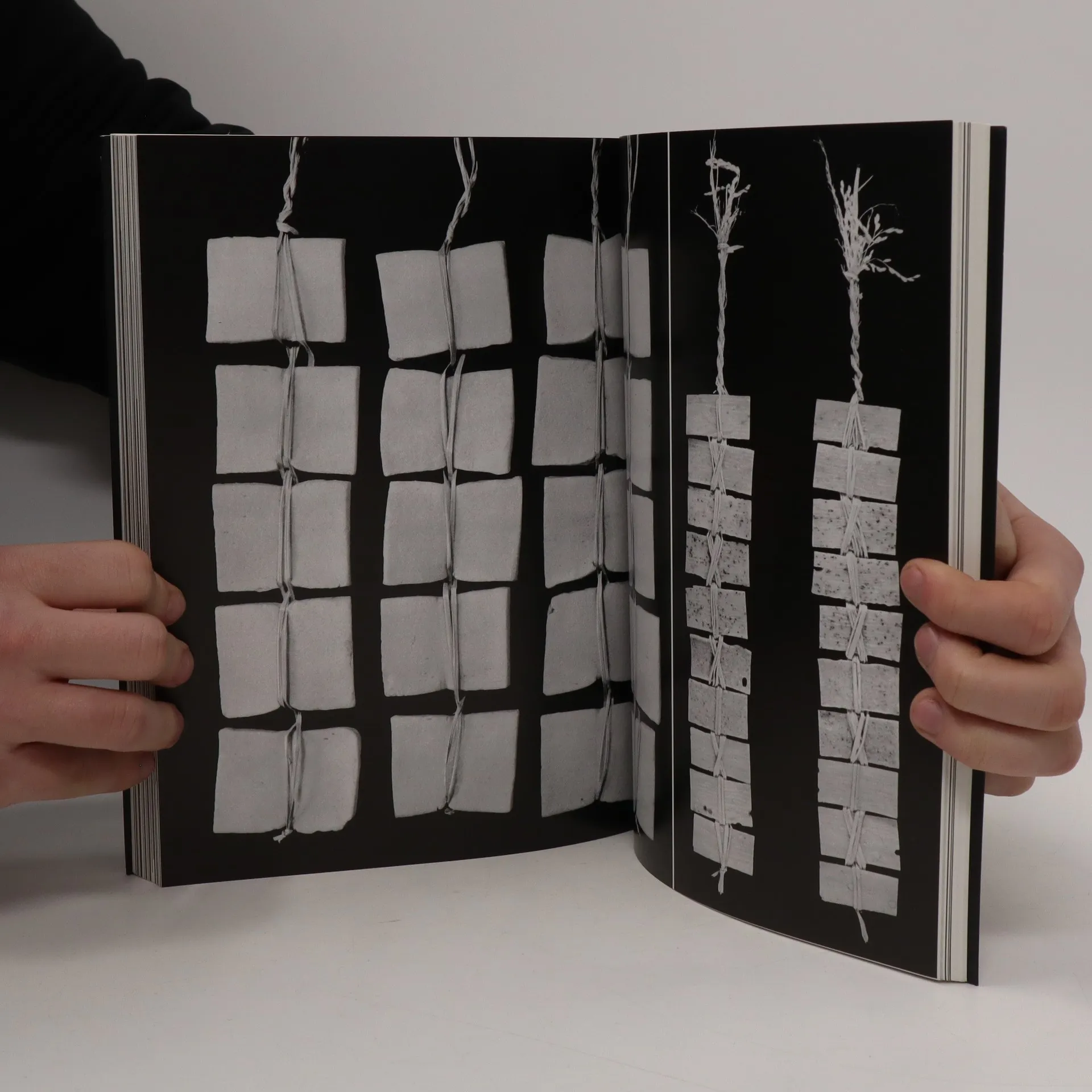
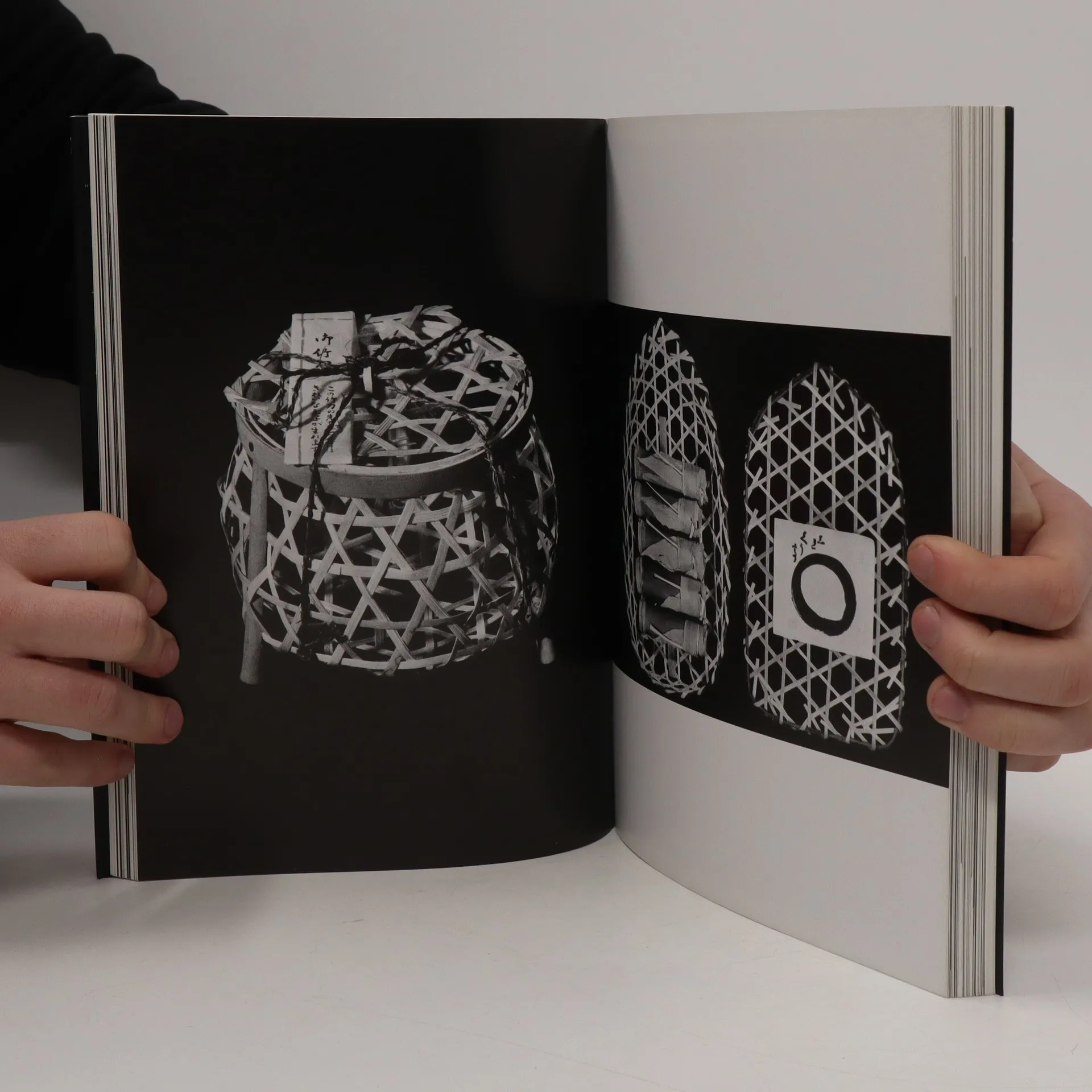
Traditional Japanese packaging is an art form that combines sophisticated design with natural aesthetics. This elegant presentation showcases baskets, boxes, wrappers, and containers used in everyday life, reflecting a time before mass production. Crafted from bamboo, rice straw, hemp twine, paper, and leaves, these items exemplify the use of natural materials. Through 221 black-and-white photographs of authentic examples, accompanied by commentary on their origins, materials, and uses, we gain insight into a lost art that emphasizes our connection to nature and the human touch in craftsmanship. Originally published as How to Wrap Five More Eggs in 1975, the work has been praised by designer George Nelson for highlighting the contrast between traditional materials and modern synthetics. He noted that while we have gained efficiency from new materials, we have lost the sense of harmony between hand, material, use, and shape, along with the delight found in humble objects. This revived classic continues to evoke appreciation for the natural and functional beauty of traditional Japanese packaging, serving as a monument to a culture and a universal sensibility reflected in even the simplest items.
Buchkauf
How to Wrap Five Eggs, Hideyuki Oka
- Sprache

- Erscheinungsdatum
- 2008
- Einband
- (Paperback)
Hier könnte deine Bewertung stehen.
- Titel
- How to Wrap Five Eggs
- Sprache
- Englisch
- Autor*innen
- Hideyuki Oka
- Verlag
- Shambhala Publications
- Erscheinungsdatum
- 2008
- Einband
- Paperback
- Seitenzahl
- 224
- ISBN10
- 1590306198
- ISBN13
- 9781590306192
- Reihe
- Kategorien
- Bewertung
- 4,25 von 5 Sternen
- Beschreibung
- Traditional Japanese packaging is an art form that combines sophisticated design with natural aesthetics. This elegant presentation showcases baskets, boxes, wrappers, and containers used in everyday life, reflecting a time before mass production. Crafted from bamboo, rice straw, hemp twine, paper, and leaves, these items exemplify the use of natural materials. Through 221 black-and-white photographs of authentic examples, accompanied by commentary on their origins, materials, and uses, we gain insight into a lost art that emphasizes our connection to nature and the human touch in craftsmanship. Originally published as How to Wrap Five More Eggs in 1975, the work has been praised by designer George Nelson for highlighting the contrast between traditional materials and modern synthetics. He noted that while we have gained efficiency from new materials, we have lost the sense of harmony between hand, material, use, and shape, along with the delight found in humble objects. This revived classic continues to evoke appreciation for the natural and functional beauty of traditional Japanese packaging, serving as a monument to a culture and a universal sensibility reflected in even the simplest items.