

Mehr zum Buch
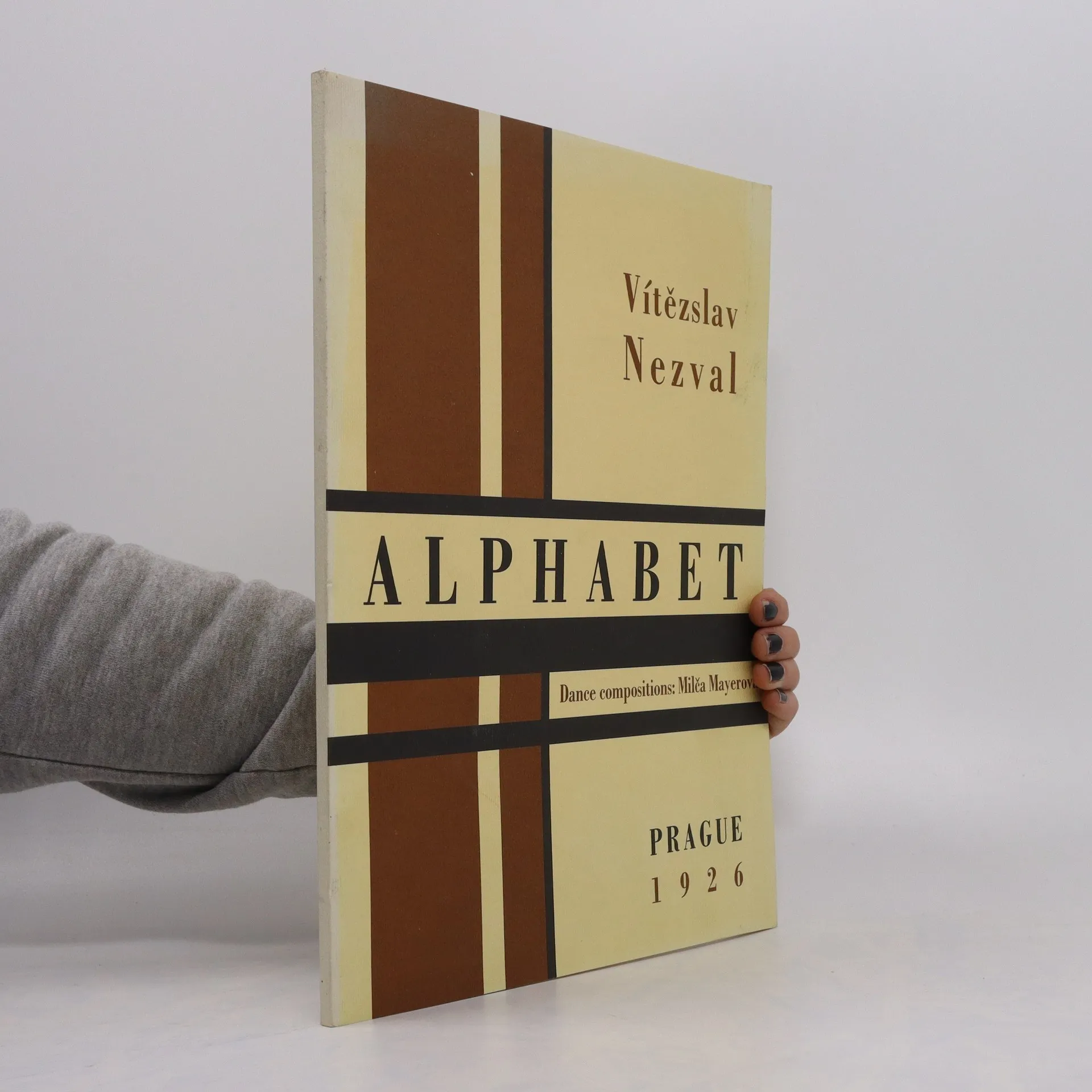
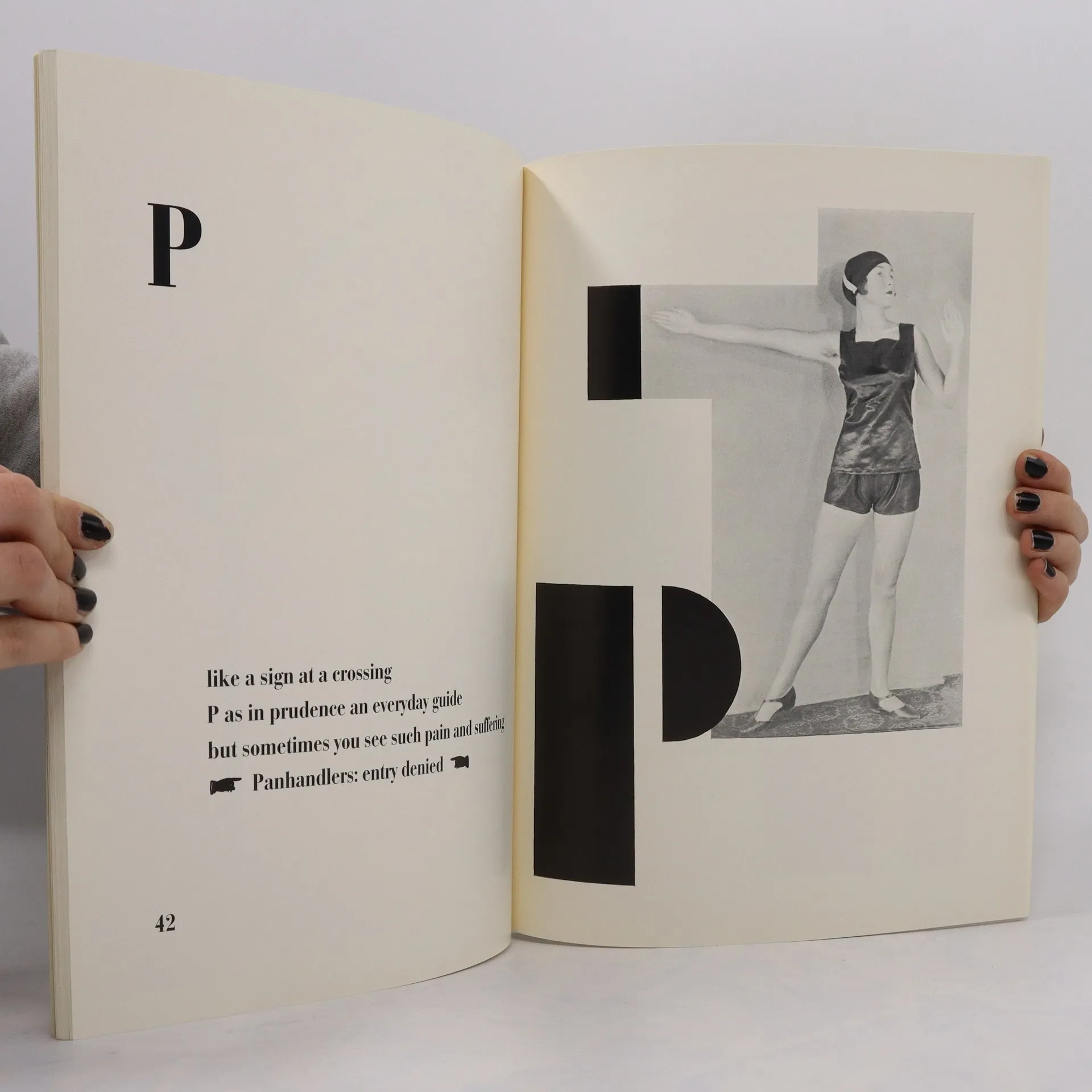
Alphabet by Vítezslav Nezval (1900-1959) is widely recognized today as a consummate Czech contribution to European modernism and a unique distillation of the creative spirit of the 1920s. Published originally in 1926, it is a composite of experimental poetry, modern dance, and photomontage typography, by the poet Vítezslav Nezval, dancer Milca Mayerová, and typographer Karel Teige. This idiosyncratic and idiomatic work transports the reader-viewer through the discipline and fantasy of the modern age. The contributions of Karel Teige, the leading spokesperson for Devetsil and avant-garde ideas in interwar Czechoslovakia, has secured the book international fame in recent years. Teige's original layout, designed to create an optical language, a system of signs capable of embodying words in graphic figures, has been preserved in this facsimile edition.

Buchkauf
Alphabet, Vítězslav Nezval
- Sprache

- Erscheinungsdatum
- 2001
- Einband
- (Paperback)
Hier könnte deine Bewertung stehen.
- Titel
- Alphabet
- Sprache
- Englisch
- Autor*innen
- Vítězslav Nezval
- Erscheinungsdatum
- 2001
- Einband
- Paperback
- Seitenzahl
- 69
- ISBN10
- 0930042883
- ISBN13
- 9780930042882
- Reihe
- Kategorien
- Bewertung
- 3,65 von 5 Sternen
- Beschreibung
- Alphabet by Vítezslav Nezval (1900-1959) is widely recognized today as a consummate Czech contribution to European modernism and a unique distillation of the creative spirit of the 1920s. Published originally in 1926, it is a composite of experimental poetry, modern dance, and photomontage typography, by the poet Vítezslav Nezval, dancer Milca Mayerová, and typographer Karel Teige. This idiosyncratic and idiomatic work transports the reader-viewer through the discipline and fantasy of the modern age. The contributions of Karel Teige, the leading spokesperson for Devetsil and avant-garde ideas in interwar Czechoslovakia, has secured the book international fame in recent years. Teige's original layout, designed to create an optical language, a system of signs capable of embodying words in graphic figures, has been preserved in this facsimile edition.