

Parameter
- 466 Seiten
- 17 Lesestunden
Mehr zum Buch
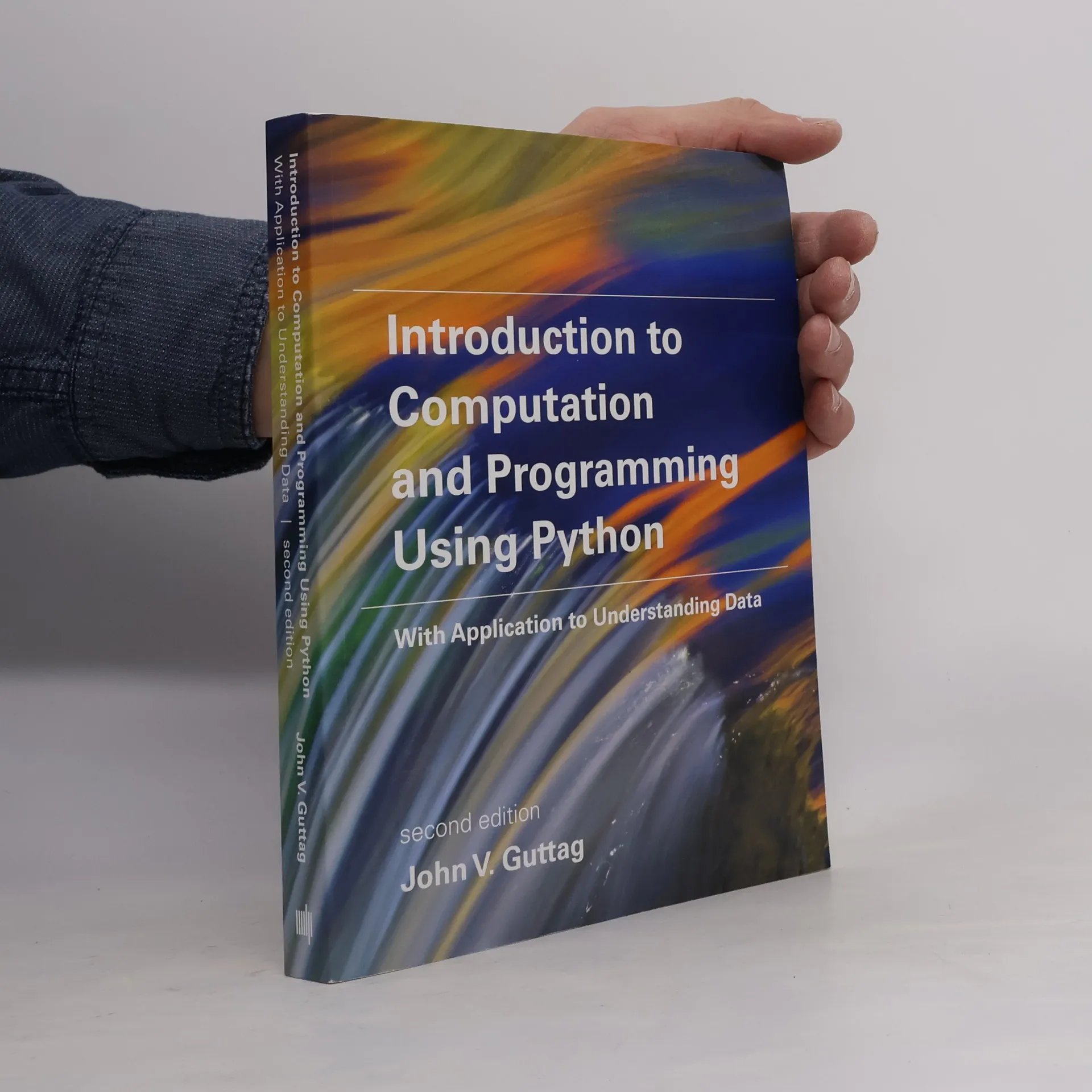
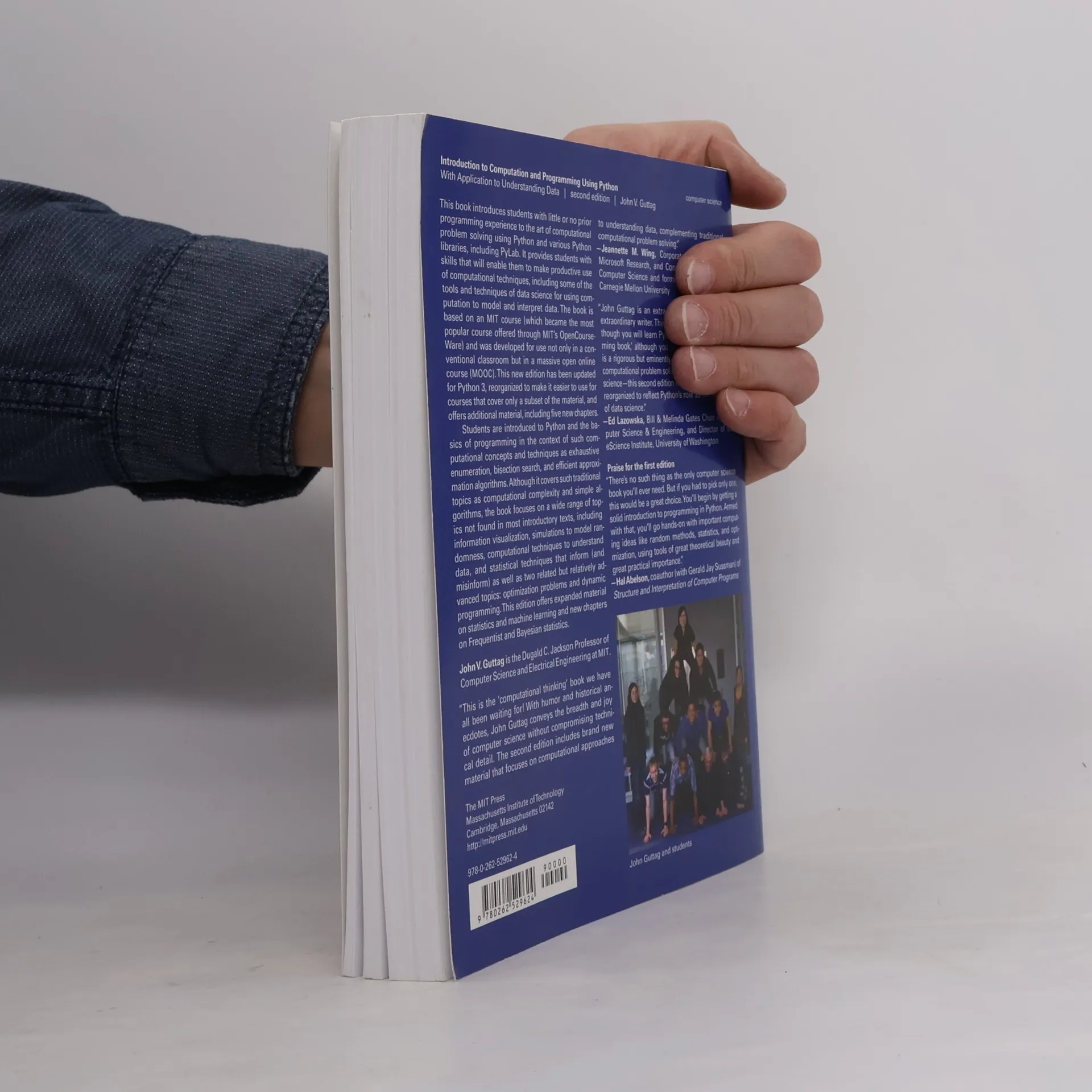
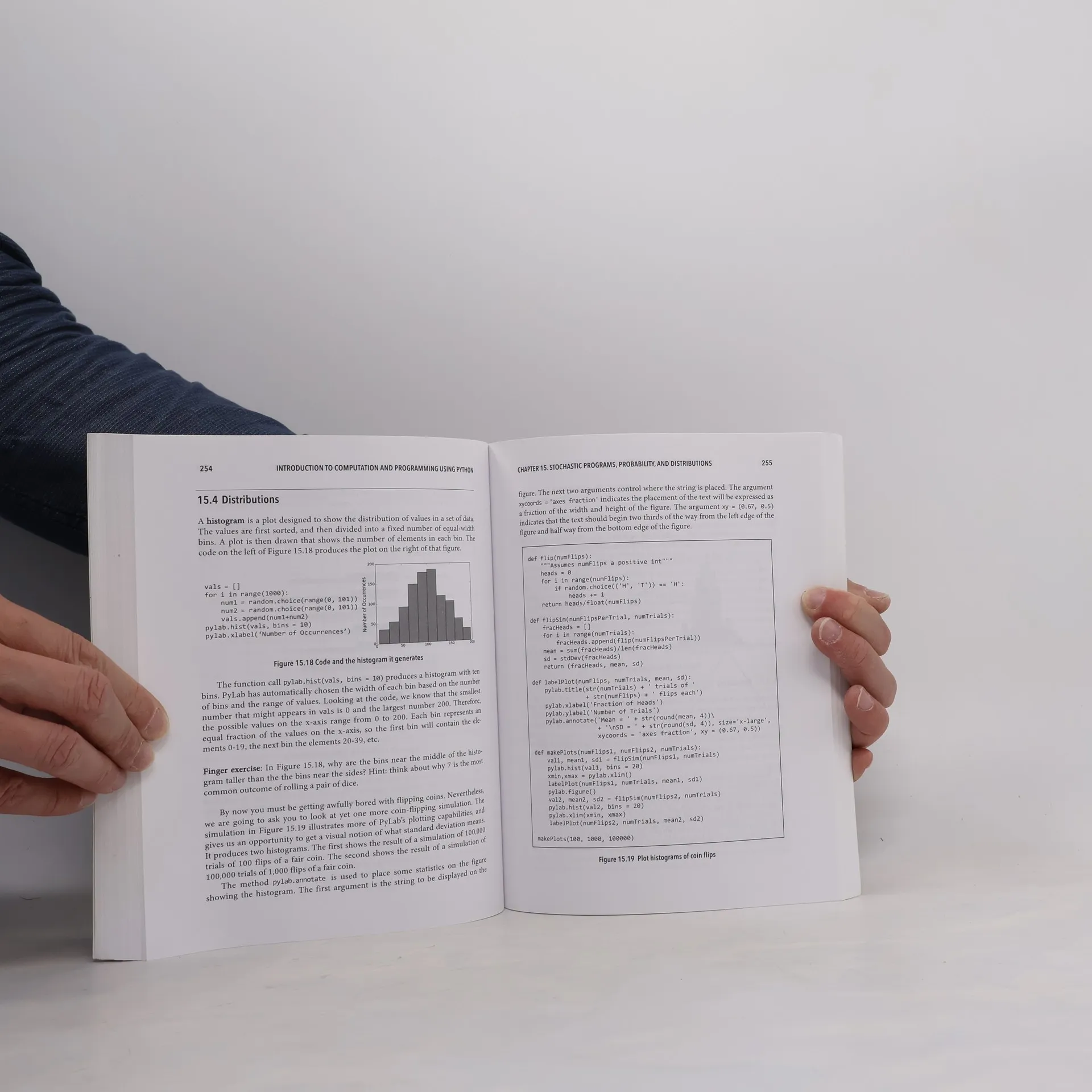
This book introduces students with minimal programming experience to computational problem solving using Python and various libraries, including PyLab. It equips students with skills to effectively utilize computational techniques, incorporating tools and methods from data science to model and interpret data. Developed from a popular MIT course available through OpenCourseWare, it is designed for both traditional classrooms and massive open online courses (MOOCs). The updated edition is tailored for Python 3, reorganized for easier navigation, and includes five new chapters. Students learn Python basics alongside computational concepts such as exhaustive enumeration, bisection search, and efficient approximation algorithms. While covering traditional topics like computational complexity and simple algorithms, it also explores a broader range of subjects often absent in introductory texts, such as information visualization, simulations for modeling randomness, and statistical techniques that can both inform and mislead. Additionally, it addresses optimization problems and dynamic programming, with expanded content on statistics and machine learning, including new chapters on Frequentist and Bayesian statistics.


Buchkauf
Introduction to Computation and Programming Using Python, John V. Guttag
- Sprache

- Erscheinungsdatum
- 2016
- Einband
- (Paperback)
Hier könnte deine Bewertung stehen.
- Sprache
- Englisch
- Autor*innen
- John V. Guttag
- Verlag
- MIT Press
- Erscheinungsdatum
- 2016
- Einband
- Paperback
- Seitenzahl
- 466
- ISBN10
- 0262529629
- ISBN13
- 9780262529624
- Reihe
- Schlagwörter
- Sachbücher, Lehrbücher, Technologie & Industrie, Handbücher und Anleitungen, Computer & Internet, Technologie
- Bewertung
- 4,2 von 5 Sternen
- Beschreibung
- This book introduces students with minimal programming experience to computational problem solving using Python and various libraries, including PyLab. It equips students with skills to effectively utilize computational techniques, incorporating tools and methods from data science to model and interpret data. Developed from a popular MIT course available through OpenCourseWare, it is designed for both traditional classrooms and massive open online courses (MOOCs). The updated edition is tailored for Python 3, reorganized for easier navigation, and includes five new chapters. Students learn Python basics alongside computational concepts such as exhaustive enumeration, bisection search, and efficient approximation algorithms. While covering traditional topics like computational complexity and simple algorithms, it also explores a broader range of subjects often absent in introductory texts, such as information visualization, simulations for modeling randomness, and statistical techniques that can both inform and mislead. Additionally, it addresses optimization problems and dynamic programming, with expanded content on statistics and machine learning, including new chapters on Frequentist and Bayesian statistics.