

Mehr zum Buch
The methods and techniques of peacemaking--whether it is called conflict resolution, management, or transformation--have become increasingly sophisticated, partly in response to the increased complexity of international conflict today. This volume describes the tools and skills that are currently available and critically assesses their usefulness and limitations. The field's preeminent researchers and practitioners, including a diplomat and an NGO representative, present not only the more traditional approaches to peacemaking--bargaining and negotiation, third-party mediation, and arbitration and adjudication. They also present newer, nonofficial approaches that have attracted considerable attention for their innovativeness--social-psychological approaches, problem-solving workshops, conflict transformation, and training. Written for scholars as well as practitioners in all aspects of peacemaking and foreign policymaking, the chapters in Peacemaking in International Conflict provide cogent analyses and offer practical lessons for a variety of conflict settings, from disarmament and arms-control negotiations to subnational conflicts in the new and emerging states of the post-Cold War era.


Buchkauf
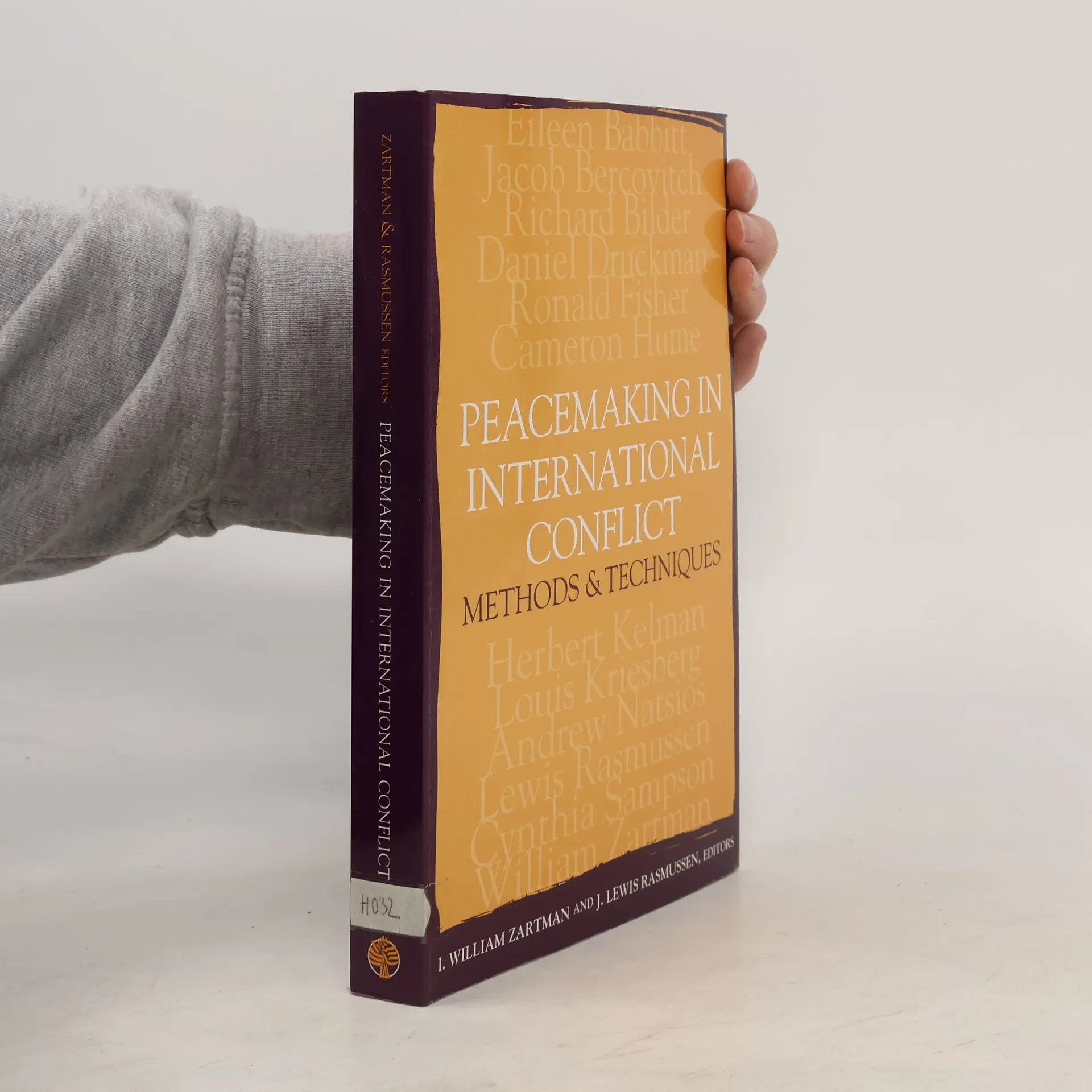
Peacemaking in International Conflict, I. William Zartman, J Lewis Rasmussen
- Sprache

- Erscheinungsdatum
- 1999
- product-detail.submit-box.info.binding
- (Paperback)
Hier könnte deine Bewertung stehen.
- Sprache
- Englisch
- Autor*innen
- I. William Zartman, J Lewis Rasmussen
- Erscheinungsdatum
- 1999
- Einband
- Paperback
- Seitenzahl
- 432
- ISBN10
- 1878379607
- ISBN13
- 9781878379603
- Reihe
- Schlagwörter
- Sachbücher, Sozialwissenschaften, Politikwissenschaft
- Bewertung
- 3,9 von 5 Sternen
- Beschreibung
- The methods and techniques of peacemaking--whether it is called conflict resolution, management, or transformation--have become increasingly sophisticated, partly in response to the increased complexity of international conflict today. This volume describes the tools and skills that are currently available and critically assesses their usefulness and limitations. The field's preeminent researchers and practitioners, including a diplomat and an NGO representative, present not only the more traditional approaches to peacemaking--bargaining and negotiation, third-party mediation, and arbitration and adjudication. They also present newer, nonofficial approaches that have attracted considerable attention for their innovativeness--social-psychological approaches, problem-solving workshops, conflict transformation, and training. Written for scholars as well as practitioners in all aspects of peacemaking and foreign policymaking, the chapters in Peacemaking in International Conflict provide cogent analyses and offer practical lessons for a variety of conflict settings, from disarmament and arms-control negotiations to subnational conflicts in the new and emerging states of the post-Cold War era.