

Reihen
Mehr zum Buch
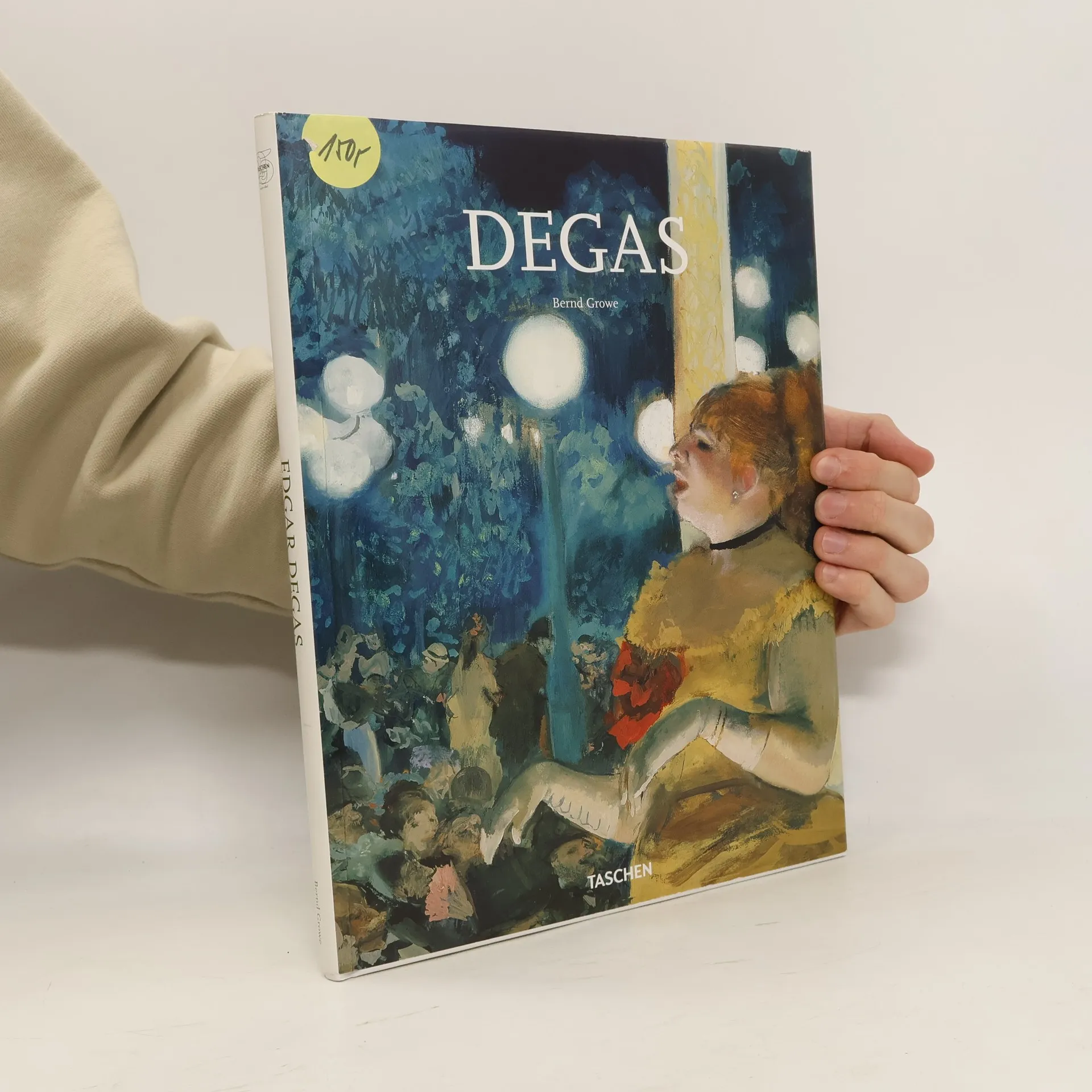
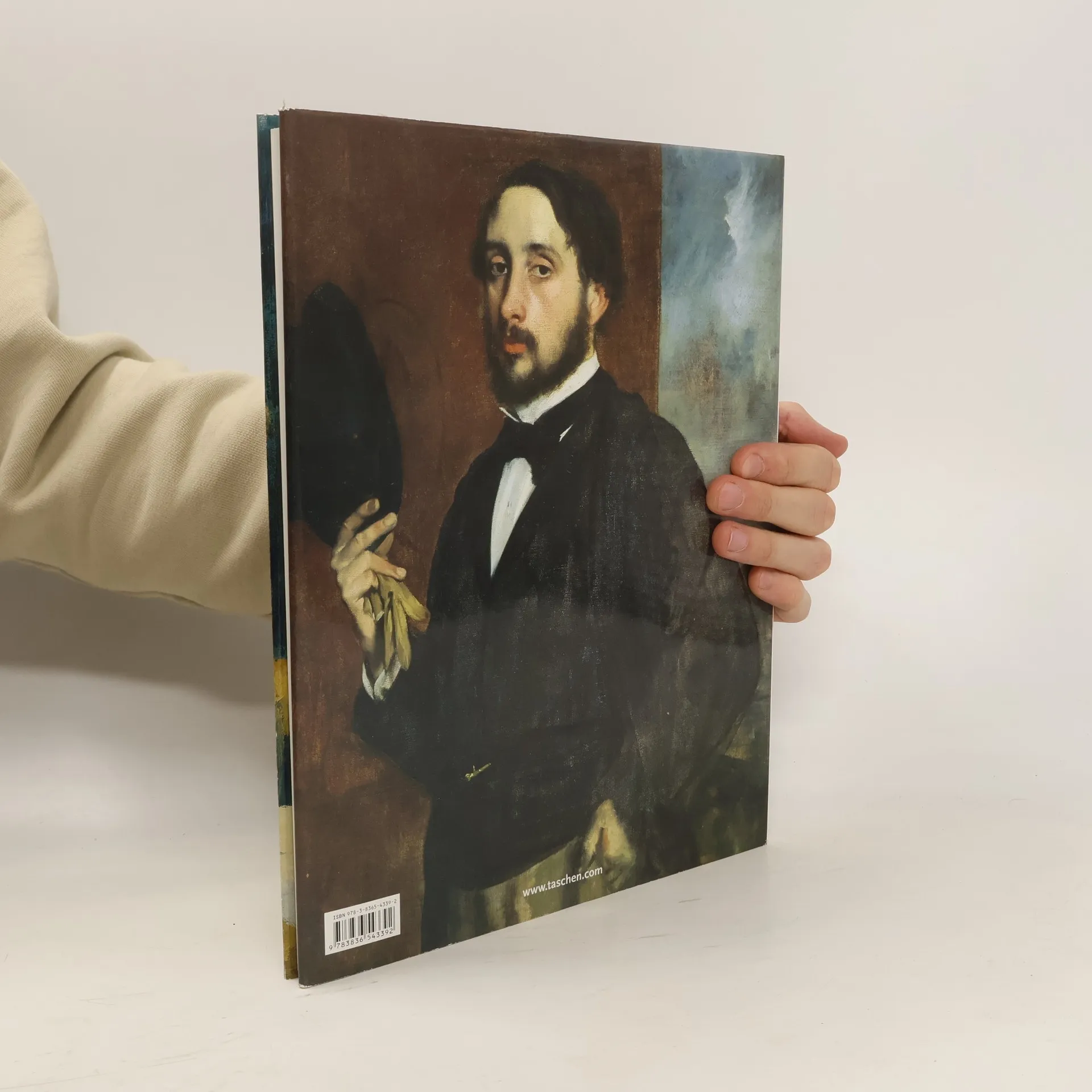
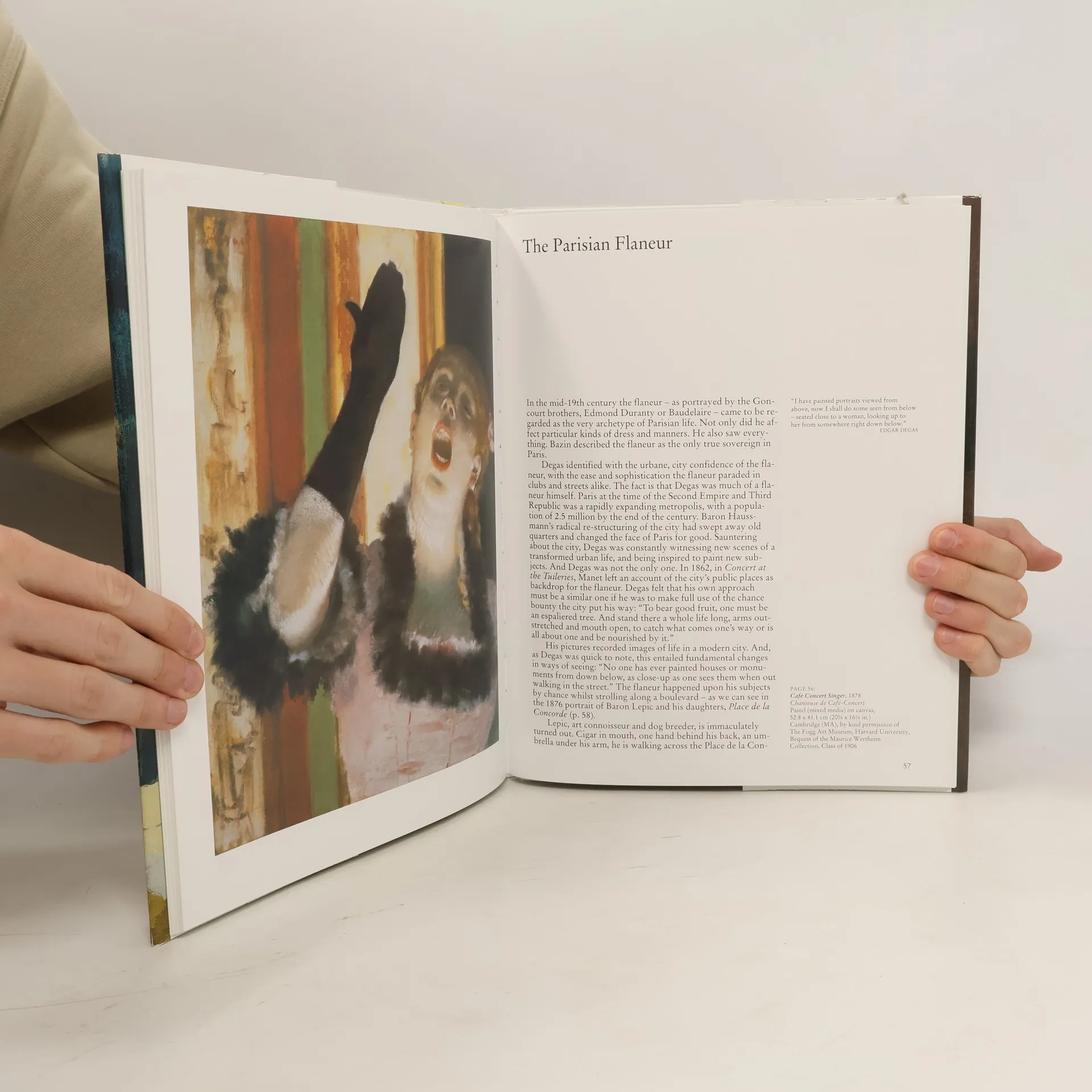
Degas's mastery in the depiction of movement ""No art could be less spontaneous than mine. Inspiration, spontaneity, temperament are unknown to me. One has to do the same subject ten times, even a hundred times over. In art, nothing should look like chance, not even movement.""—Edgar Degas In terms of both theme and technique, the key to understanding the early work of Edgar Degas (1834–1917) is classical painting. Although he was eventually associated with the Impressionists and even participated in their joint exhibitions, Degas never adopted a purely Impressionist approach. Degas's work, reflecting an extremely personal and psychological perspective, emphasizes the scenic or concentrates on the detail. Thus, Degas's painting is often discussed with reference to the rise of short-exposure photography. Thematically, nature proved less interesting to the artist than the life and inhabitants of the modern metropolis. Degas primarily sought his motifs at the race track or circus, in bedrooms, or in ballet salons—and dancers always remained his favorite theme. About the Series: Every book in TASCHEN's Basic Art Series features: a detailed chronological summary of the artist's life and work, covering the cultural and historical importance of the artist approximately 100 color illustrations with explanatory captions a concise biography




Buchkauf
Degas, Bernd Growe
- Sprache

- Erscheinungsdatum
- 2013
- product-detail.submit-box.info.binding
- (Hardcover)
Hier könnte deine Bewertung stehen.
- Titel
- Degas
- Sprache
- Englisch
- Autor*innen
- Bernd Growe
- Verlag
- Taschen
- Erscheinungsdatum
- 2013
- Einband
- Hardcover
- Seitenzahl
- 96
- ISBN10
- 3836543397
- ISBN13
- 9783836543392
- Reihe
- Taschen Basic Art
- Schlagwörter
- Sachbücher, Kunst & Kultur, Historisches Thema, Geschichte, Wahre Geschichten, Biografien, Kunst, Frankreich, Kunstgeschichte & -theorie, Kunstgeschichte
- Bewertung
- 4,15 von 5 Sternen
- Beschreibung
- Degas's mastery in the depiction of movement ""No art could be less spontaneous than mine. Inspiration, spontaneity, temperament are unknown to me. One has to do the same subject ten times, even a hundred times over. In art, nothing should look like chance, not even movement.""—Edgar Degas In terms of both theme and technique, the key to understanding the early work of Edgar Degas (1834–1917) is classical painting. Although he was eventually associated with the Impressionists and even participated in their joint exhibitions, Degas never adopted a purely Impressionist approach. Degas's work, reflecting an extremely personal and psychological perspective, emphasizes the scenic or concentrates on the detail. Thus, Degas's painting is often discussed with reference to the rise of short-exposure photography. Thematically, nature proved less interesting to the artist than the life and inhabitants of the modern metropolis. Degas primarily sought his motifs at the race track or circus, in bedrooms, or in ballet salons—and dancers always remained his favorite theme. About the Series: Every book in TASCHEN's Basic Art Series features: a detailed chronological summary of the artist's life and work, covering the cultural and historical importance of the artist approximately 100 color illustrations with explanatory captions a concise biography