



Mehr zum Buch
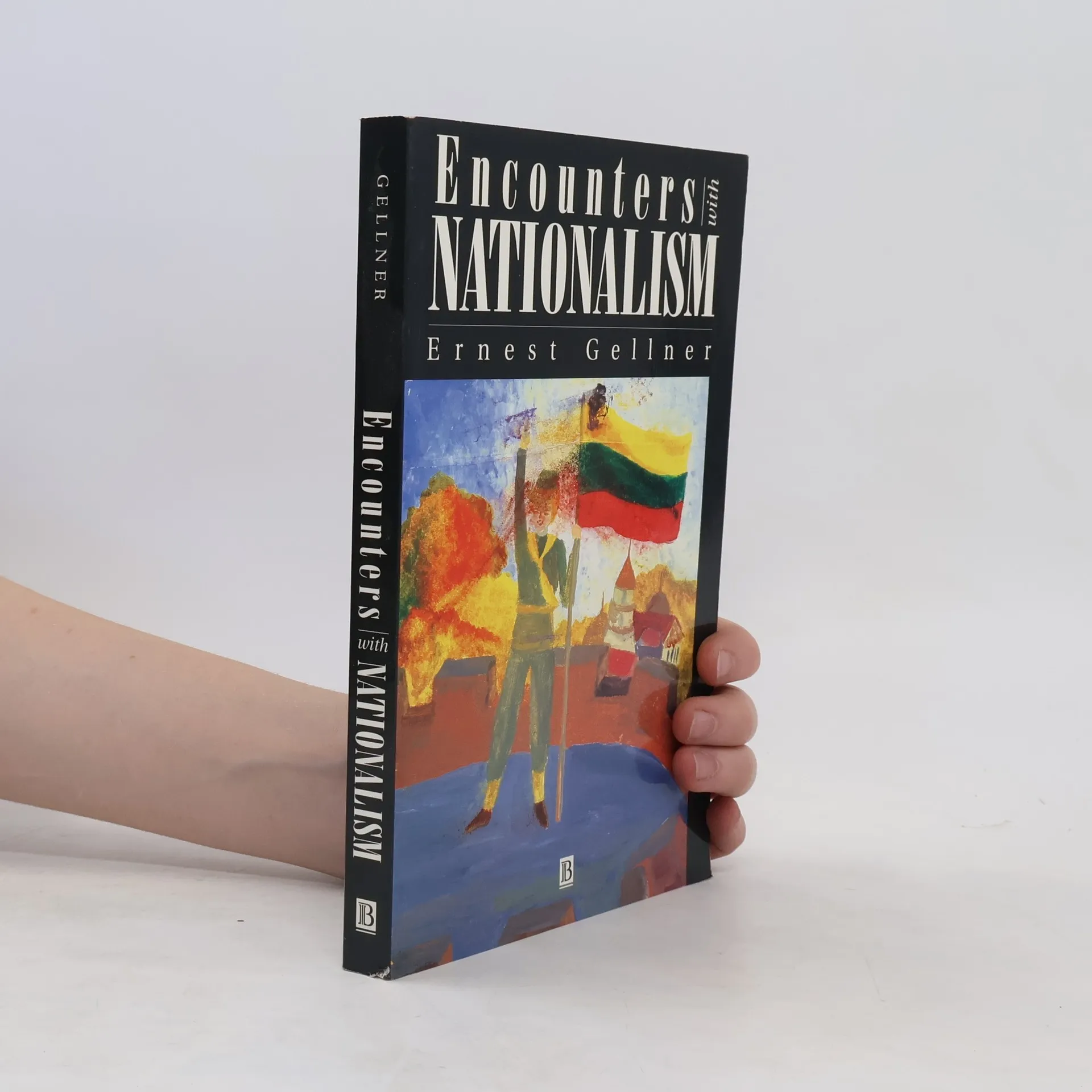
Ernest Gellner's theoretical classic Nationalism is, in a sense, a practical and contemporary complement to Looking at Nationalism. In this book, Gellner evaluates a range of concepts from international order to ethnicity, from Marxism to the universal, as well as various thinkers and political figures from List to Malinowski, Heidegger to Havel, and Edward Said. He also examines numerous local examples of nationalism from Poland to Czechoslovakia and Ireland, and includes a chapter titled "Kemalism" that addresses Turkey. Looking at Nationalism is an undeniably important book on nationalism, which, regardless of one's perspective on Gellner's stance, will evidently continue to exist and exert influence in human history in various forms and reflections for a long time. It is highly likely to affect, if not change, your thoughts or at least your questions.
Buchkauf
Encounters With Nationalism, Ernest Gellner
- Sprache

- Erscheinungsdatum
- 1994
- Einband
- (Paperback)
Hier könnte deine Bewertung stehen.
- Titel
- Encounters With Nationalism
- Sprache
- Englisch
- Autor*innen
- Ernest Gellner
- Verlag
- Wiley-Blackwell
- Erscheinungsdatum
- 1994
- Einband
- Paperback
- Seitenzahl
- 208
- ISBN10
- 0631194819
- ISBN13
- 9780631194811
- Reihe
- Schlagwörter
- Weltpolitik
- Bewertung
- 4 von 5 Sternen
- Beschreibung
- Ernest Gellner's theoretical classic Nationalism is, in a sense, a practical and contemporary complement to Looking at Nationalism. In this book, Gellner evaluates a range of concepts from international order to ethnicity, from Marxism to the universal, as well as various thinkers and political figures from List to Malinowski, Heidegger to Havel, and Edward Said. He also examines numerous local examples of nationalism from Poland to Czechoslovakia and Ireland, and includes a chapter titled "Kemalism" that addresses Turkey. Looking at Nationalism is an undeniably important book on nationalism, which, regardless of one's perspective on Gellner's stance, will evidently continue to exist and exert influence in human history in various forms and reflections for a long time. It is highly likely to affect, if not change, your thoughts or at least your questions.