


Mehr zum Buch
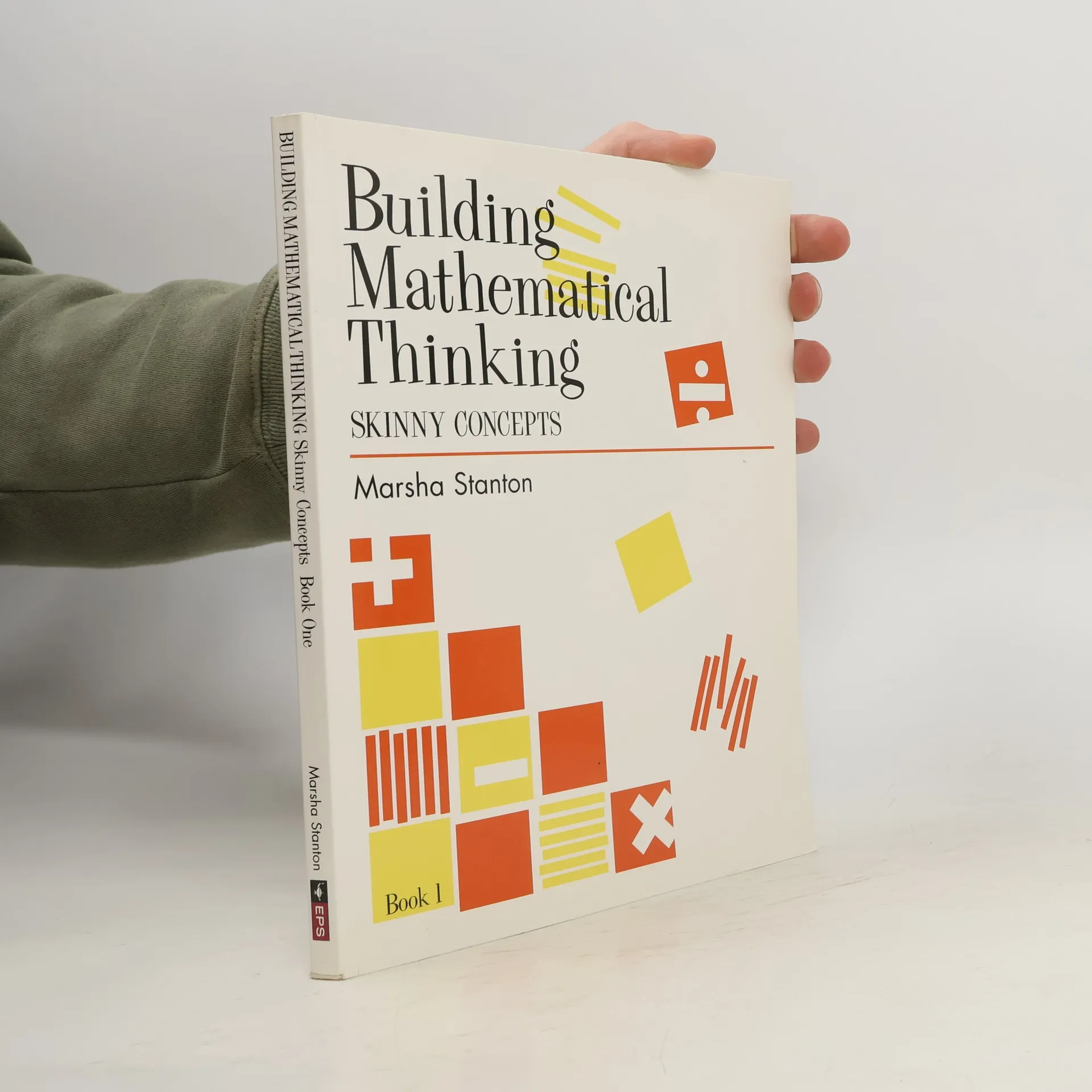
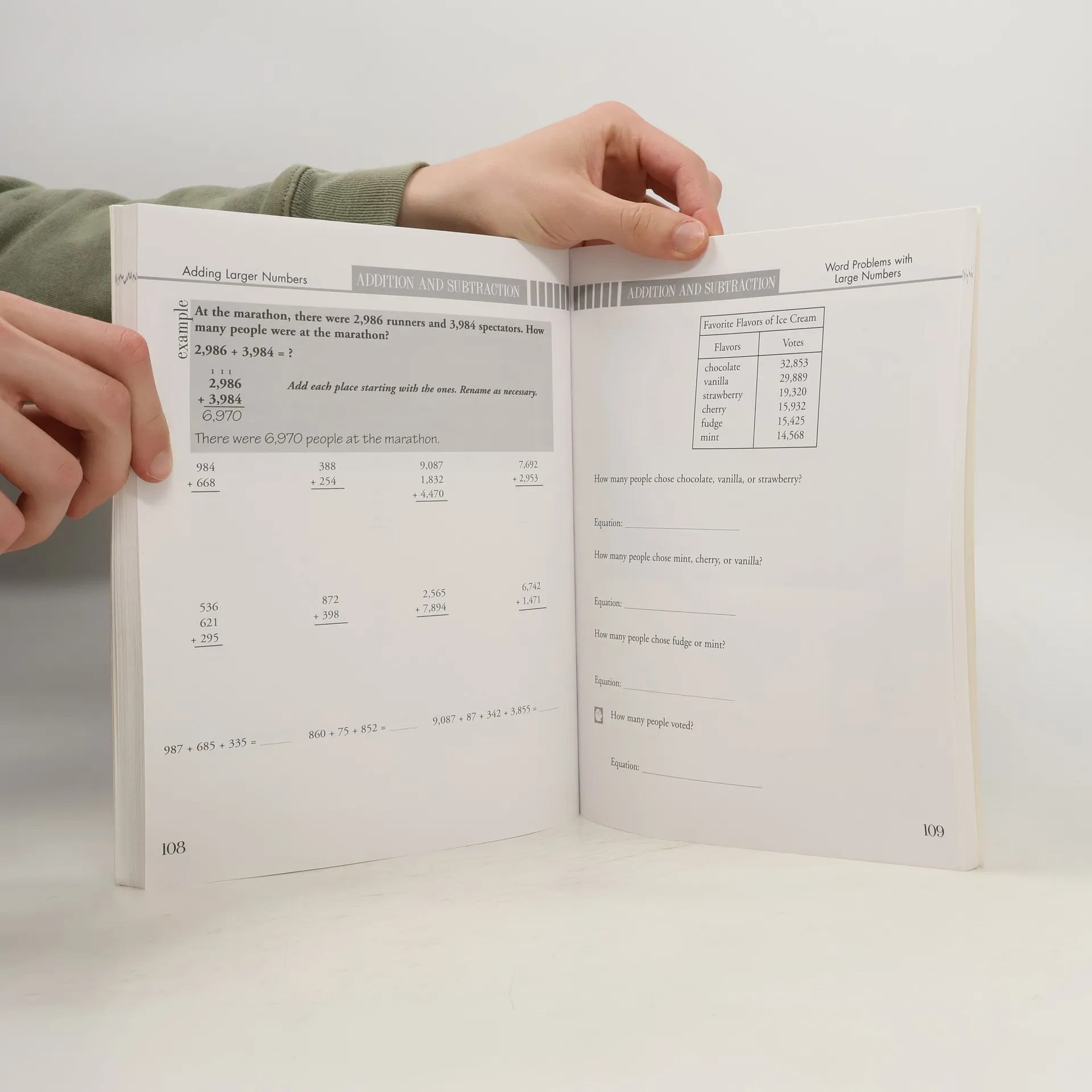
Building Mathematical Thinkingtakes each concept from the mathematics curriculum for grades 3-6 and breaks it down into a series of small easy-to-grasp increments, called "skinny concepts." Each skinny concept is simple enough that students can discover it on their own or in collaboration with their peers. Completing these short lessons daily gives students a sense of accomplishment. Students are challenged to think "mathematically" rather than mechanically when they discover, test, and share their own theories. Through active participation in the discovery of several skinny concepts, students learn and understand the larger concepts that constitute the mathematics curriculum. Though manipulatives (such as base ten blocks) are suggested, they are not required to teach the lessons.
Buchkauf
Building Mathematical Thinking, Marsha Stanton
- Sprache

- Erscheinungsdatum
- 2001
- Einband
- (Paperback)
Keiner hat bisher bewertet.
- Titel
- Building Mathematical Thinking
- Sprache
- Englisch
- Autor*innen
- Marsha Stanton
- Erscheinungsdatum
- 2001
- Einband
- Paperback
- Seitenzahl
- 205
- ISBN10
- 0838825516
- ISBN13
- 9780838825518
- Reihe
- Kategorien
- Schlagwörter
- Beschreibung
- Building Mathematical Thinkingtakes each concept from the mathematics curriculum for grades 3-6 and breaks it down into a series of small easy-to-grasp increments, called "skinny concepts." Each skinny concept is simple enough that students can discover it on their own or in collaboration with their peers. Completing these short lessons daily gives students a sense of accomplishment. Students are challenged to think "mathematically" rather than mechanically when they discover, test, and share their own theories. Through active participation in the discovery of several skinny concepts, students learn and understand the larger concepts that constitute the mathematics curriculum. Though manipulatives (such as base ten blocks) are suggested, they are not required to teach the lessons.