

Mehr zum Buch
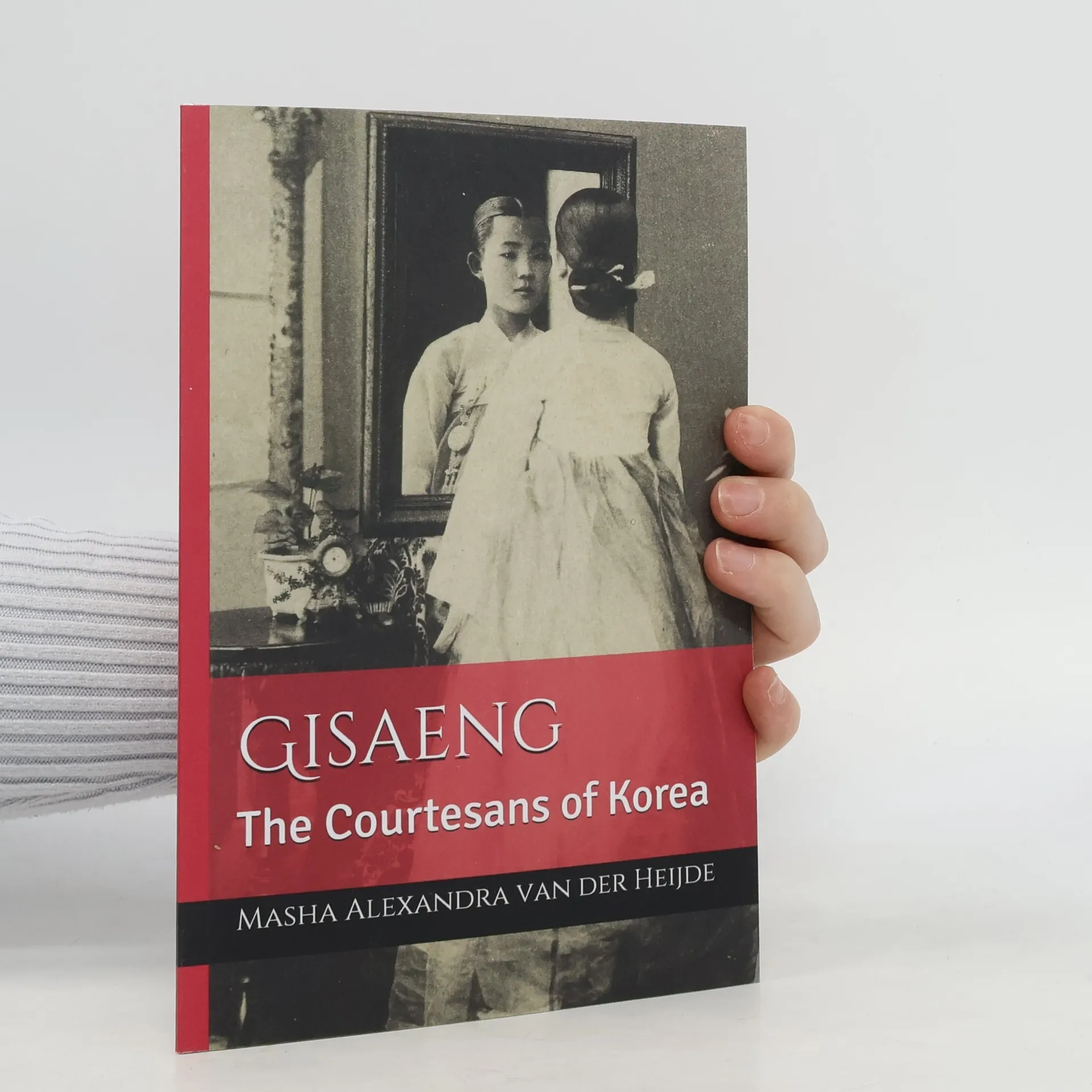
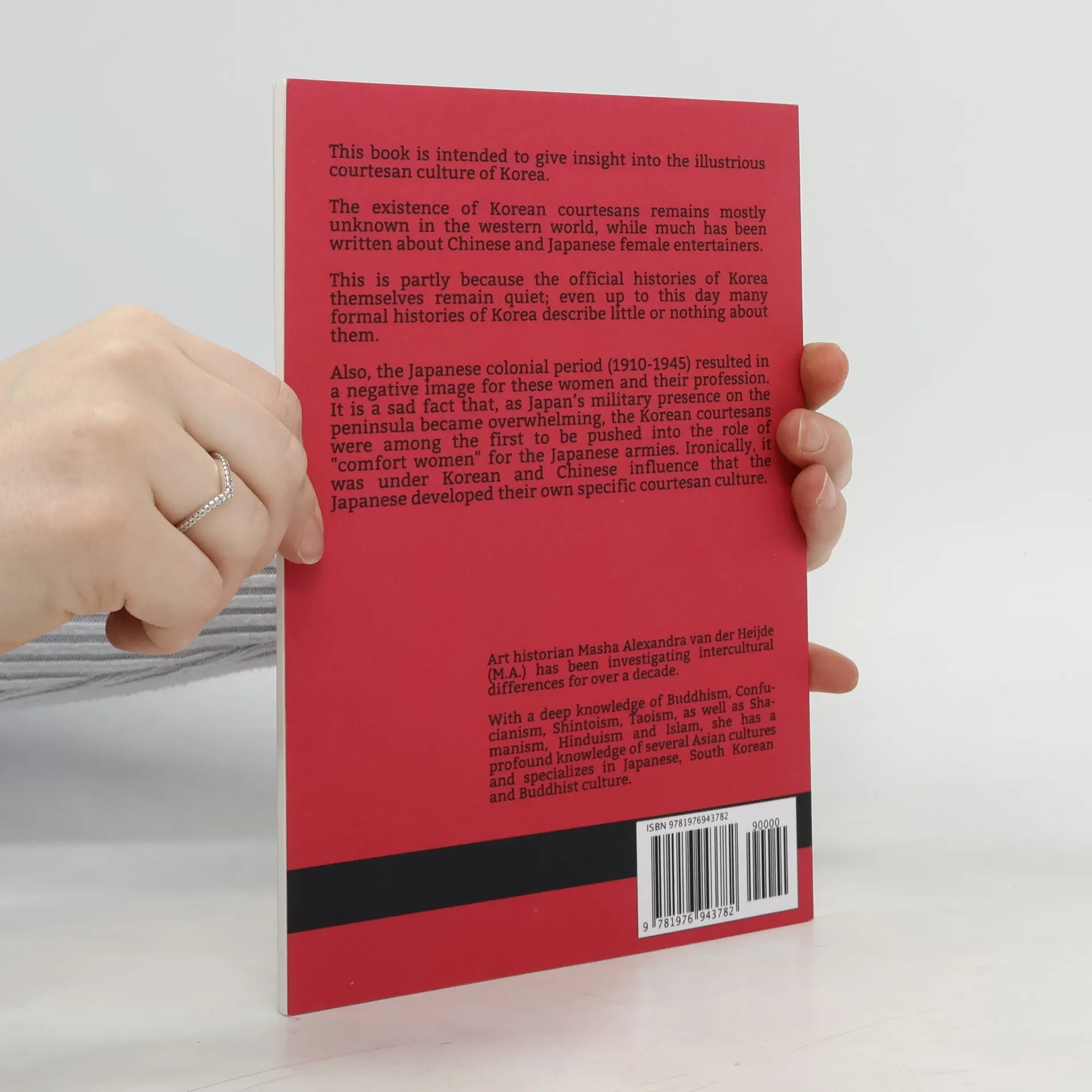
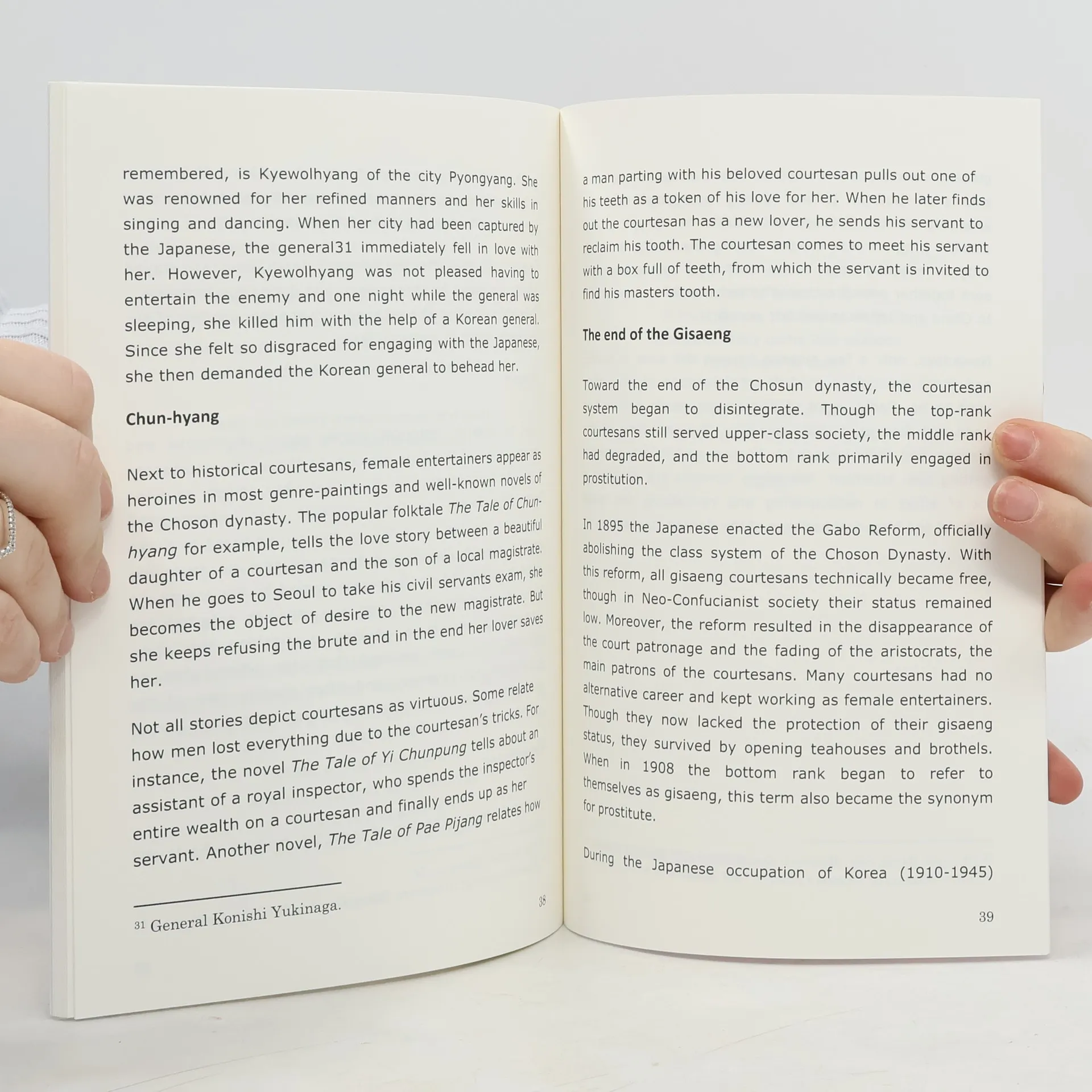
The existence of Korean courtesans is largely unknown in the West, overshadowed by the more documented Chinese and Japanese female entertainers. This lack of awareness stems from the official histories of Korea, which often overlook these women. The Japanese colonial period (1910-1945) further tarnished their image, as many were forced into the role of "comfort women" for the Japanese military. Ironically, Japan's courtesan culture was influenced by Korean and Chinese traditions. While courtesan culture flourished in China during the Tang Dynasty (618-907) and in Korea during the Koryo Dynasty (918-1392), Japan's first pleasure quarter opened in 1589. This culture peaked in Japan during the seventeenth and eighteenth centuries, evolving into the geisha, which is now widely recognized in the West. Korean courtesans, however, had a rich and vibrant culture that paralleled their Chinese and Japanese counterparts, earning admiration and respect in their time. Today, several renowned courtesans are celebrated in stories, novels, performances, and cinema across both South and North Korea. This work aims to shed light on the illustrious courtesan culture of Korea.
Buchkauf
Gisaeng, Masha Alexandra Van Der Heijde
- Sprache

- Erscheinungsdatum
- 2018
- Einband
- (Paperback)
Keiner hat bisher bewertet.
- Titel
- Gisaeng
- Untertitel
- The Courtesans of Korea
- Sprache
- Englisch
- Autor*innen
- Masha Alexandra Van Der Heijde
- Verlag
- Independently published
- Erscheinungsdatum
- 2018
- Einband
- Paperback
- Seitenzahl
- 44
- ISBN10
- 1976943787
- ISBN13
- 9781976943782
- Reihe
- Schlagwörter
- Historisches Thema, Frauen, Sonstige Geschichte, Kultur und Gesellschaft, Soziale Probleme
- Beschreibung
- The existence of Korean courtesans is largely unknown in the West, overshadowed by the more documented Chinese and Japanese female entertainers. This lack of awareness stems from the official histories of Korea, which often overlook these women. The Japanese colonial period (1910-1945) further tarnished their image, as many were forced into the role of "comfort women" for the Japanese military. Ironically, Japan's courtesan culture was influenced by Korean and Chinese traditions. While courtesan culture flourished in China during the Tang Dynasty (618-907) and in Korea during the Koryo Dynasty (918-1392), Japan's first pleasure quarter opened in 1589. This culture peaked in Japan during the seventeenth and eighteenth centuries, evolving into the geisha, which is now widely recognized in the West. Korean courtesans, however, had a rich and vibrant culture that paralleled their Chinese and Japanese counterparts, earning admiration and respect in their time. Today, several renowned courtesans are celebrated in stories, novels, performances, and cinema across both South and North Korea. This work aims to shed light on the illustrious courtesan culture of Korea.