


Parameter
- 400 Seiten
- 14 Lesestunden
Mehr zum Buch
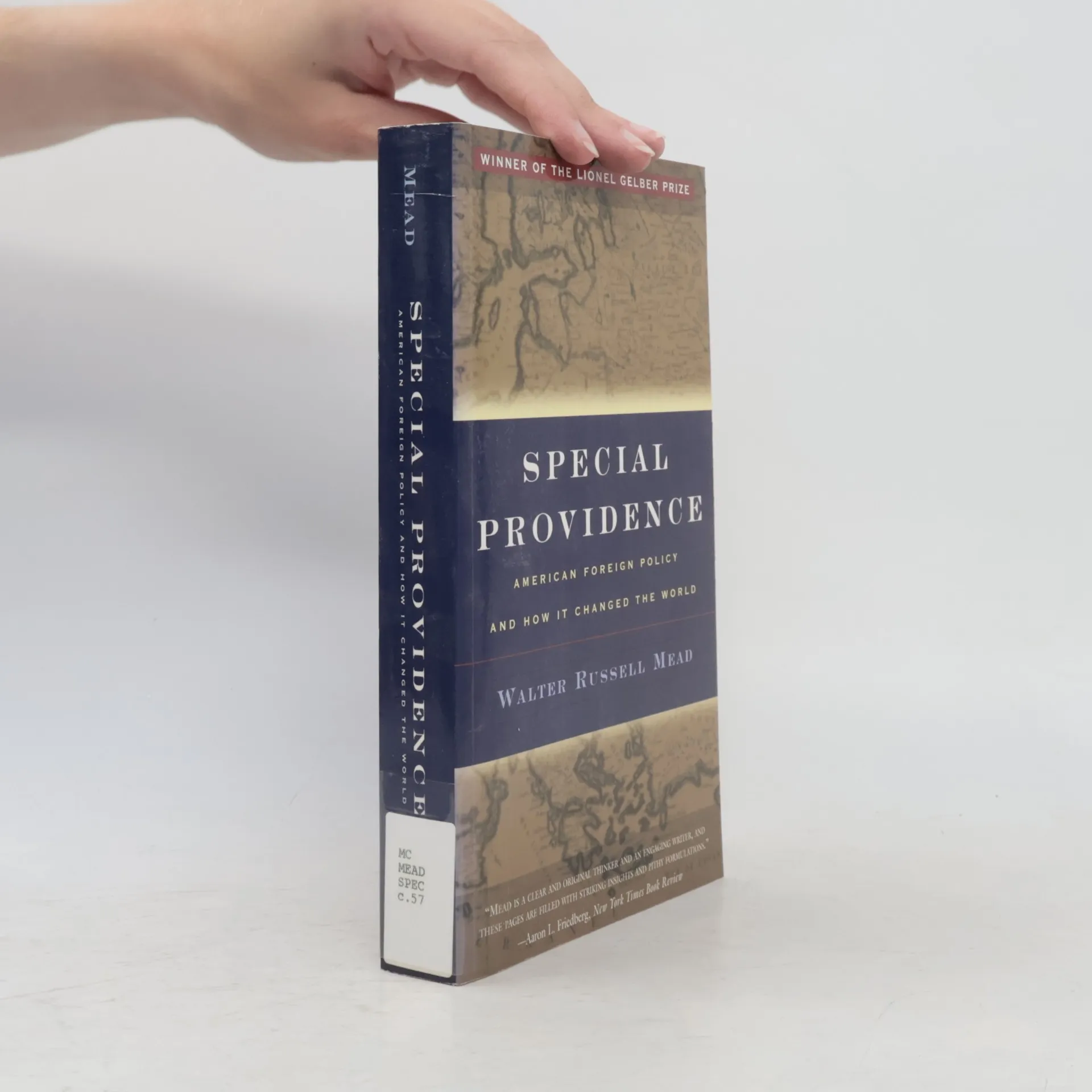
"God has a special providence for fools, drunks and the United States of America."--Otto von Bismarck. America's response to the September 11 attacks highlighted its longstanding goals: protecting liberty, securing economic interests, spreading democracy, and vanquishing enemies. Walter Russell Mead, a leading foreign policy thinker, argues that these conflicting impulses are key to the U.S.'s global success. He identifies four historical patterns in American foreign policy, each represented by a significant figure. Wilsonians act as moral missionaries, promoting democracy through international institutions like the U.N. Hamiltonians support international engagement to expand markets and the economy. Populist Jacksonians advocate for a strong military, used sparingly but decisively against adversaries. Jeffersonians prioritize domestic liberty and are wary of large military and international initiatives. Mead's work offers a fresh perspective on America's role in the world, moving beyond outdated debates of realists versus idealists and hawks versus doves, to present a nuanced, historically-informed view of American foreign policy.
Buchkauf
Special Providence, Richard C. Leone, Walter Russell Mead
- Sprache

- Erscheinungsdatum
- 2002
- Einband
- (Paperback)
Hier könnte deine Bewertung stehen.
- Titel
- Special Providence
- Untertitel
- American Foreign Policy and How It Changed the World
- Sprache
- Englisch
- Autor*innen
- Richard C. Leone, Walter Russell Mead
- Verlag
- Routledge
- Erscheinungsdatum
- 2002
- Einband
- Paperback
- Seitenzahl
- 400
- ISBN10
- 0415935369
- ISBN13
- 9780415935364
- Reihe
- Schlagwörter
- Historisches Thema, Philosophisches Thema, Politik, USA, Amerikanische Literatur, Fachliteratur, Politische Theorien, Geschichte der USA, Internationale Beziehungen, Bibliotheken, Politische Geschichte, Glaubenslehre
- Bewertung
- 4,1 von 5 Sternen
- Beschreibung
- "God has a special providence for fools, drunks and the United States of America."--Otto von Bismarck. America's response to the September 11 attacks highlighted its longstanding goals: protecting liberty, securing economic interests, spreading democracy, and vanquishing enemies. Walter Russell Mead, a leading foreign policy thinker, argues that these conflicting impulses are key to the U.S.'s global success. He identifies four historical patterns in American foreign policy, each represented by a significant figure. Wilsonians act as moral missionaries, promoting democracy through international institutions like the U.N. Hamiltonians support international engagement to expand markets and the economy. Populist Jacksonians advocate for a strong military, used sparingly but decisively against adversaries. Jeffersonians prioritize domestic liberty and are wary of large military and international initiatives. Mead's work offers a fresh perspective on America's role in the world, moving beyond outdated debates of realists versus idealists and hawks versus doves, to present a nuanced, historically-informed view of American foreign policy.