



Parameter
- 336 Seiten
- 12 Lesestunden
Mehr zum Buch
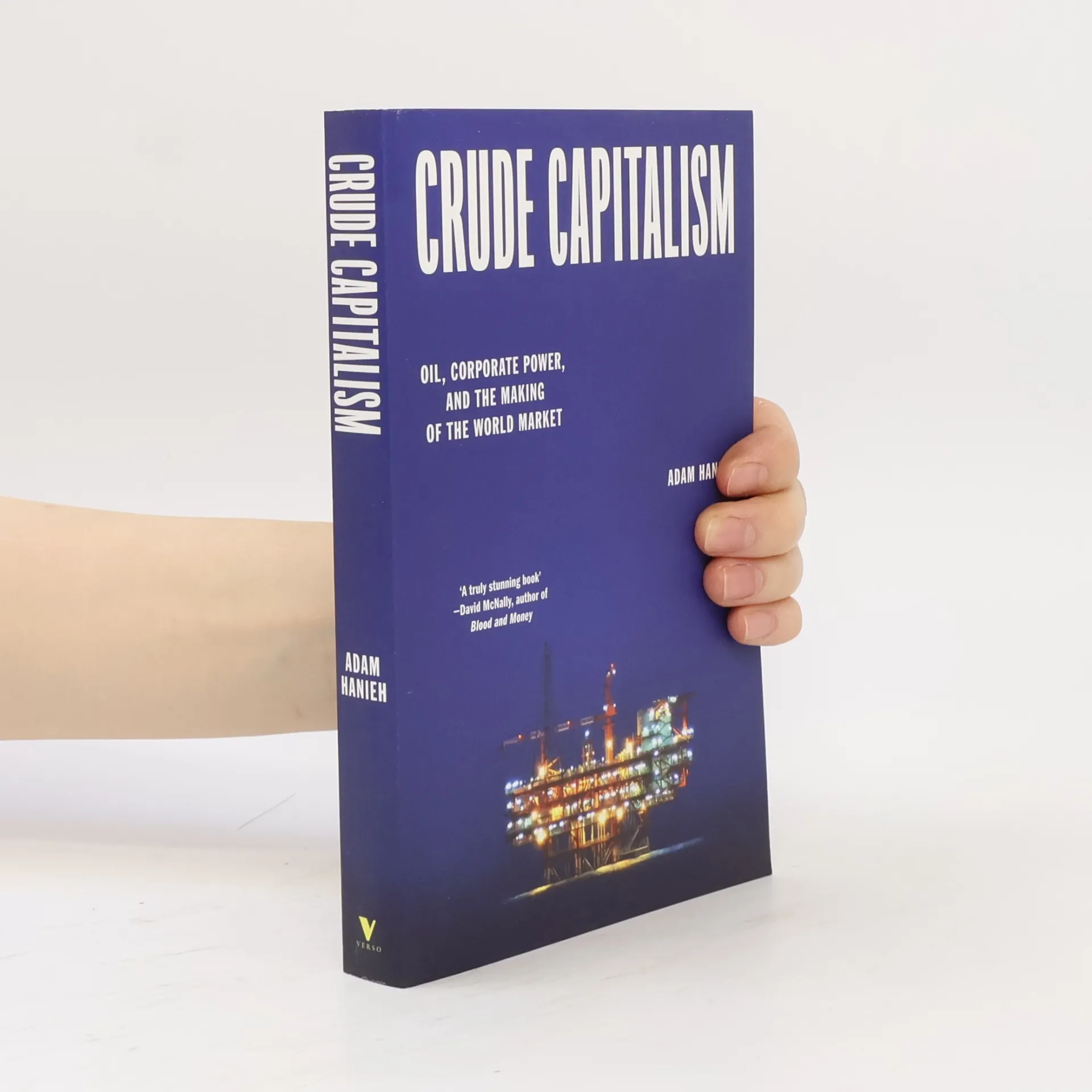
This expansive history explores the intricate ties between oil and capitalism from the late 1800s to the present climate crisis. It goes beyond simplistic views of oil as merely a 'prize' or 'curse' and reveals how deeply oil is interwoven into the fabric of modern life, influencing the rise of an American-centered global order, the collapse of empires, anti-colonial movements, contemporary finance, US dollar dominance, militarism, and new forms of synthetic consumption. Oil is much more than just an energy source; it is foundational to various aspects of contemporary existence, making it essential to address its role in any challenge to the fossil fuel industry. The narrative examines the diverse geographies of oil, including the emergence of OPEC, the significance of revolutionary and Post-Soviet Russia, the vital role of African upstream reserves, and the new petrochemical networks connecting the Middle East, China, and East Asia. The book offers a detailed empirical analysis of corporate ownership and control in refining and petrochemicals. By uncovering these power structures and situating oil within capitalism, it significantly contributes to discussions on oil dependency and the fight for climate justice.
Buchkauf
Crude Capitalism, Adam Hanieh
- Sprache

- Erscheinungsdatum
- 2025
- Einband
- (Paperback)
Keiner hat bisher bewertet.
- Titel
- Crude Capitalism
- Untertitel
- Oil, Corporate Power, and the Making of the World Market
- Sprache
- Englisch
- Autor*innen
- Adam Hanieh
- Verlag
- Verso Books
- Erscheinungsdatum
- 2025
- Einband
- Paperback
- Seitenzahl
- 336
- ISBN10
- 1839763434
- ISBN13
- 9781839763434
- Reihe
- Kategorien
- Schlagwörter
- Historisches Thema, Handel, Politik, Ökologische Thematik, Finanzen, Politische Theorien, Klimawandel, Industrie, Zivilrecht, Globalisierung, Kapitalismus, Energie, Geopolitik, Regierung, Aktivismus, Krise, Politische Ökonomie, Politische Philosophie, Pandemie, Weltpolitik, Imperialismus, Kapital, Die Linke, Fossile Brennstoffe
- Beschreibung
- This expansive history explores the intricate ties between oil and capitalism from the late 1800s to the present climate crisis. It goes beyond simplistic views of oil as merely a 'prize' or 'curse' and reveals how deeply oil is interwoven into the fabric of modern life, influencing the rise of an American-centered global order, the collapse of empires, anti-colonial movements, contemporary finance, US dollar dominance, militarism, and new forms of synthetic consumption. Oil is much more than just an energy source; it is foundational to various aspects of contemporary existence, making it essential to address its role in any challenge to the fossil fuel industry. The narrative examines the diverse geographies of oil, including the emergence of OPEC, the significance of revolutionary and Post-Soviet Russia, the vital role of African upstream reserves, and the new petrochemical networks connecting the Middle East, China, and East Asia. The book offers a detailed empirical analysis of corporate ownership and control in refining and petrochemicals. By uncovering these power structures and situating oil within capitalism, it significantly contributes to discussions on oil dependency and the fight for climate justice.