

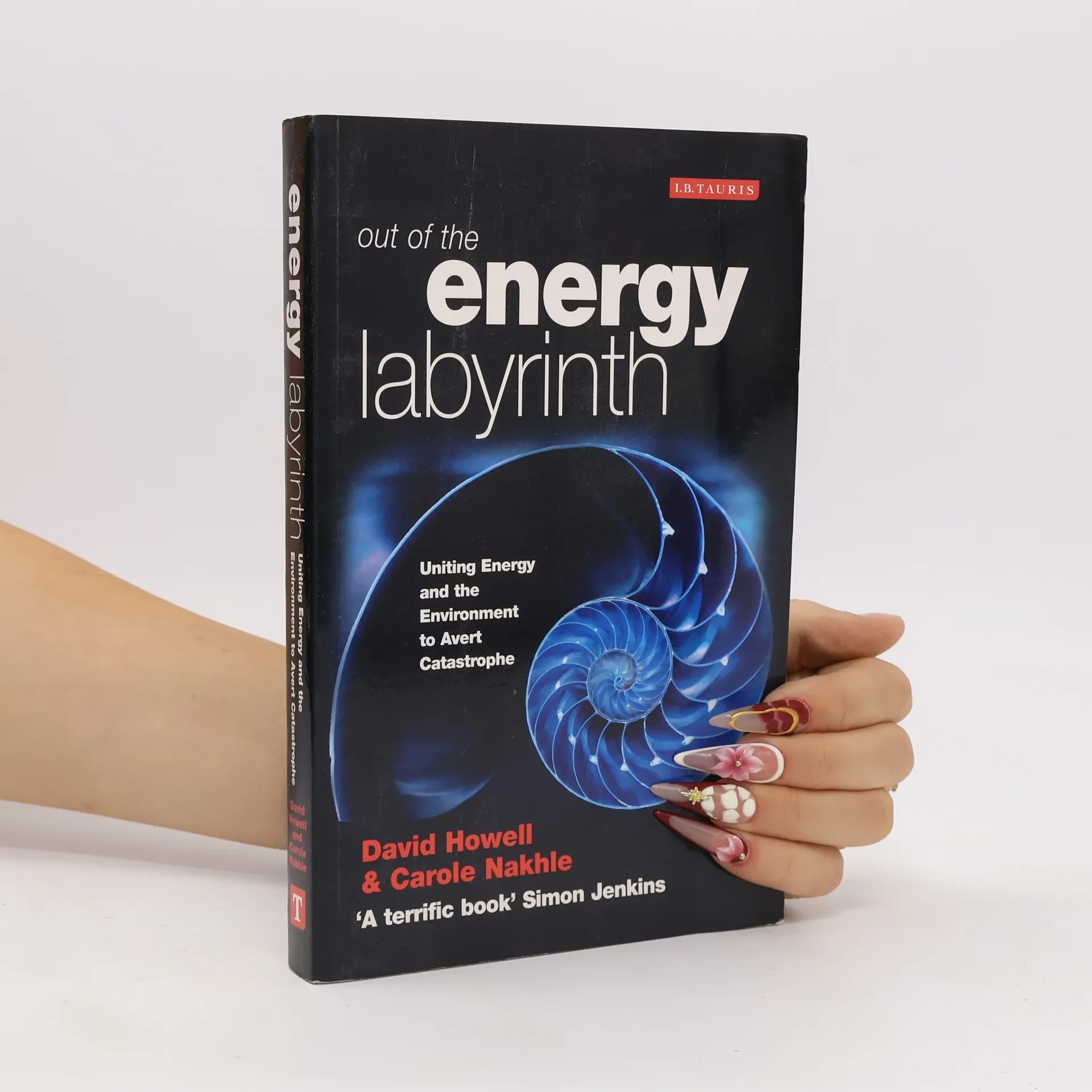


Mehr zum Buch
In their provocative and original book, the authors argue that energy can become a tool for environmental protection, that energy and environment are not by definition in conflict with each other and that by pooling energy production and environmental protection ideas energy can be part of a solution rather than the problem. This book is firmly grounded in reality (given the demands of China, India and other developing economies) and makes specific proposals: a radical rethinking on energy investment strategies; massive incentives to develop alternative fuel technologies; a ground-breaking public awareness strategy to redirect consumers and policy-makers to embrace fundamental (though essentially painless) change in consumption patterns. The solutions that Howell and Nakhle offer are unapologetically offer short term. This is because they view the problems of climate security as short term. But their solutions have long term consequences. Their important and novel approach makes this book essential reading for an understanding of today's bewildering environmental debates.
Buchkauf
Out of the Energy Labyrinth, David Howell, Carole Nakhle
- Sprache

- Erscheinungsdatum
- 2007
- Einband
- (Paperback),
- Buchzustand
- Gebraucht - Gut
- Preis
- € 1,19
Keiner hat bisher bewertet.
- Titel
- Out of the Energy Labyrinth
- Untertitel
- Uniting Energy and the Environment to Avert Catastrophe
- Sprache
- Englisch
- Autor*innen
- David Howell, Carole Nakhle
- Verlag
- I.B. Tauris
- Erscheinungsdatum
- 2007
- Einband
- Paperback
- Seitenzahl
- 204
- ISBN10
- 1845115384
- ISBN13
- 9781845115388
- Reihe
- Schlagwörter
- Wissenschaft, Technologie, Klimawandel, Geopolitik, Politische Aspekte
- Beschreibung
- In their provocative and original book, the authors argue that energy can become a tool for environmental protection, that energy and environment are not by definition in conflict with each other and that by pooling energy production and environmental protection ideas energy can be part of a solution rather than the problem. This book is firmly grounded in reality (given the demands of China, India and other developing economies) and makes specific proposals: a radical rethinking on energy investment strategies; massive incentives to develop alternative fuel technologies; a ground-breaking public awareness strategy to redirect consumers and policy-makers to embrace fundamental (though essentially painless) change in consumption patterns. The solutions that Howell and Nakhle offer are unapologetically offer short term. This is because they view the problems of climate security as short term. But their solutions have long term consequences. Their important and novel approach makes this book essential reading for an understanding of today's bewildering environmental debates.