

Parameter
- 104 Seiten
- 4 Lesestunden
Mehr zum Buch
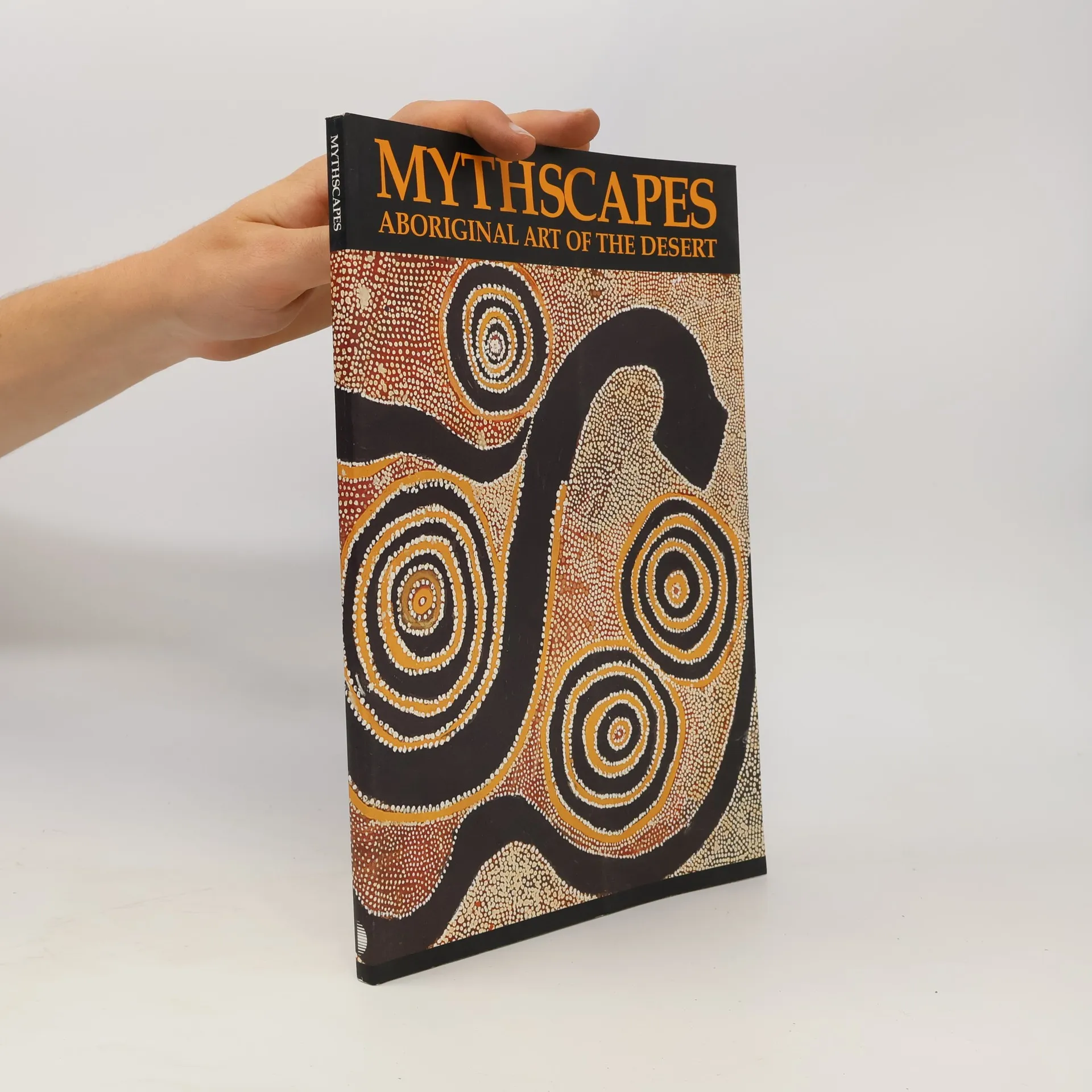
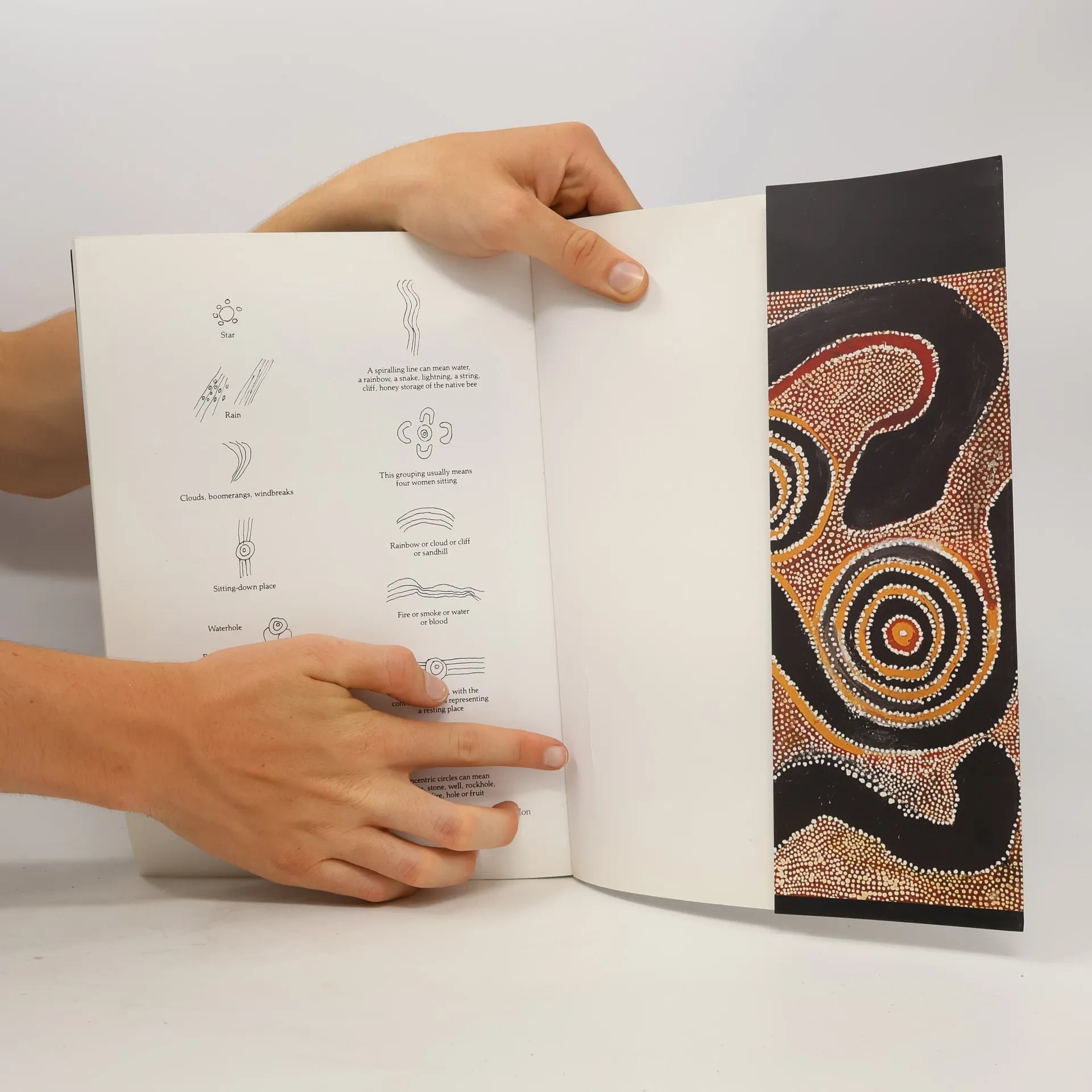
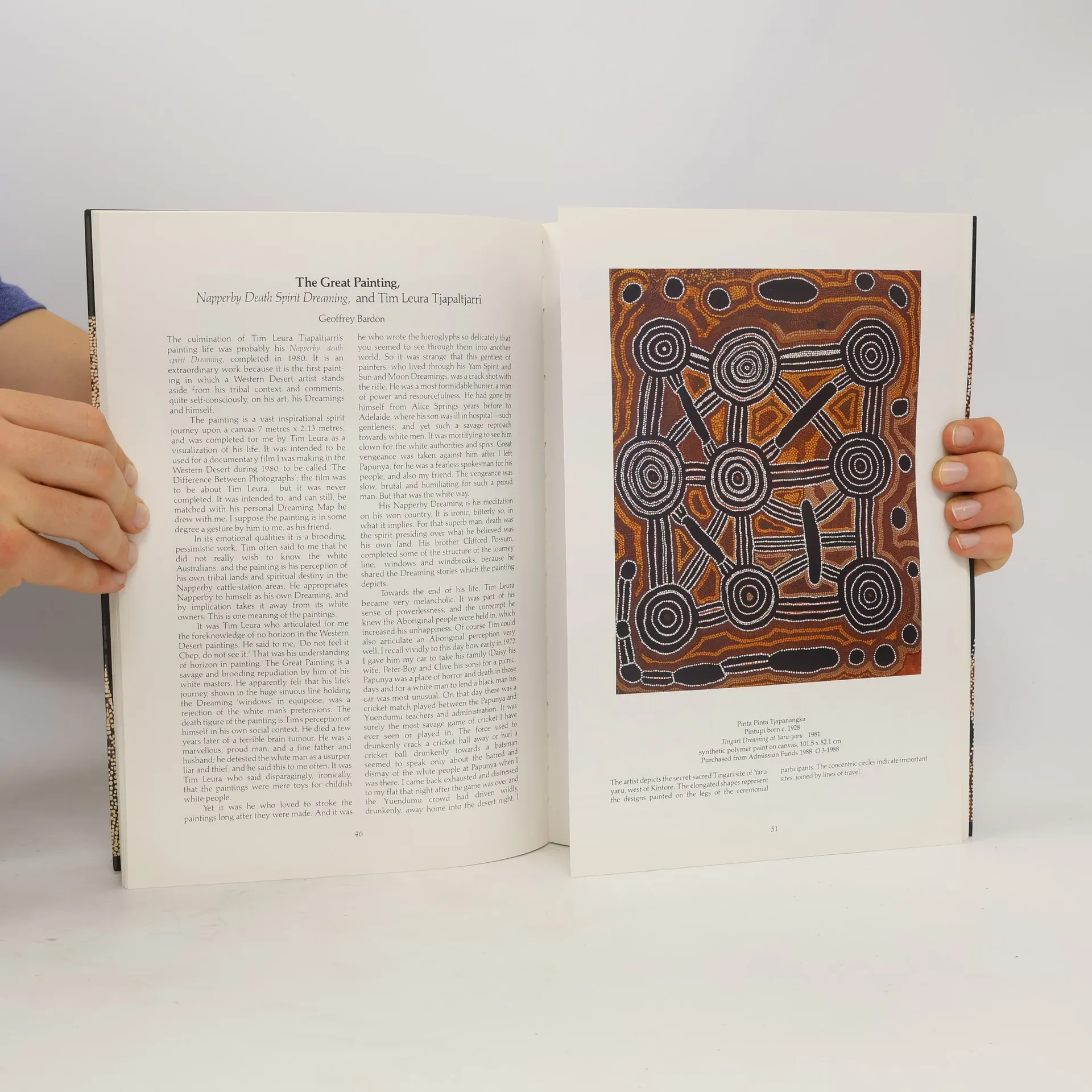
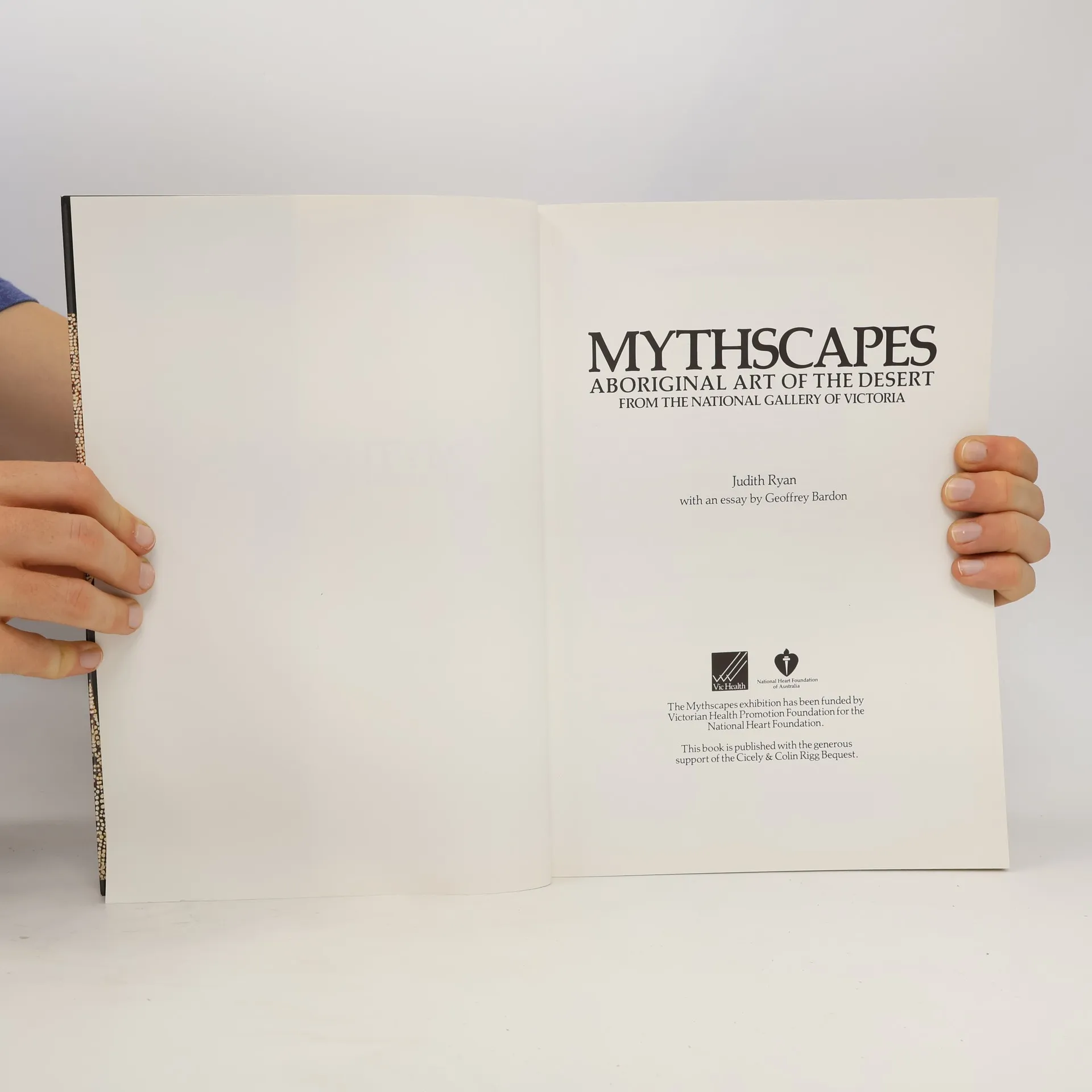
One of the most interesting art movements of modern times began when art teacher Geoffrey Bardon, working in the Papunya settlement 250 miles from Alice Springs in the Western desert of Australia, asked a group of children to paint their school house with the curious design motifs he had noticed. The youngsters asked their elders to do it. From those first five rudimentary school murals, Bardon supplied the Aboriginals with paints, brushes and canvases, spawning the creation of art that has attracted buyers around the world. The idea spread like wild yams in the bush. At first, only men were the painters of the sacred images being transferred from body and rock to two-dimensional surfaces. Today, men and women Aboriginal artists both contribute to this outpouring. This book covers the developments in each settlement as the world's oldest, continuous art evolved into an art that is comfortable on gallery walls everywhere because of its patterns and bold colors. The visuals, arcs, concentric circles, parallel lines point to eternal ideas in the Aboriginal culture, ideograms that bear the weight of 50,000 years and provide us with a new kind of seeing, writes Judith Ryan. (National Gallery of Victoria)
Von Mythscapes (1989) sind aktuell auf Lager verfügbar.
Buchkauf
Mythscapes, Judith Ryan, Geoff Bardon, National Gallery of Victoria
- Sprache

- Erscheinungsdatum
- 1989
- product-detail.submit-box.info.binding
- (Paperback),
- Buchzustand
- Beschädigt
- Preis
- € 7,40
Keiner hat bisher bewertet.
- Titel
- Mythscapes
- Untertitel
- Aboriginal Art of the Desert
- Sprache
- Englisch
- Autor*innen
- Judith Ryan, Geoff Bardon, National Gallery of Victoria
- Erscheinungsdatum
- 1989
- Einband
- Paperback
- Seitenzahl
- 104
- ISBN10
- 0724101365
- ISBN13
- 9780724101368
- Reihe
- Schlagwörter
- Sachbücher, Kunst & Kultur, Sozialwissenschaften, Historisches Thema, Kunst, Ausstellungskataloge, Soziologie, Kunstgeschichte & -theorie, Kunstgeschichte, Australien, Ethnie, Kunst der Naturvölker
- Beschreibung
- One of the most interesting art movements of modern times began when art teacher Geoffrey Bardon, working in the Papunya settlement 250 miles from Alice Springs in the Western desert of Australia, asked a group of children to paint their school house with the curious design motifs he had noticed. The youngsters asked their elders to do it. From those first five rudimentary school murals, Bardon supplied the Aboriginals with paints, brushes and canvases, spawning the creation of art that has attracted buyers around the world. The idea spread like wild yams in the bush. At first, only men were the painters of the sacred images being transferred from body and rock to two-dimensional surfaces. Today, men and women Aboriginal artists both contribute to this outpouring. This book covers the developments in each settlement as the world's oldest, continuous art evolved into an art that is comfortable on gallery walls everywhere because of its patterns and bold colors. The visuals, arcs, concentric circles, parallel lines point to eternal ideas in the Aboriginal culture, ideograms that bear the weight of 50,000 years and provide us with a new kind of seeing, writes Judith Ryan. (National Gallery of Victoria)