


Mehr zum Buch
In this district, you won't find a tree as large as the solitary ombú, known simply as "the ombú." The estate it stands on is now ownerless and ruined, called El Ombú. From its higher branches, you can see the lake of Chascomus and the village nearby. The area is marked by the remnants of an old house, now overgrown with grass and weeds. During summer, I often sit in the shade of the ombú while tending my flock, observing travelers and cattle passing by. Occasionally, I meet a traveler resting under the tree, and we share news of the world beyond my sight. They say that sorrow and ruin befall the house overshadowed by the ombú, and indeed, misfortune came to the old house that once stood here. Yet, sorrow is a part of life, and every house must eventually fall. The buzzing of the mangangá, a carpenter bee, fills the air, reminding me of the years gone by and the lives lived and lost. Sometimes, the tree glows like white fire at midnight, a mysterious sight that doesn't scorch the leaves. Travelers resting beneath it hear echoes of laughter and voices, only to find them fading away. I have known this tree since childhood; it has always been immense, and the house that once stood nearby was a long, low structure made of bricks, now reduced to a bed of nettles.

Buchkauf
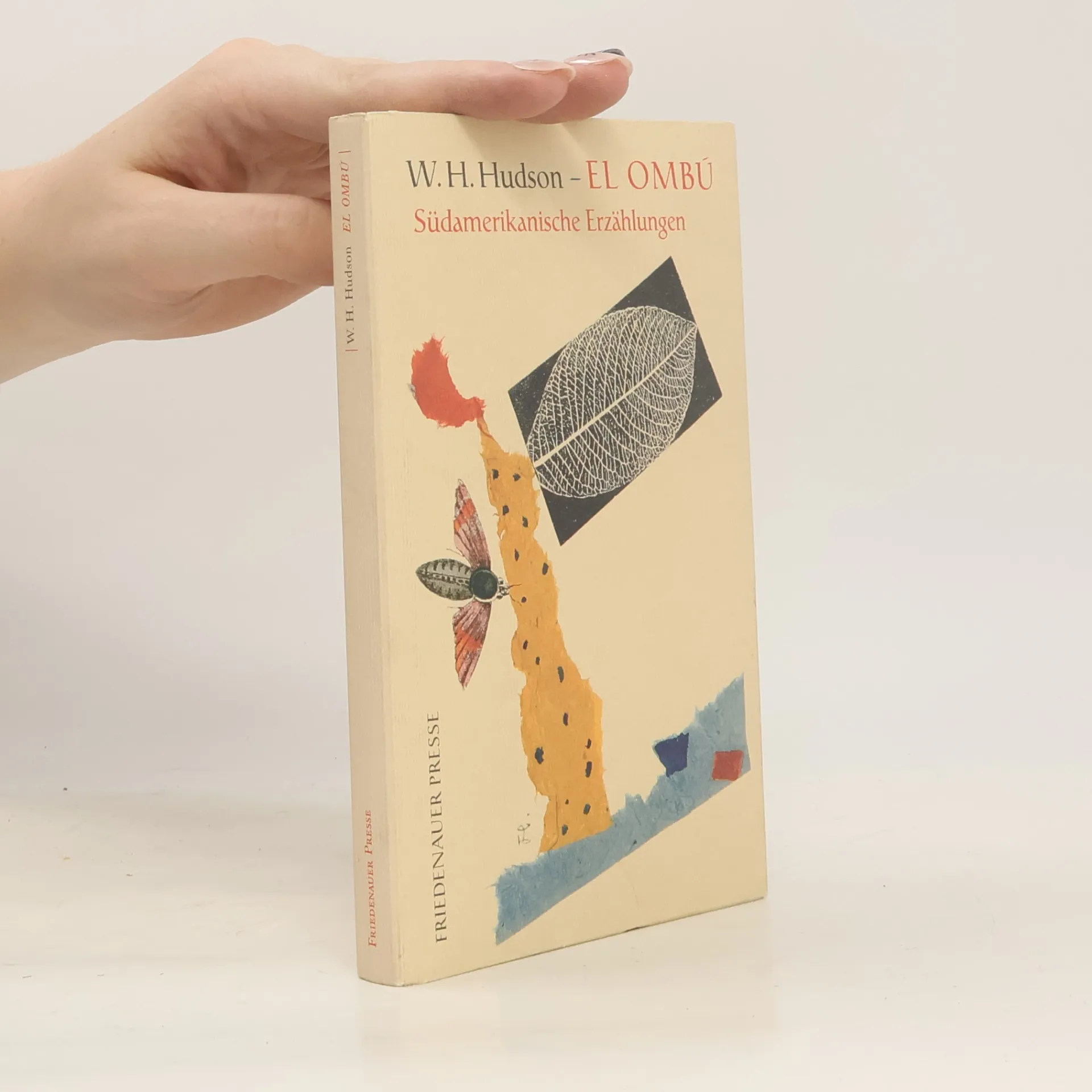
El Ombú, William Henry Hudson
- Sprache

- Erscheinungsdatum
- 2007
- Einband
- (Paperback),
- Buchzustand
- Gebraucht - Gut
- Preis
- € 3,59
Keiner hat bisher bewertet.
- Titel
- El Ombú
- Sprache
- Deutsch
- Autor*innen
- William Henry Hudson
- Verlag
- Friedenauer Presse
- Erscheinungsdatum
- 2007
- Einband
- Paperback
- Seitenzahl
- 149
- ISBN10
- 3932109538
- ISBN13
- 9783932109539
- Reihe
- Kategorien
- Schlagwörter
- Historisches Thema, Sammelwerke, Anthologien
- Beschreibung
- In this district, you won't find a tree as large as the solitary ombú, known simply as "the ombú." The estate it stands on is now ownerless and ruined, called El Ombú. From its higher branches, you can see the lake of Chascomus and the village nearby. The area is marked by the remnants of an old house, now overgrown with grass and weeds. During summer, I often sit in the shade of the ombú while tending my flock, observing travelers and cattle passing by. Occasionally, I meet a traveler resting under the tree, and we share news of the world beyond my sight. They say that sorrow and ruin befall the house overshadowed by the ombú, and indeed, misfortune came to the old house that once stood here. Yet, sorrow is a part of life, and every house must eventually fall. The buzzing of the mangangá, a carpenter bee, fills the air, reminding me of the years gone by and the lives lived and lost. Sometimes, the tree glows like white fire at midnight, a mysterious sight that doesn't scorch the leaves. Travelers resting beneath it hear echoes of laughter and voices, only to find them fading away. I have known this tree since childhood; it has always been immense, and the house that once stood nearby was a long, low structure made of bricks, now reduced to a bed of nettles.