


Mehr zum Buch
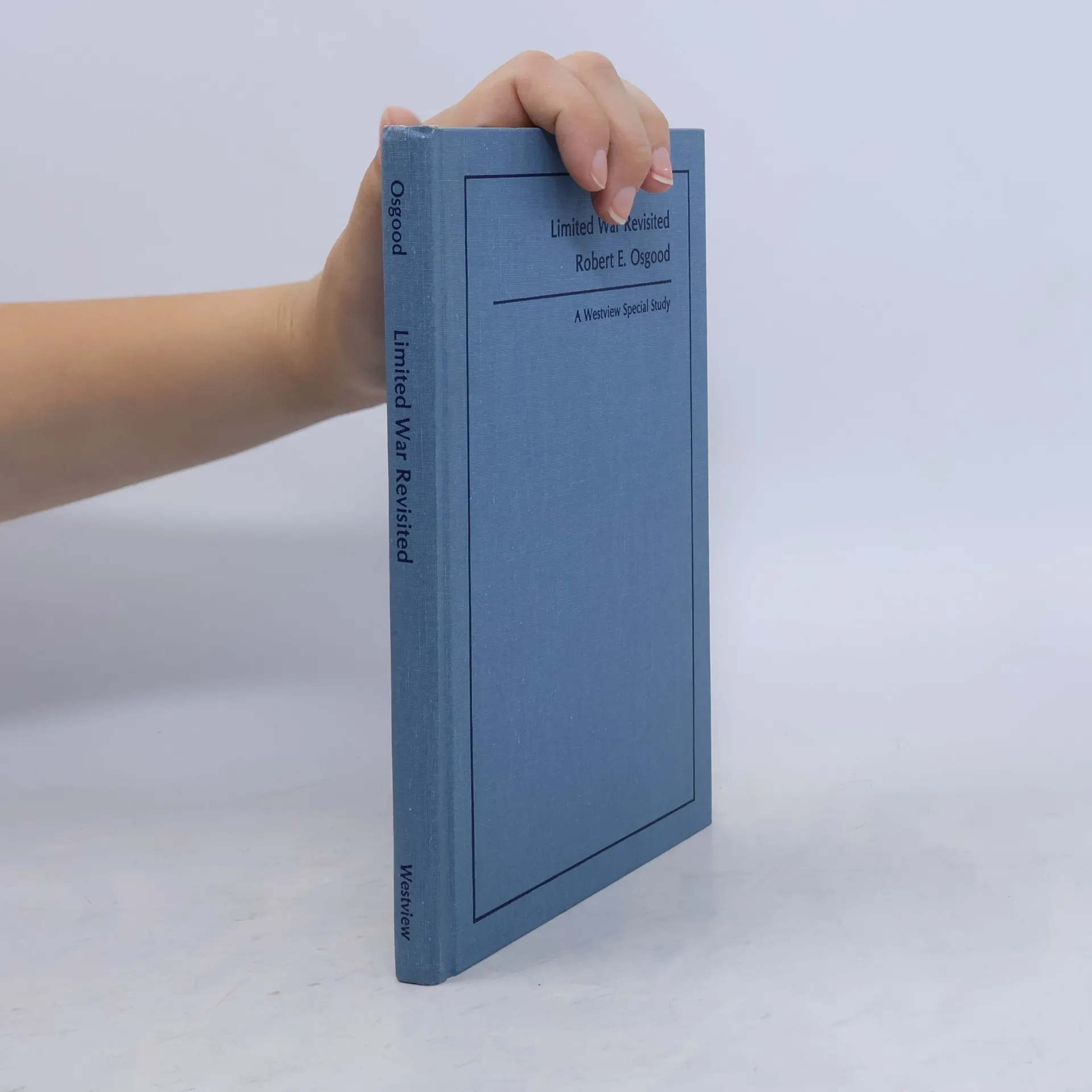
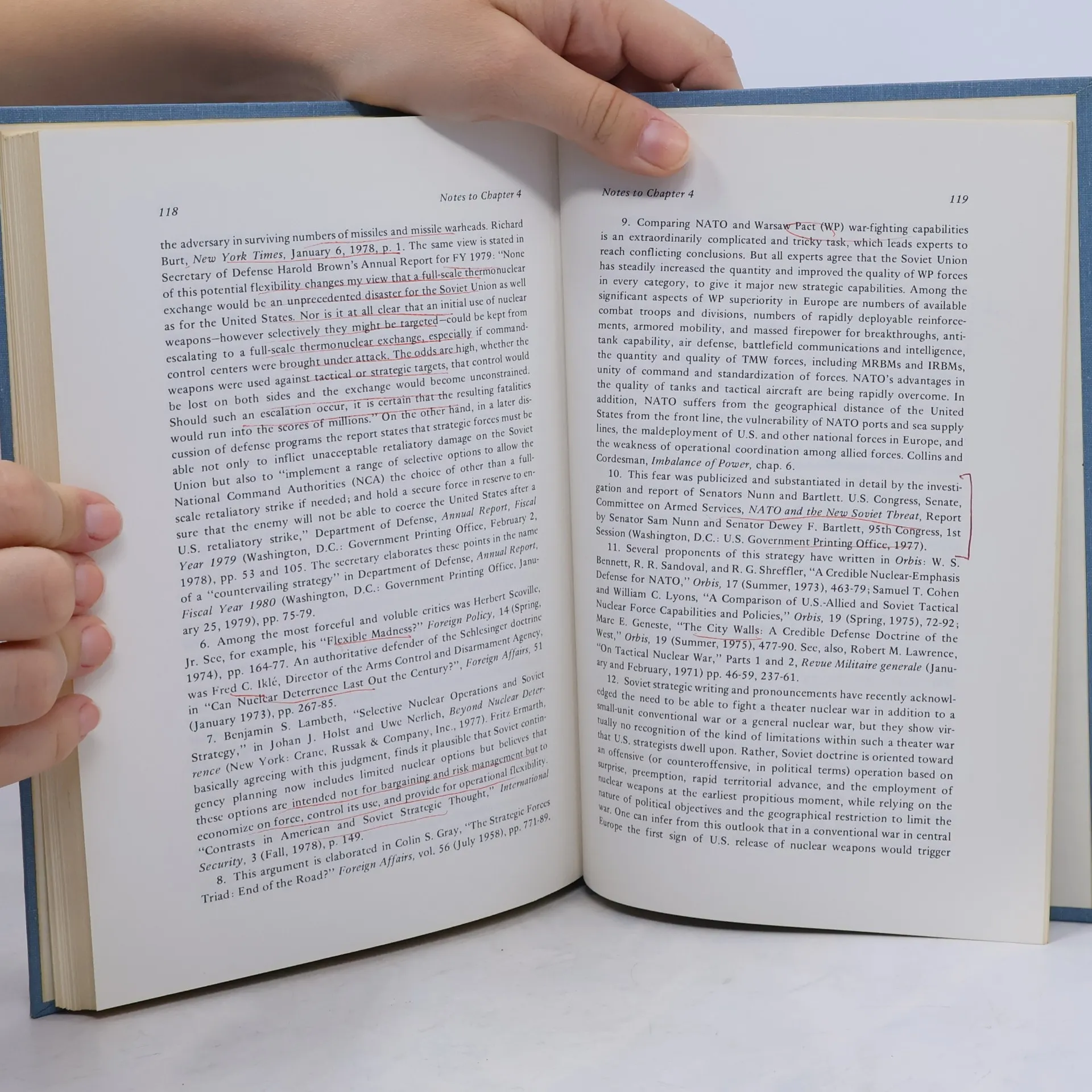
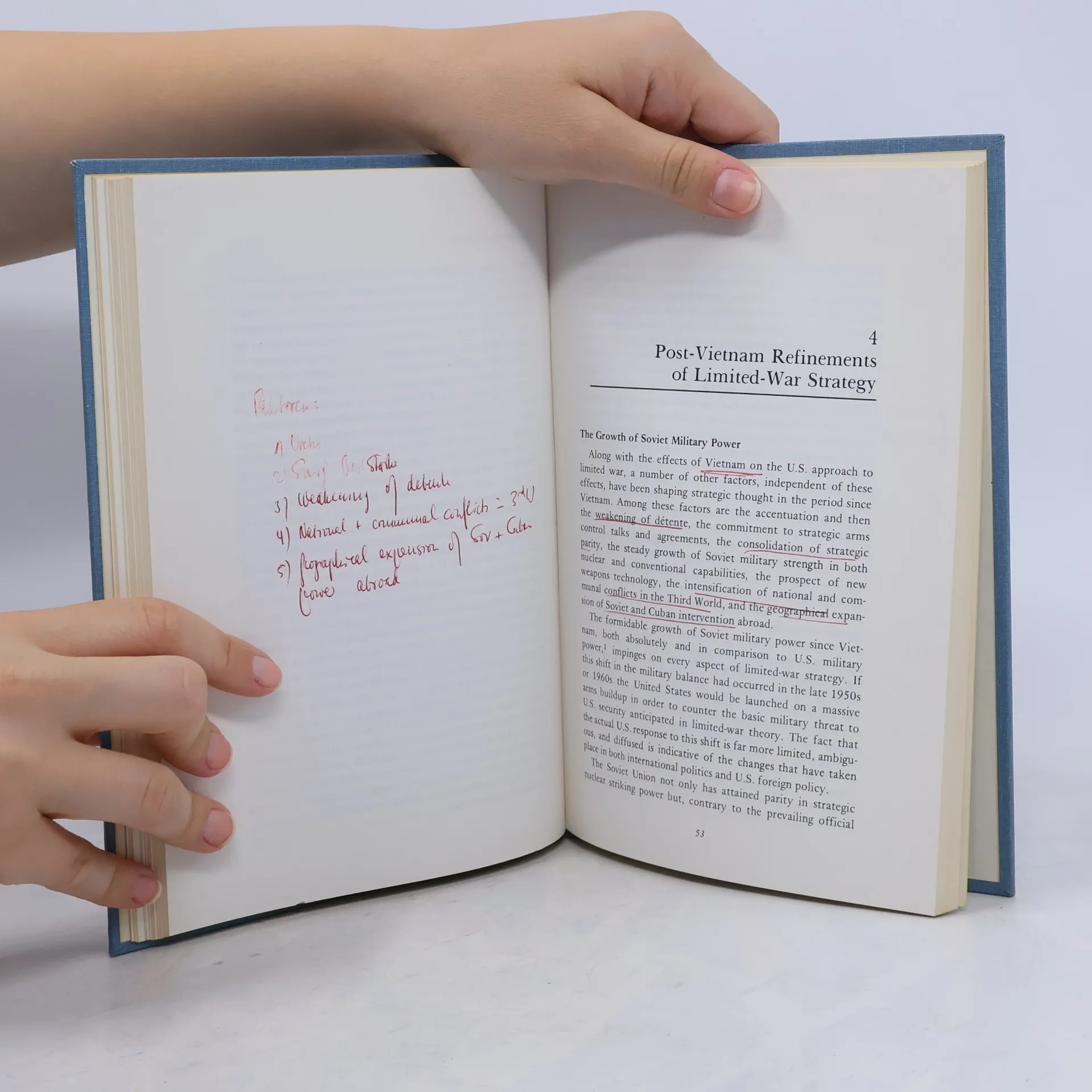
The strategy of limited war has transformed the American approach to the use of force and played a key role in U.S. foreign policy since World War II. As the mainstay of containment it was designed to deter and fight wars effectively at a tolerable cost and risk in the nuclear age by providing the United States with a flexible and controlled response to a variety of military threats. The strategy met a severe challenge in the Vietnam war; it has nevertheless continued to prevail as a doctrine, if not necessarily with its former utility, by adapting to the changing domestic and international environment after Vietnam. Robert E. Osgood critically examines the success, ambiguities, and flaws of the strategy in its expanding application to postwar military policy. He interprets its impact on the Vietnam war and vice versa, extends his analysis to the new challenges posed by changes in technology and the military balance that affect U.S. security, and concludes with a searching inquiry into the problems of limited war where its utility as an instrument of foreign policy is now most in doubt: the Third World.
Buchkauf
Limited War Revisited, Robert Endicott Osgood
- Sprache

- Erscheinungsdatum
- 1979
- Einband
- (Hardcover),
- Buchzustand
- Beschädigt
- Preis
- € 8,53
Keiner hat bisher bewertet.
- Sprache
- Englisch
- Autor*innen
- Robert Endicott Osgood
- Verlag
- Westview Press
- Erscheinungsdatum
- 1979
- Einband
- Hardcover
- Seitenzahl
- 124
- ISBN10
- 089158465X
- ISBN13
- 9780891584650
- Reihe
- Schlagwörter
- Sachbücher, Sozialwissenschaften, Politikwissenschaft, Politische Theorien, Internationale Beziehungen
- Beschreibung
- The strategy of limited war has transformed the American approach to the use of force and played a key role in U.S. foreign policy since World War II. As the mainstay of containment it was designed to deter and fight wars effectively at a tolerable cost and risk in the nuclear age by providing the United States with a flexible and controlled response to a variety of military threats. The strategy met a severe challenge in the Vietnam war; it has nevertheless continued to prevail as a doctrine, if not necessarily with its former utility, by adapting to the changing domestic and international environment after Vietnam. Robert E. Osgood critically examines the success, ambiguities, and flaws of the strategy in its expanding application to postwar military policy. He interprets its impact on the Vietnam war and vice versa, extends his analysis to the new challenges posed by changes in technology and the military balance that affect U.S. security, and concludes with a searching inquiry into the problems of limited war where its utility as an instrument of foreign policy is now most in doubt: the Third World.