Verena Gamper Bücher

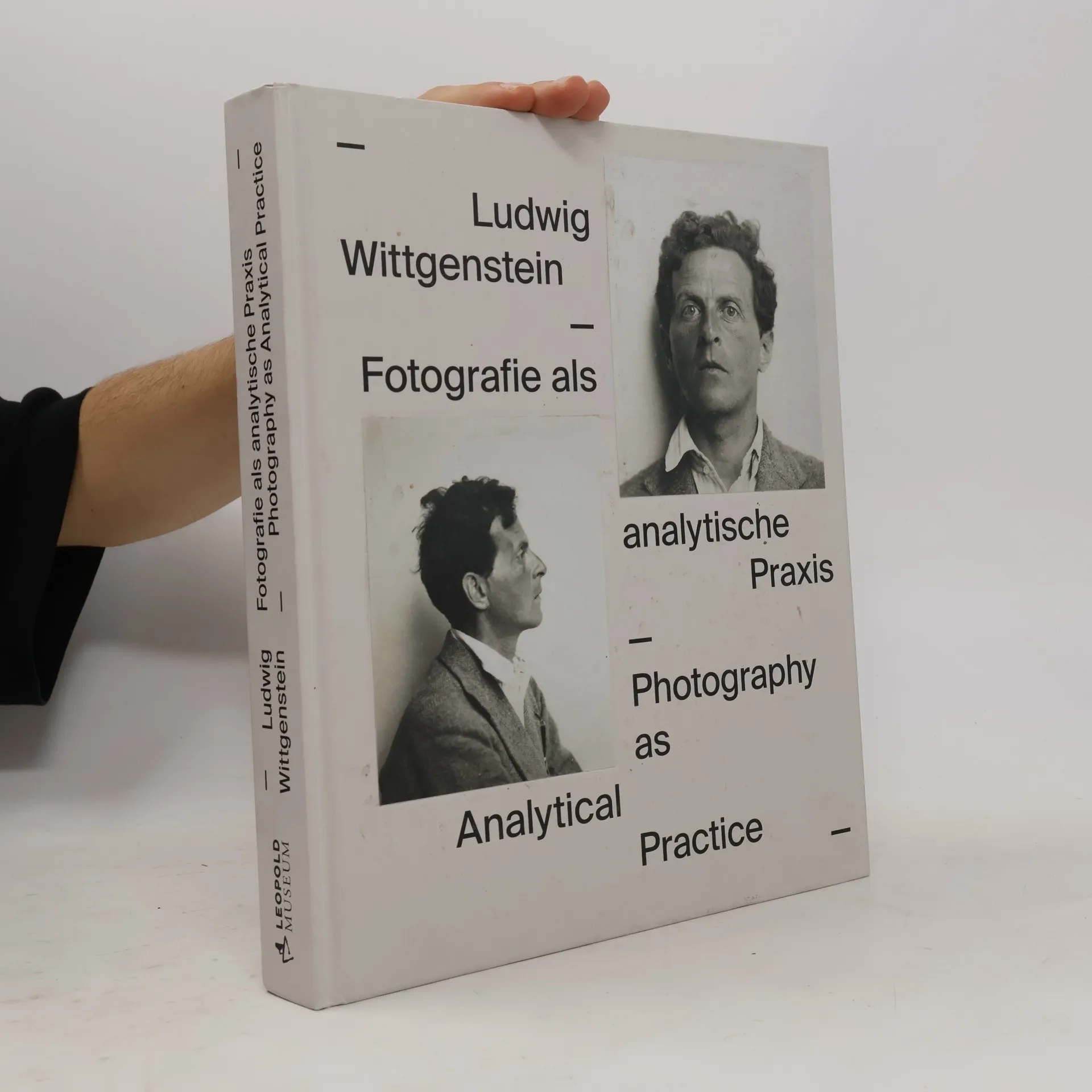
Ludwig Wittgenstein. Fotografie als analytische Praxis
- 304 Seiten
- 11 Lesestunden
The first ever examination of Wittgenstein as collector, author and arranger of photographsMore than any other modernist philosopher, Ludwig Wittgenstein (1889-1951) maintained a notably unusual relationship to photography. From an early age he took a particular liking to the medium and returned to it often, as both a practitioner and a collector. The first volume to appraise his relationship to photography, this book presents his famous and only partially published photo album from the 1930s; photographs of the house for Margarete Stonborough-Wittgenstein that he designed with Paul Engelmann; the composite portrait of the Wittgenstein siblings; excerpts from Wittgenstein's various photo booth pictures and famously staged self-portraits; excerpts from his "Nonsense Collection"; his serial photographic documentations of places and people; and a selection of his picture-postcard correspondences with family and friends.
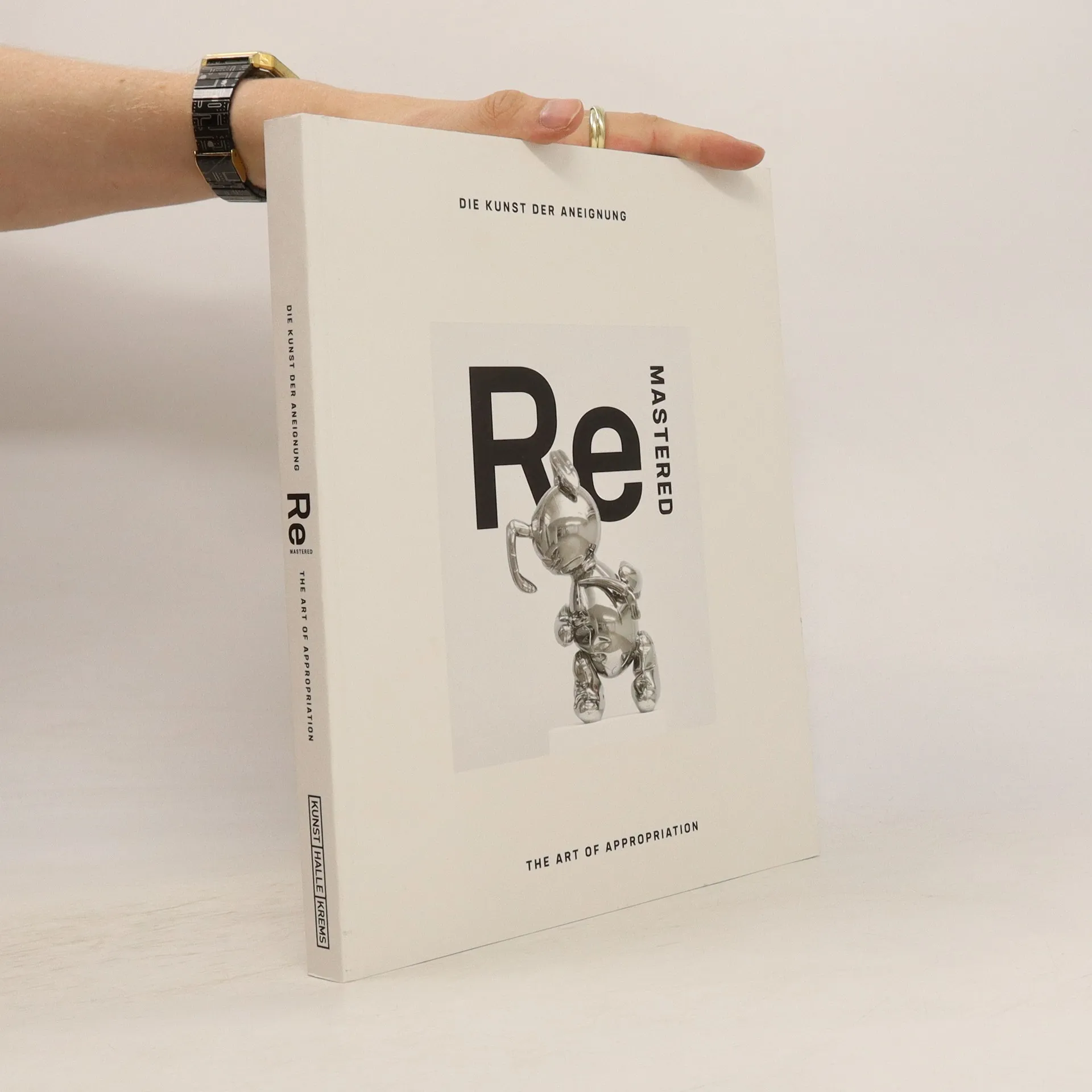
Remastered
- 208 Seiten
- 8 Lesestunden
At first sight, this may seem anachronistic, as we live in times marked by an almost iconoclastic storm of media images that reduces any visual material to the same level of meaning. With regard to the seemingly endless possibilities, however, the appropriation of artworks and thus of a relatively small and, moreover, extremely charged segment of image production, raises exciting questions, with a poignancy that would be impossible when it comes to the integration of non-art material. Like a magnifying glass, this enables a concentrated view of the various aspects of appropriation, providing both eloquent and insightful comments on the field of art and its systems of reference. In combining historic works of Appropriation Art, contemporary positions and works which partly yet have to be illuminated from this point of view, the art of appropriation is analyzed in its unique complexity.
Ausgehend von Ludwig Wittgensteins fotografischer Praxis und seinen theoretischen Äußerungen zur Fotografie werden Verständnis und Verwendung des Mediums analysiert und für eine zeitgenössische Re-Vision fruchtbar gemacht. Motivisch wie thematisch gefasste Resonanzräume legen strukturelle Analogien offen, die das fotografische Œuvre Wittgensteins in seinem metareflexiven Charakter beleuchten und zugleich den Blick auf die ausgewählten zeitgenössischen Kunstwerke schärfen. Starting out from Ludwig Wittgenstein's photographic practice and his theoretical reflections on photography, his understanding and use of the medium are analyzed, inviting a fruitful contemporary re-viewing. Motivic and thematic resonant spaces make visible structural analogies that illustrate the metareflective character of Wittgenstein's photographic oeuvre while also sharpening the view on the selected contemporary artworks.
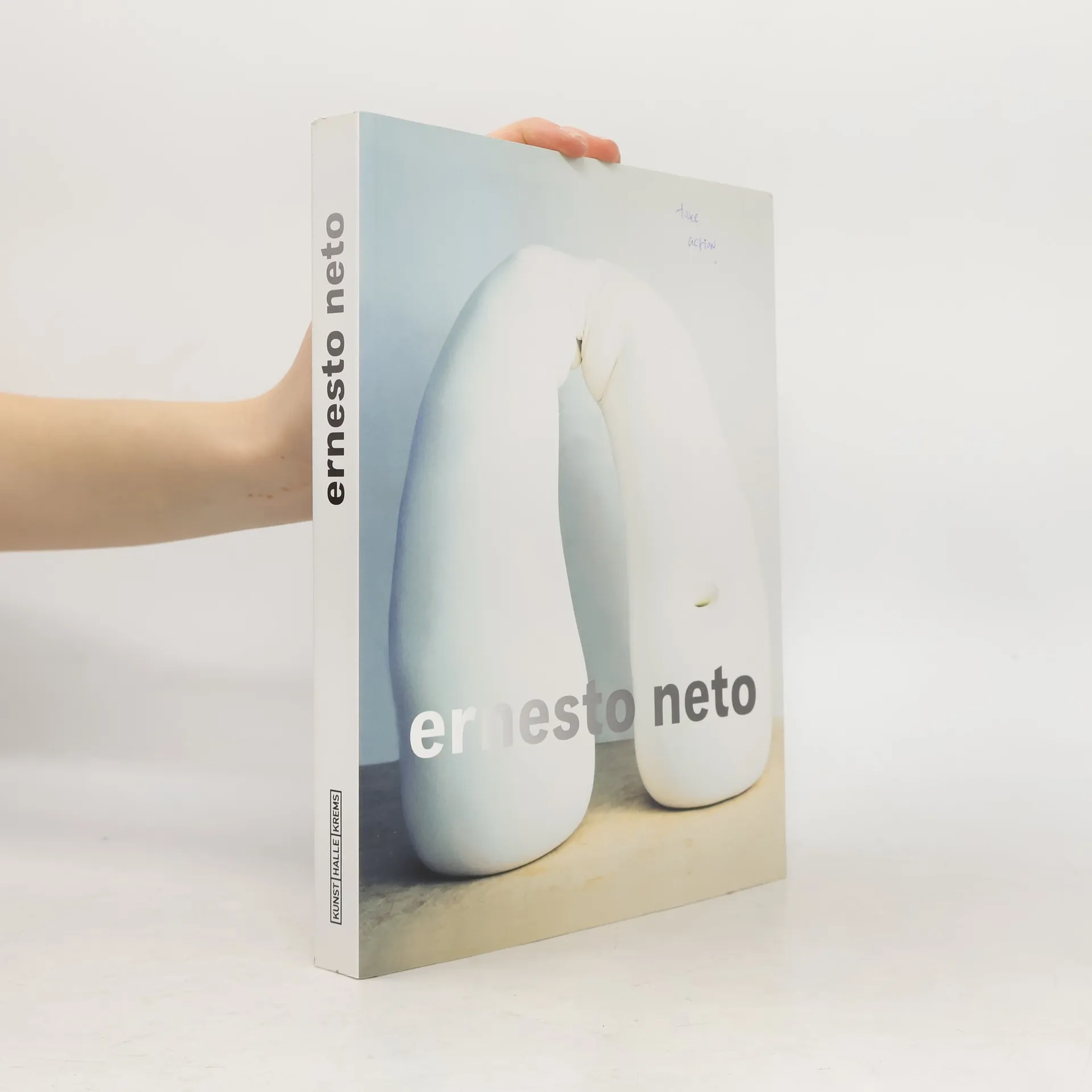
Ernesto Neto
- 192 Seiten
- 7 Lesestunden
I am sculpture and think as sculpture, said Brazilian artist Ernesto Neto (born 1964). Neto aims to create an equally absorbing, boundary-blurring experience for his audiences, soliciting interaction and multisensory engagement from viewers of his engrossing biomorphic sculptural environments; he seeks nothing less than to create and to tap into a universal language of the senses. Ernesto Neto , published to accompany an exhibition-cum-Gesamtkunstwerk at the Kunsthalle Krems, is conceived as a retrospective and an opportunity to offer new insights into Neto’s biosculptural cosmos of sensuousness, intimacy and interrelationships (both human and material). Particular attention is paid in this volume to the roots of Neto’s work in the art history and culture of Brazil, from the Neo-Concrete art of Lygia Clark and Hélio Oiticica to the Tropicália theater, poetry and music of the late 1960s.
Egon Schiele: Living Landscapes
- 220 Seiten
- 8 Lesestunden
This book explores the connection between landscape and portraiture in Egon Schiele's art, emphasizing how plants and environments symbolize the human condition. It accompanies an exhibition at the Neue Galerie New York and features insights from experts on Schiele's landscapes, revealing their deeper meanings beyond mere subjects.
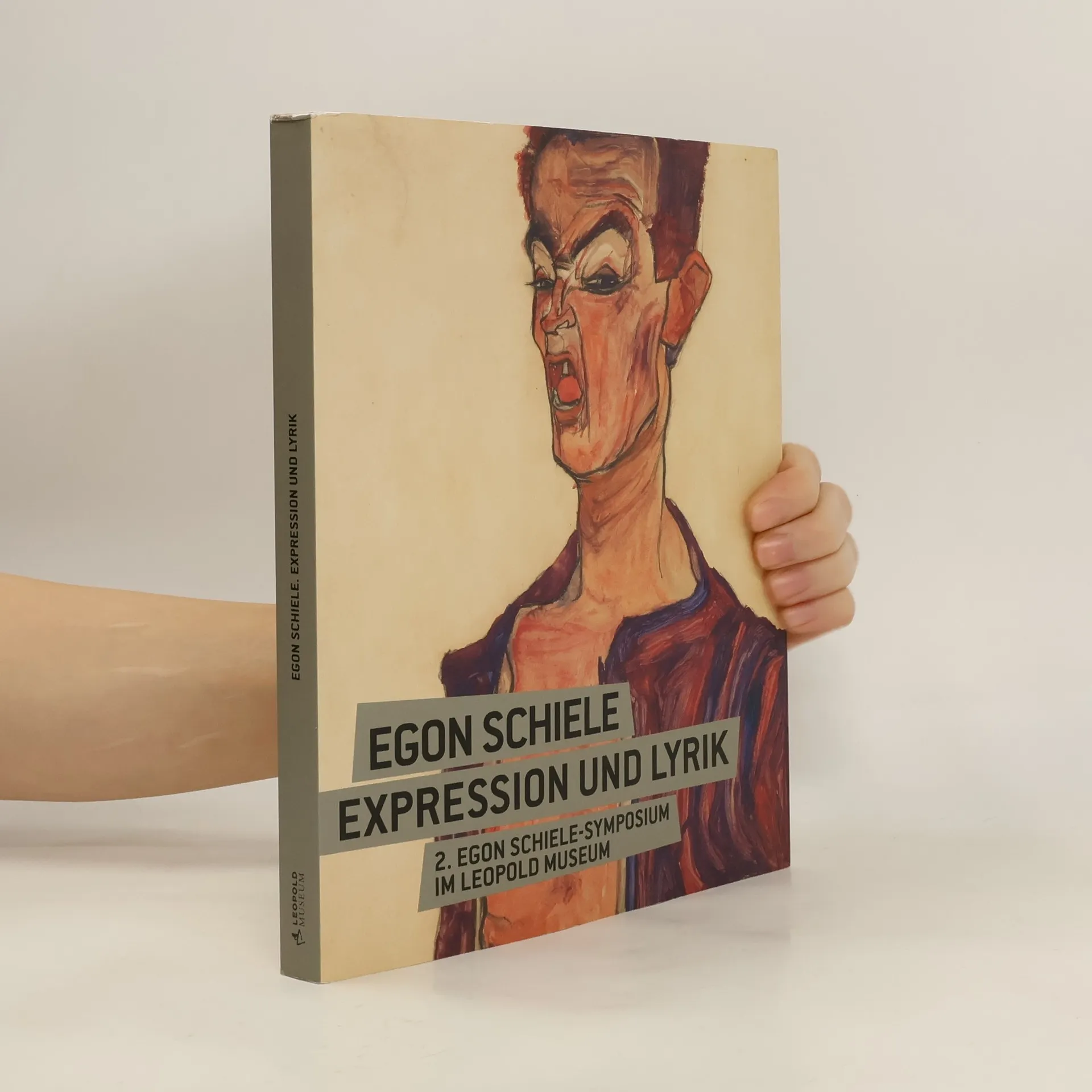
Egon Schiele. Expression und Lyrik
- 228 Seiten
- 8 Lesestunden