Vater war im Krieg – Sohn spielt Nazis: Unsere ambivalente Geschichte Peter Jordan sagt von sich selbst, es gebe keinen Tag, an dem er nicht an Krieg und Shoah denke. Der 1967 geborene Schauspieler ringt bis heute um ein für ihn richtiges Verhältnis zur deutschen Kultur. In den jungen Jahren galt ihm, wie vielen seiner Generation, alles Deutsche als verdächtig und muffig. Doch mit der Geburt seines Kindes stellte sich die Aufgabe, das Eigene zu benennen und zu vermitteln. ›Kein schöner Land‹ ist ein autobiographischer, erzählender Essay von hoher Aktualität, denn die Frage, was Deutschland ist und sein kann, wird im Inneren von Rechtsradikalen und auch international mit zunehmender Schärfe gestellt. Klar ist: Wegducken können wir uns nicht mehr. Peter Jordan wagt eine so persönliche wie angstfreie Antwort.
Peter Jordan Reihenfolge der Bücher (Chronologisch)


Breslau oder Wroclaw? Das Begriffspaar Endonym/Exonym als Kernthema der Kritischen Toponomastik
Wie politische Haltungen den Gebrauch geographischer Namen bestimmen
- 179 Seiten
- 7 Lesestunden
Die Auseinandersetzung mit der Angemessenheit des deutschen Namens wird in diesem Buch eingehend untersucht. Es beleuchtet die kulturellen und historischen Kontexte, die mit Namen verbunden sind, und reflektiert die Identität und das Selbstverständnis der Menschen. Durch persönliche Geschichten und gesellschaftliche Analysen wird ein tiefes Verständnis für die Bedeutung von Namen in der deutschen Sprache und Kultur vermittelt. Leser werden dazu angeregt, über die eigene Namenswahl und deren Auswirkungen auf das Leben nachzudenken.
The Working Group (WG) on Exonyms of the United Nations Group of Experts on Geographical Names was established in 2002. The papers in this volume of Name & Place, marking the 19th Meeting of the WG in Prague in 2017, represent a cross-section of the knowledge acquired after 15 years of collective activities, in which the WG has developed – and hopefully enhanced – its understanding and appreciation of the subject of exonyms with the sub-themes usage, standardization, definitions, and criteria. All of them have been examined in this book series. In this volume we return to the subject of exonym usage, through papers which reveal a survey of the circumstances under which exonyms are deployed in individual countries today.
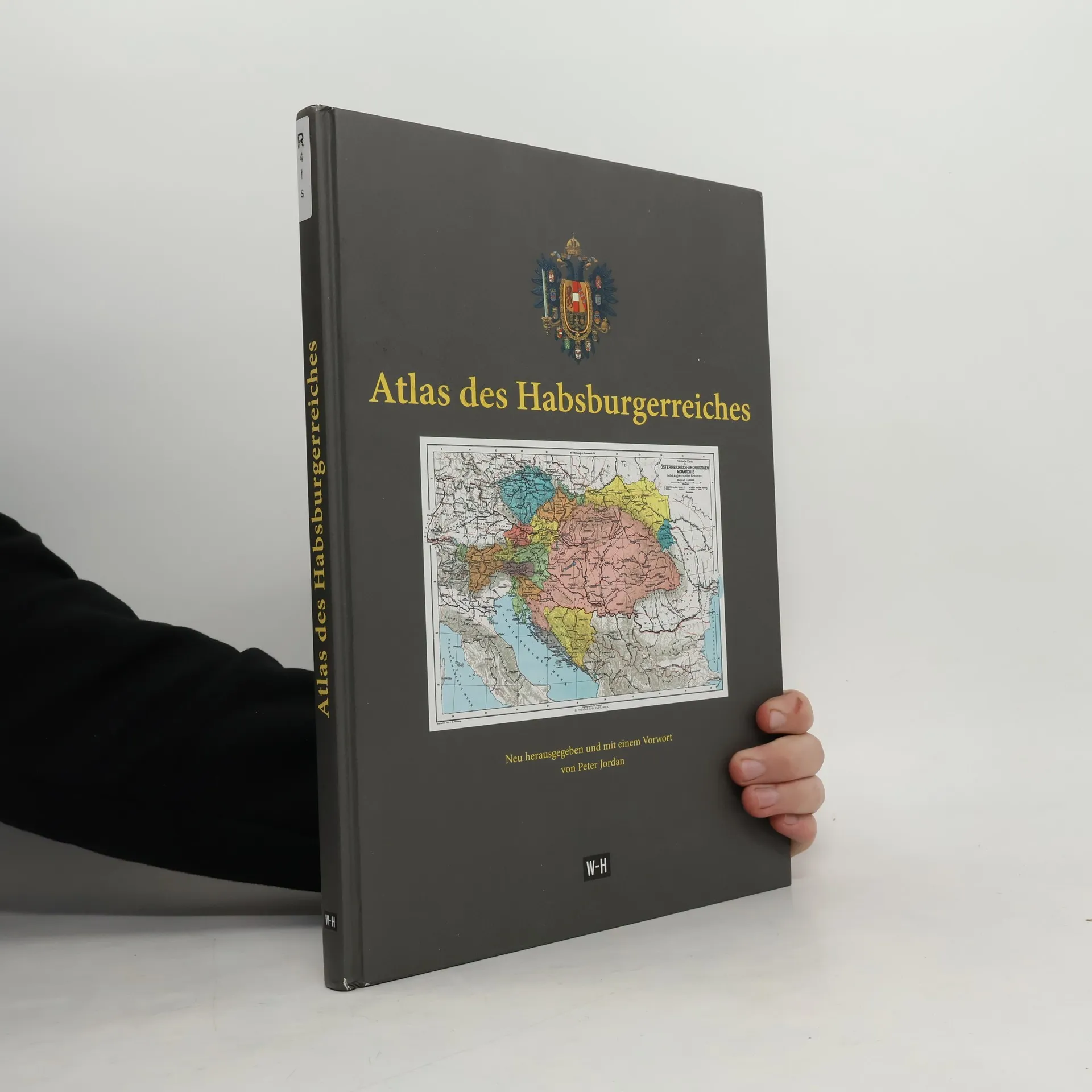
Atlas des Habsburgerreiches
Johann Georg Rothaugs „Geographischer Atlas zur Vaterlandskunde an den österreichischen Mittelschulen“. Neu herausgegeben und mit einem Vorwort von Peter Jordan
Confirmation of the definitions
- 252 Seiten
- 9 Lesestunden
The term exonym was first introduced by British toponymist Marcel AUROUSSEAU in 1957, while the term endonym was coined later by Austrian Slavist Otto KRONSTEINER in 1975. Despite endonyms being the primary concept and more numerous, the United Nations Group of Experts on Geographical Names (UNGEGN) defined both terms in its 1984 Glossary. Following the establishment of the UNGEGN Working Group on Exonyms in 2002, these definitions underwent three modifications, with the latest in 2007. However, the 2007 definitions faced scrutiny due to practical application issues and perceived incompleteness. Ongoing discussions, primarily in annual Working Group meetings, addressed questions such as the identity of the local community defining the endonym, the extent of its territory, and the criteria for an endonym's status, particularly concerning new migrant communities. A linguistic perspective on the endonym/exonym divide was also proposed, diverging from traditional UNGEGN views. By 2014, it became evident that reconciling differing opinions within the Working Group was unlikely, prompting a declaration that the 16th meeting in Hermagor would be the final chance to agree on new definitions. The 18 papers presented at this meeting encapsulate the culmination of discussions, showcasing the debate between comprehensive umbrella terms and those catering to practical standardization needs, as well as differing linguistic and cultural-geog
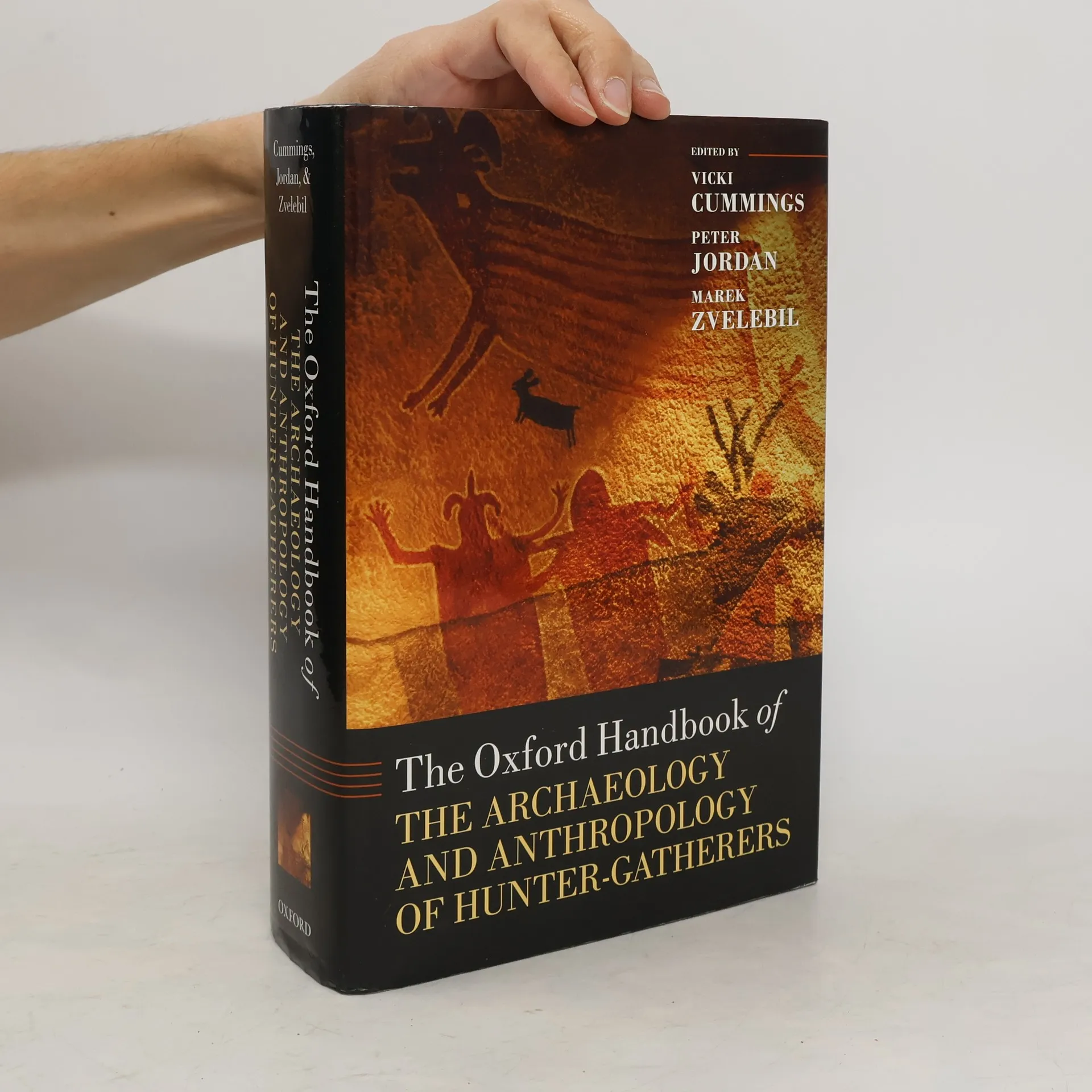
The Oxford Handbook of the Archaeology and Anthropology of Hunter-gatherers
- 1330 Seiten
- 47 Lesestunden
This book provides a comprehensive review of hunter-gatherer studies, undertaking detailed regional and thematic case-studies that span the archaeology, history and anthropology of hunter gatherers, concluding with an in-depth review of the main opportunities, research questions, and moral obligations that lie ahead.
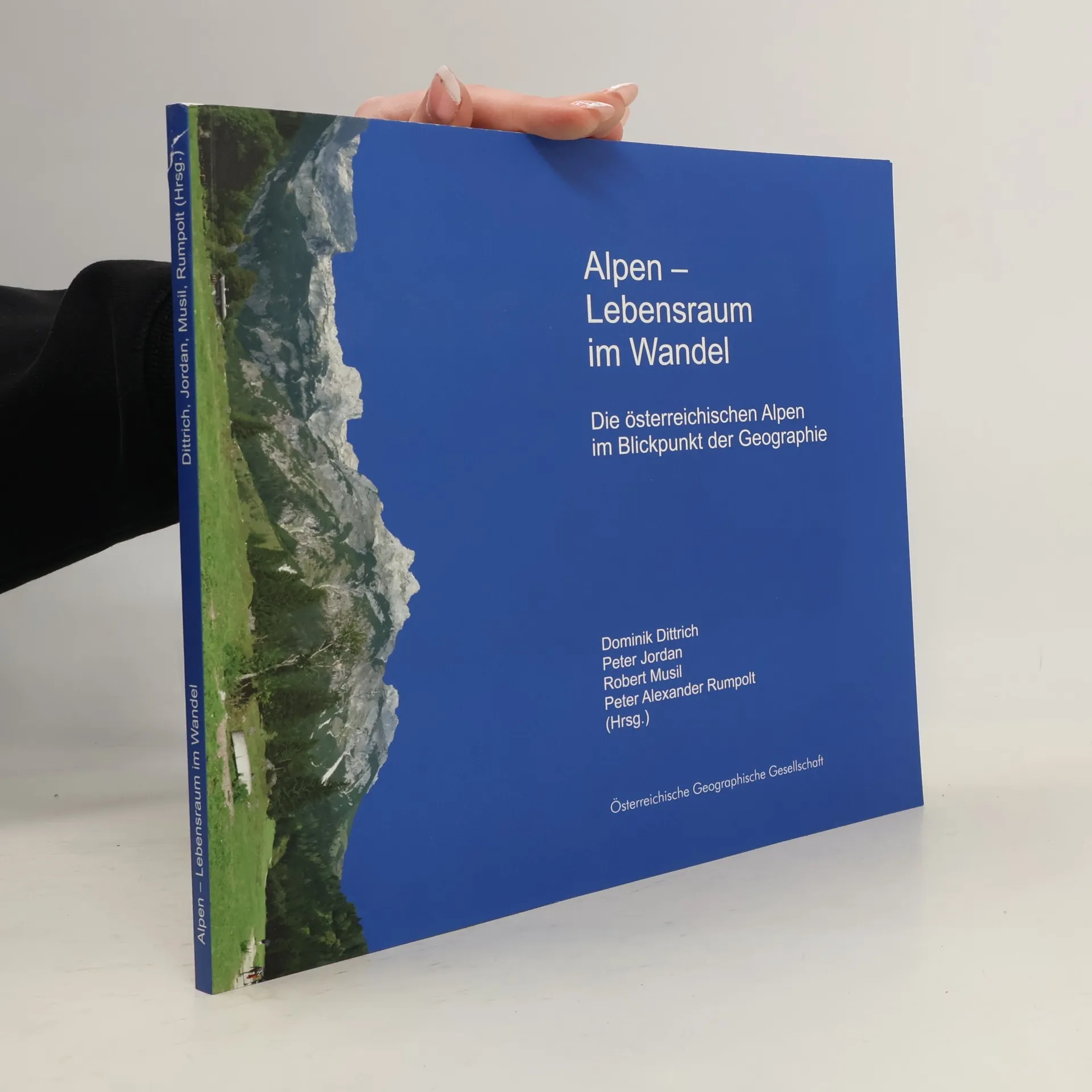
Alpen - Lebensraum im Wandel
Die österreichischen Alpen im Blickpunkt der Geographie
- 135 Seiten
- 5 Lesestunden
Krim-Krieg in Wiesbaden
Krimi-Hörspiel
Eine prachtvolle Benefizgala im Nassauer Hof, dem Wiesbadener Nobel-Hotel. Alle sind da: die Schönen und die Reichen der hessischen Landeshauptstadt, die Industriellen, die Politiker und natürlich die Pressefotografen, darunter Camillo Falk, ein alteingesessener Wiesbadener. Plötzlich stolpert eine Prostituierte auf das Parkett und stirbt.Die Spur der Frau führt Camillo zu einem der Hotelzimmer. Hier findet er die Leiche des schwerreichen Wiesbadener Sekt-Fabrikanten Hans Struck, getötet mit dem abgebrochenen Hals einer Krim-Sekt-Flasche. Wenige Minuten vor seinem Tod hatte Struck noch eine brillante Rede vor den Gästen gehalten. Die Aufzeichnungen sämtlicher Sicherheitskameras sind jedoch verschwunden und das BKA hält sich bei den Ermittlungen merkwürdigerweise sehr zurück. War der Mörder unter den Gästen? Hatte das tote Mädchen noch etwas sagen oder auf jemanden zeigen wollen?Die Ermittlungen führen den Fotografen und Hobbydetektiv Camillo und seinen Sohn, Hauptkommissar Raimund Falk, in zwei Richtungen: Es soll eine Gruppe von ukrainischen Krim-Sekt-Herstellern geben, die mit äußerst brutalen Mitteln versuchen, die hessische Sekt-Produktion zu übernehmen. Eine andere Fährte führt Ray in die Villen-Gegend, in einen vornehmen Vorort, wo Strucks Witwe die hessische Politik und sogar die Landesregierung beschuldigt, in den Fall verwickelt zu sein ...
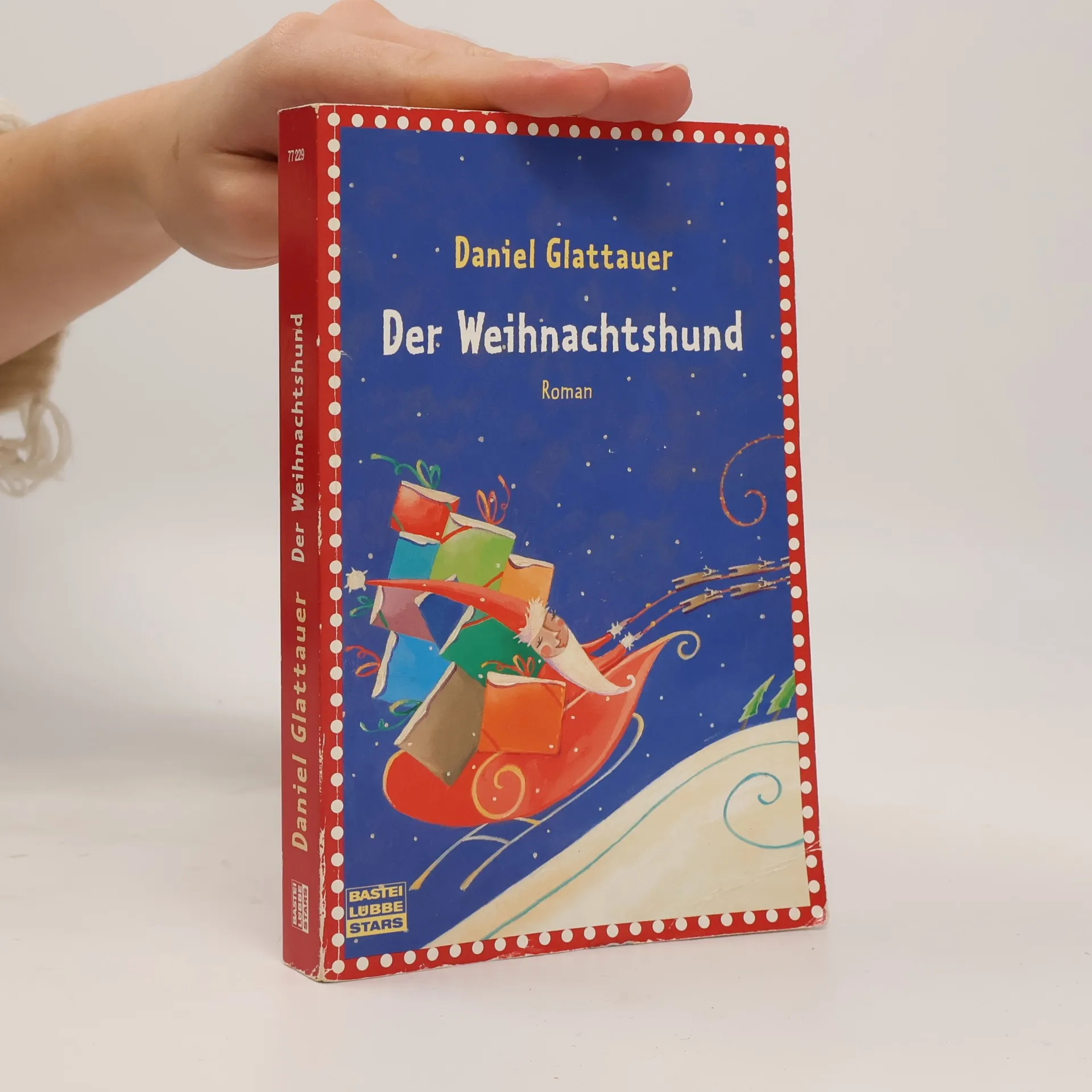
Max will vor Weihnachten flüchten. Dabei ist ihm Kurt, sein Hund, im Weg. Kurt war leider eine Fehlinvestition. Er schläft meistens, und wenn er sich bewegt, dann höchstens irrtümlich. Katrin hat mit den beiden ursprünglich nichts zu tun. Sie wird demnächst dreißig und leidet unter Eltern, die darunter leiden, dass sie noch keinen Mann fürs Leben gefunden hat. Mit Weihnachten kommt der Höhepunkt des familiären Leidens auf sie zu. Dann tritt plötzlich Kurt in Erscheinung. Katrin mag zwar keine Hunde. Aber Kurt bringt sie auf eine Idee... Der Weihnachtshund ist die ideale Lektüre für alle, die Weihnachten aus langjähriger Erfahrung kennen und fürchten.
Biss zum Ende der Nacht
- 800 Seiten
- 28 Lesestunden
Wenn die einzige Chance auf eine ewige Liebe darin liegt, sich von seinem Liebsten töten zu lassen - hat man dann eine Wahl? Ein Jahr voller Glück, aber auch voller Schmerz liegt hinter Bella. Ein Jahr, in dem sie fast zerbrochen wäre, weil ihre Leidenschaft für Edward und ihre innige Freundschaft zu Jacob einfach unvereinbar sind. Aber nun ist ihre Entscheidung gefallen. Unwiderruflich. Auch wenn das für alle verheerende Folgen haben könnte.
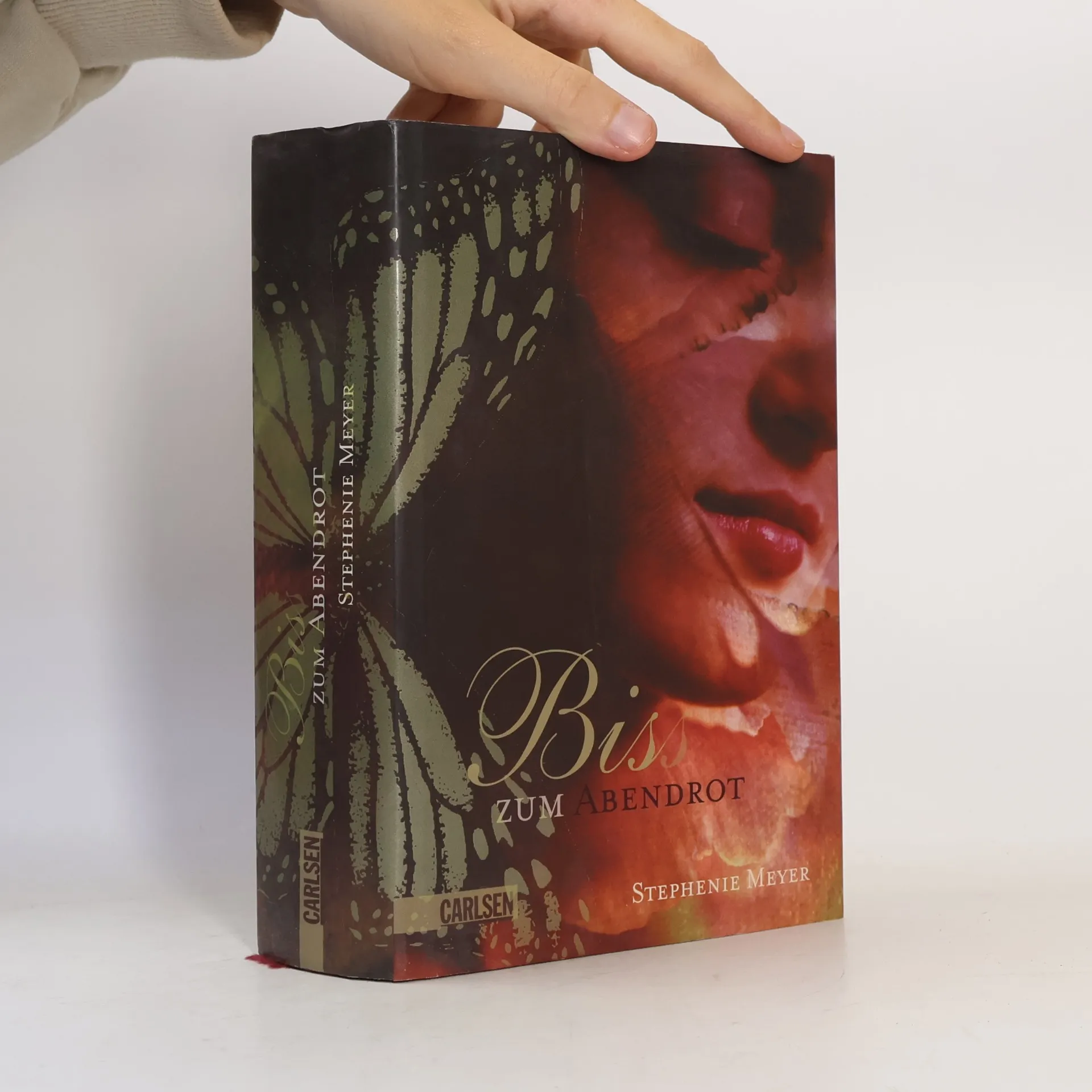
Biss zum Abendrot
- 619 Seiten
- 22 Lesestunden
Bellas Leben ist in Gefahr. Seattle wird von einer Reihe rätselhafter Mordfälle erschüttert, ein offensichtlich blutrünstiger Vampir sinnt auf Rache. Und seine Spuren führen zu Bella. Aber damit nicht genug: Nachdem sie wieder mit Edward zusammen ist, muss sie sich zwischen ihrer Liebe zu ihm und ihrer Freundschaft mit Jacob entscheiden - wohl wissend, dass sie damit den uralten Kampf zwischen Vampiren und Werwölfen neu entfachen könnte ... „Bella?“ Das war Edwards Stimme hinter mir. Als ich mich umdrehte, sprang er leichtfüßig die Verandatreppe hinauf, die Haare vom Rennen zerzaust. Sofort nahm er mich in die Arme und küsste mich, genau wie vorhin auf dem Parkplatz. Der Kuss erschreckte mich. Edward wirkte so nervös, so angespannt, als er seine Lippen auf meine presste - als hätte er Angst, dass uns nicht mehr genug Zeit bliebe. Der Tag der Entscheidung rückt immer näher - was wird Bella wählen: Leben oder Tod?
Material Culture and Sacred Landscape
The Anthropology of the Siberian Khanty
- 336 Seiten
- 12 Lesestunden
Exploring the Khanty pastoralists of Siberia, this study delves into their intricate relationship with sacred landscapes. It examines how these landscapes shape their cultural identity, spiritual practices, and social structures. Through ethnographic insights, the book highlights the significance of these sacred sites in the Khanty community, shedding light on their traditions, beliefs, and the impact of modern changes on their way of life.
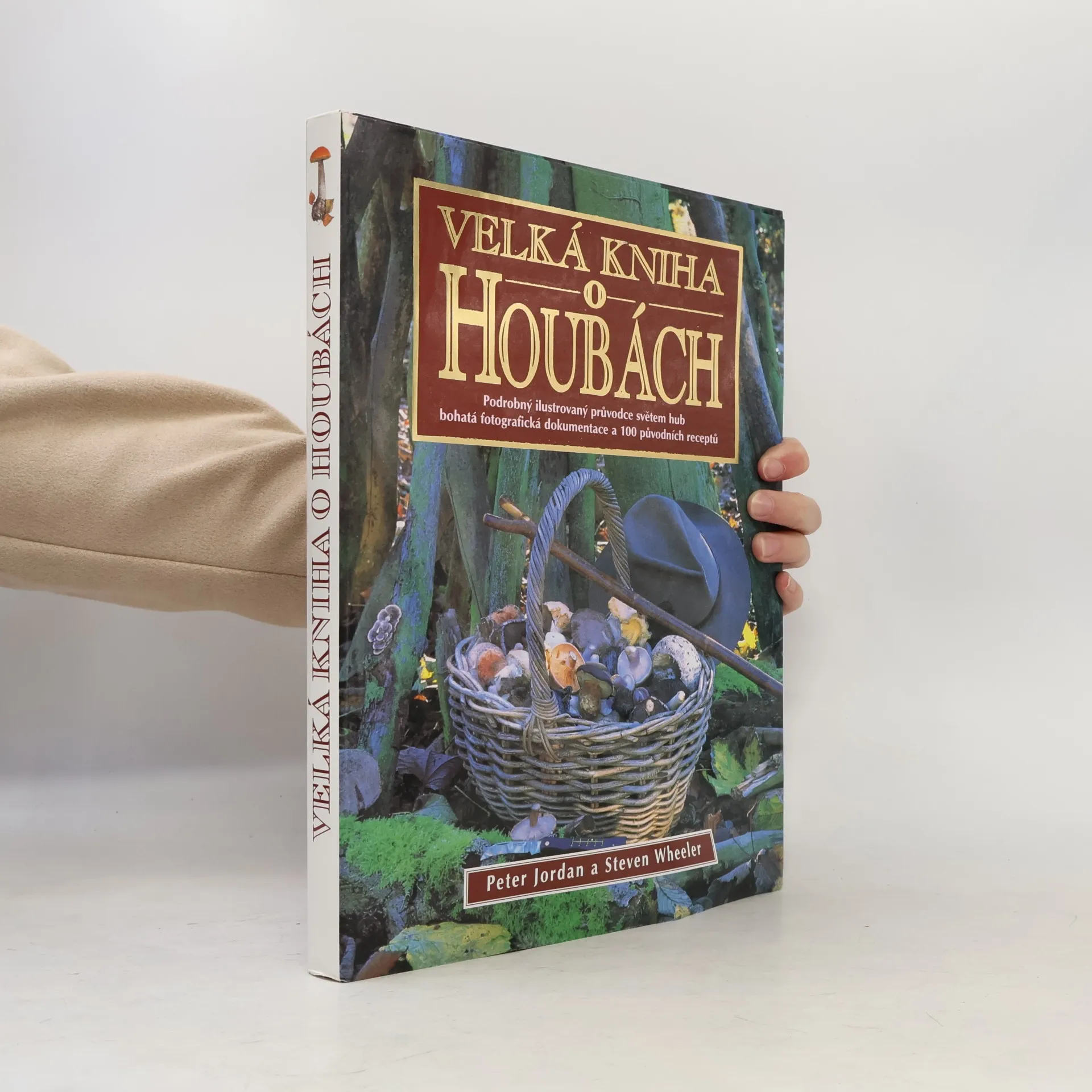
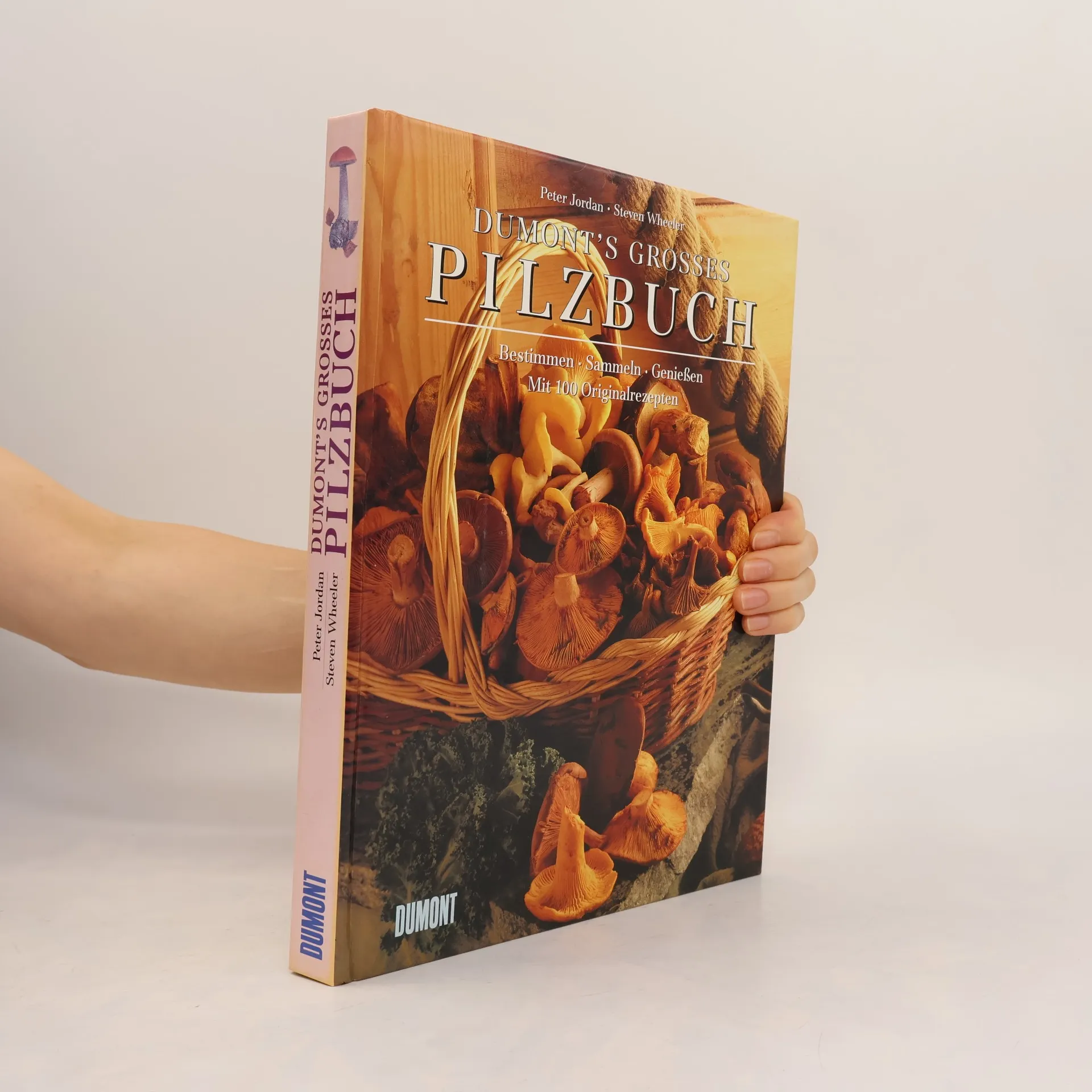
Podrobný ilustrovaný průvodce světem hub, bohatá fotografická dokumentace a 100 původních receptů.
The New Guide to Mushrooms: The Ultimate Guide to Indentifying, Picking and Using Mushrooms
- 128 Seiten
- 5 Lesestunden
This definitive reference to the world of mushrooms is an essential addition to every mushroom hunter's field kit. The various habitats where mushrooms are found, the times of year when different mushrooms grow are included, along with essential information on equipment, storing and preserving, and how to take a spore print. A fully illustrated A-Z guide follows with the identifying features and habitats of the most popular edible mushrooms. Each entry is accompanied by a clear photographic portrait of the mushroom and in-place images of the growing mushroom for even more accurate information. Additional hints and tips for culinary preparation tell how to preserve, store and cook mushrooms. Finally, a chapter on inedible mushrooms clearly illustrates all the poisonous and possibly deceptive kinds of mushrooms which the picker is most likely to come across.
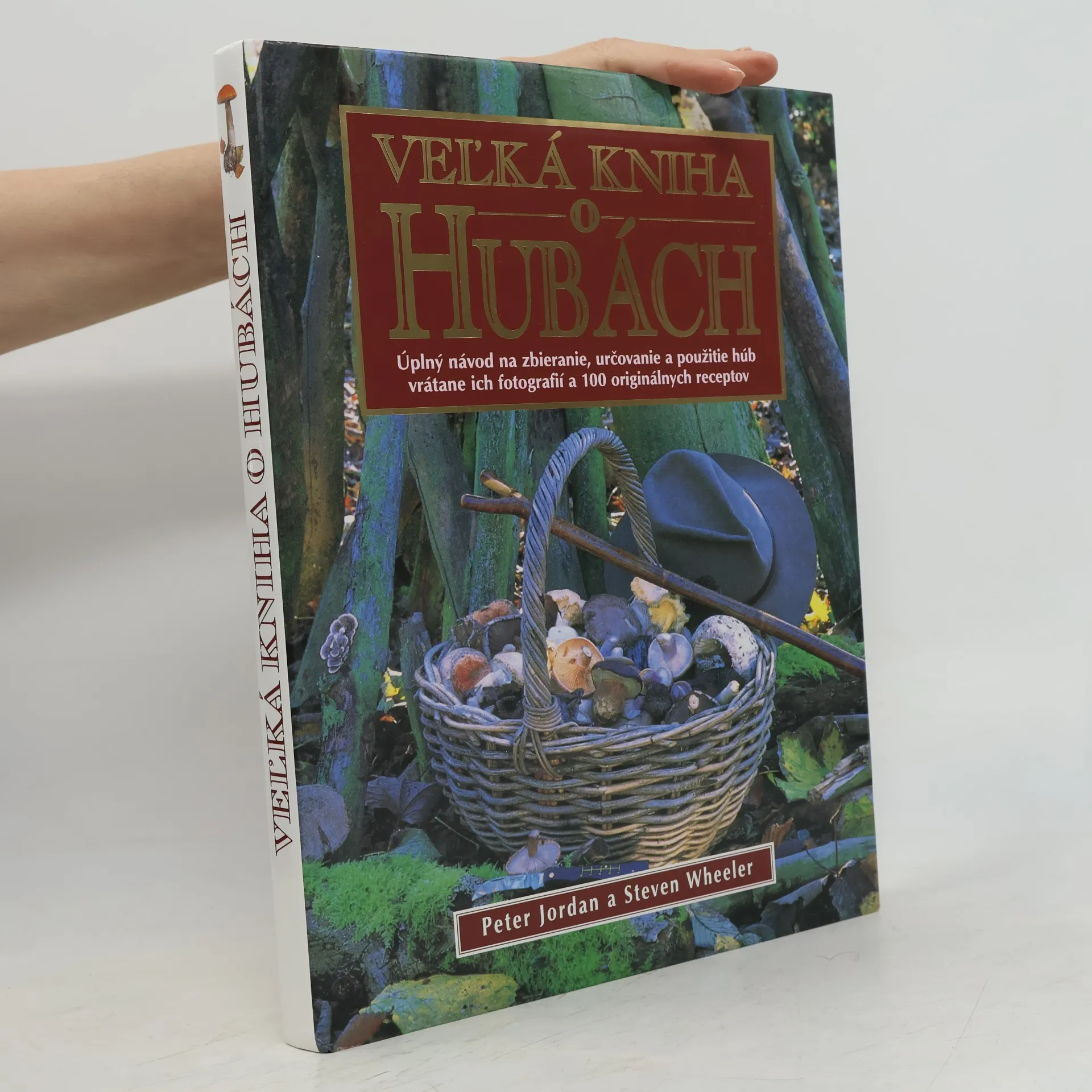
Veľká kniha o hubách
- 256 Seiten
- 9 Lesestunden
Re - Entry
- 150 Seiten
- 6 Lesestunden
Not only is Re-Entry a practical and helpful book for every local church and mission agency who sends workers overseas, but it is fun to read. Peter Jordan shares many anecdotes and insights into aviation and space travel.What happens when you return from mission work? Will you begin to compare your local church and the ordinary workday lives of its members to your exhilarating experiences in missions?