Harold James McGee ist ein amerikanischer Autor, der sich mit der Chemie und Geschichte der Lebensmittelwissenschaft und des Kochens beschäftigt. Sein Werk untersucht kulinarische Techniken und Zutaten mit tiefem wissenschaftlichem Verständnis und verbindet historischen Kontext mit modernen Erkenntnissen. McGees Ansatz enthüllt die faszinierenden Geschichten hinter alltäglichen Gerichten und inspiriert Leser sowie professionelle Köche gleichermaßen, das Kochen in neuem Licht zu sehen. Seine Schriften sind für viele im Bereich der kulinarischen Wissenschaft und Gastronomie grundlegend geworden.
Harold McGees „On Food and Cooking“ ist ein umfassendes Standardwerk zur Küchenwissenschaft, das die Grundlagen der Molekularküche erklärt. Die aktualisierte deutsche Ausgabe bietet Informationen zu Herkunft, Geschichte und chemischem Aufbau von Lebensmitteln, ergänzt durch praktische Tipps und theoretische Erklärungen. Ideal für Profis und Hobby-Köche.
When Harold McGee's On Food and Cooking was published in 1984, it proved to be one of the sleepers of the year, eventually going through eight hardcover printings. It was hailed as a minor masterpiece" and reviewers around the world prasied McGee for writing the first book for the home cook that translated into plain English what scientist had discovered about our foods. Like why chefs beat eggs whites in copper bowls and why onions make us cry."
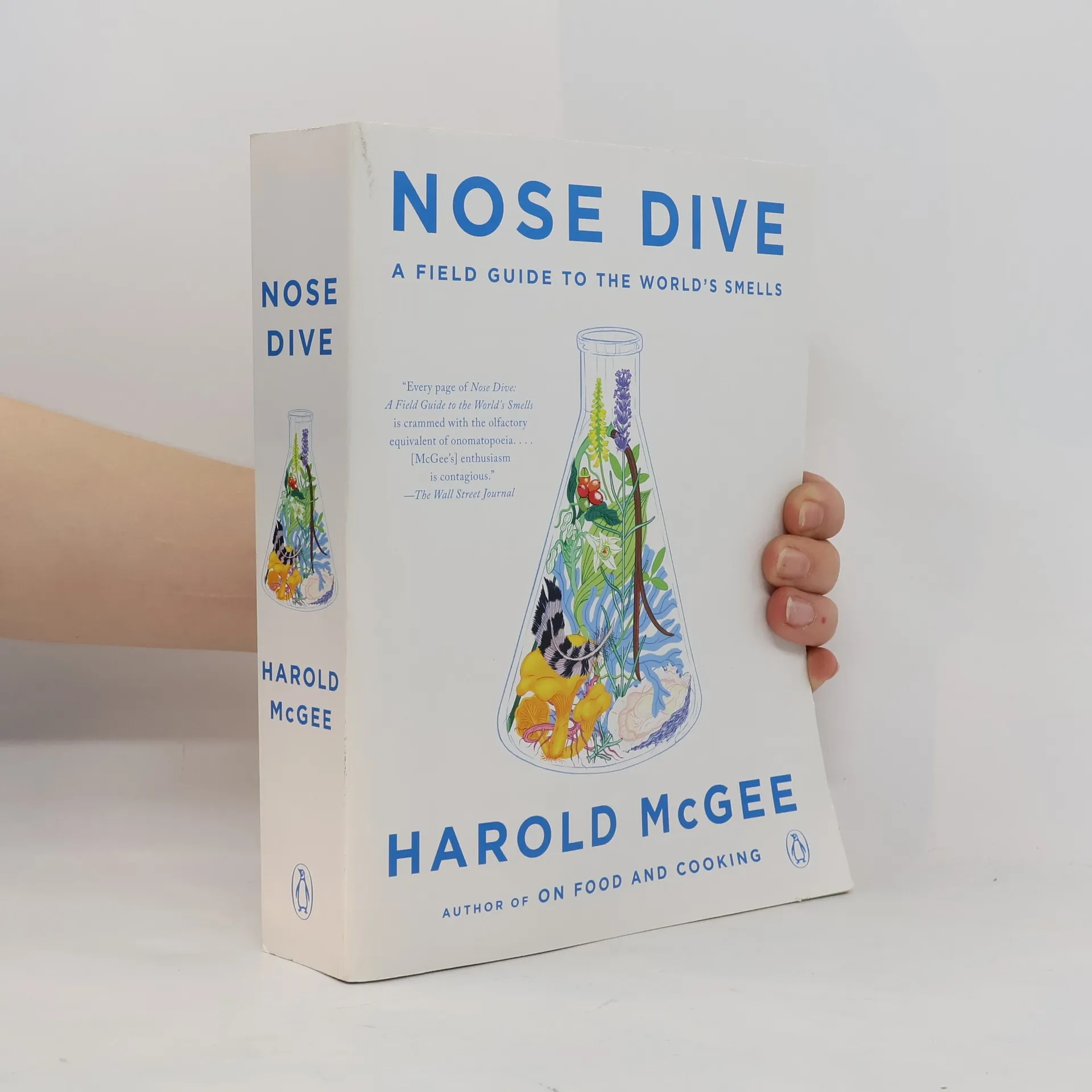
This extensive exploration of the often-overlooked world of smell takes readers on a sensory adventure from the sulfurous origins of Earth to the fragrant Tian Shan mountains and even the keyboard of your laptop. The author, a James Beard Award-winning expert on food and cooking, invites us to experience a wide range of scents—from the ordinary, like wet pavement and cut grass, to the extraordinary, such as ambergris and truffles. We will encounter delightful aromas like roses and vanilla, as well as challenging ones like swamplands and durians.
Throughout this journey, we learn about the molecules that trigger our perceptions, revealing the citrusy scents of coriander and beer alongside the medicinal notes of daffodils and sea urchins. Many of these molecules predate life itself, originating in interstellar space and evolving through the air, oceans, forests, and cities. The narrative weaves together the science of smell with personal observations, showcasing how our sense of smell can unveil invisible details of our world and evoke profound feelings. This work distills complex scientific insights into an accessible and entertaining guide, celebrating the rich tapestry of scents that define our existence.
"A vital tool for anyone who loves food and cooking" Heston Blumenthal There's no shortage of recipes available today and Keys to Good Cooking will help you make the most of them by telling you what works, and why. Written by award-winning author Harold McGee, this book acts as a companion to your recipe books, providing answers to all your kitchen questions - How do I prevent my sauce from separating? At what point should I salt meat? What are the benefits of cooking 'en papillotte'? - and distils modern scientific understanding of cooking into quick and reliable guidance. Easy-to-use and authoritative, Keys to Good Cooking is a guide to the techniques, ingredients and gadgets with which you turn recipes into delicious meals.