

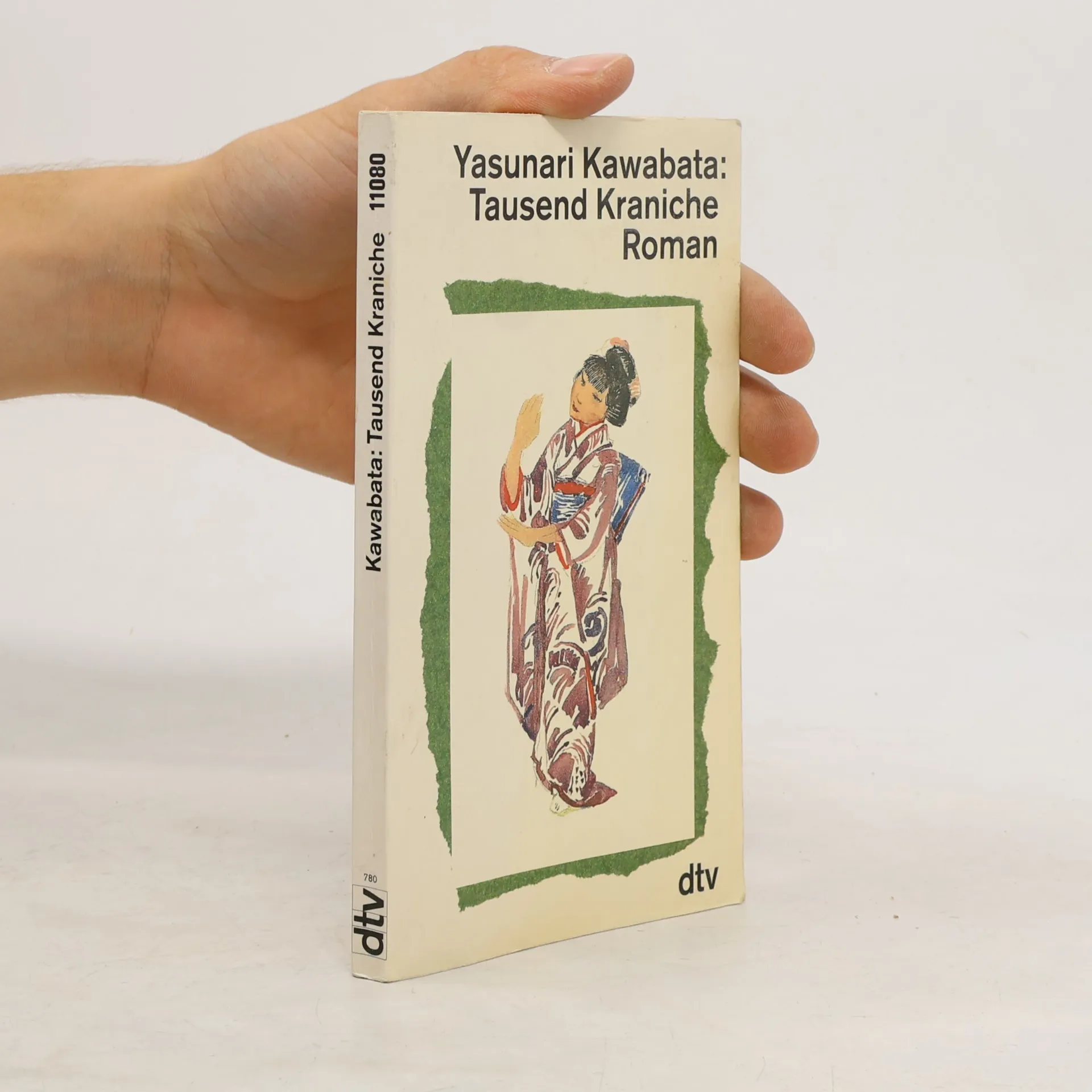
Yasunari Kawabata schildert in seinem Roman die komplexe Beziehung zwischen Kikuji, einer alternden Geisha und der Tochter einer verstorbenen Geliebten seines Vaters. Die Suche nach der intuitiven Wahrheit des Lebens und der Schönheit wird durch eifersüchtige Intrigen und Kikuji's Schuldgefühle geprägt.
川端康成 Bücher


The Lake
- 160 Seiten
- 6 Lesestunden
The Lake is the history of an obsession. It traces a man's sad pursuit of an unattainable perfection, a beauty out of reach, admired from a distance, unconsummated. Homeless, a fugitive from an ambiguous crime, his is an incurable longing that drives him to shadow nameless women in the street and hide in ditches as they pass above him, beautiful and aloof. For their beauty is not of this world, but of a dream--the voice of a girl he meets in a Turkish bath is "an angel's," the figures of two students he follows seem to "glide over the green grass that hid their knees." Reality is the durable ugliness that is his constant companion and is symbolized in the grotesque deformity of the hero's feet. And it is the irreconcilable nature of these worlds that explains the strangely dehumanized, shadowy quality of the eroticism that pervades this novel. In a sense The Lake is a formless novel, a "happening," making it one of the most modern of all Kawabata's works. Just as the hero's interest might be caught by some passing stranger, so the course of the novel swerves abruptly from present to past, memory shades into hallucination, dreams break suddenly into daylight. It is an extraordinary performance of free association, made all the more astonishing for the skill with which these fragments are resolved within the completed tapestry.
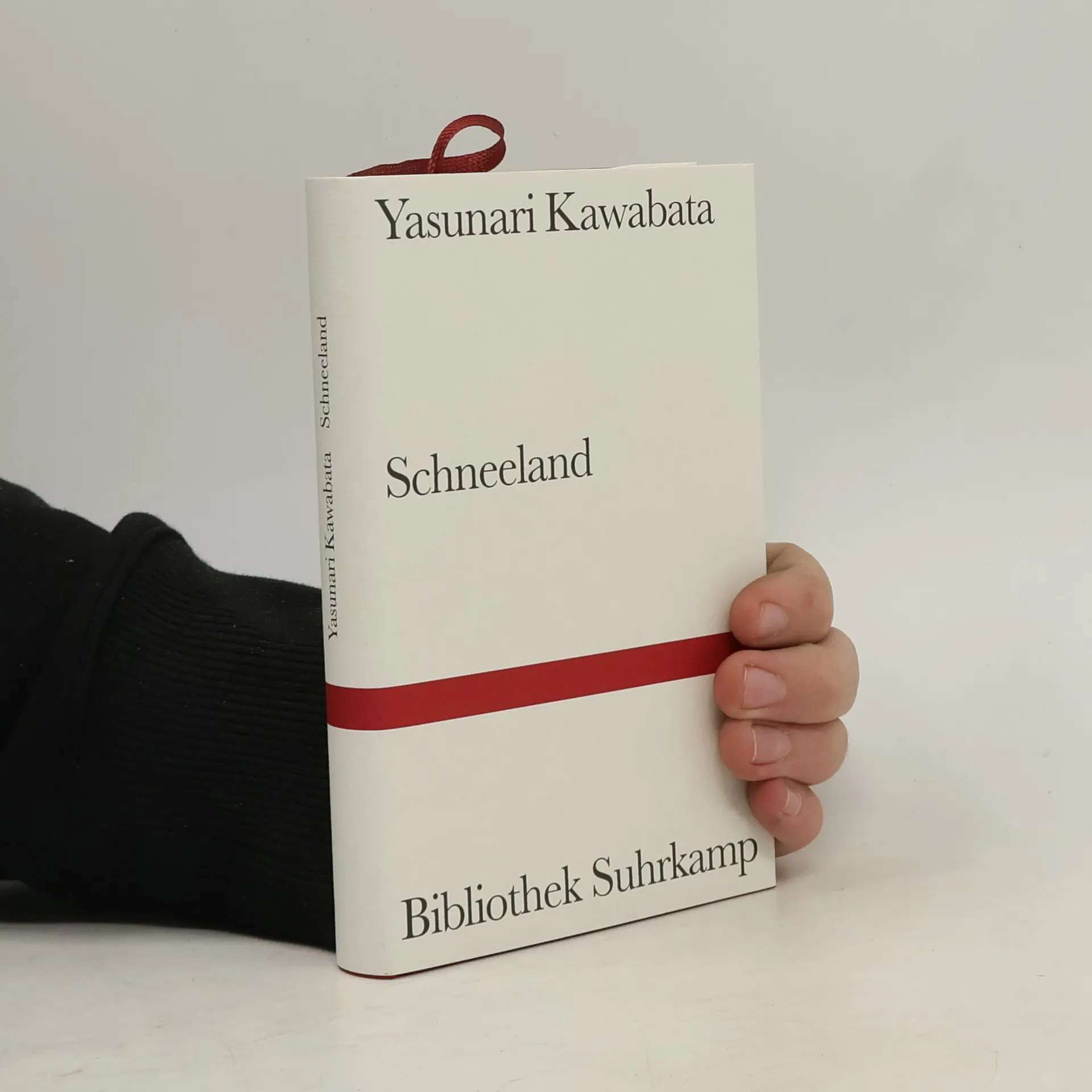
Schneeland
Erzählung
Eines der Hauptwerke des japanischen Nobelpreisträgers für Literatur Yasunari Kawabata (1899–1972) ist von Tobias Cheung neu, erstmals textgetreu übersetzt worden. Kawabatas Schneeland liegt jenseits hoher Berge, fern von Tokyo. Shimamura, ein Müßiggänger und Ästhet aus Tokyo, fährt mit dem Zug zu einem der dortigen Kurorte, wo er Komako, eine Geisha, trifft, deren Eigenwilligkeit und Schönheit ihn fesseln. Mehrfach kehrt er zu ihr zurück. Jedoch je eindringlicher Shimamura versucht, ein klares Bild von Komako zu gewinnen, desto unschärfer und verschwommener kommt ihm das Wahrgenommene vor. Er spürt darin eine Wirklichkeit, nach der ihn verlangt. Diese Wirklichkeit ist scheinbar äußerlich, und doch erfüllt sie das Innere – wie die Kälte, die durch das Zugfenster strömt, in deren Spiegelungen sich innen und außen beglückend und geheimnisvoll überlagern. Um diese Wirklichkeit, die sich entzieht, geht es Kawabata ebenso wie seiner Hauptfigur. Dementsprechend hat er die Geschichte erzählt, schwebend, flirrend, rätselhaft anziehend. Im Nachwort erklärt der Übersetzer die japanischen Traditionen, in die Schneeland sich einordnet, aber auch, was Kawabata, Ansätze der europäischen Moderne aufgreifend, ganz neu und anders gemacht hat. In der Bibliothek Suhrkamp liegen Erzählungen von Yasunari Kawabata unter dem Titel Träume im Kristall vor (Band 383).
Ein Mann an der Schwelle zum Alter wird von einem Freund eingeführt in ein Freudenhaus besonderer Art. Es sit für alteMänner bestimmt und bietet junge Frauen im Tiefschlaf an. Eguchi verbringt - in kürzer werdenden Abständen - mehrere Nächte in diesem Haus neben immer anderen jungen Frauen und Mädchen, die zurückhaltend und genau, sinnlich und diskret beschrieben werden. Eine jede ist anders. Eine jede weckt andere Phantasien, andere Erinnerungen an Frauen, die Eguchi in seinem Leben gekannt hat, an die eigene Ehefrau und die Töchter, an Geliebte, an Bekanntschaften einer Nacht... Am Schluß kommt es zu einer tödlichen Komplikation.Mit seinem Roman hat der Nobelpreisträger Kawabata (1899-1972) nichts anderes getan, als die ebenso ungewöhnliche wie einfache Grundsituation festzuhalten, einprägsam zu machen - und damit zu überhöhen zu einer Geschichte von Liebe und Tod, von Jugend und Alter, von Männern und Frauen.
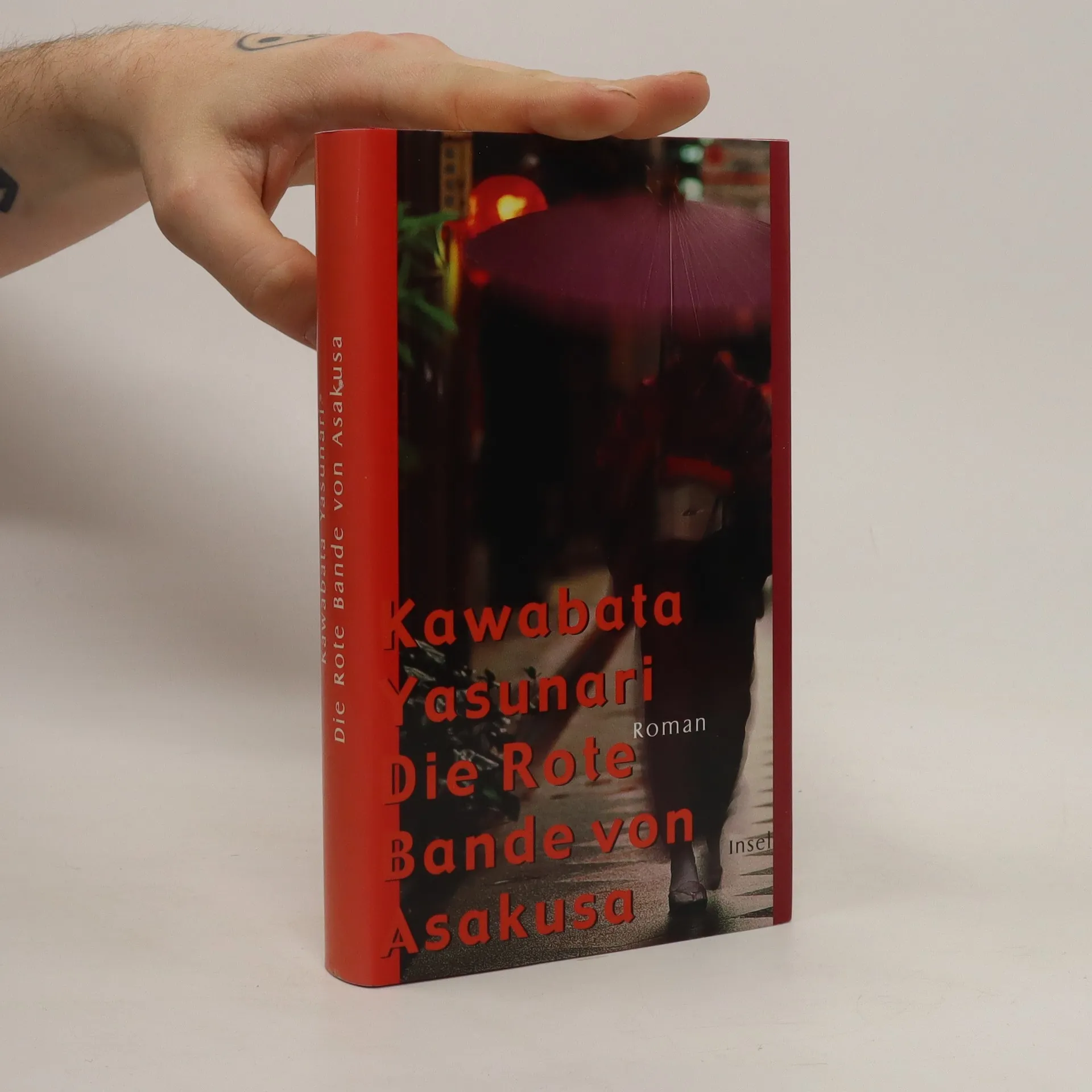
Die Rote Bande von Asakusa
- 215 Seiten
- 8 Lesestunden
Yasunari Kawabata, 1899 in Osaka als Sohn eines Arztes geboren, studierte englische und japanische Literatur. 1926 wurde er mit seiner Erzählung Die Tänzerin von Izu bekannt. 1968 erhielt Yasunari Kawabata den Nobelpreis für Literatur. Von 1948 bis 1965 war er Präsident des Japanischen PEN-Zentrums. Yasunari Kawabata hatte maßgeblichen Anteil an der Entwicklung der japanischen Literaturszene nach dem Zweiten Weltkrieg. 1972 nahm sich Kawabata das Leben.