Iain Sinclair ist ein britischer Schriftsteller und Filmemacher, dessen Werke tief in London und der Praxis der Psychogeografie verwurzelt sind. Sein frühes Schaffen umfasste Lyrik und experimentelle Prosa, oft eine Mischung aus Essay, Fiktion und Versen. Später erlangte er breitere Anerkennung für seine Sachbuchwerke, die sich mit dem Gefüge Londons und seinen verborgenen Geschichten befassen. Sinclair's unverwechselbarer Stil zeichnet sich durch akribische Beobachtung, literarische Rekuperation und eine einzigartige Erforschung der städtischen Landschaft aus.
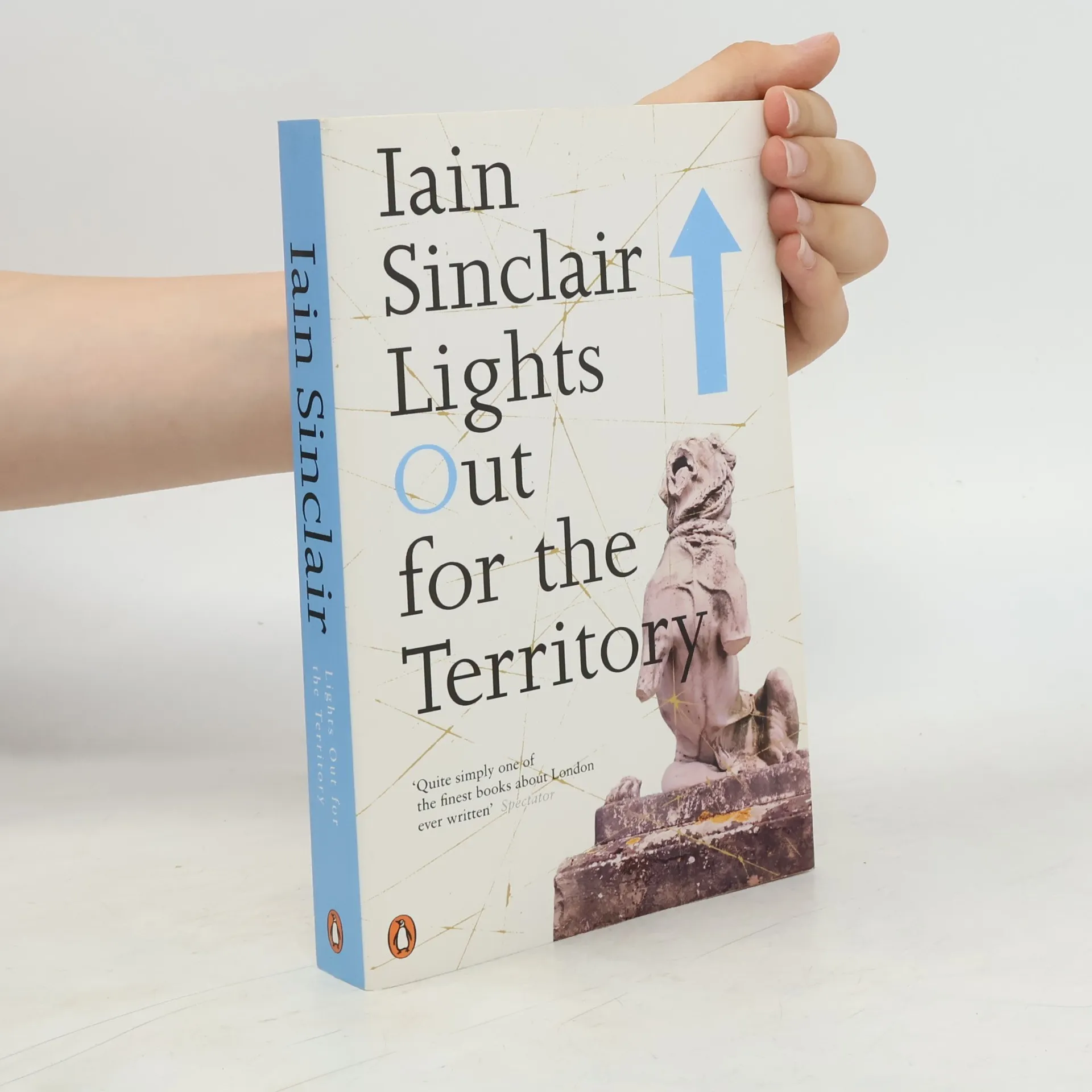
Iain Sinclair erkundet in diesem literarischen Spaziergang die Verbindung zwischen dem heutigen London und William Blakes Visionen. Er analysiert Blakes Poetik und deren Beziehung zu konkreten Orten, während er Einflüsse von Emanuel Swedenborg aufdeckt und Parallelen zu anderen Flaneuren zieht. Sinclairs Werk ist eine tiefgehende Auseinandersetzung mit Londons Geheimnissen.
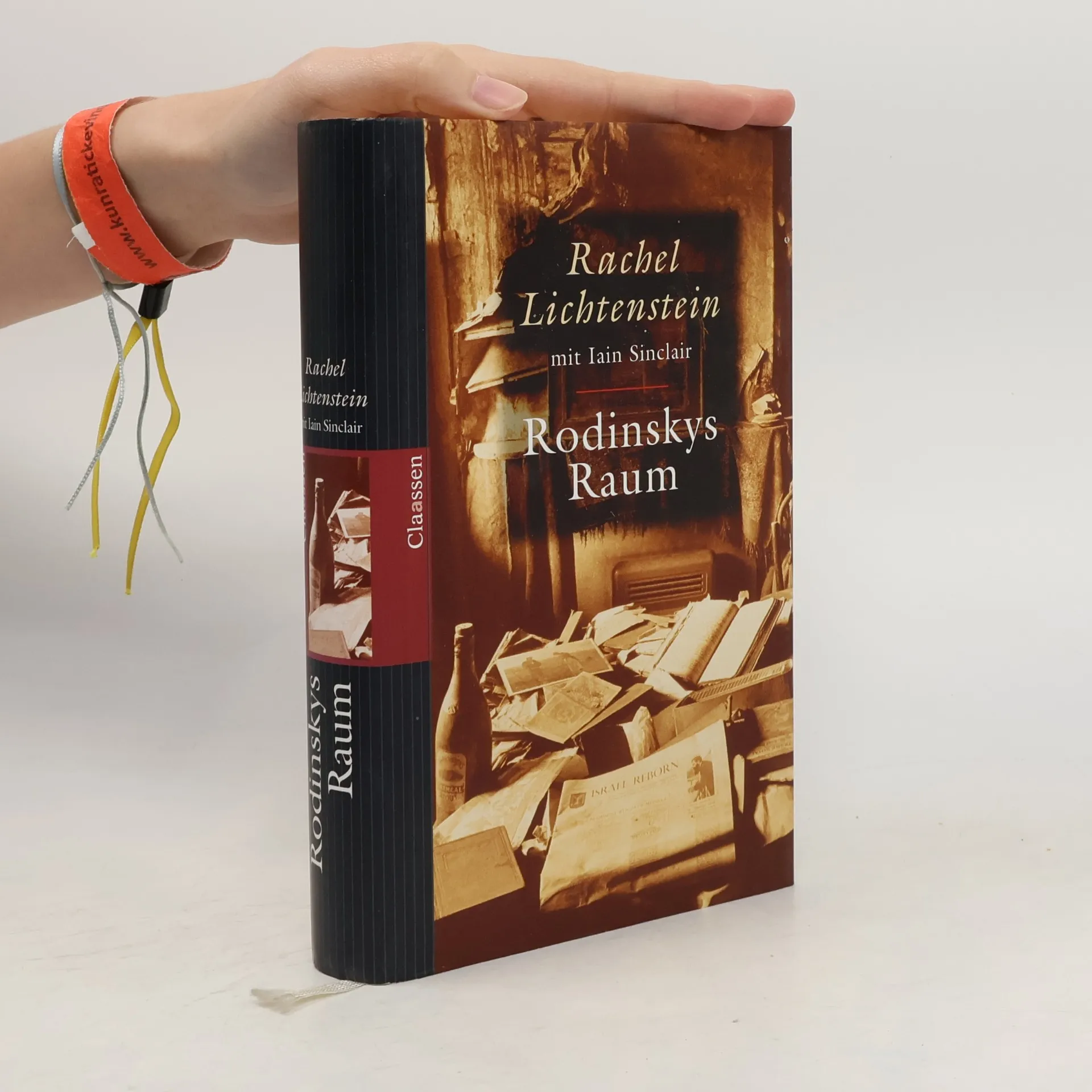
Im Jahr 1969 öffneten die Behörden das Dachgeschoss einer Synagoge im Londoner East End. Dabei stießen sie auf die Kammer des Synagogendieners David Rodinsky, der spurlos verschwunden war. Zwanzig Jahre blieb der Raum unberührt - und doch wurde er so hinterlassen, als beabsichtigte der Bewohner, jeden Augenblick zurückzukommen. Fasziniert von seinen rätselhaften Schriften und Habseligkeiten macht sich Rachel Lichtenstein auf die Suche nach dem alten Juden und seiner Geschichte. Ihre Spurensuche führt sie nach Israel und Polen und auch in das Dickicht ihrer eigenen Vergangenheit.
Fast alle seiner zahlreichen Bücher hat Iain Sinclair erwandert und dem Boden abgerungen. Dabei hat er zahlreiche Beobachtungen insbesondere von Stadtlandschaften gemacht und deren Veränderung dokumentiert. Zentrum seiner in England längst Klassiker gewordenen psychogeografischen Bücher ist London. Ein Buch aber bildet die Ausnahme: In Der Rand des Orizonts verlässt er die Stadt und macht sich gemeinsam mit seiner Frau auf, eine tief bewegende Wanderung zu unternehmen. Er durchmisst Flucht und Leid des Dichters John Clare, der sich mehr als 150 Jahre vor den beiden auf derselben Strecke von seiner Schwermut und der Sehnsucht nach seiner drei Jahre zuvor verstorbenen Ehefrau zu heilen versuchte, aus der Nervenheilanstalt ausbrach und in einem Gewaltmarsch in sein Heimatdorf zurückwanderte. Die physische Anstrengung Sinclairs, das Erleben der über die Zeiten veränderten Landschaft, die Lektüre Clares in Gedanken machen diese autobiografisch-biografische Recherche zu einem tief bewegenden Erlebnis.
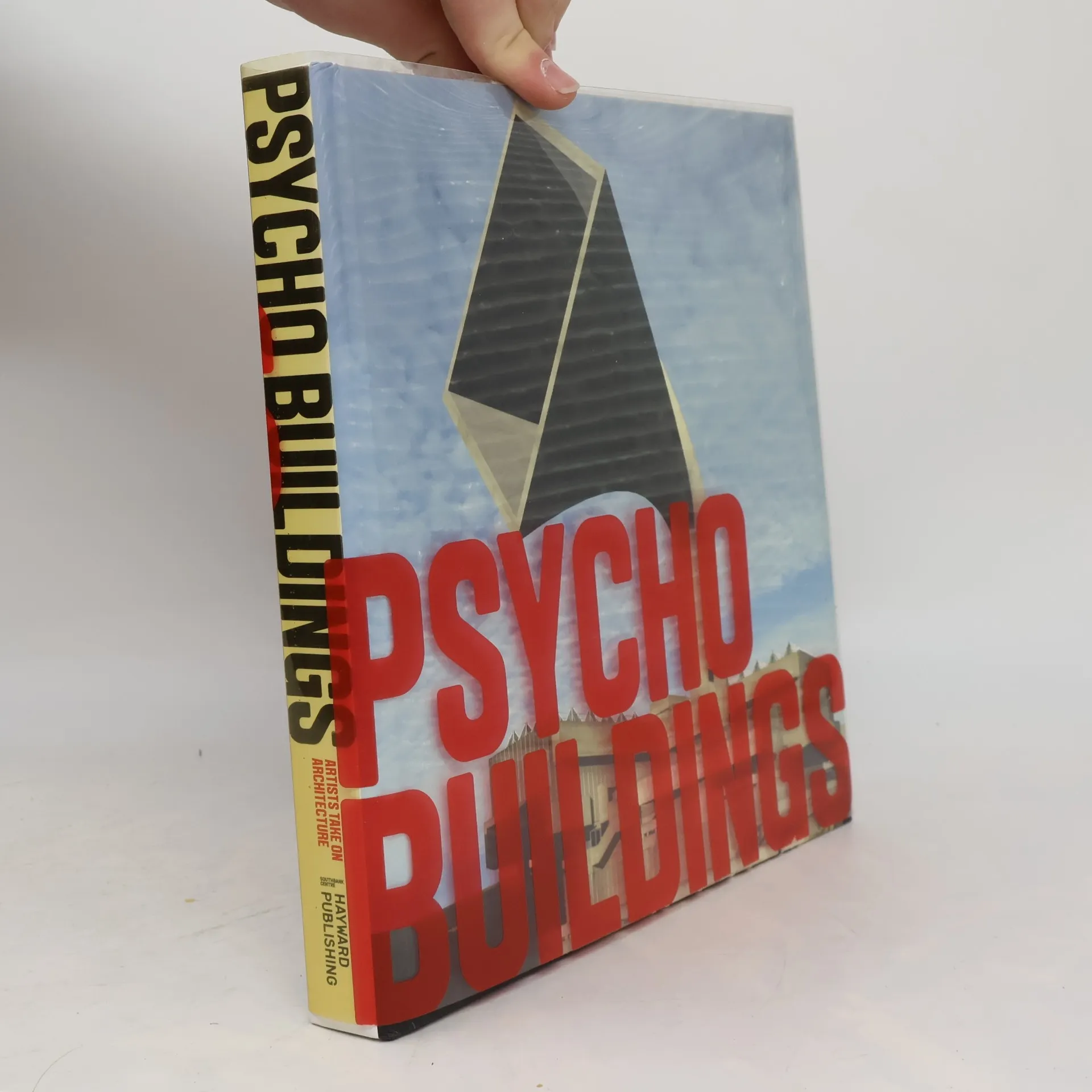
"Psycho Buildings: Artists and Architecture" marks the fortieth anniversary of London's Hayward gallery--itself an architectural icon, and one of the few remaining examples of the 1960s Brutalist style. The exhibition brings together the work of artists--including Atelier Bow-Wow, Michael Beutler, Los Carpinteros, Gelitin, Mike Nelson, Ernesto Neto, Tobias Putrih, Tomas Saraceno, Do-Ho Suh and Rachel Whiteread--who create habitat-like structures and architectural environments that are mental and perceptual spaces as much as physical ones. The works in this book revisit and reanimate the history of Modernist design while reminding us that built spaces can be defined in social, political, psychological, physical and aesthetic terms. An invaluable exploration of this contemporary trend, the volume includes essays by Hayward Director Ralph Rugoff, Jane Rendell and Brian Dillon. In addition, each artist profile includes a text by a different author, including Francis McKee, Tumelo Mosaka, Midori Matsui, Brian Dillon, Paulo Herkenhoff, David Greene, Francesco Manacorda, Tom Morton, Miwon Kwon and Iain Sinclair.
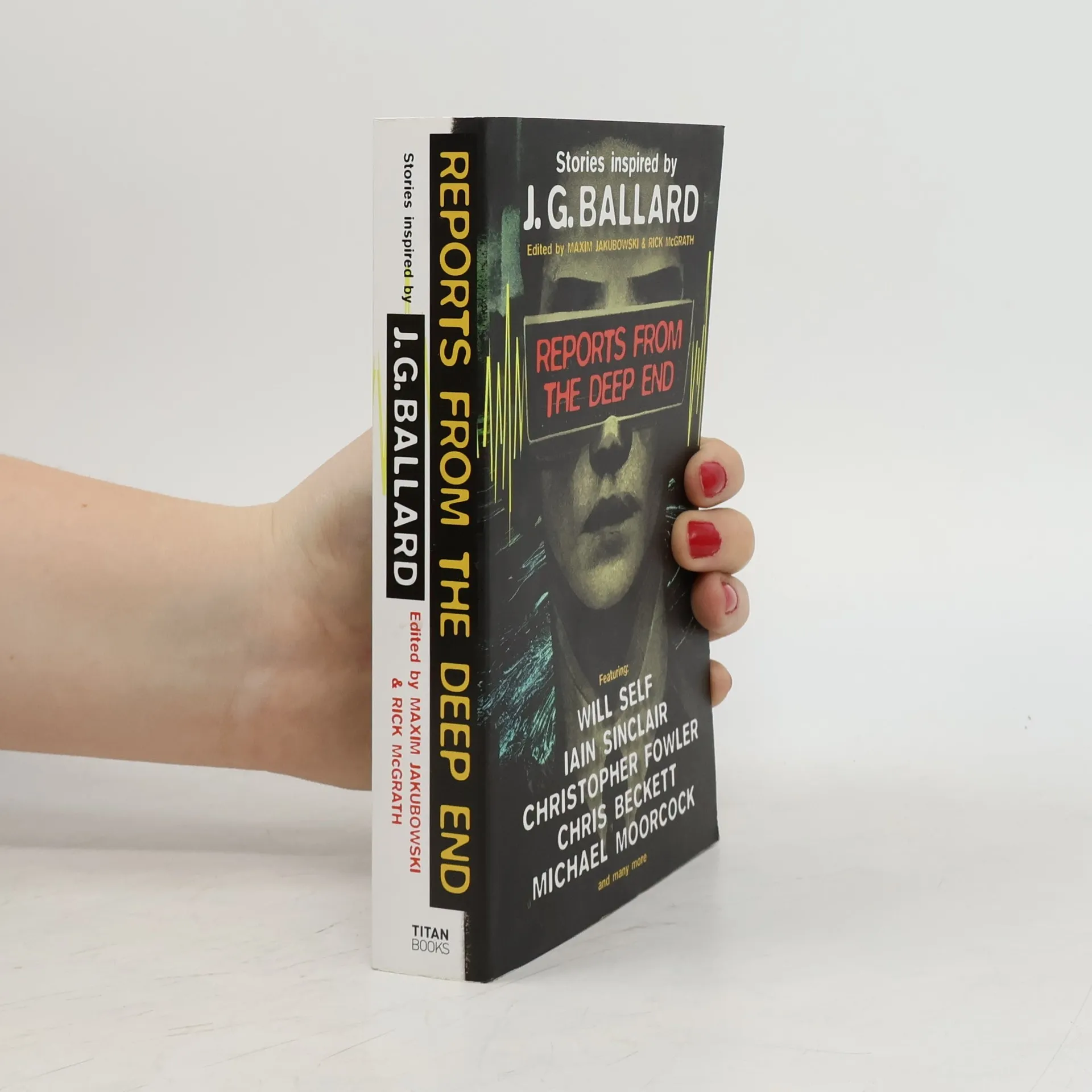
This anthology presents 32 science fiction short stories inspired by the prophetic dystopias of J. G. Ballard, a titan of 20th-century literature. Featuring contributions from notable authors like Will Self, Iain Sinclair, Christopher Fowler, Chris Beckett, and a new Jerry Cornelius story by Michael Moorcock, it pays homage to Ballard’s unique vision of a bewildering and alienating world. Ballard’s works, including Empire of the Sun, Crash, and Cocaine Nights, explore the disjointed nature of contemporary reality and classic dystopias such as The Drowned World and High Rise, leaving an indelible mark on literature. This groundbreaking collection, edited by Maxim Jakubowski and Rick McGrath, showcases the uncanny and uneasy relationship between humanity and the future, reflecting Ballard’s influence on literary and science fiction. The anthology includes stories from a diverse array of authors, such as Jeff Noon, Preston Grassmann, Toby Litt, Christine Poulson, and many more, each offering their interpretation of the themes that Ballard so masterfully explored. Through this compilation, readers are invited to engage with the unsettling visions that define our empires of concrete, seen through the warped lens of Ballard's legacy.
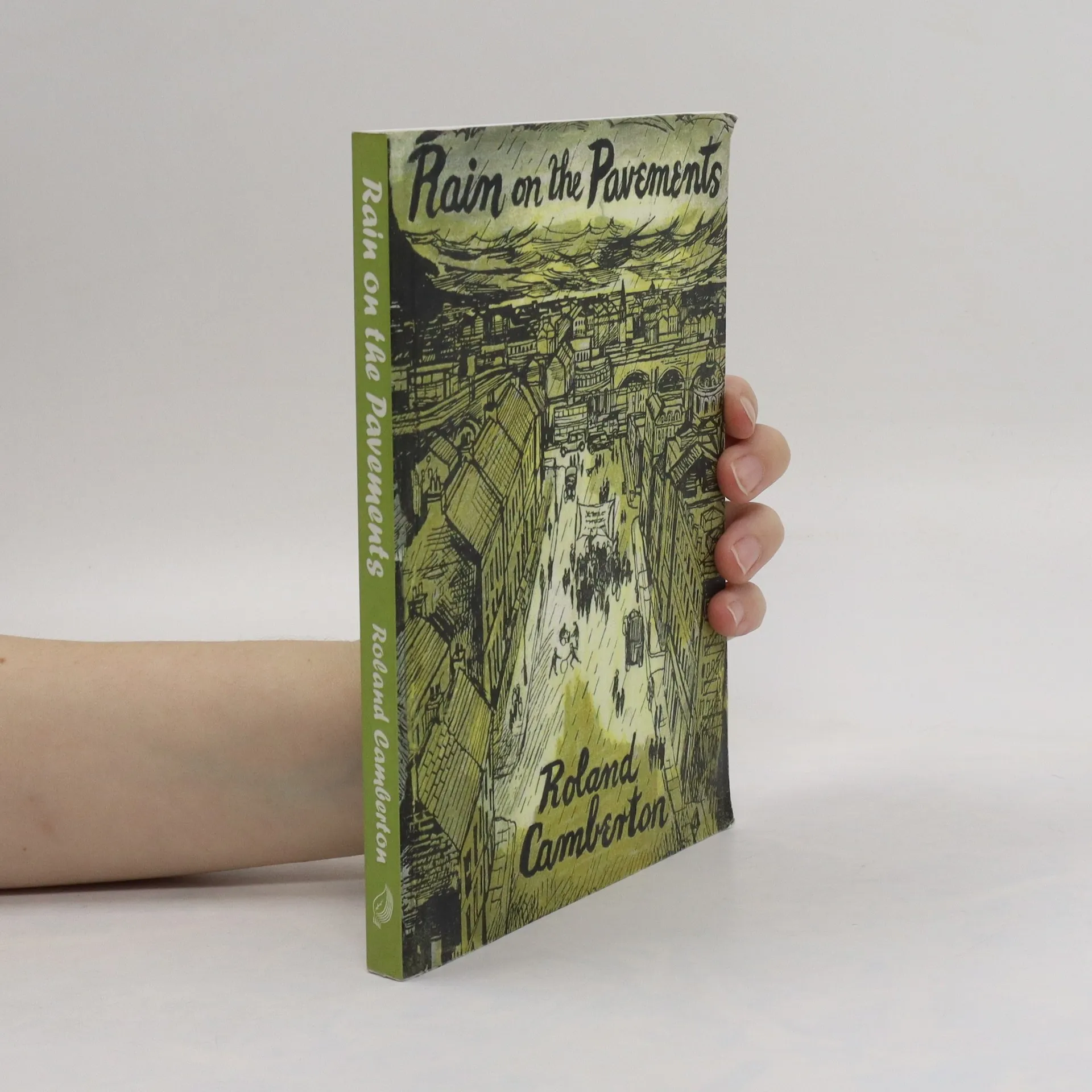
Roland Camberton's second novel, first published in 1951, is a coming of age portrayal of 'down Hackney', home of David Hirsch, who steadily leaves behind his Jewish upbringing in adolescence to explore the wider world of London. Typically there is a wide array of humorous characters in his portrayal of Hackney and the more cosmopolitan world Hirsch is drawn towards.
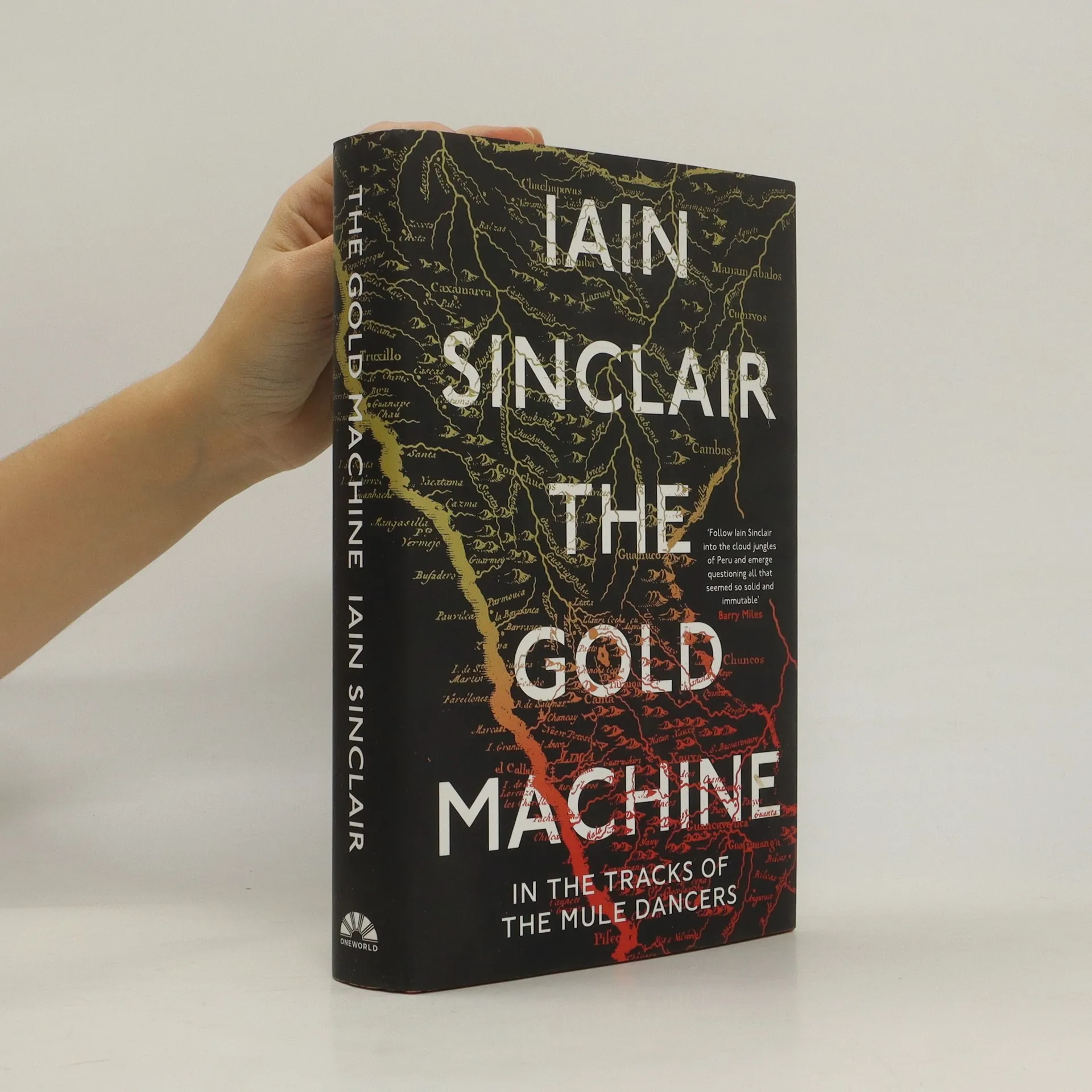
A journey through time and space, grappling with the ghosts of empireA New Statesman Book of the Year, 2021‘Follow Iain Sinclair into the cloud jungles of Peru and emerge questioning all that seemed so solid and immutable.’ Barry MilesFrom the award-winning author of The Last London and Lights Out for the Territory , a journey in the footsteps of our ancestors.Iain Sinclair and his daughter travel through Peru, guided by – and in reaction to – an ill-fated colonial expedition led by his great-grandfather. The family history of a displaced Scottish highlander fades into the brutal reality of a major land grab. The historic thirst for gold and the establishment of sprawling coffee plantations leave terrible wounds on virgin territory.In Sinclair’s haunting prose, no place escapes its past, and nor can we.‘ The Gold Machine is a trip, a psychoactive expedition in compelling company.’ TLS
Dennis Knuckleyard, achtzehn Jahre alt und Vollwaise, lebt und arbeitet in einem heruntergekommenen Buchladen. Nichtsahnend folgt er eines Tages den Anweisungen seiner kettenrauchenden Chefin und Ersatzmutter Ada, einen Stapel seltener Bücher abzuholen – unter denen sich jedoch eines befindet, das es eigentlich gar nicht geben dürfte. Denn obwohl es einem Roman entstammt, also fiktiv ist, hält er es wahrhaftig in den Händen. // Wie sich herausstellt, kommt es aus einem anderen London, dem großen Wenn, einem Spiegelbild der Stadt, in dem Zeit und Raum zerfließen und wundersame Geschöpfe ihr Unwesen treiben. Und Dennis muss, wenn ihm sein Leben lieb ist, das geheimnisvolle Buch dorthin zurückbringen. Damit beginnen Dennis' Abenteuer in einer phantastischen Welt, wo er es mit Magiern, Künstlern und Ganoven zu tun bekommt – und mit den eigentlichen Herrschern über die magische Metropole.
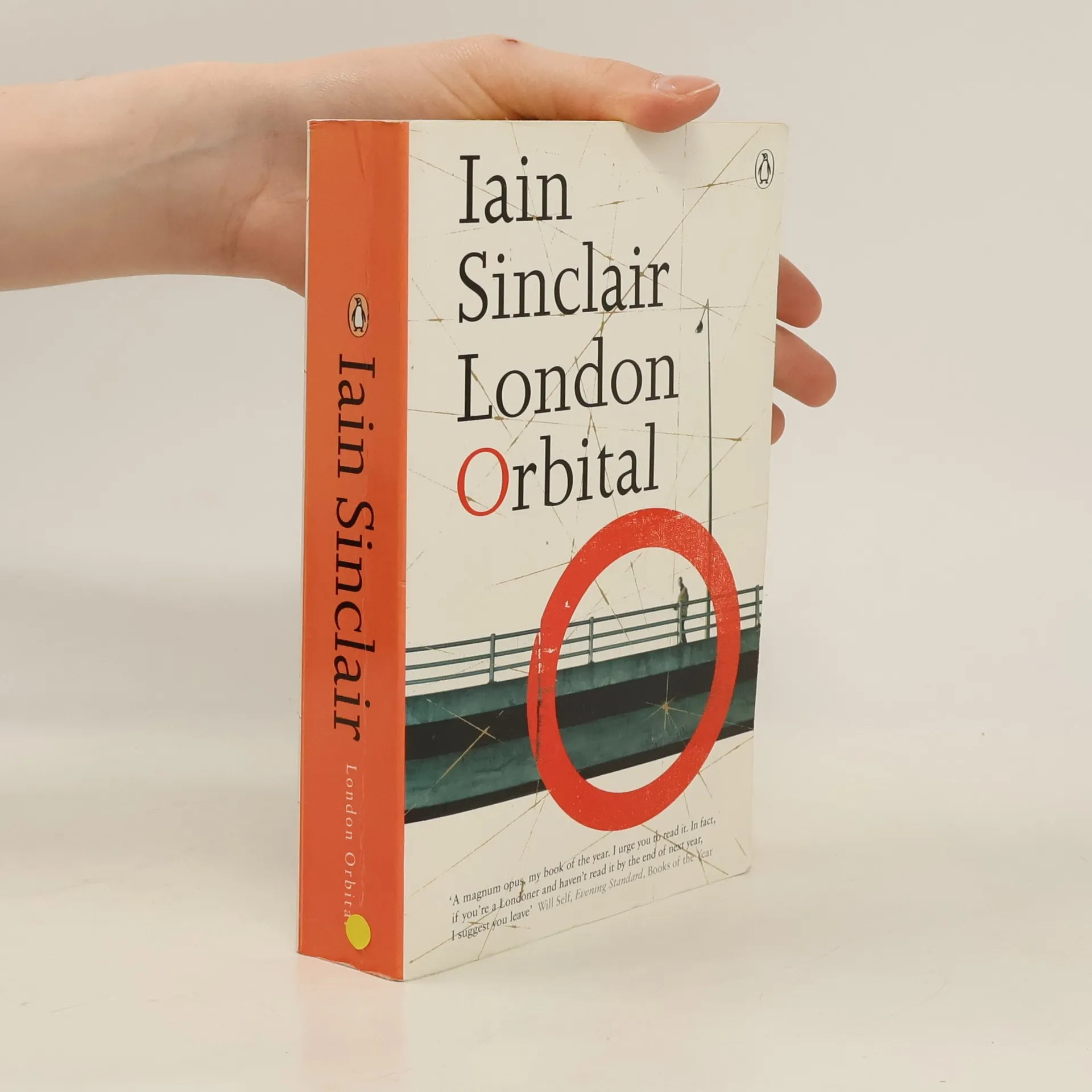
Encircling London like a noose, the M25 is a road to nowhere, but when Iain Sinclair sets out to walk this asphalt loop - keeping within the 'acoustic footprints' - he is determined to find out where the journey will lead him. Stumbling upon converted asylums, industrial and retail parks, ring-fenced government institutions and lost villages, Sinclair discovers a Britain of the fringes, a landscape consumed by developers. London Orbital charts this extraordinary trek and round trip of the soul, revealing the country as you've never seen it before
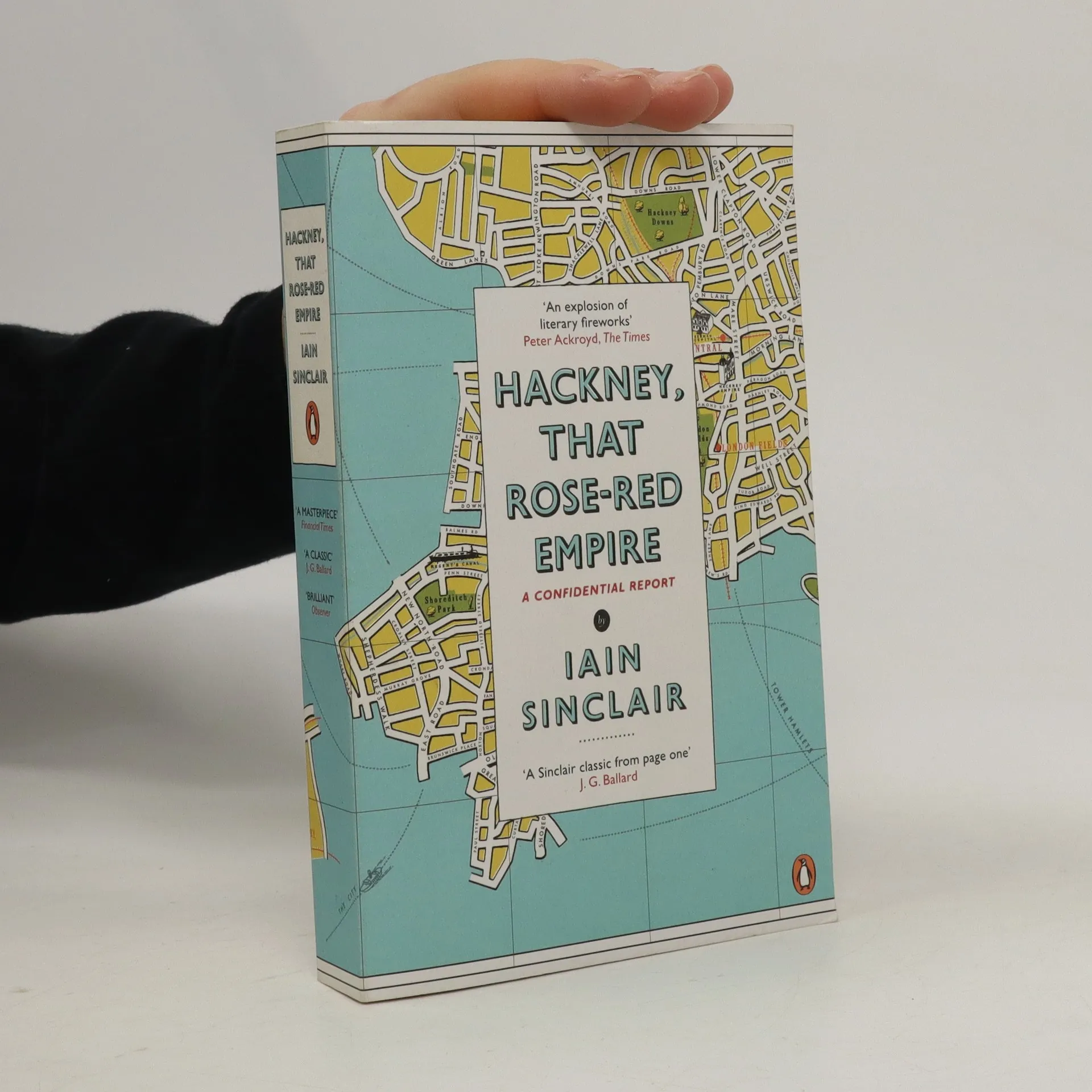
Once an Arcadian suburb of grand houses, orchards and conservatories, Hackney declined into a zone of asylums, hospitals and dirty industry. Persistently revived, reinvented, betrayed, it has become a symbol of inner-city chaos, crime and poverty. Now, the Olympics, a final attempt to clamp down on a renegade spirit, seeks to complete the process: erasure disguised as �progress�. In this �documentary fiction�, Sinclair meets a cast of the dispossessed, including writers, photographers, bomb-makers and market traders. Legends of tunnels, Hollow Earth theories and the notorious Mole Man are unearthed. He uncovers traces of those who passed through Hackney: Lenin and Stalin, novelists Joseph Conrad and Samuel Richardson, film-makers Orson Welles and Jean-Luc Godard, Tony Blair beginning his political career, even a Baader-Meinhof urban guerrilla on the run. And he tells his own story: of forty years in one house in Hackney, of marriage, children, strange encounters, deaths.
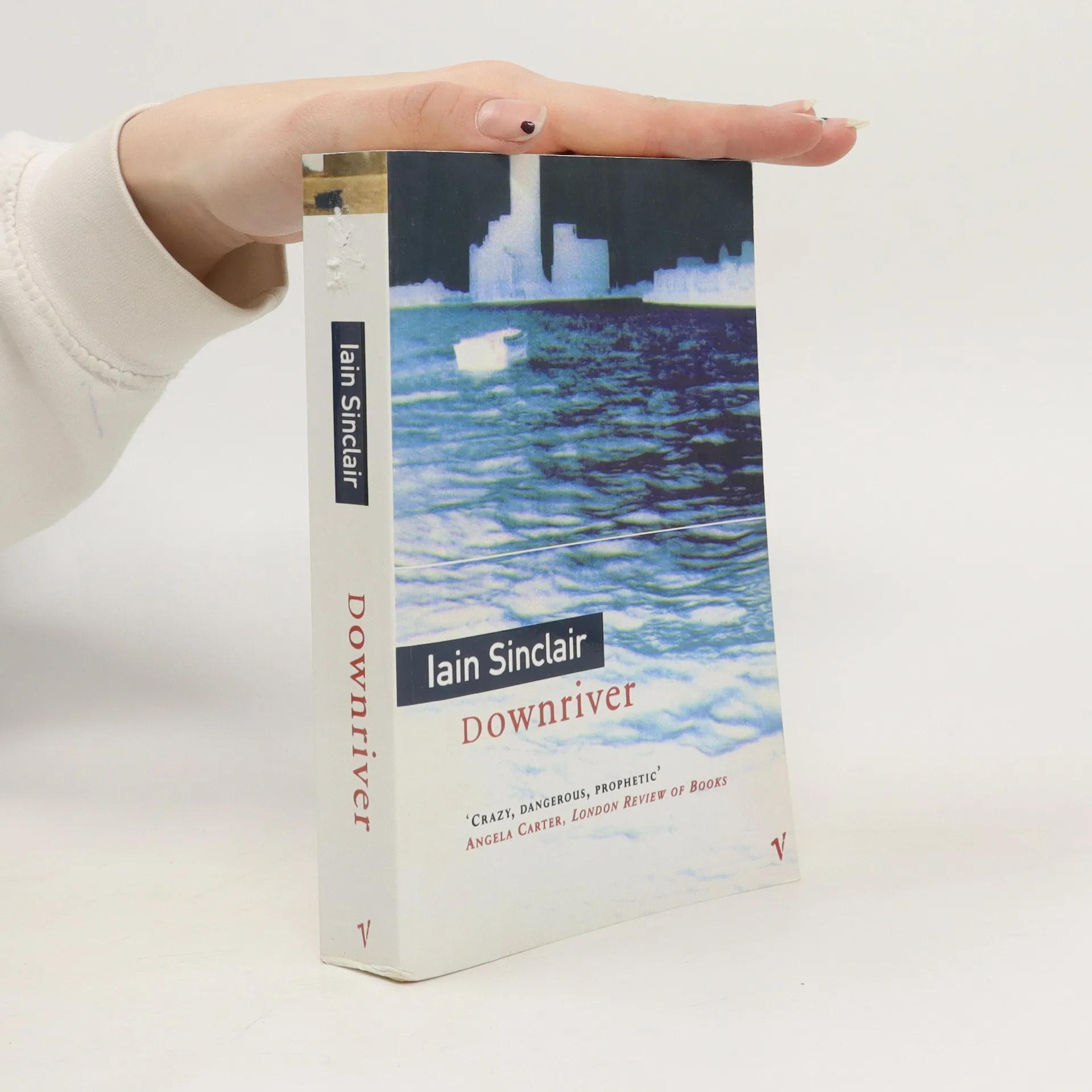
The Thames may still flow through the heart of London, but life along its shores has dramatically changed. DOWNRIVER is a savage, satirical quest to understand how people's lives, a government's policies, and a legendary urban waterland conspire together in a boggling display of self-destruction.
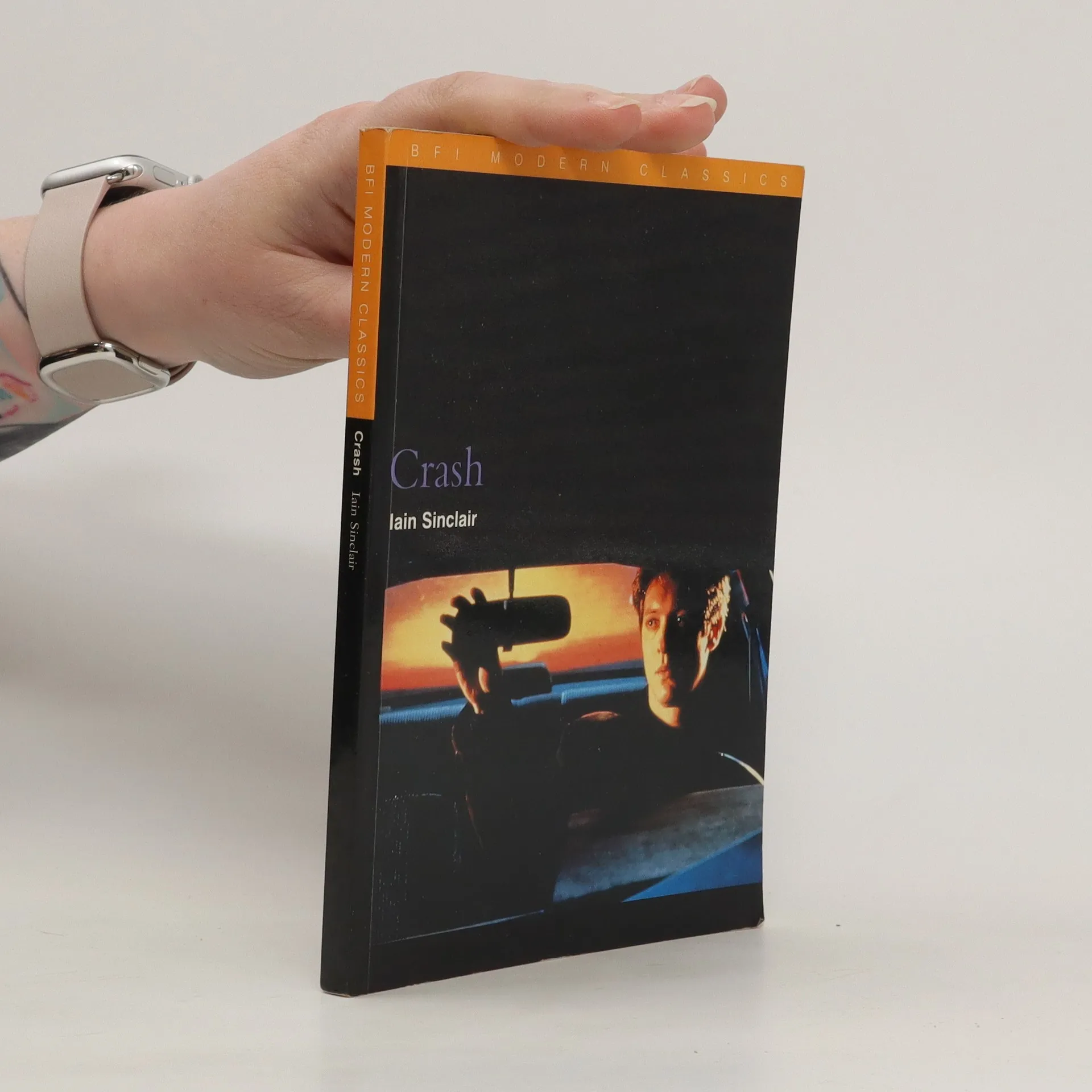
In this book, which includes a new interview with Ballard who wrote the book on which the film was based, Sinclair explores the temporal loop which connects film and novel, and asks questions such as to what extent is Crash a premonition of some of the more remarkable media events of recent times. In the BFI MODERN CLASSICS series.
"The completion of the full circle of London Overground provides Iain Sinclair with a new path to walk the shifting territory of the capital. It is a route haunted by the unquiet voices of the city's many literary ghosts. With thirty-three stations and thirty-five miles to tramp--plus inevitable and unforeseen detours and false steps--he embarks on a marathon circumnavigation at street level, tracking the necklace of garages, fish farms, bakeries, convenience cafés, cycle-repair shops and Minder lock-ups which enclose inner London."--back cover.
Norton, the hero, travels through London's underbelly trapped in space but not in time. He is present to witness dark deeds from Deptford at the time of Marlowe's death and in the East Endduring the sixties watching the murder of Jack th Hat McVitie. Bizarre and phantasmagoric, the book draws on images of the city from the Rennaissance to the deacy of Thatcher's london.
London is a city of disappearances and fallible memories. Alongside the contemporary city, of noise and celebrity, is that other city - of the dead, the unvoiced, the erased. This text brings to light the fugitive scraps, ragpicker's bundles, faded newspaper cuttings and patterns in the dust.
Following the lines which link up the Hawksmoor churches of East London with plague pits and the sites of the notorious Whitechapel and Ratclyffe Highway murders, told through a broken sequence of modern freeverse lyrics.
Introducing the streets of London, this title traces nine routes across the territory of the capital. Connecting people and places, redrawing boundaries both ancient and modern, reading obscure signs and finding hidden patterns, it intends to create a snapshot of the city. It offers us a picture of modern urban life of London. schovat popis
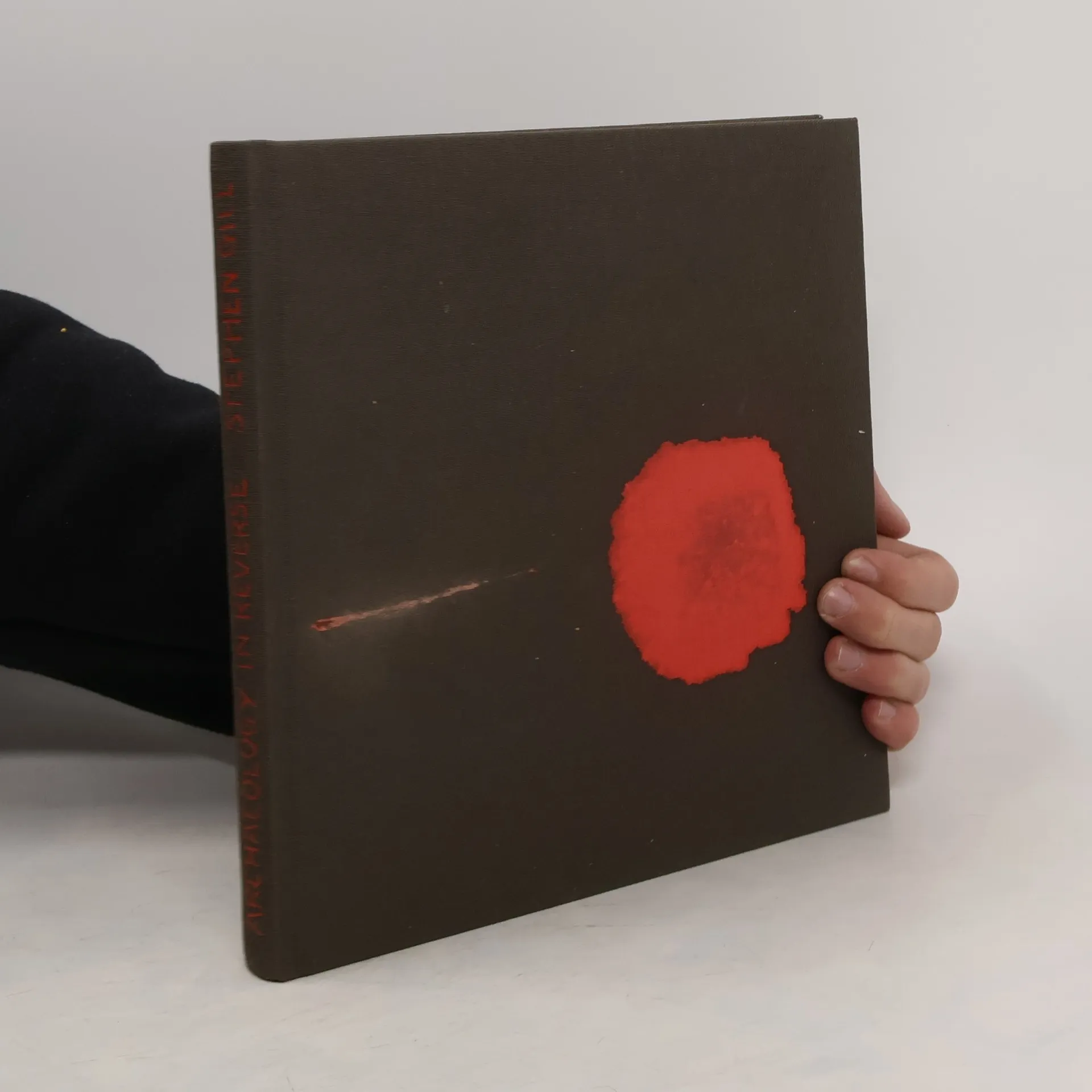
Stephen Gill has learnt to haunt the places that haunt him. His photo-accumulations demonstrate a tender vision factored out of experience; alert, watchful, not overeager, wary of that mendacious conceit, "closure." There is always flow, momentum, the sense of a man passing through a place that delights him. A sense of stepping down, immediate engagement, politic exchange. Then he remounts the bicycle and away. Loving retrievals, like a letter to a friend, never possession… What I like about Stephen Gill is that he has learnt to give us only as much as we need, the bones of the bones of the bones... --Iain SinclairContinuing to photograph where his award-winning book Hackney Wick left off, Stephen Gill also made Archaeology in Reverse in this personally cherished area of East London. Still making pictures with the camera he bought at Hackney Wick market for 50 pence, for this volume Gill focuses on things that do not yet exist.This magnificently produced book features traces and clues of things to come in a poetic, sometimes eerie and quiet photographic study of a place in a state of limbo prior to the rapid transformation that the area faces during the build-up to the Olympics in 2012.