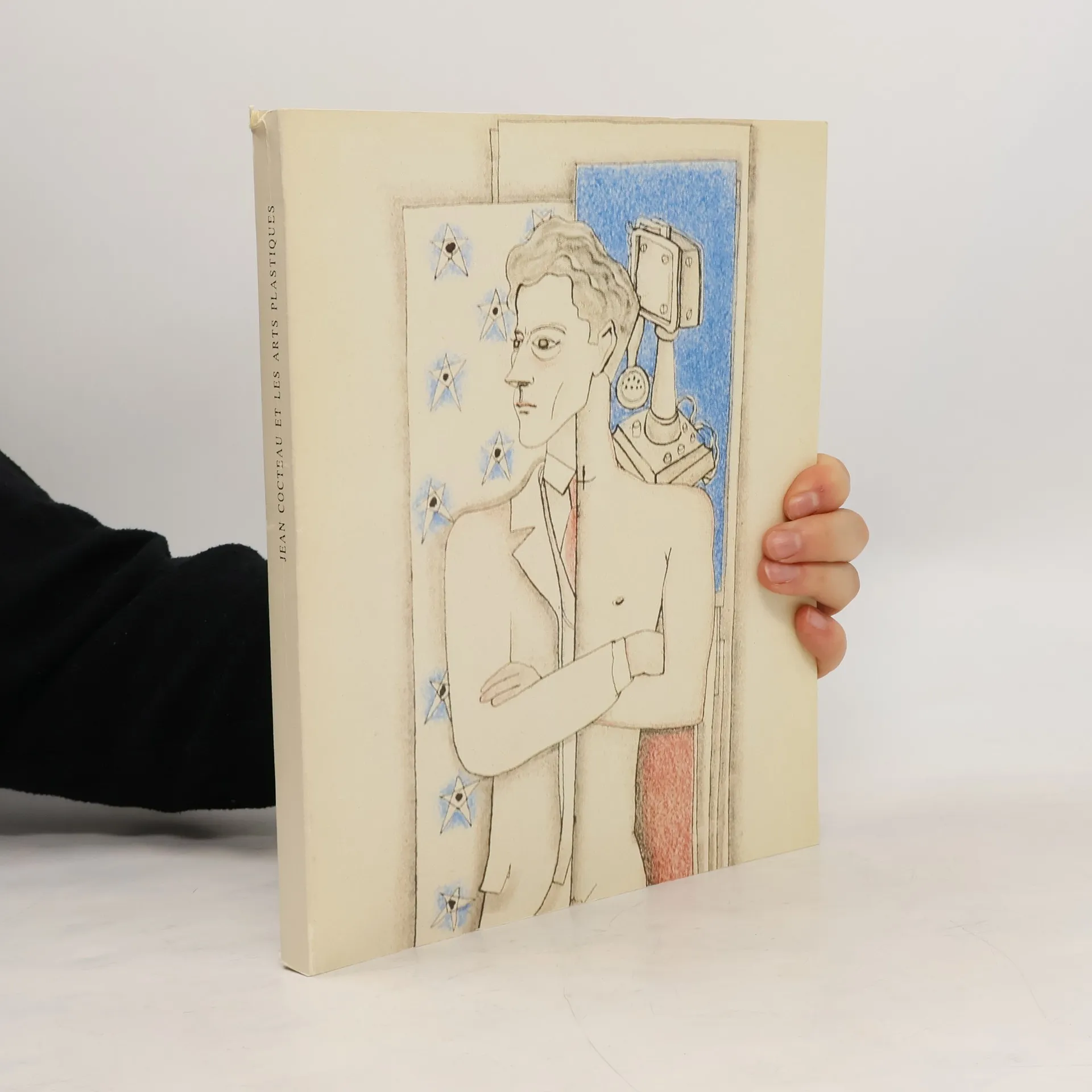
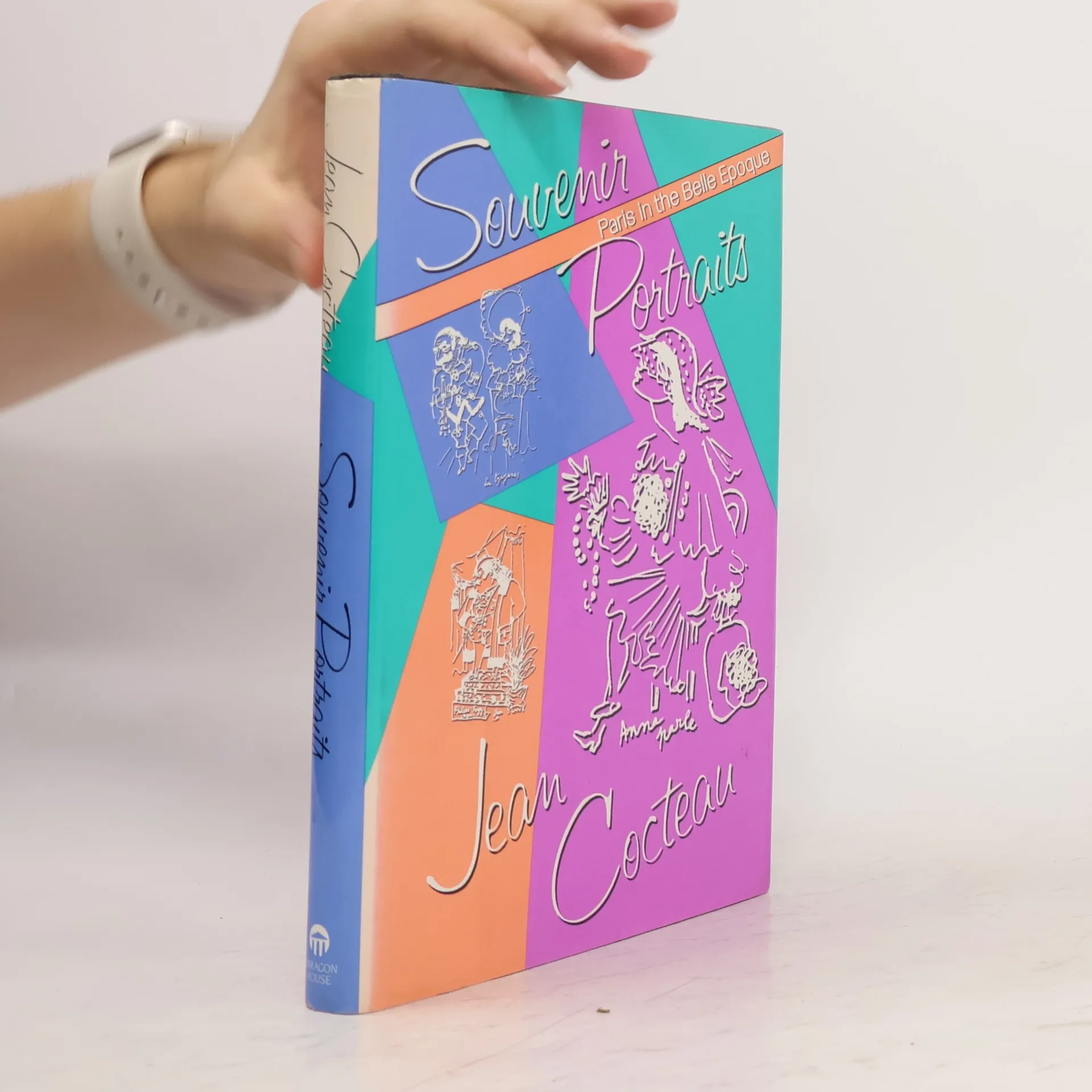
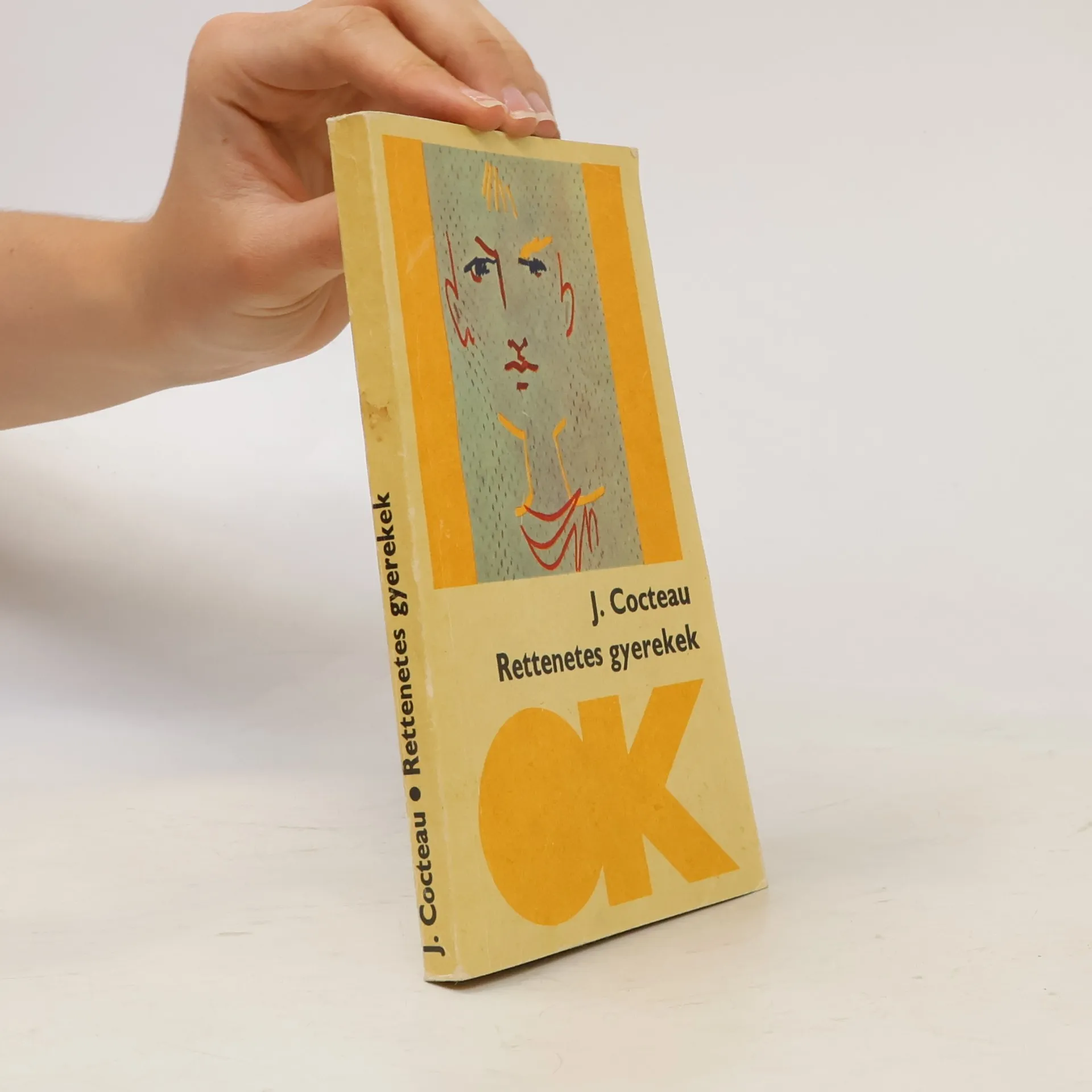
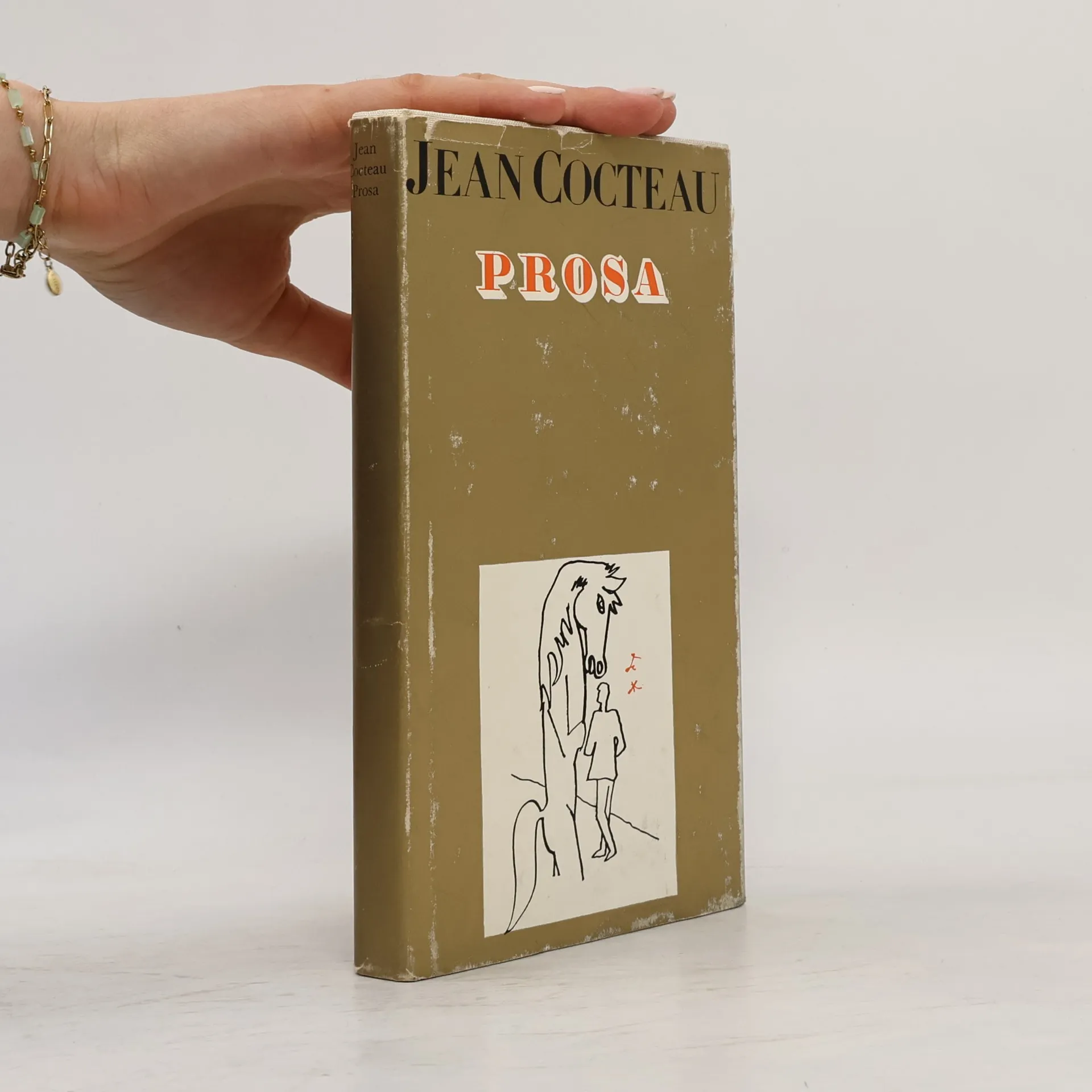
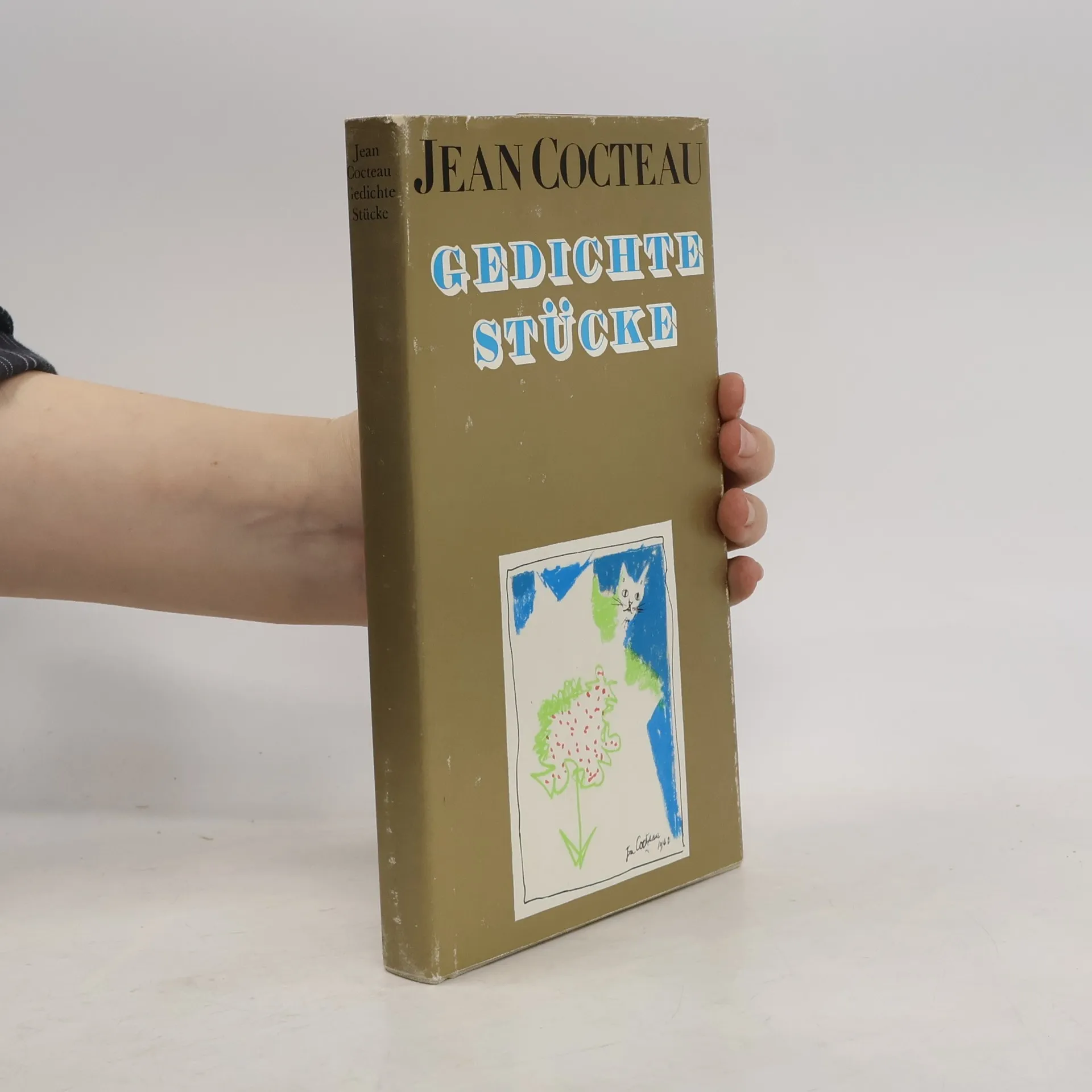
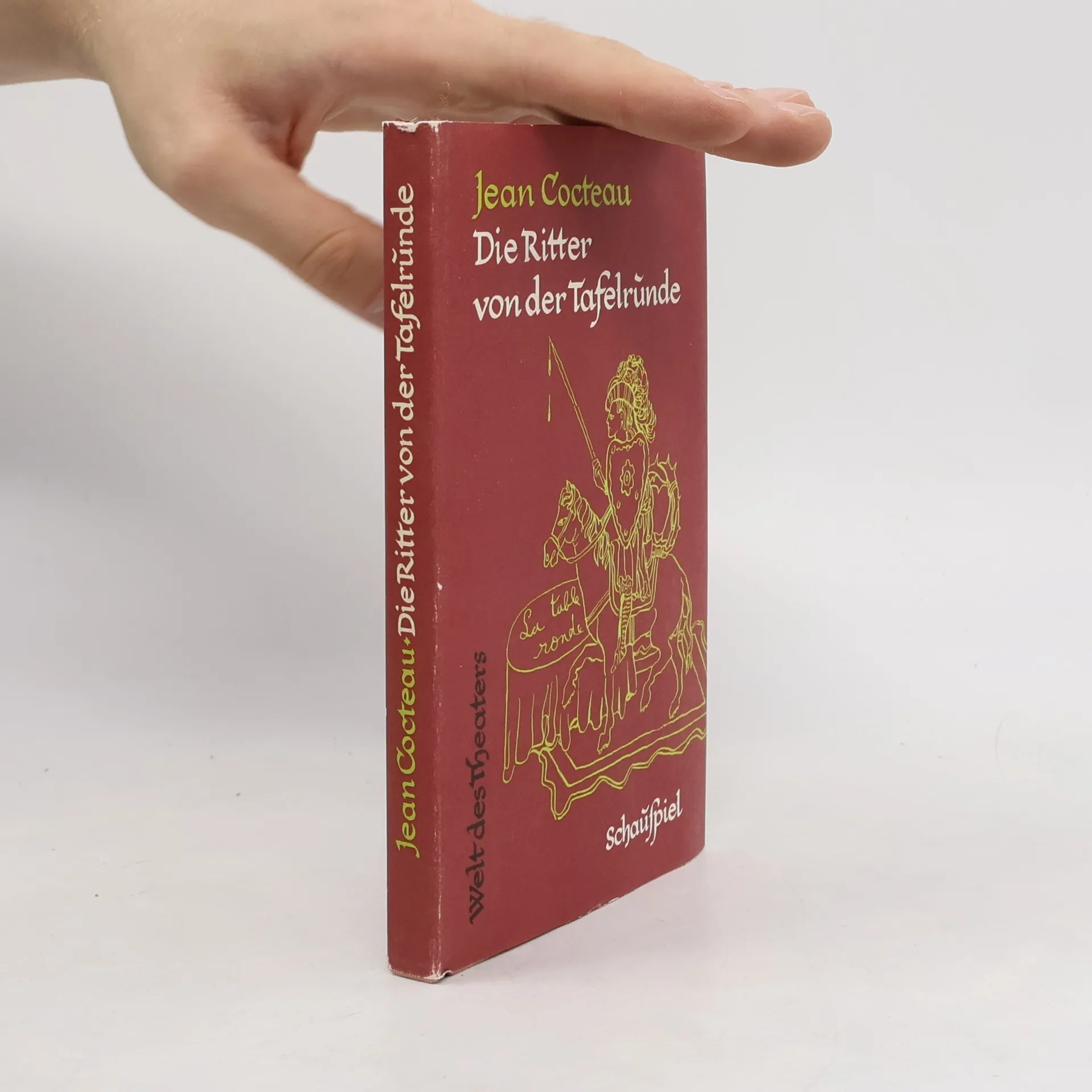
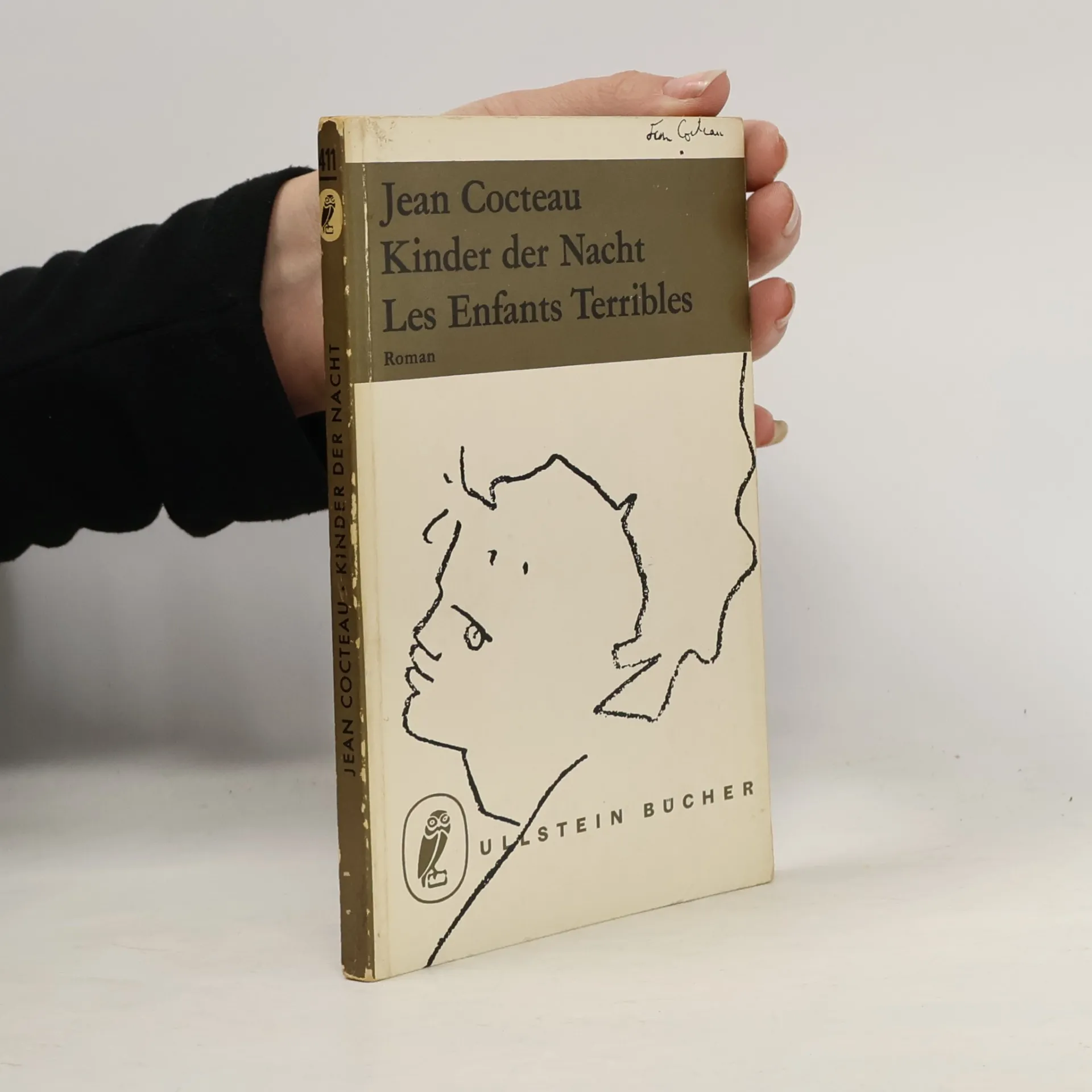
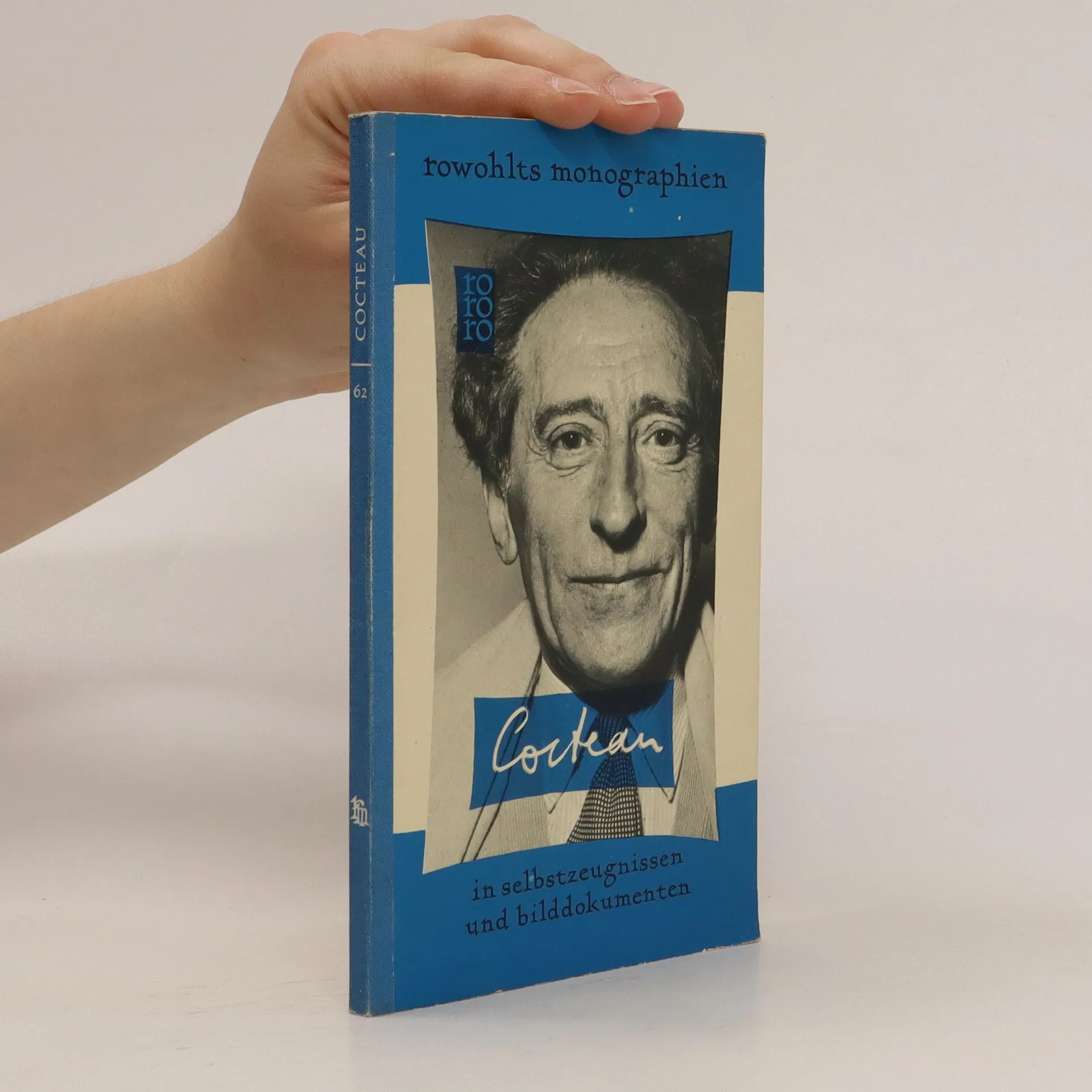
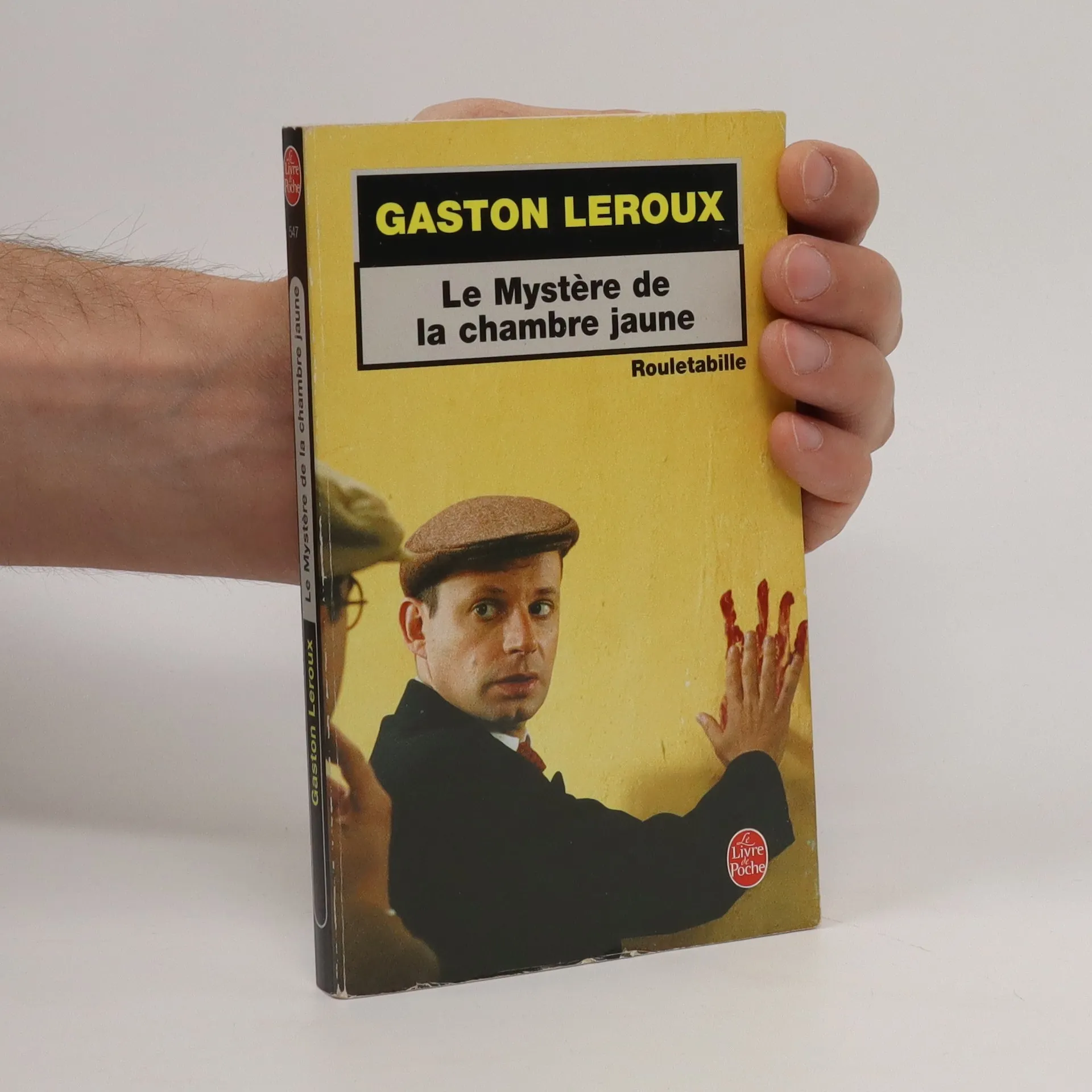
“Discomfort is the hallmark of the poet. His world is almost uninhabitable. People sense this. They enter it as little as possible, as quickly as possible, and only out of curiosity.” Widely celebrated for his work in the fields of literature, cinema, and the visual arts, Jean Cocteau was one of the twentieth century’s outstanding creative practitioners. In this collection of brief—often aphoristic—meditations, Jean Cocteau reflects on the fundamental solitariness of the artistic vocation. As well as offering fascinating insights into Cocteau’s own achievements, Secrets of Beauty is a moving testament to the artist’s need and obligation to pursue an independent path, and to the disjunction between art and “the inflexible everyday world”. Juliet Powys’s translation skilfully captures the wit and subtlety of the original French text—a vital contribution to aesthetic theory that deserves to be read as a significant work of literature in its own right.
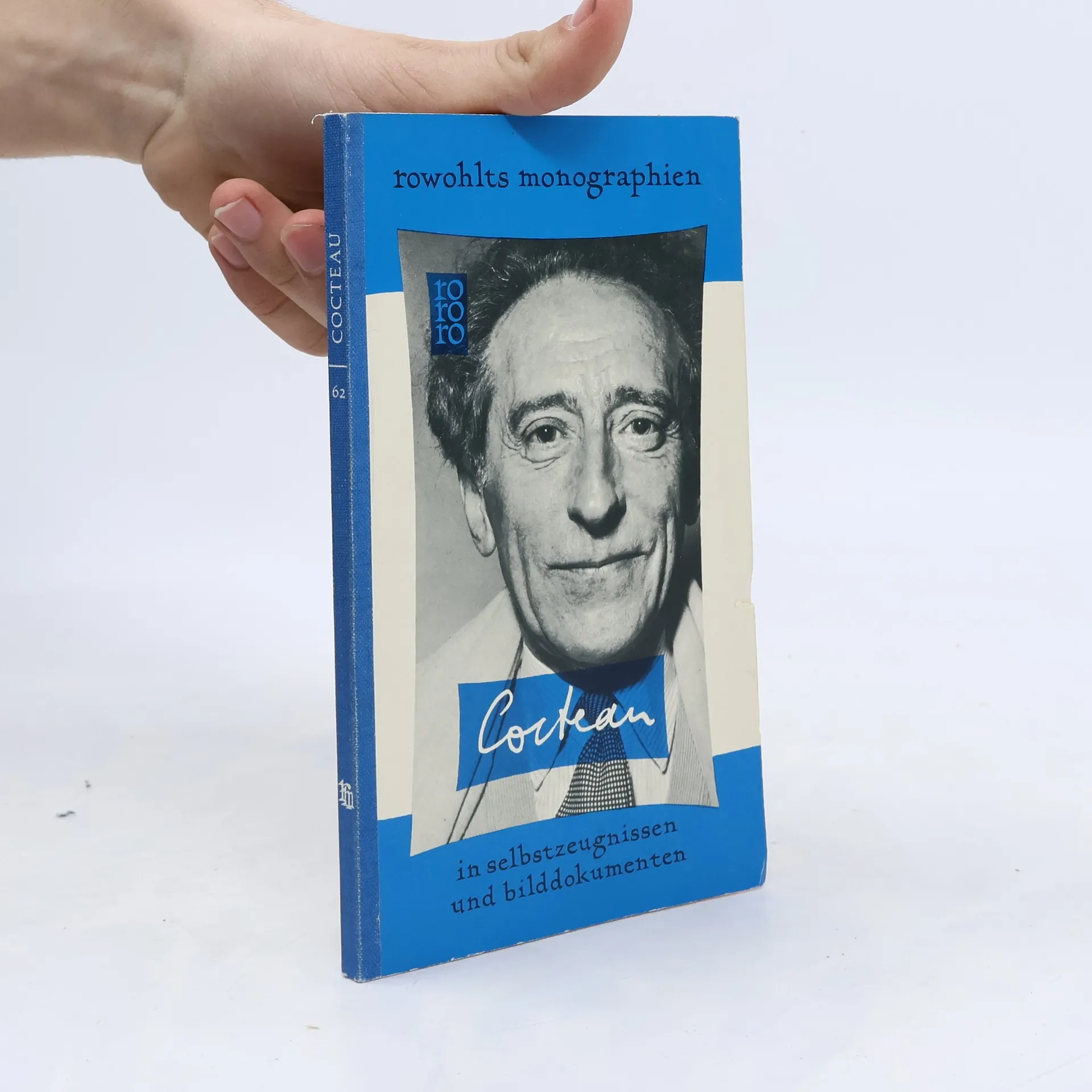
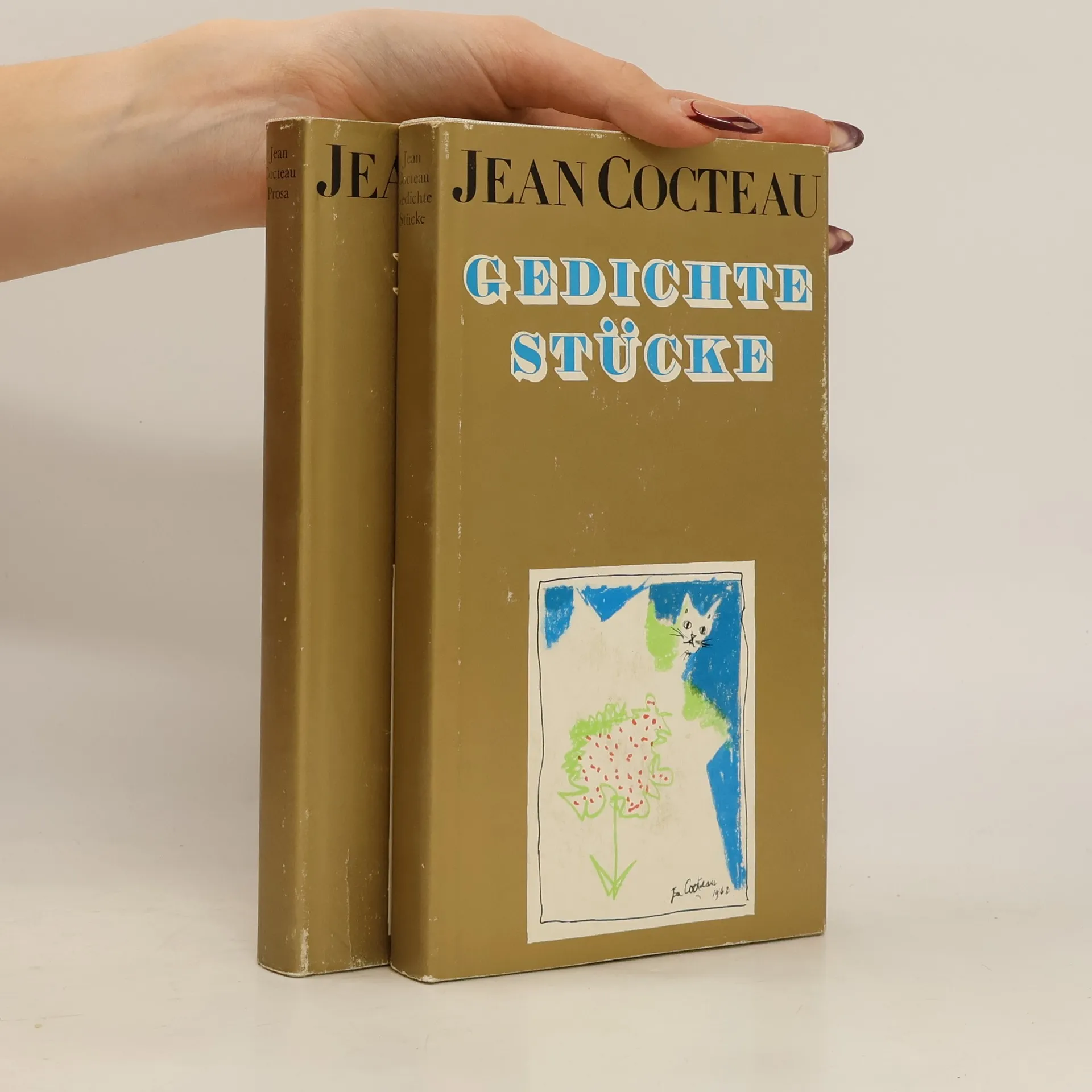
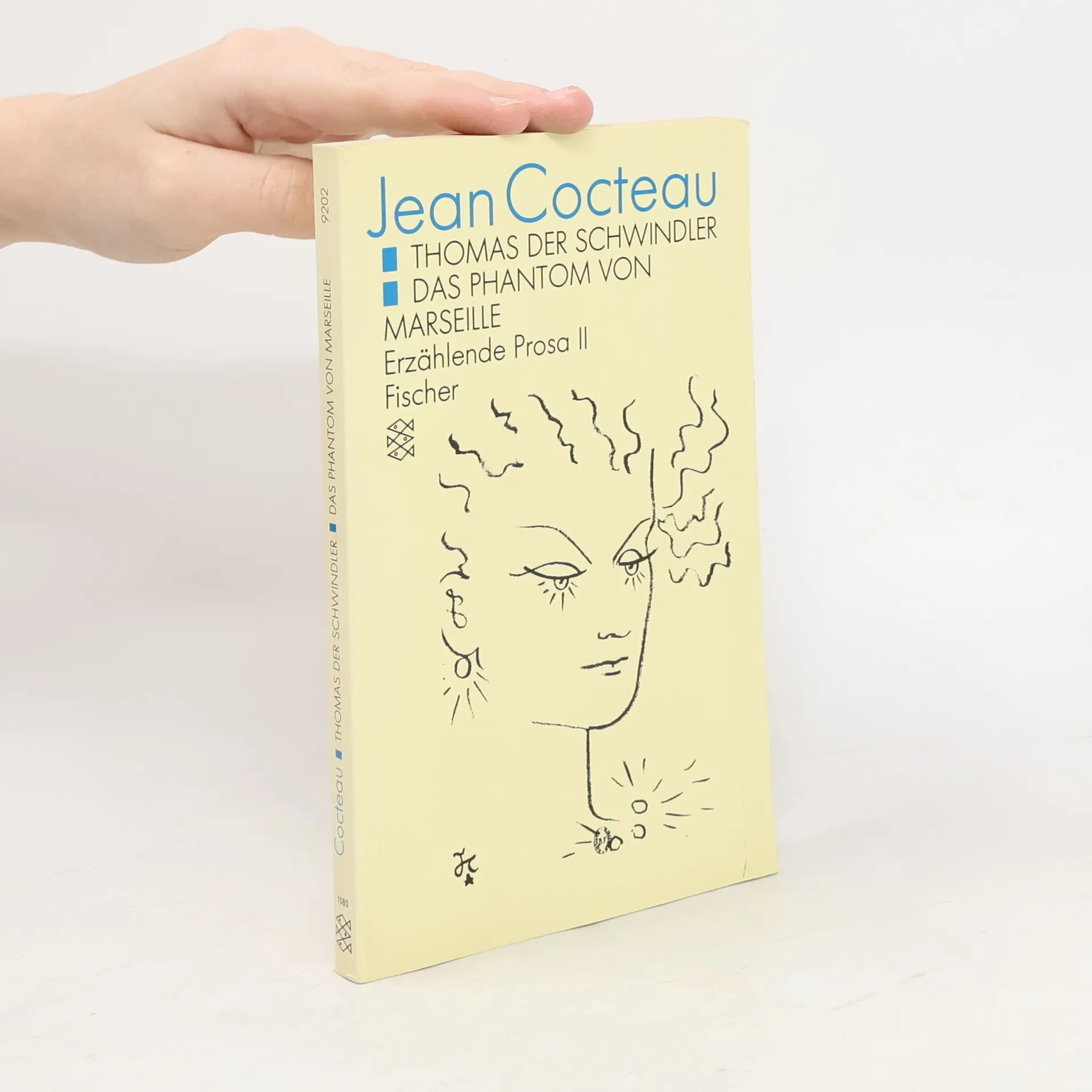
Jean Cocteau Reihenfolge der Bücher (Chronologisch)
Jean Cocteau war ein französischer Künstler, dessen Werk sich zwischen klassischer und avantgardistischer Sensibilität bewegte. Er beschäftigte sich mit der Sprache der Moderne, erforschte verbale Codes und theatralische Inszenierungen, um eine paradoxe klassische Avantgarde zu schmieden. Sein vielseitiger und unkonventioneller Ansatz hinterließ eine bedeutende Spur im Theater und Film und brachte ihm internationale Anerkennung ein.


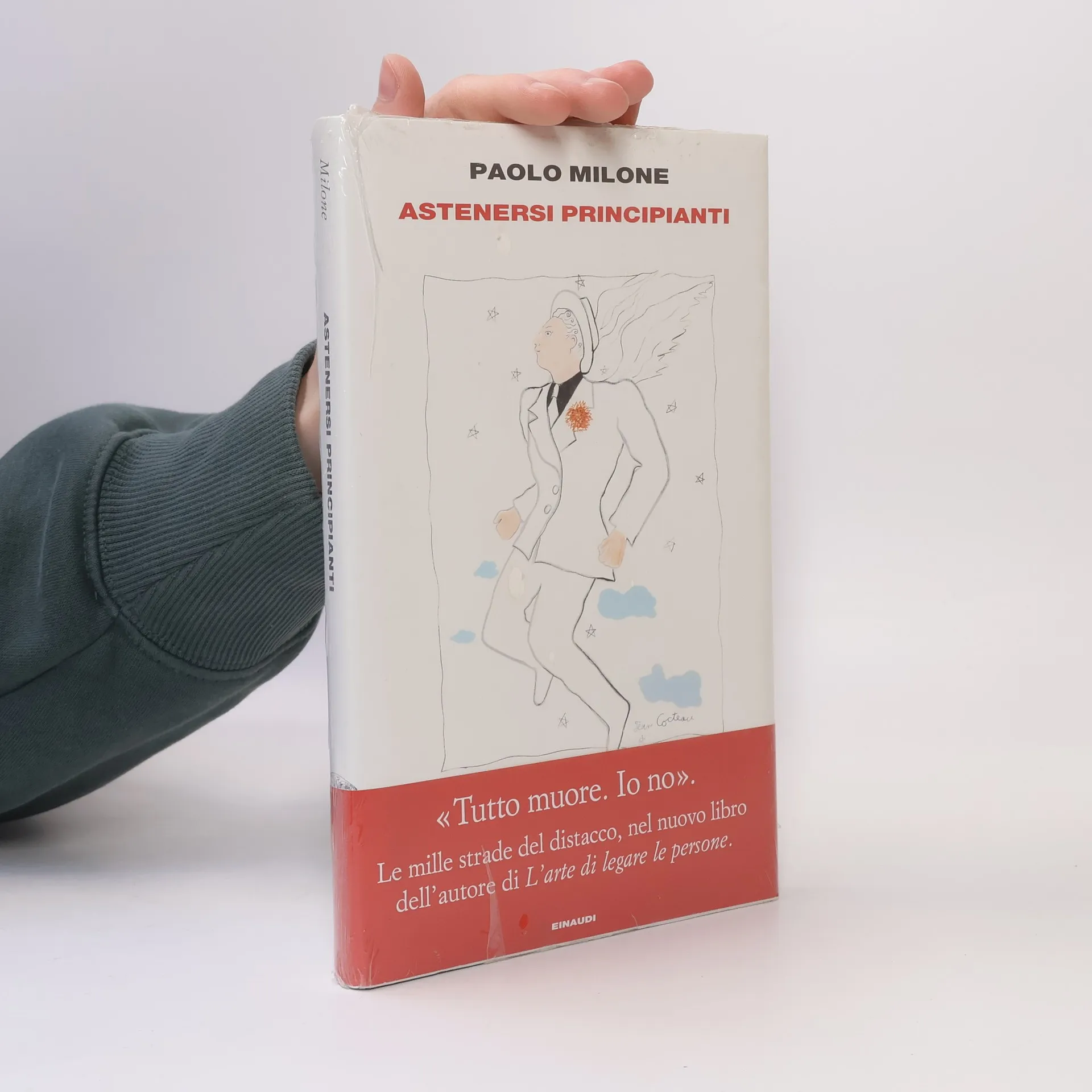
Astenersi principianti
Le mille strade del distacco, nel nuovo libro dell'autore di L'Arte di Legare le Persone
- 144 Seiten
- 6 Lesestunden
La morte è l’unica certezza che abbiamo nella vita, ma noi allontaniamo il pensiero ogni giorno, con pervicace distrazione. Eppure basterebbe fermarsi un istante… Ecco perché è fatto di istanti, questo libro inaspettato. Di quegli attimi preziosi in cui esitiamo in cerca di una strada, e all’improvviso ci accorgiamo che la vita e la morte fanno gli stessi scherzi, perché semplicemente sono un’unica cosa. In fondo cosa c’è, dopo la morte? C’è un paese dove non siamo mai andati: «Per me, per esempio, la Norvegia». Di ciò di cui non si può parlare, non bisogna tacere. È stato Paolo Milone a dimostrarcelo, conquistando il cuore di tanti lettori con L’arte di legare le persone. E ora, con la stessa sensibilità e col medesimo ardire, affronta un’arte persino più difficile. Incredibilmente finisce per confortarci anche questa volta, rendendo vivo e vicino ciò che tanto ci affanniamo a tenere lontano. Il distacco in fondo è una mano tesa, un gioco che non conosciamo ancora, uno spasimante per cui ci facciamo belli tutta la vita.
Letter to the Americans
- 64 Seiten
- 3 Lesestunden
In 1949, Jean Cocteau's reflections on his twenty-day visit to New York reveal a nuanced exploration of French and American cultures. Through his distinctive prose, he highlights the contrasting values each society places on art, liberty, and psychology. Cocteau captures America's hopeful promise while also addressing pressing social issues such as hypocrisy, sexism, and racism that must be confronted for true progress. This essay, never before translated into English, resonates with contemporary relevance, echoing the complexities of cultural identity and aspiration.
La danse de Sophocle; poèmes
- 222 Seiten
- 8 Lesestunden
Entdecken Sie Cocteau, den Künstler und den Menschen, durch sein originales und vielfältiges Werk. Die Entwicklung seines anticonformistischen Ausdrucks und seines ästhetischen Empfindens wird präsentiert, indem seine literarischen, filmischen, poetischen und grafischen Werke erkundet werden.
Dans Folioplus classiques, le texte intégral, enrichi d'une lecture d'image, écho pictural de l'oeuvre, est suivi de sa mise en perspective organisée en six points : Vie littéraire : Les Années folles L'écrivain à sa table de travail : Le mythe revisité Groupement de textes thématique : La figure du rebelle au théâtre Groupement de textes stylistique : La réécriture du mythe : de Sophocle à nos jours Chronologie : Jean Cocteau et son temps Fiche : Des pistes pour rendre compte de sa lecture.
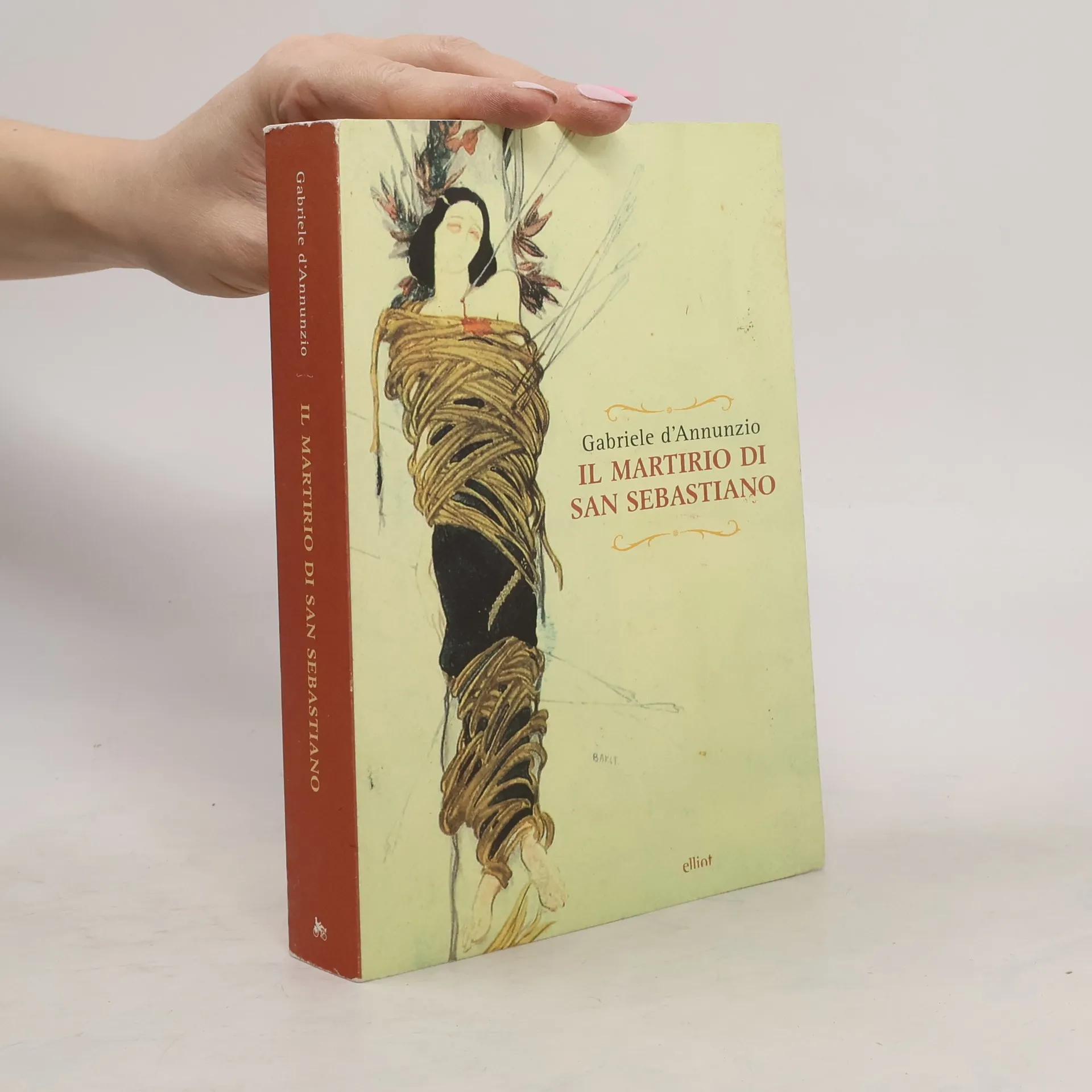
Il martirio di San Sebastiano
- 427 Seiten
- 15 Lesestunden
“Il martirio di San Sebastiano” venne scritto tra il 1910 e il 1911, frutto dell’intenso fervore creativo scaturito dall’incontro di Gabriele d’Annunzio con Claude Debussy. “Il martirio”, però, non è soltanto la felice combinazione di due artisti di così eccezionale statura, ma anche la più importante affermazione del Vate come uomo di spettacolo e “metteur en scène”, in grado di plasmare il proprio virtuosismo lirico sulle esigenze di una scintillante “partitura verbale” (qui, fra l’altro, in una lingua estranea – il francese padroneggiata con incredibile perizia), coniugandolo perfettamente non solo con le note di Debussy, ma anche con le “visioni” di uno scenografo-costumista della genialità di Bakst, la straordinaria creatività di un coreografo come Fokine e il magnetico carisma interpretativo di Ida Rubinstein. Spettacolo colossale, leggendario, accanitamente discusso, “Il martirio”, rappresentato il 22 maggio 1911 al Théâtre du Châtelet (e poi ripreso, con minime varianti, all’Opera di Parigi nel 1922 e alla Scala di Milano nel 1926), concretizzò, anche grazie a un cast irripetibile, le più ardite e folgoranti intuizioni sceniche del poeta pescarese. L’opera viene qui presentata con il testo originale francese, seguito dalla traduzione italiana di Ettore Janni, approvata dall’autore, ed è arricchita da preziose illustrazioni, foto e bozzetti di scena. Prefazione di Riccardo Reim. Con una nota di Jean Cocteau.
Zukunft seit 1560
Von der Kunstkammer zu den Staatlichen Kunstsammlungen Dresden
- 231 Seiten
- 9 Lesestunden
Deutscher Kunstverlag, Berlin, (2010). 286 S., Pbd. mit Lesebndchen, quart - neuwertig -
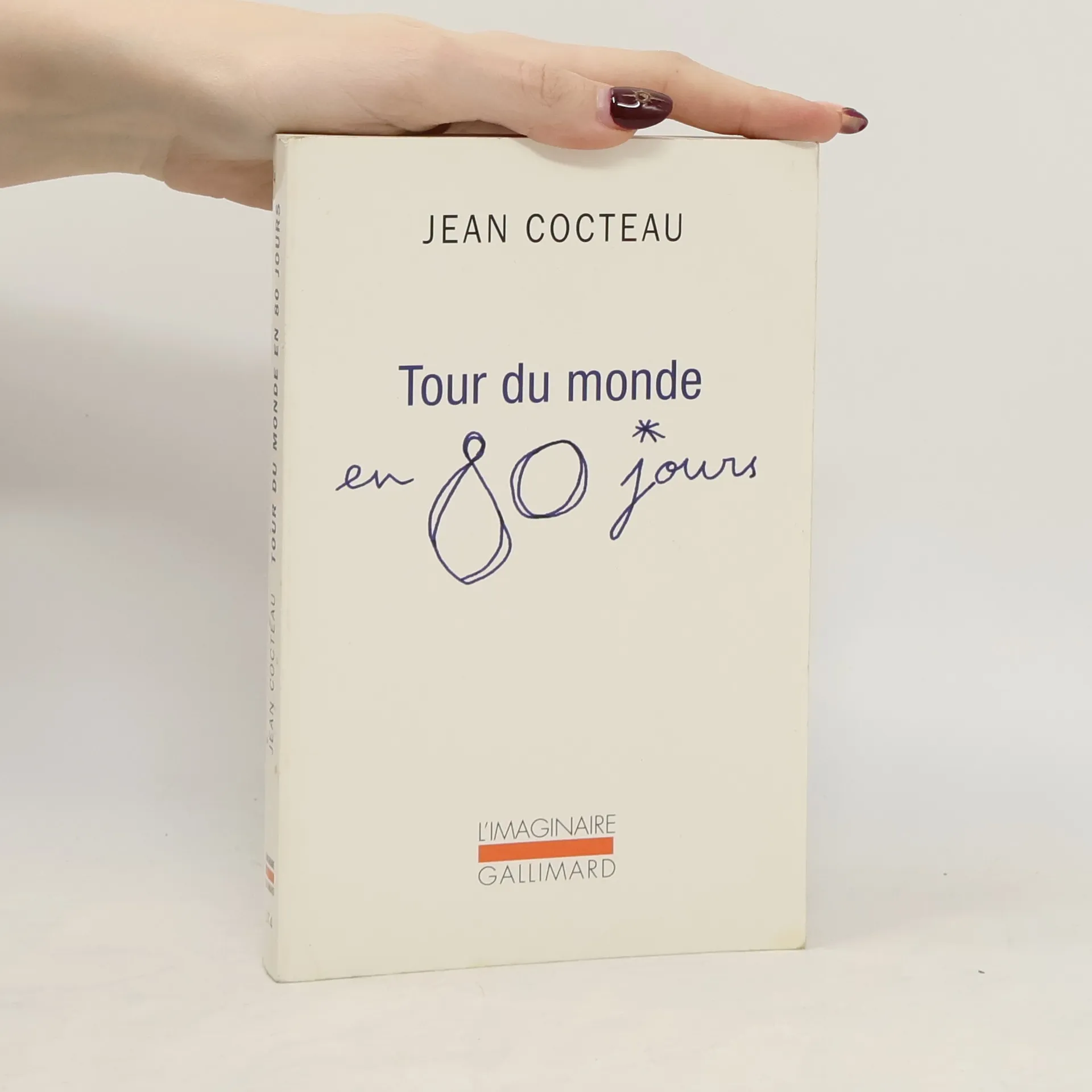
Tour du monde en 80 jours
- 252 Seiten
- 9 Lesestunden
Pour fêter le centenaire de Jules Verne, Jean Cocteau et Marcel Khill, surnommé pour l'occasion Passepartout, projettent de partir sur les traces des héros de Jules Verne. Le journal Paris-Soir ayant accepté le projet, nos deux voyageurs constatent que ce périple, que Jules Verne fait faire à Philéas Fogg en 1873, n'a rien perdu de sa difficulté soixante-trois ans plus tard, en 1936...
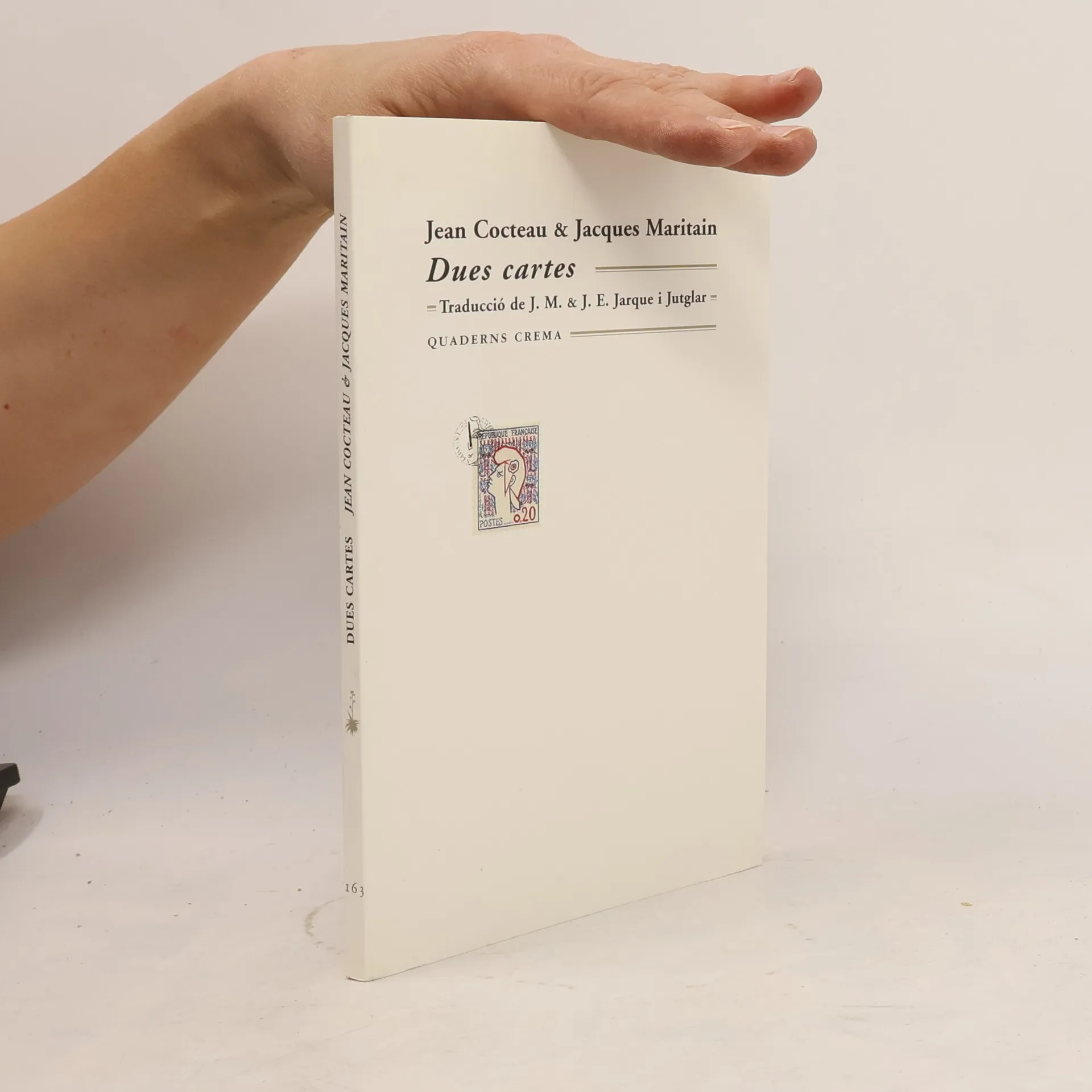
Roma, 1917, als voltants de Pasqua. Després de quinze dies de feina amb Parade, que no ens ha deixat temps per veure res, ens passegem Picasso i jo. picasso. ?Visitem aquesta església. (L?església està plena de fidels, de canelobres, de músiques i de pregària. Impossible de visitar-la.) jo. ?Visitem-ne una altra. (El mateix escenari. Llarga caminada en silenci.) picasso. ?Vivim com uns gossos. (del «Pròleg» de Jean Cocteau)
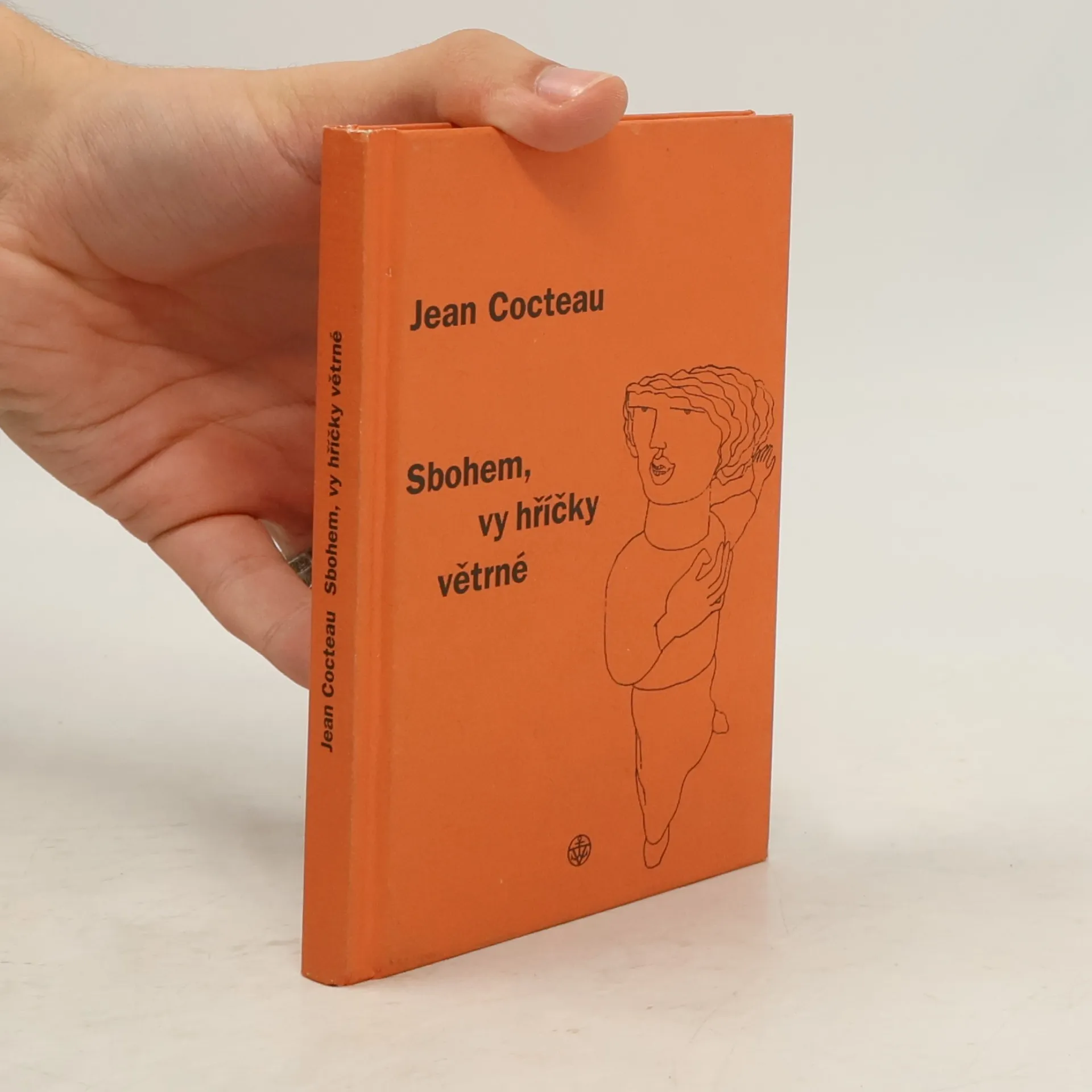
Sbohem, vy hříčky větrné
- 92 Seiten
- 4 Lesestunden
Jean Cocteau je bezesporu jednou z nejpozoruhodnějších osobností francouzské kultury 1. poloviny dvacátého století. Povahou dobrodruh a experimentátor žil svůj život naplno, vyhledával nejrůznější dobrodružství a podobně dobrodružně přistupoval i ke své tvorbě. Patřil přece k avantgardě. Přátelil se se surrealisty, miloval Picassa, propagoval ruské divadlo. Sám psal nejen verše, ale i maloval, režíroval, hrál divadlo, psal scénáře. Útlá sbírka veršů Sbohem, vy hříčky větrné je skromnou připomínkou jeho bohatě rozvětveného díla.
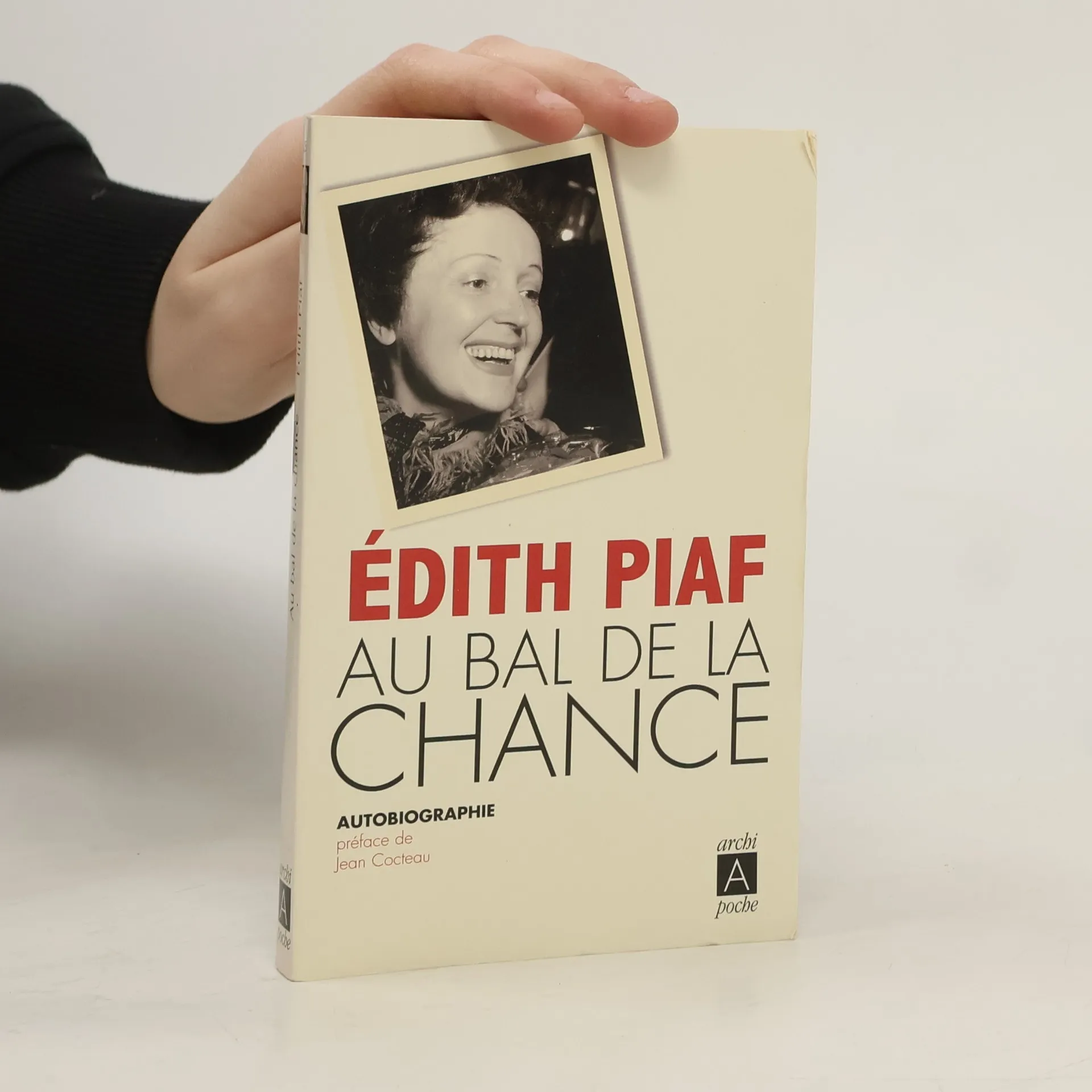
Au bal de la chance
- 221 Seiten
- 8 Lesestunden
Pour Edith Giovanna Gassion, le destin prend la forme d'une rencontre avec Louis Leplée, l'homme qui lui donnera sa chance en la faisant débuter sur les planches de son cabaret et lui trouvera son premier nom de scène : la môme Piaf. Ainsi s'ouvre Au bal de la chance. Nous sommes en 1935, la jeune femme aura vingt ans dans quelques semaines. Mais laissons Edith nous conter la suite... L'unique autobiographie signée par Piaf fut publiée en 1958 à Genève, avec une préface de Jean Cocteau. Cette édition, augmentée d'une postface de Fred Mella, ancien soliste des Compagnons de la chanson, est présentée et annotée par le musicologue Marc Robine.
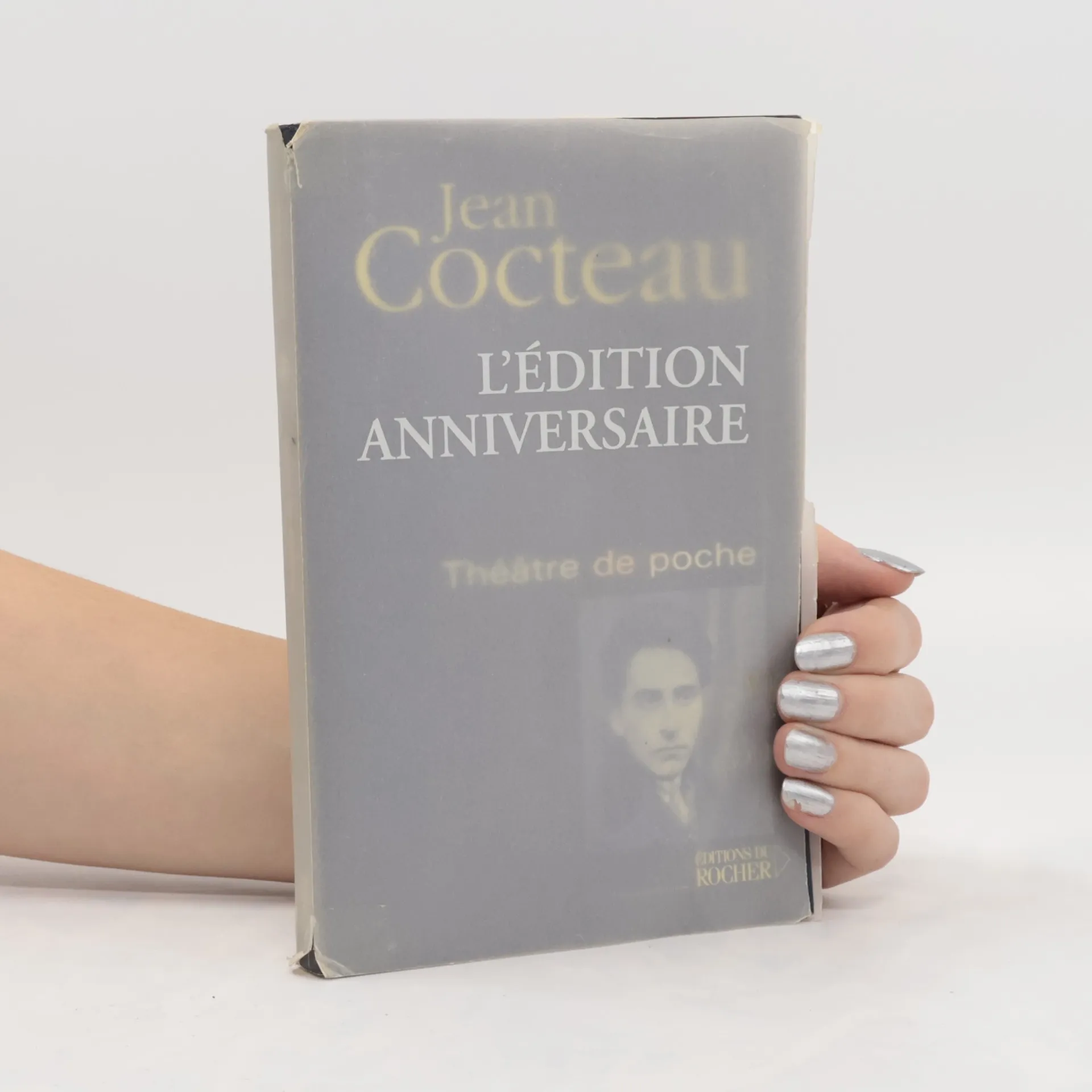
Théâtre de poche
- 162 Seiten
- 6 Lesestunden
Edités en 1955, ces textes laissent affleurer la personnalité si attachante de Jean Cocteau : sa verve, son humour, son sens du clin d'œil et du portrait, l'alacrité de son style, la tendre jubilation de sa plume. On trouvera notamment dans ce volume : Parade, Le Bœuf sur le toit, Le Bel Indifférent, La Farce du Château, La Dame de Monte-Carlo, Le Menteur, Le Pauvre Matelot...
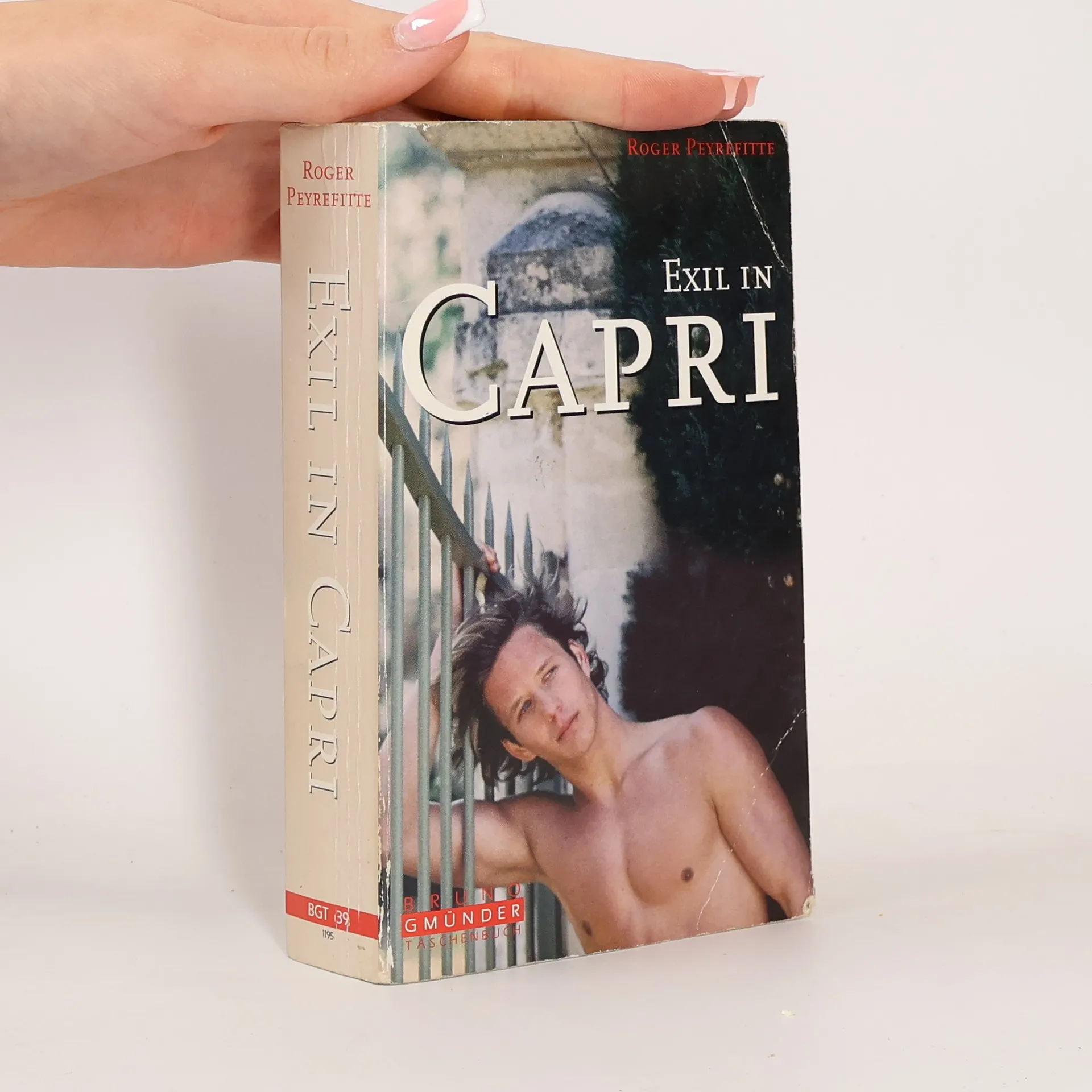
Exil in Capri. Vorw. v. Jean Cocteau
- 373 Seiten
- 14 Lesestunden
Jamal Kassim, ein junger Libanese, wird nach Berlin geschickt, um Ingenieur zu werden. Dort entdeckt er die Freiheit seiner Homosexualität und genießt das Leben in der Szene. Doch bald konfrontiert ihn die harte Realität mit Herausforderungen während seines Aufenthalts.
French
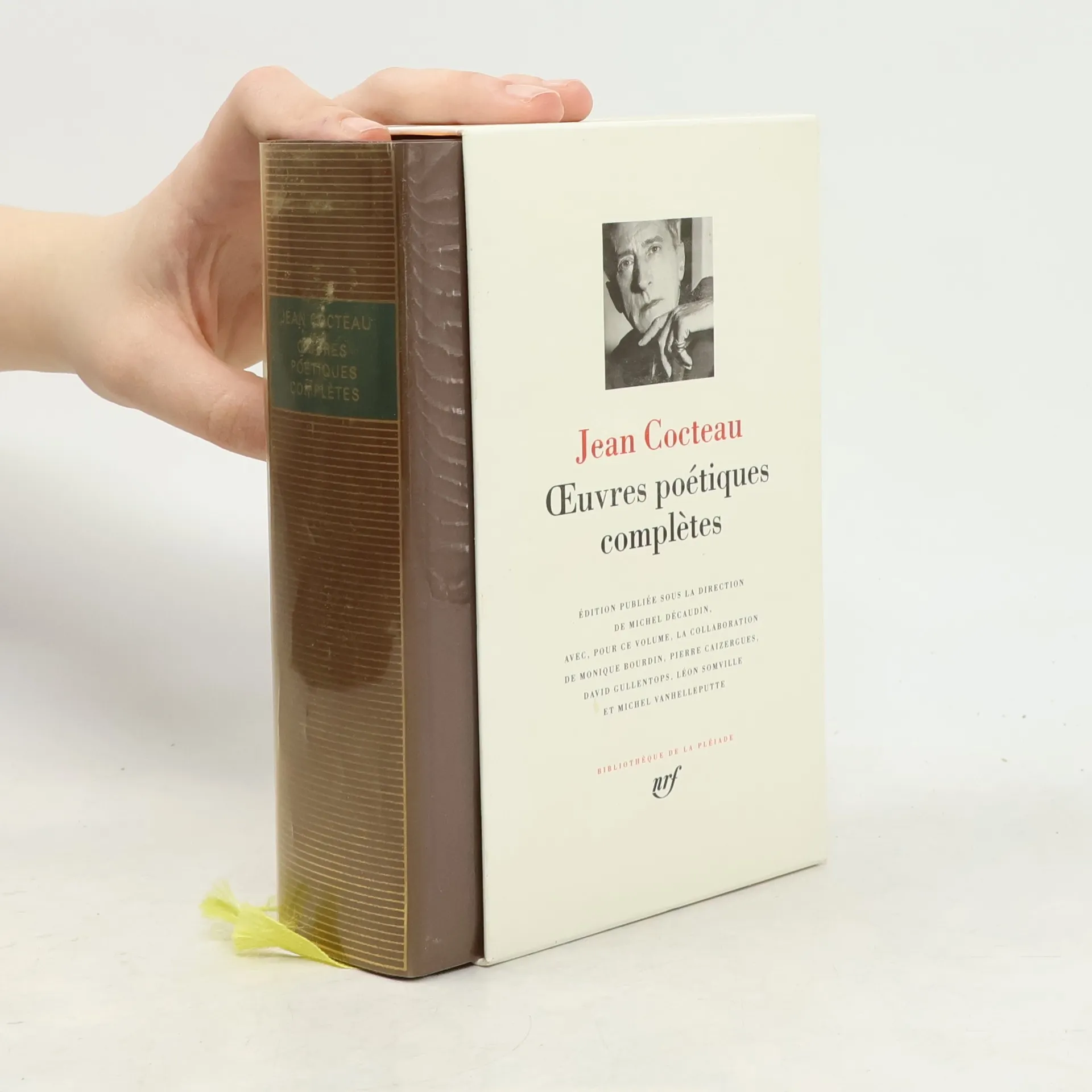
Bibliothèque de la Pléiade: Œuvres poétiques complètes
Édition publiée sous la direction de Michel Décaudin, avec, pour ce volume, la collaboration de Monique Bourdin, Pierre Caizergues, David Gullentops, Léon Somville et Michel Vandelleputte
- 1938 Seiten
- 68 Lesestunden
Rare book
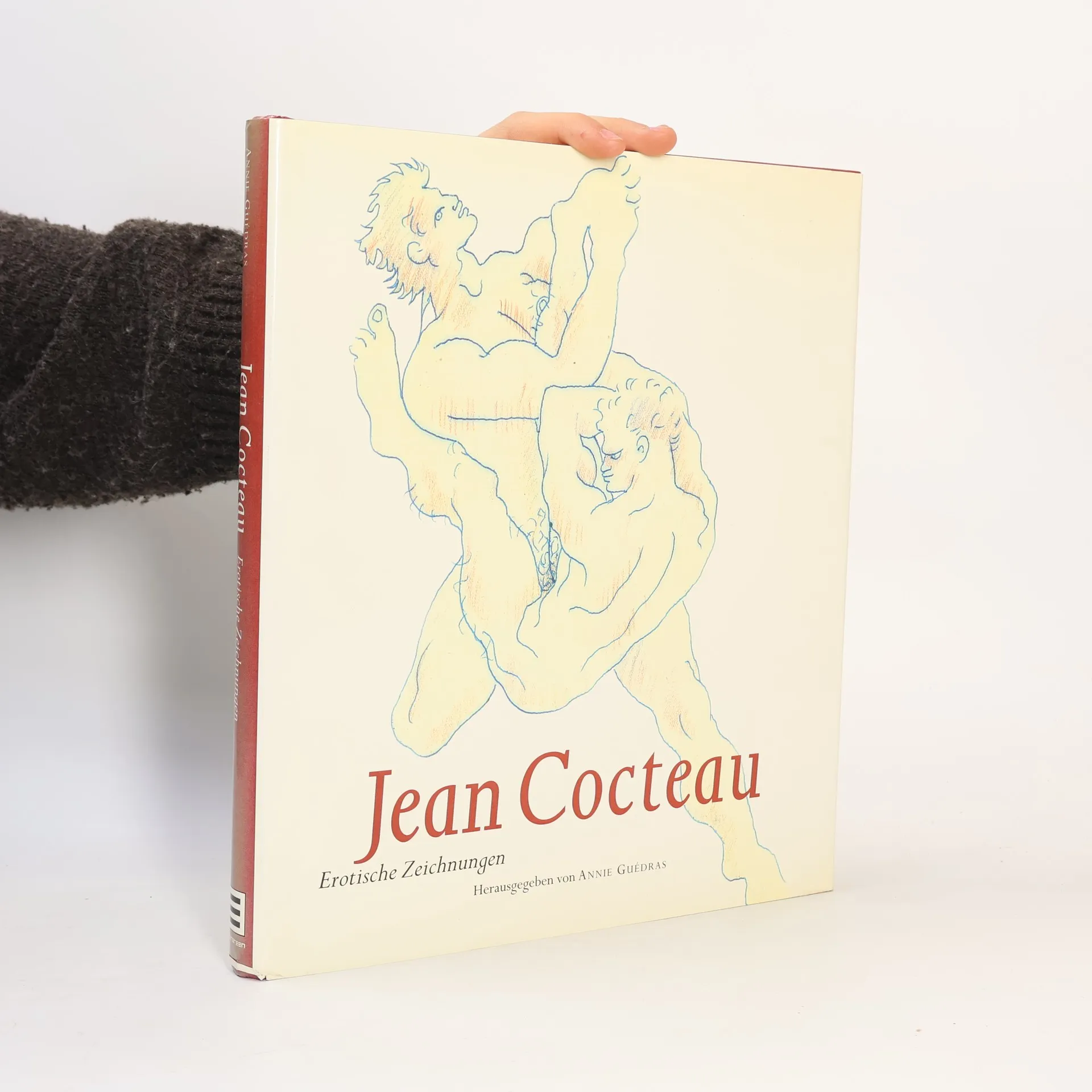
Erotische Zeichnungen
- 143 Seiten
- 6 Lesestunden
Obwohl Jean Cocteau besser für seine Poesie, Filme und Romane bekannt ist, experimentierte er bereits in seiner Kindheit mit dem Zeichnen, und seine Karikaturen sind zu Ikonen seiner einzigartigen Sicht auf Menschen und das Leben geworden. Diese Sammlung erotischer Zeichnungen umfasst vier Jahrzehnte seines Schaffens.
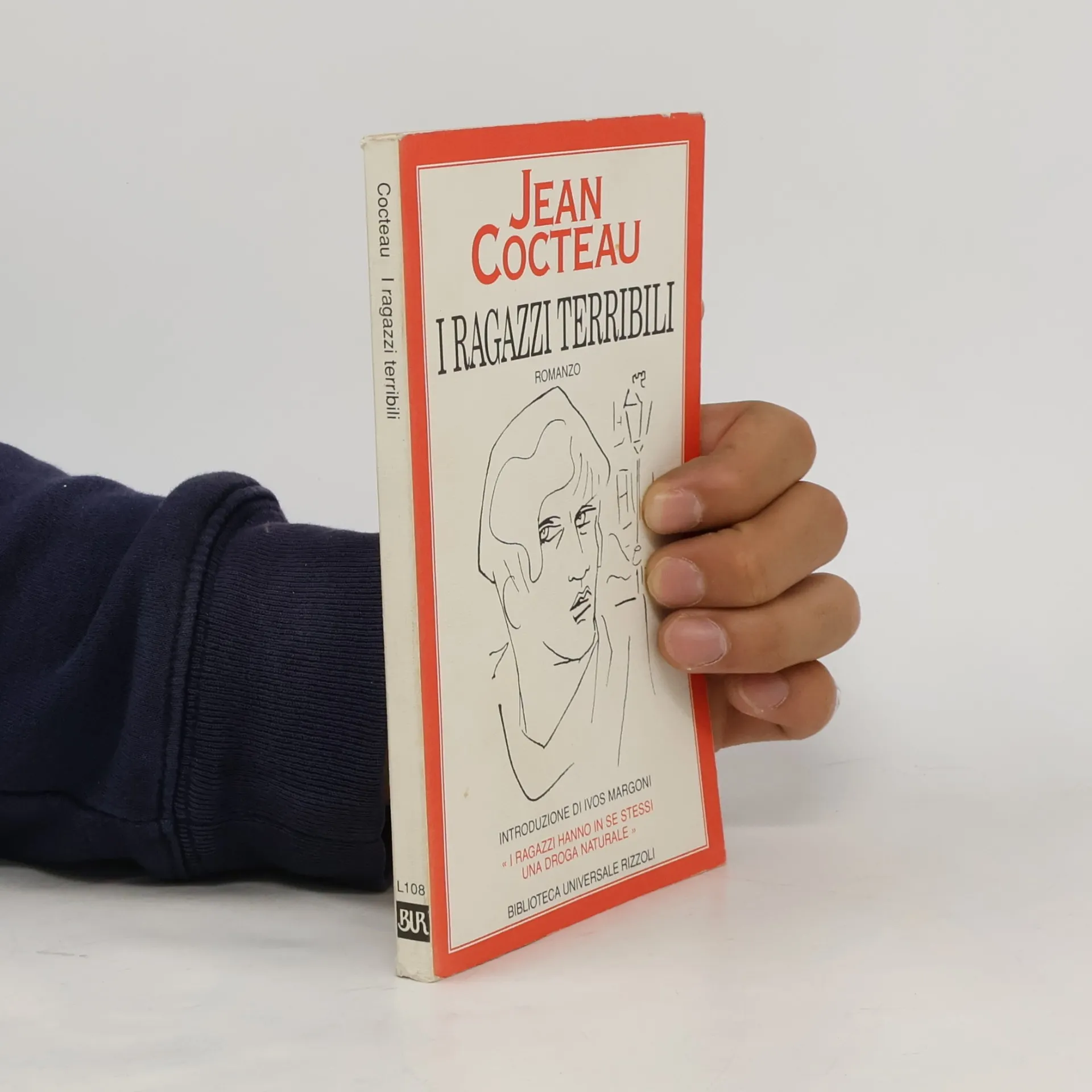
Biblioteca Universale Rizzoli - 108: I ragazzi terribili
con 15 illustrazioni dell'Autore
- 156 Seiten
- 6 Lesestunden
La Voix humaine. Le Bel Indifferent
- 68 Seiten
- 3 Lesestunden
Publiés en 1955, ces textes permettent de pénétrer la personnalité si séduisante de Jean Cocteau (1889-1963) : son inspiration, son humour, la délicate calligraphie de son portrait, son clin d'œil, la rapidité de son style, la tendre béatitude que procure sa plume. Cocteau, pendant plus de cinquante ans, ne cessera d'étonner tout le monde, développant sa magie dans la poésie, la prose, le théâtre, le cinéma, dans des dessins et des tableaux. Haï à son époque de manière excessive, il a su désarmer tout le monde sans jamais rendre les coups. Seul contre tous, un enchanteur des temps, léger, généreux jusqu'à l'exploitation par des insignifiants et des importants, une singularité de sainteté de l'autodestruction et des passions, de l'opium et des scandales. Avec un esprit d'avant-garde absolu, il a devancé son temps pour annoncer le suivant, exprimant l'électricité permanente d'un devenir, d'une vague qui éclate continuellement devant.
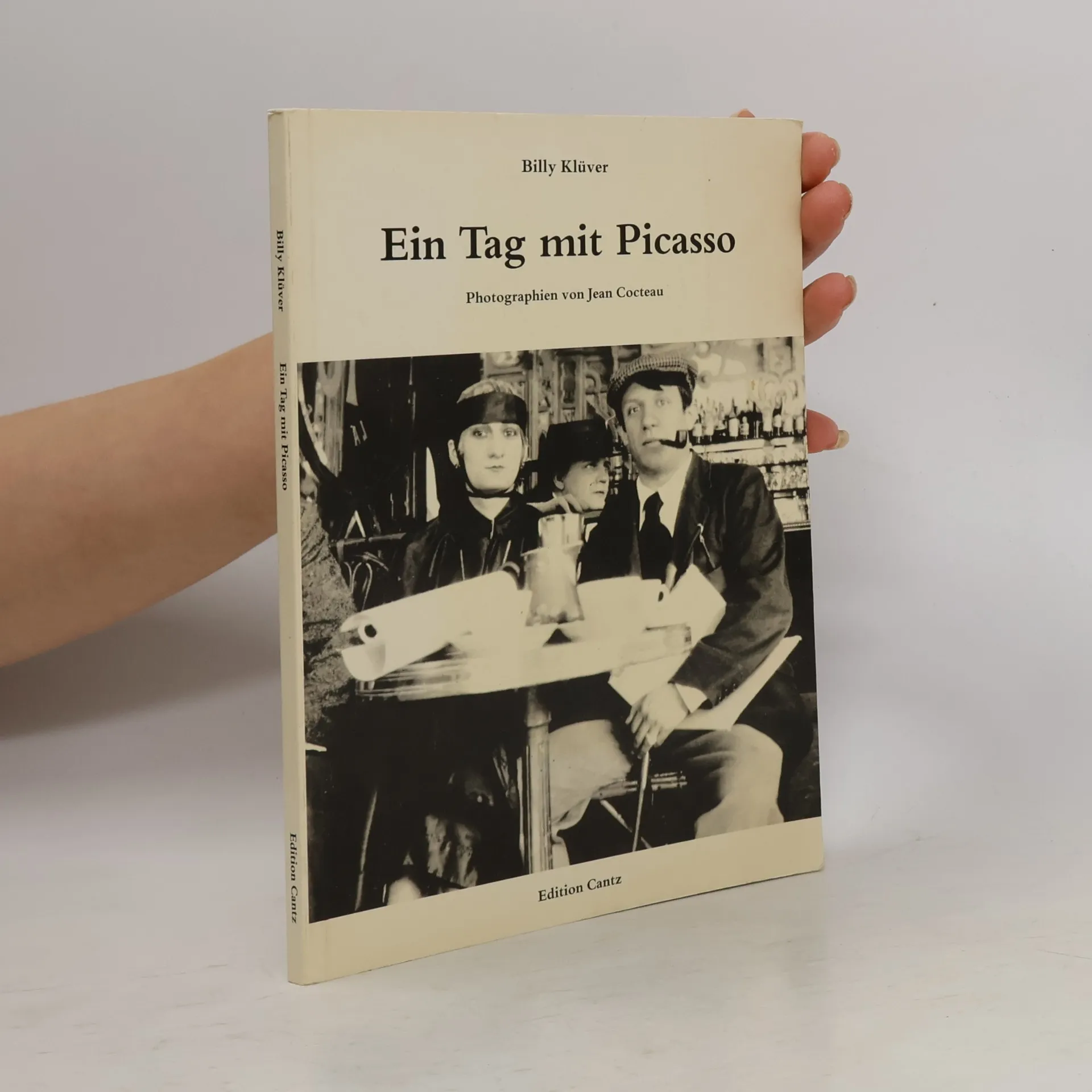
Picasso
- 183 Seiten
- 7 Lesestunden
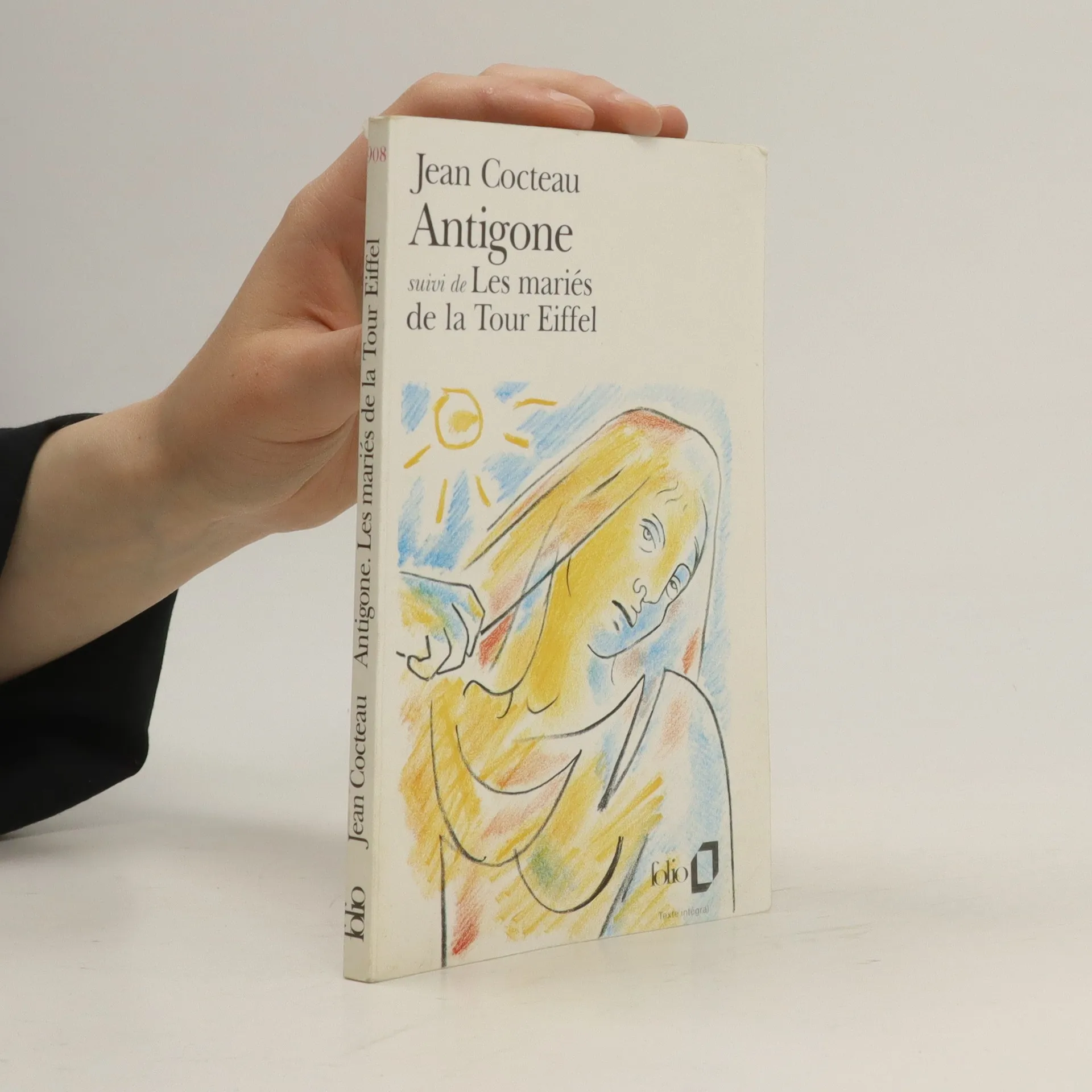
Antigone. Suivi de Les Mariés de la Tour Eiffel
- 111 Seiten
- 4 Lesestunden
«Antigone est ma sainte», disait Cocteau. C'est pourquoi il a traduit et «contracté» la pièce de Sophocle. «... Parce que je survole un texte célèbre, chacun croit l'entendre pour la première fois.»C'est dans Les mariés de la Tour Eiffel qu'on trouve la phrase célèbre : «Puisque ces mystères nous dépassent, feignons d'en être l'organisateur.» Sur la première plate-forme de la tour Eiffel évolue une noce bourgeoise, qui vient se faire photographier, tandis que deux phonographes commentent l'action. Une bouffonnerie qui exprime toute la déconcertante poésie du banal.
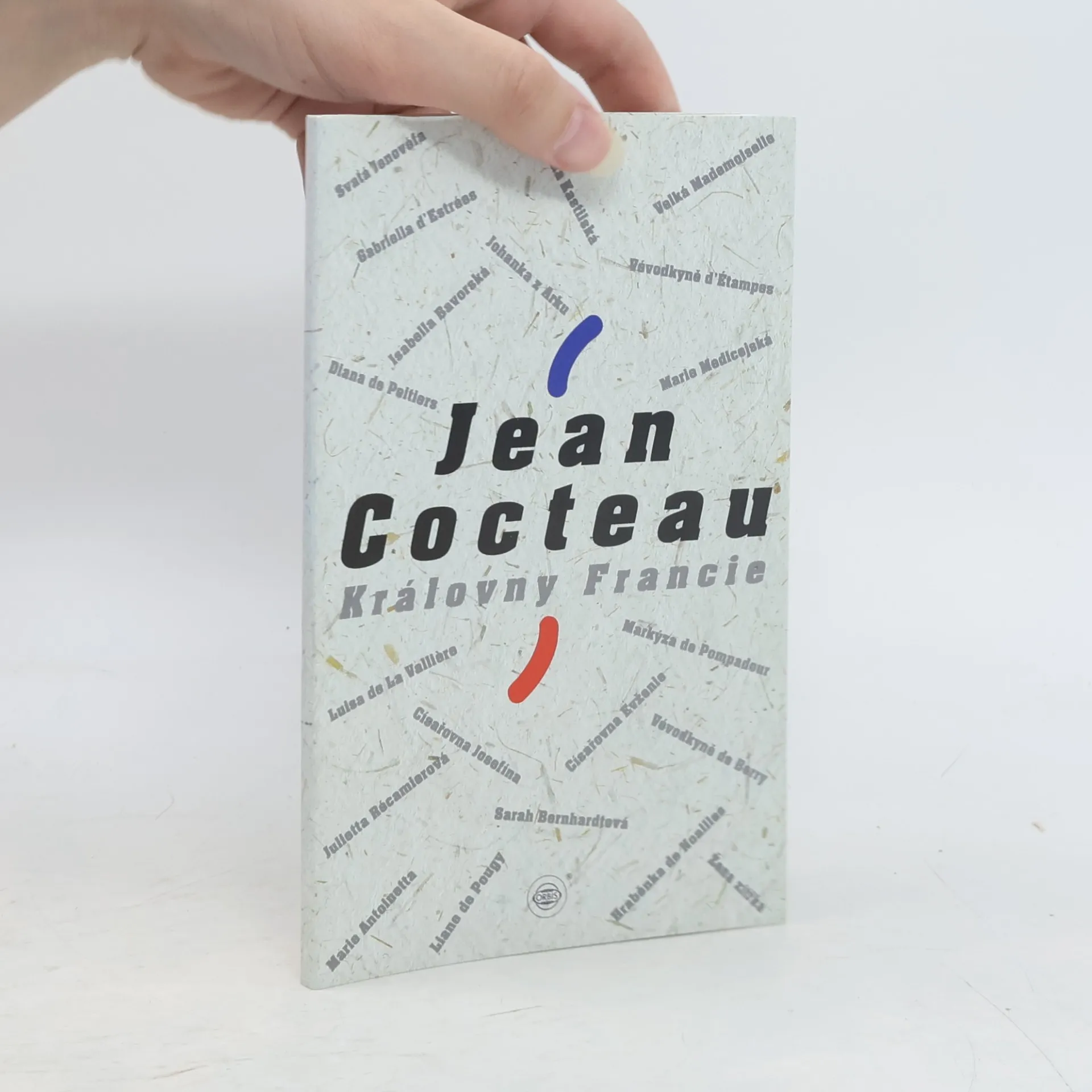
Dvacet kratičkých medailonků o pozoruhodných ženách, které nějakým způsobem zasáhly do dějin Francie. Ve většině případů se nejedná o skutečné královny – častěji jde o královské favoritky, umělkyně a ve dvou případech o svaté patronky. Texty jsou především výrazem autorova subjektivního vztahu k těmto ženám a mají daleko do souvislého informativního líčení.
the ideal course for adults who simply enjoy making music... carefully selected and varied pieces! I only wish there was a slower version to play along with the fast pieces... otherwise absolutely recommended!
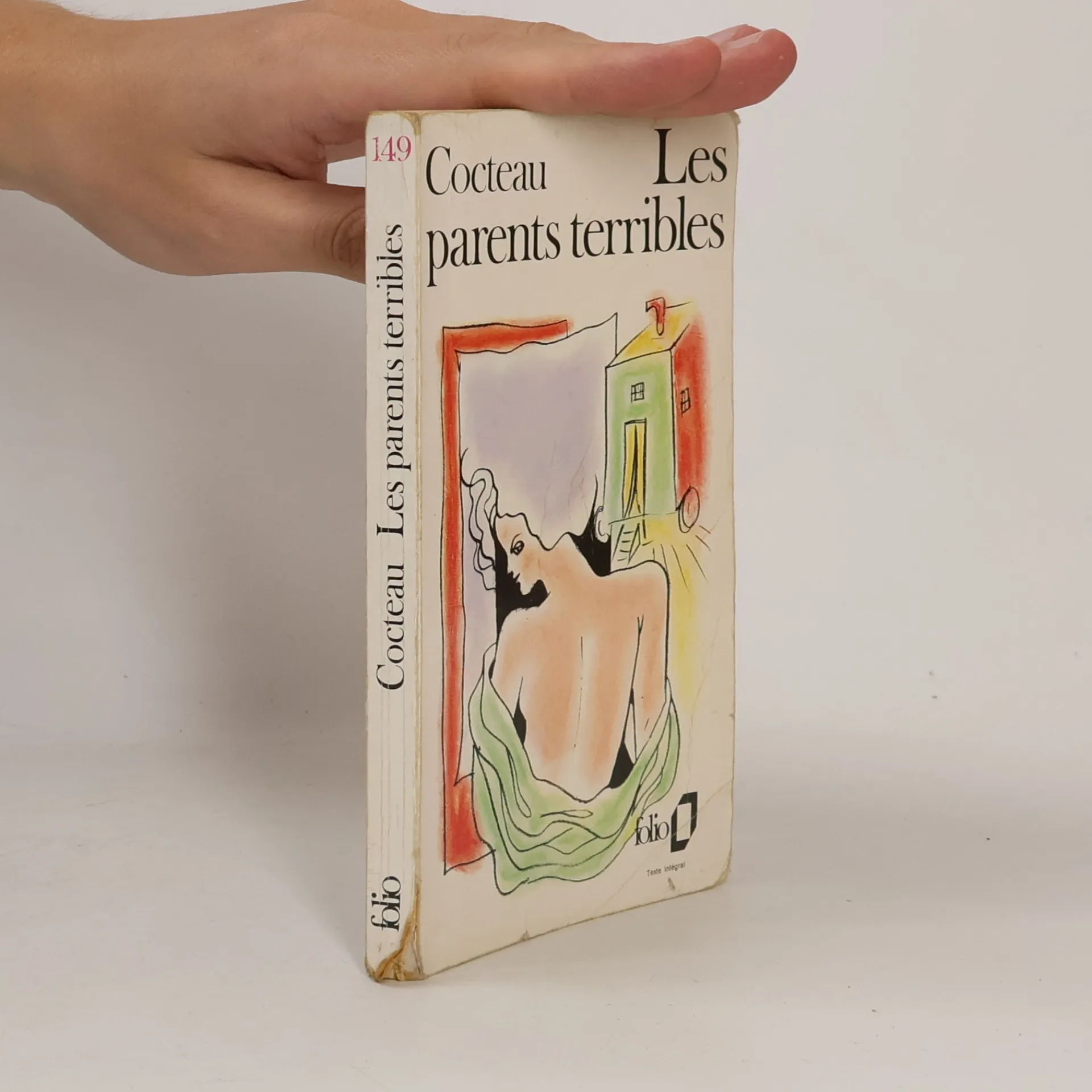
Les parents terribles
- 179 Seiten
- 7 Lesestunden
Yvonne : La tête me tourne, j'ai fait une folie, une folie affreuse. J'ai fait... Michel : Parle-nous. Yvonne : Je ne peux pas. Je voudrais. Sauvez-moi ! Sauve-moi, Mik ! Pardonne-moi, Mik. Je vous ai vus ensemble, là-bas, dans le coin. Je me suis dit que je vous gênais, que je dérangeais les autres. Michel : Maman ! Yvonne : J'ai perdu la tête. Je voulais mourir. Mais je ne veux plus mourir. Je veux vivre. Je veux vivre avec vous ! Vous voir... heureux.
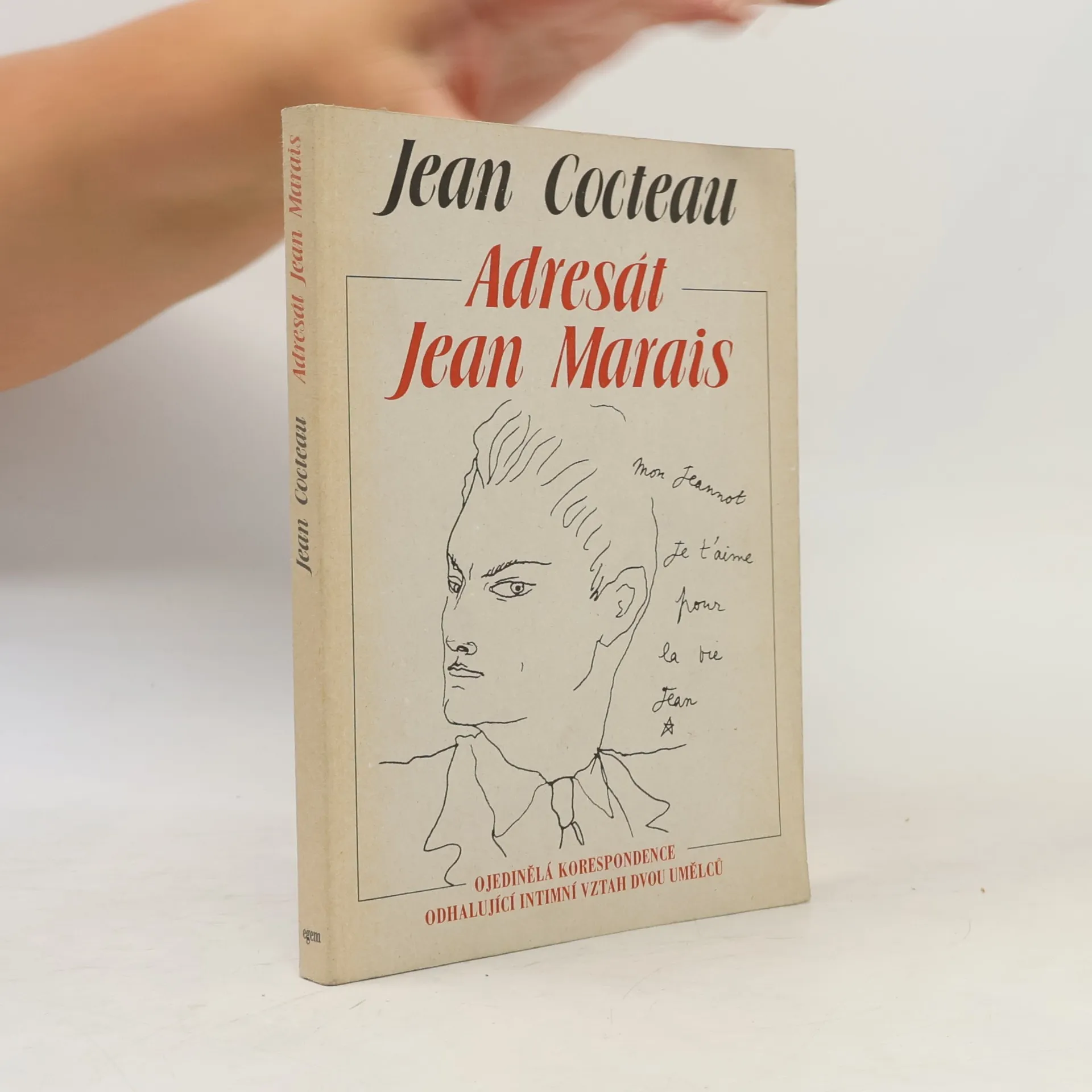
Adresát Jean Marais
- 190 Seiten
- 7 Lesestunden
Ojedinělá korespondence odhalující intimní vztah básníka Jeana Cocteaua a herce Jeana Maraise. Dopisy, psané Jeanem Cocteauem v letech 1938 až 1963, byly dějinami jedné doby.
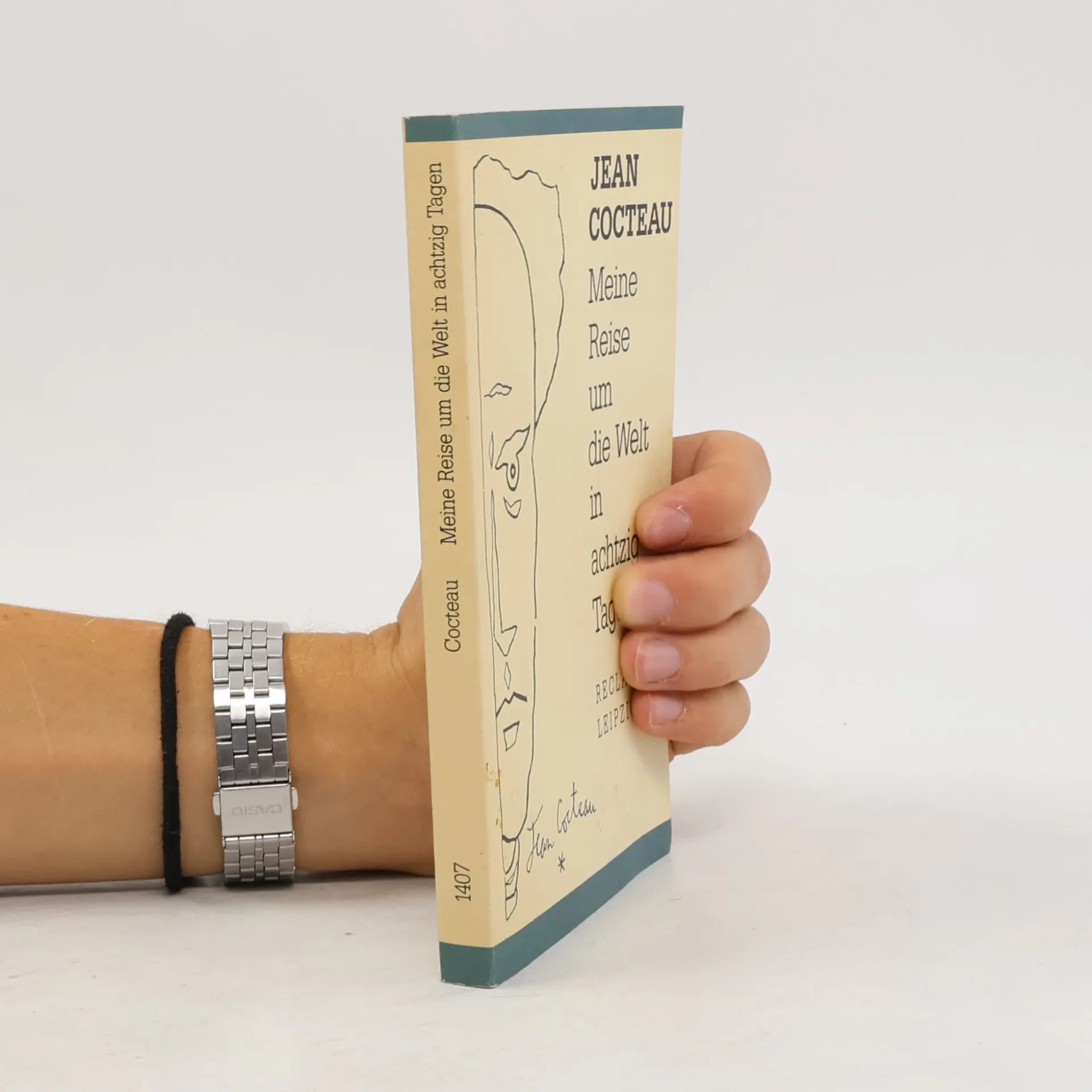
Meine Reise um die Welt in achtzig Tagen
- 190 Seiten
- 7 Lesestunden
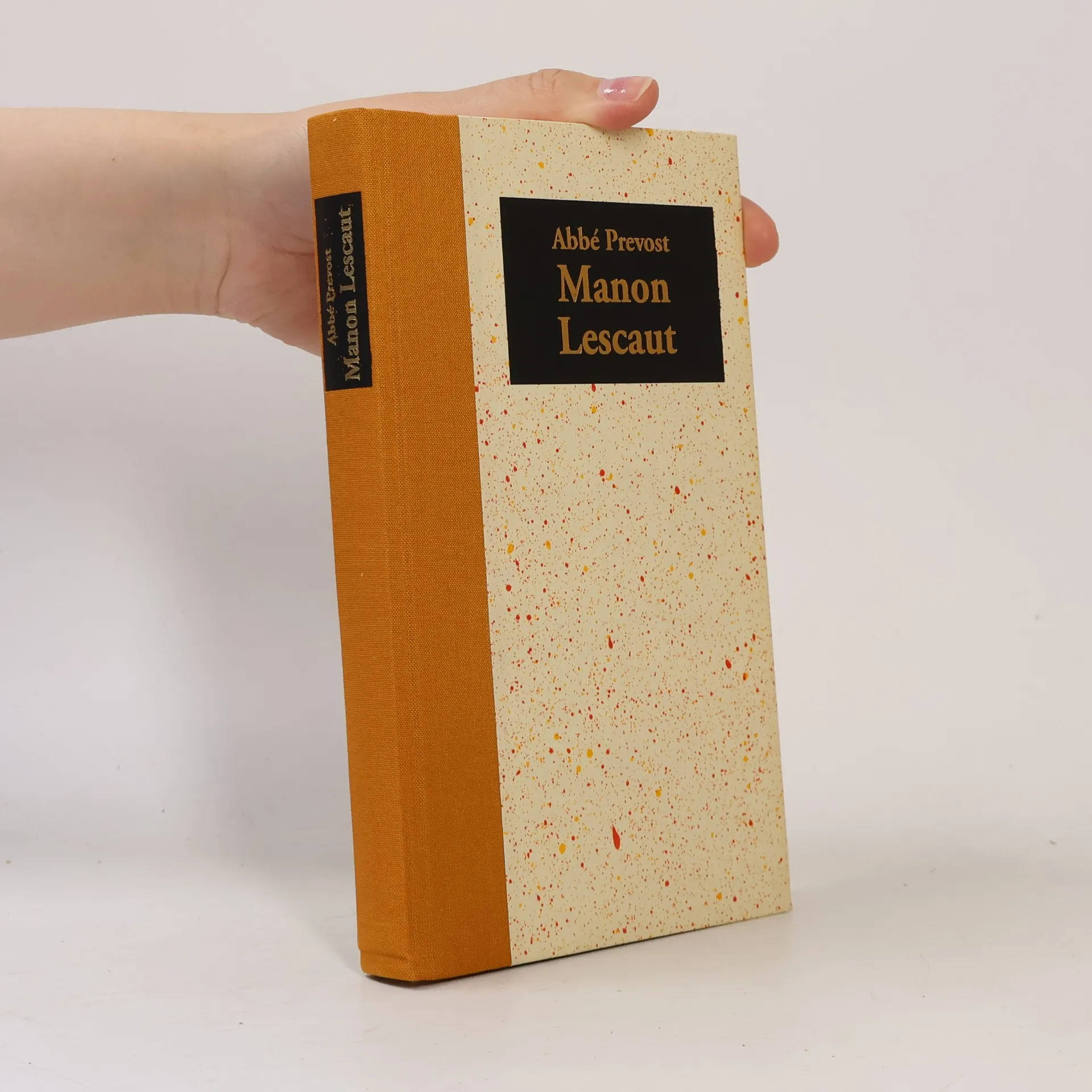
Die bewegende Geschichte einer bedingungslosen Leidenschaft erzählt von der rätselhaften Manon Lescaut, die als Femme fatale die Fantasie von Männern und Frauen seit Jahrhunderten beschäftigt. Ihre Eltern schicken sie ins Kloster, doch der junge Chevalier des Grieux kreuzt ihren Weg und verfällt ihr sofort. Er gibt seine Pläne auf und stellt sich gegen Kirche und Konventionen, angetrieben von blinder Leidenschaft. Ihre wilde Ehe wird von der Gesellschaft aufmerksam beobachtet, da sie privilegiert, aber geächtet sind und nur zwischen Freund und Feind unterscheiden können. In ihrem dramatischen Finale in der Neuen Welt können weder Gold, Manons Reize noch des Grieux' Herkunft die Heldin retten. Abbé Prévost, der Autor, schuf mit seinem Roman eine der furiosesten Frauengestalten, die zahlreiche Bearbeitungen in Literatur, Musik und Film inspirierte. Kristina Maidt-Zinke hebt in ihrem Nachwort hervor, dass Manons Name zur Chiffre geworden ist und ihre Anziehungskraft ungebrochen bleibt. Die spannendsten Abenteuer erlebt man jedoch immer noch, wenn man ihre Geschichte liest. Die Neuübersetzung verdeutlicht Prévosts Rolle als Wegbereiter der romantischen Empfindsamkeit.
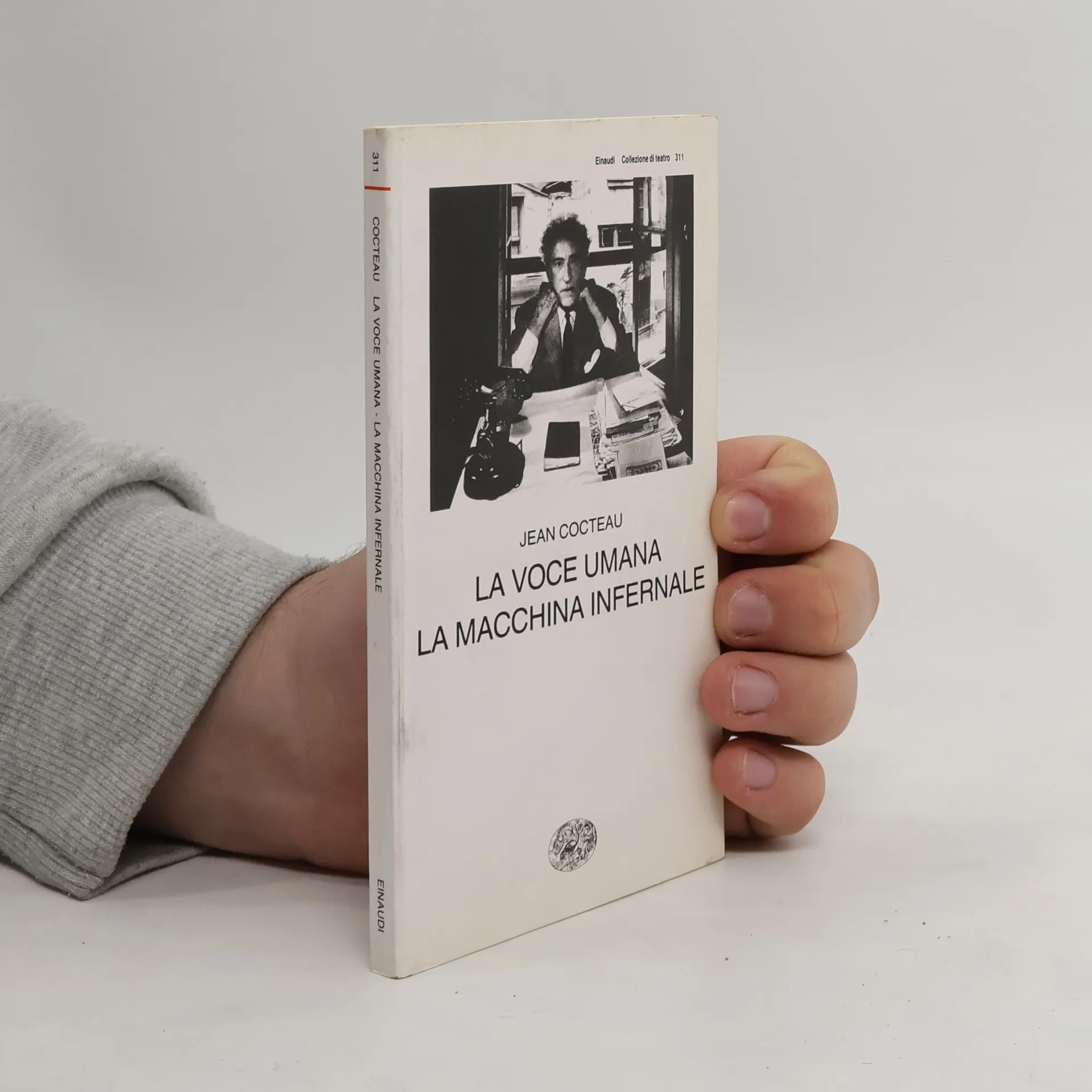
La voce umana. La macchina infernale
- 107 Seiten
- 4 Lesestunden
Vollendete Vergangenheit
Tagebücher. Vollendete Vergangenheit : Bd. 1: 1951-1952
- 507 Seiten
- 18 Lesestunden
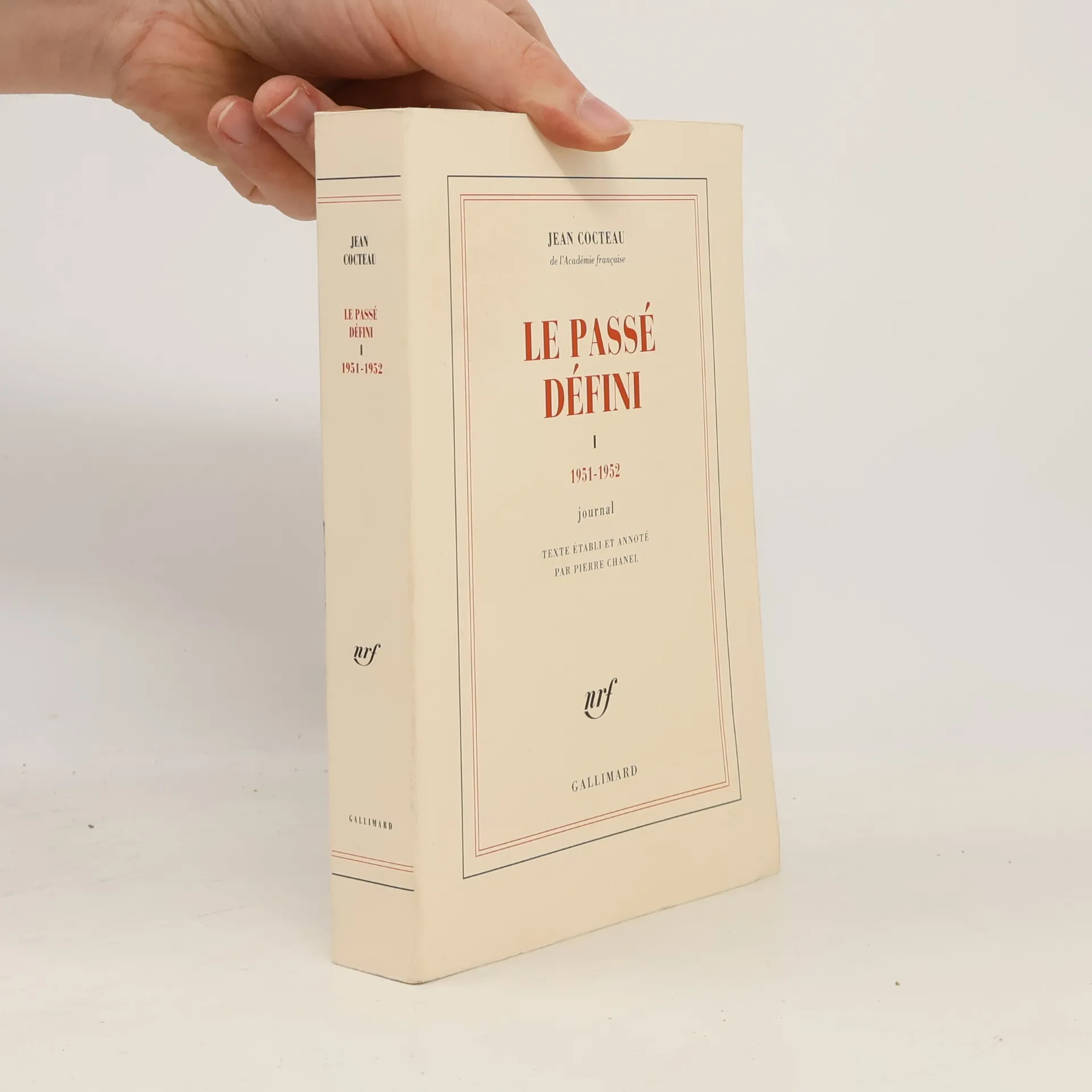
Dieser Band von Tagebüchern offenbart das Privatleben von Jean Cocteau – Dichter, Dramatiker, Romanautor, Filmemacher, Künstler und Schriftsteller für Ballett und Oper – sowie seine Beziehungen zu Weggefährten wie Colette, Matisse, Sartre, Picasso, Genet und Proust.
Briefe an Jean Marais
- 581 Seiten
- 21 Lesestunden
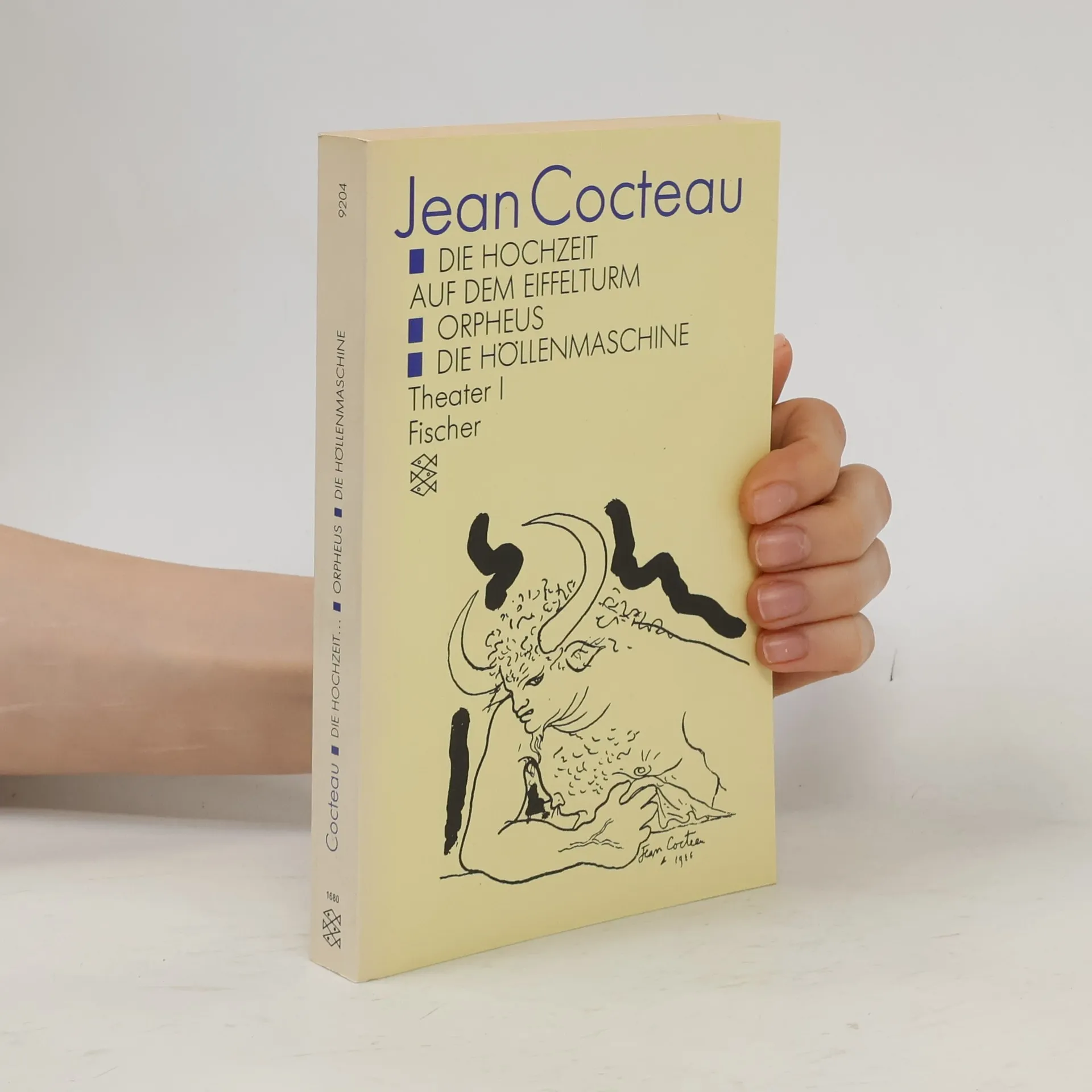
Theater I
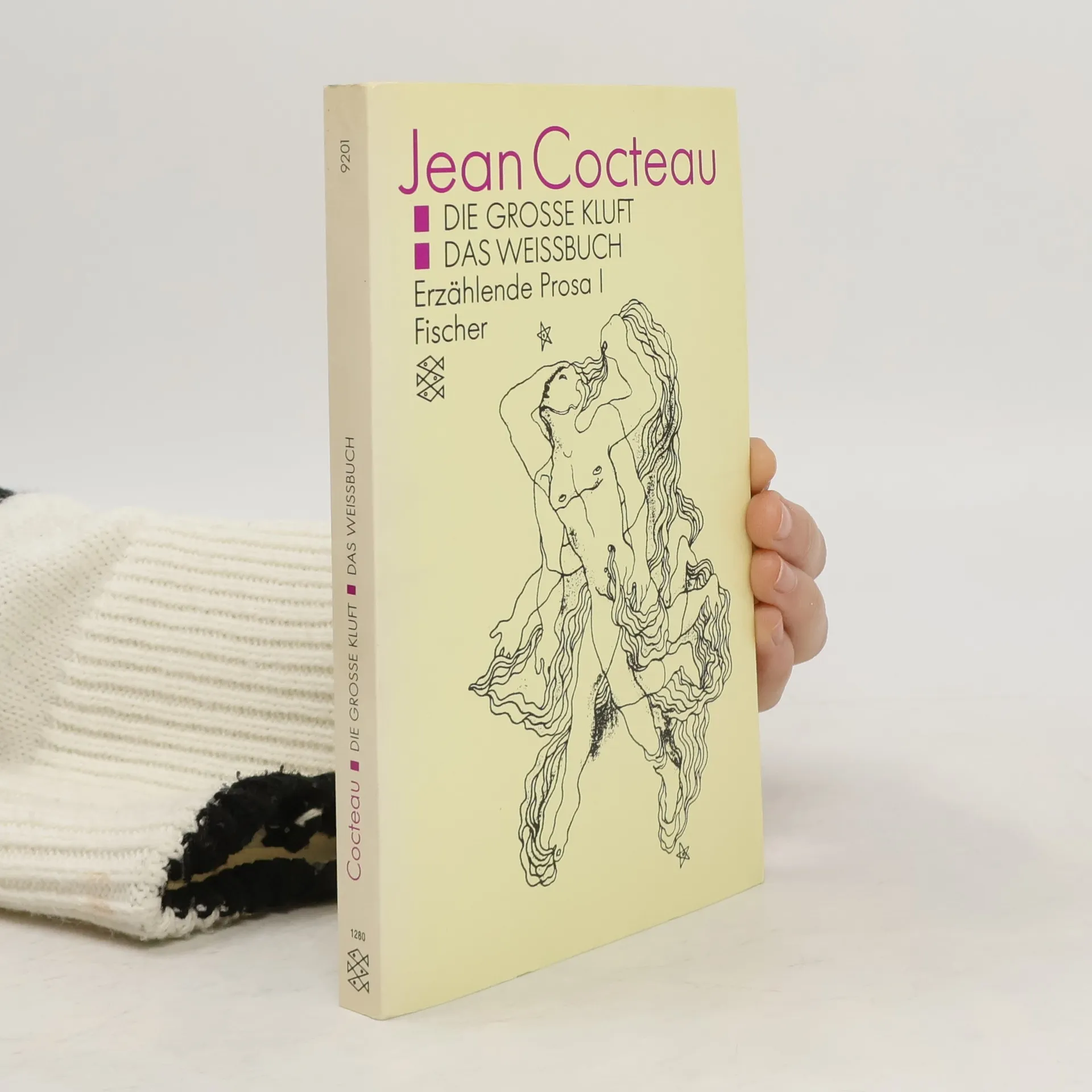
Die Hochzeit auf dem Eiffelturm. Orpheus. Die Höllenmaschine.
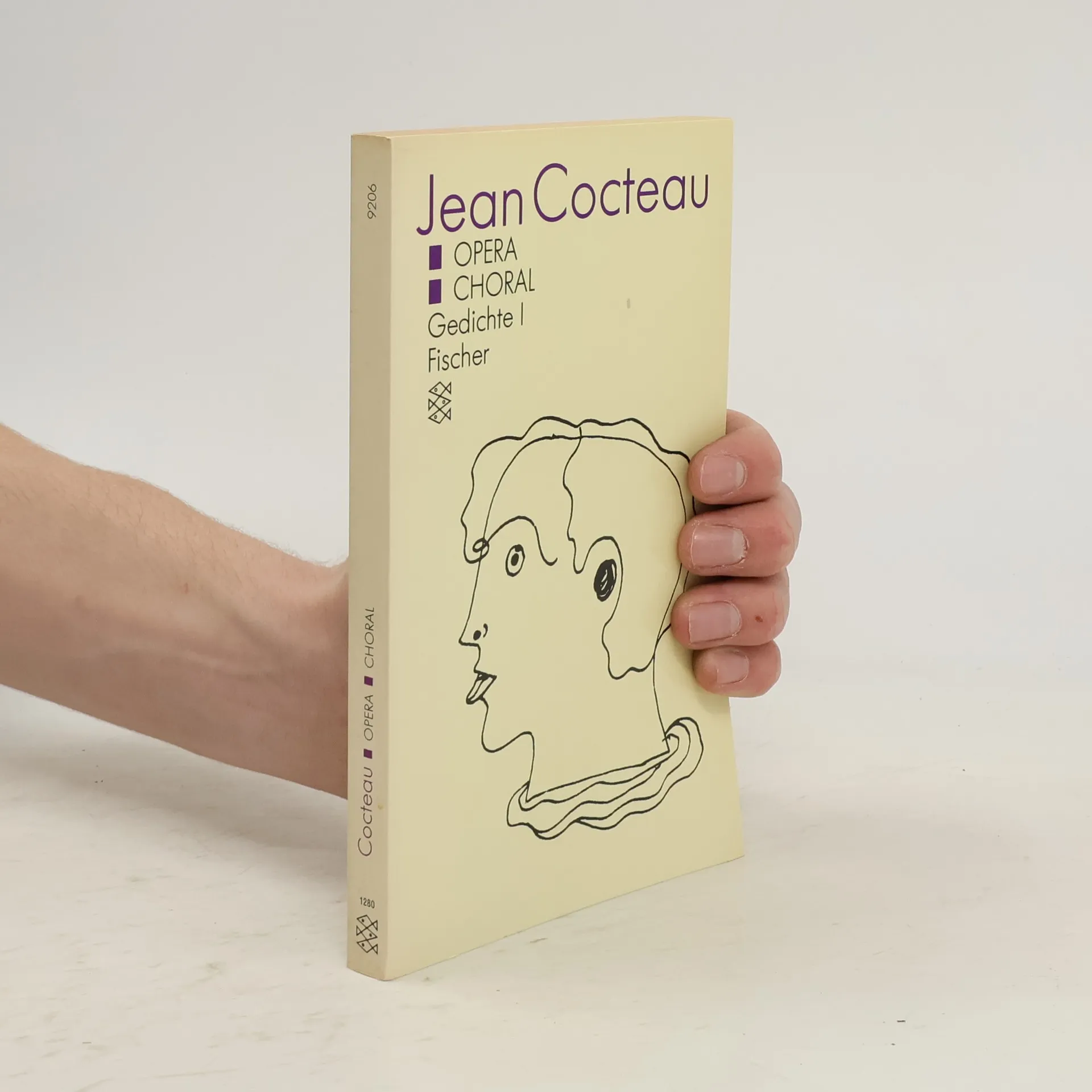
Opera. Choral. Gedichte I
- 234 Seiten
- 9 Lesestunden
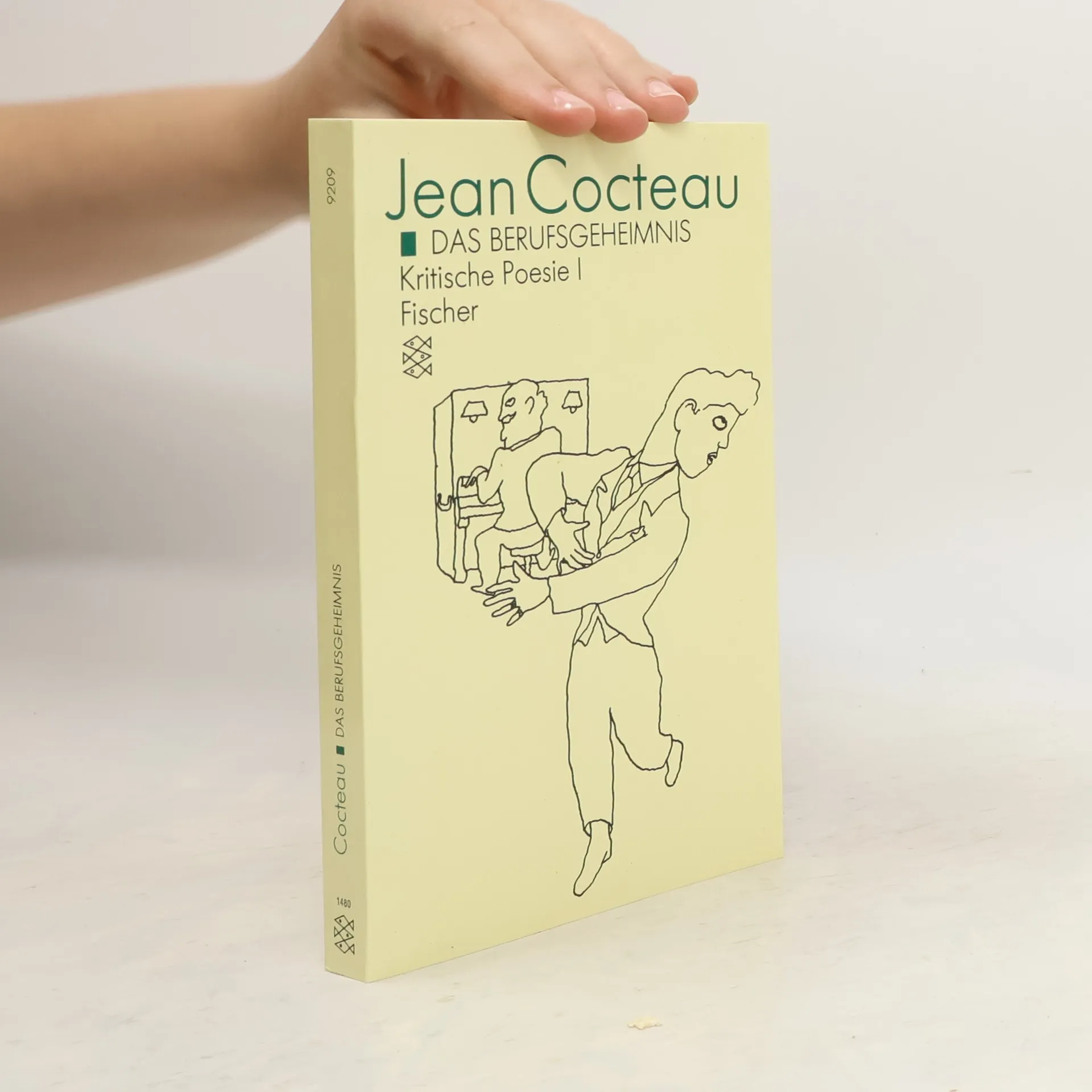
Das Berufsgeheimnis. Kritische Poesie I
- 284 Seiten
- 10 Lesestunden
Werkausgabe
- 328 Seiten
- 12 Lesestunden
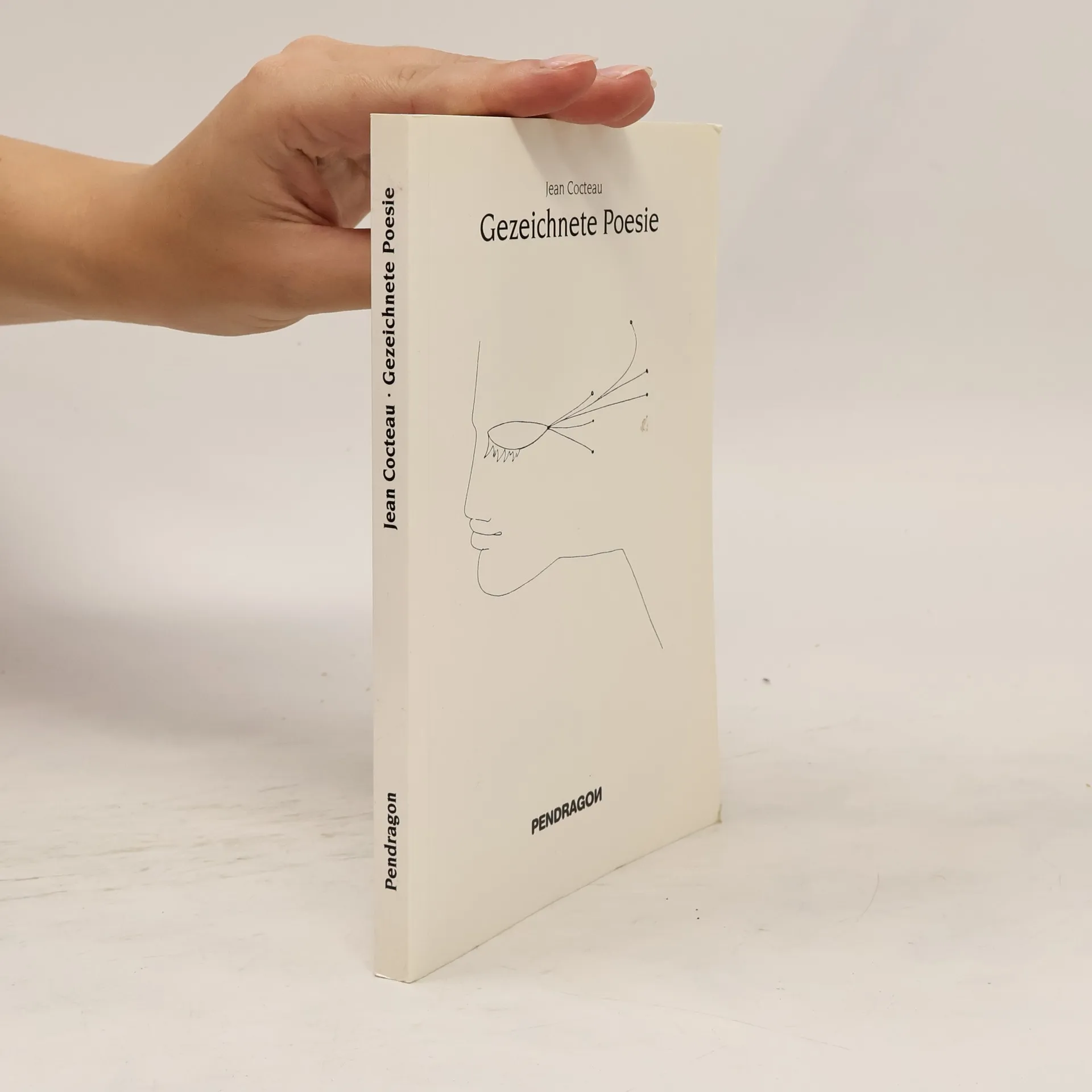
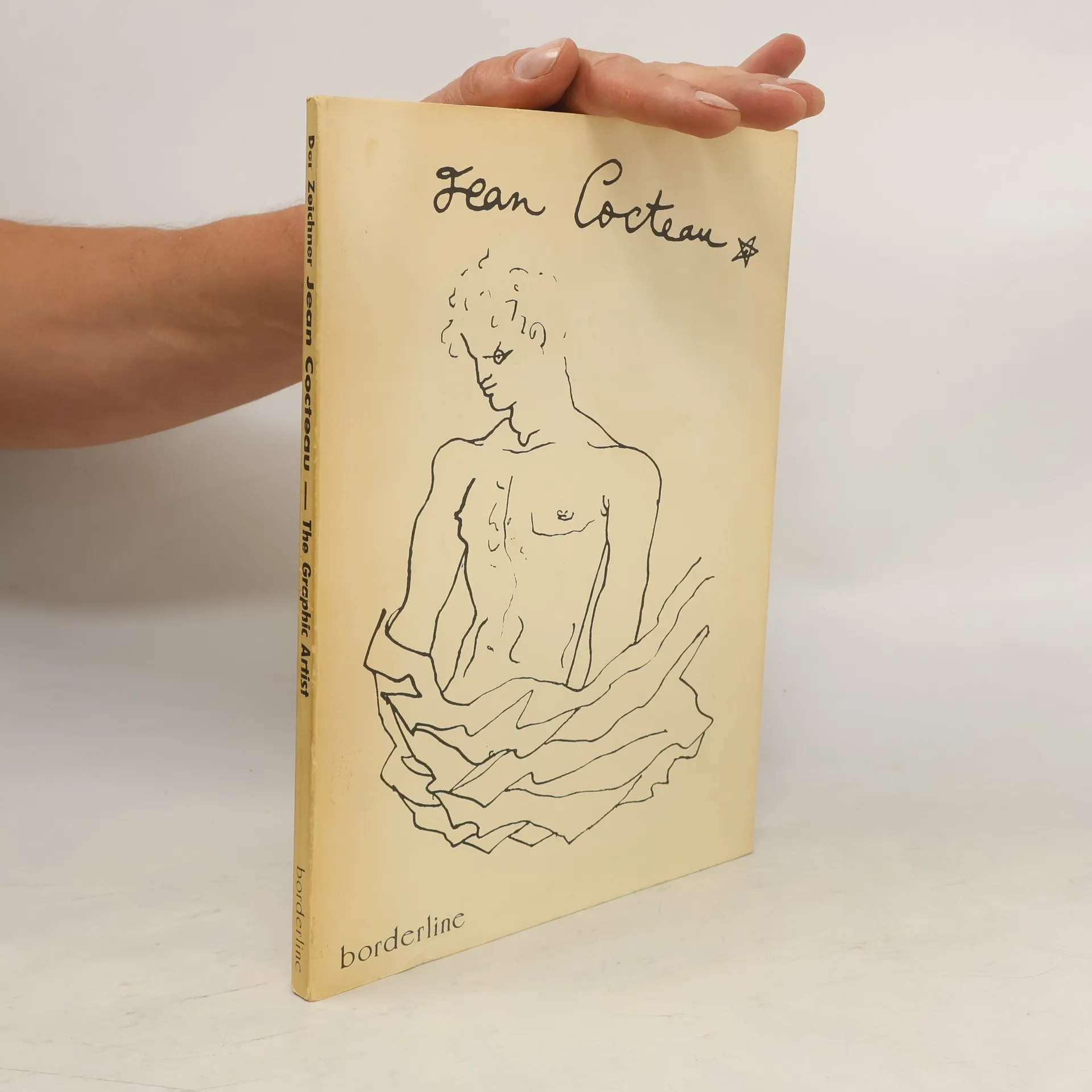
Der Zeichner Jean Cocteau
- 111 Seiten
- 4 Lesestunden
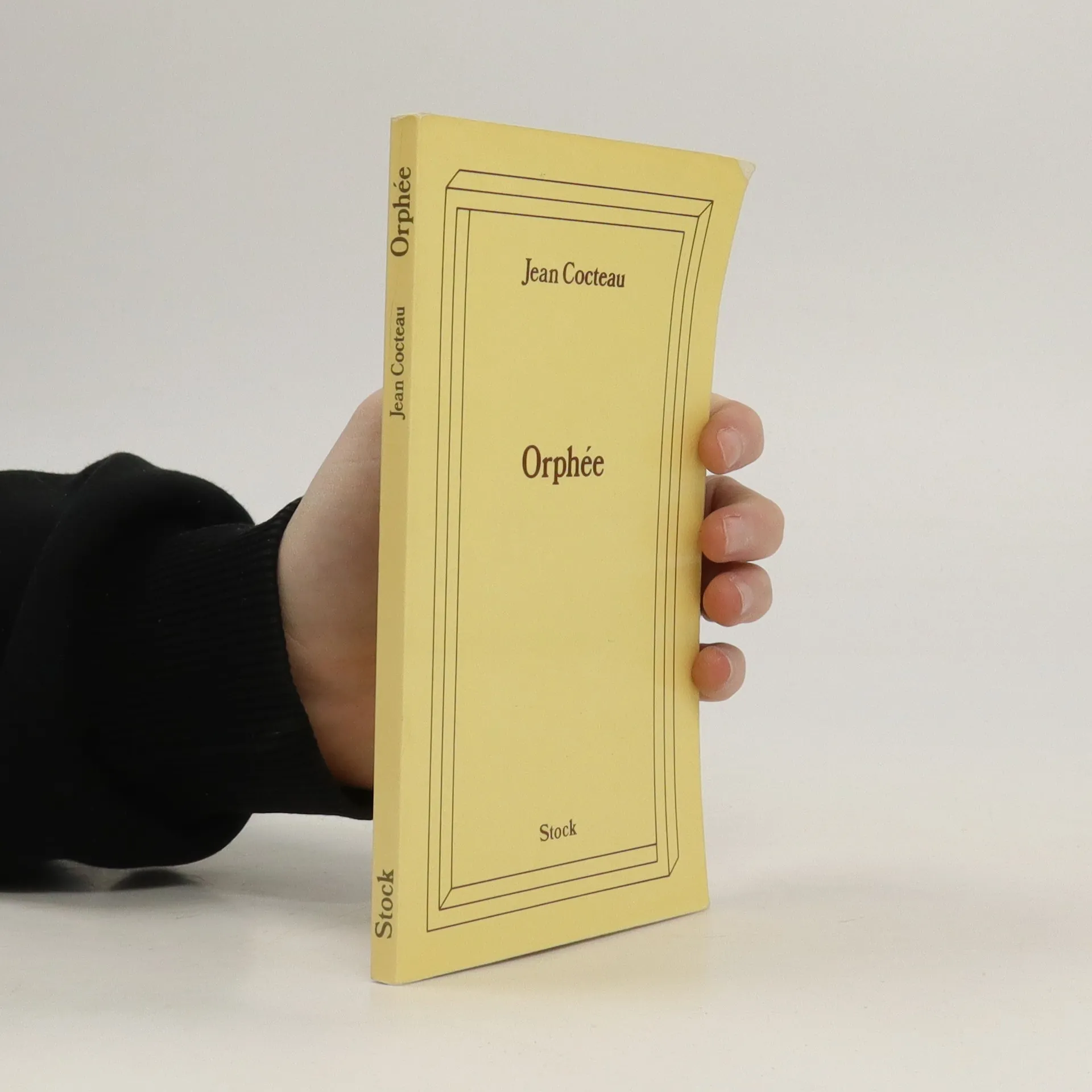
Orphée
- 124 Seiten
- 5 Lesestunden
Le mythe d'Orphee, revisite par Jean Cocteau, prend un tour pour le moins leger et fantaisiste: loin du drame antique, la piece de Cocteau joue sur l'anachronisme, le spectaculaire et l'insolite grace a d'extraordinaires effets sceniques et a de savoureux dialogues. Cette piece, d'une etonnante originalite, a ete creee au Theatre des Arts a Paris le 17 juin 1926."
Cocteau, the renowned French poet, filmmaker and painter recalls his childhood in lyrical fashion. Includes humorous sketches of personalities like Isadora Duncan, Picasso, Marlena Dietrich and Greta Garbo.
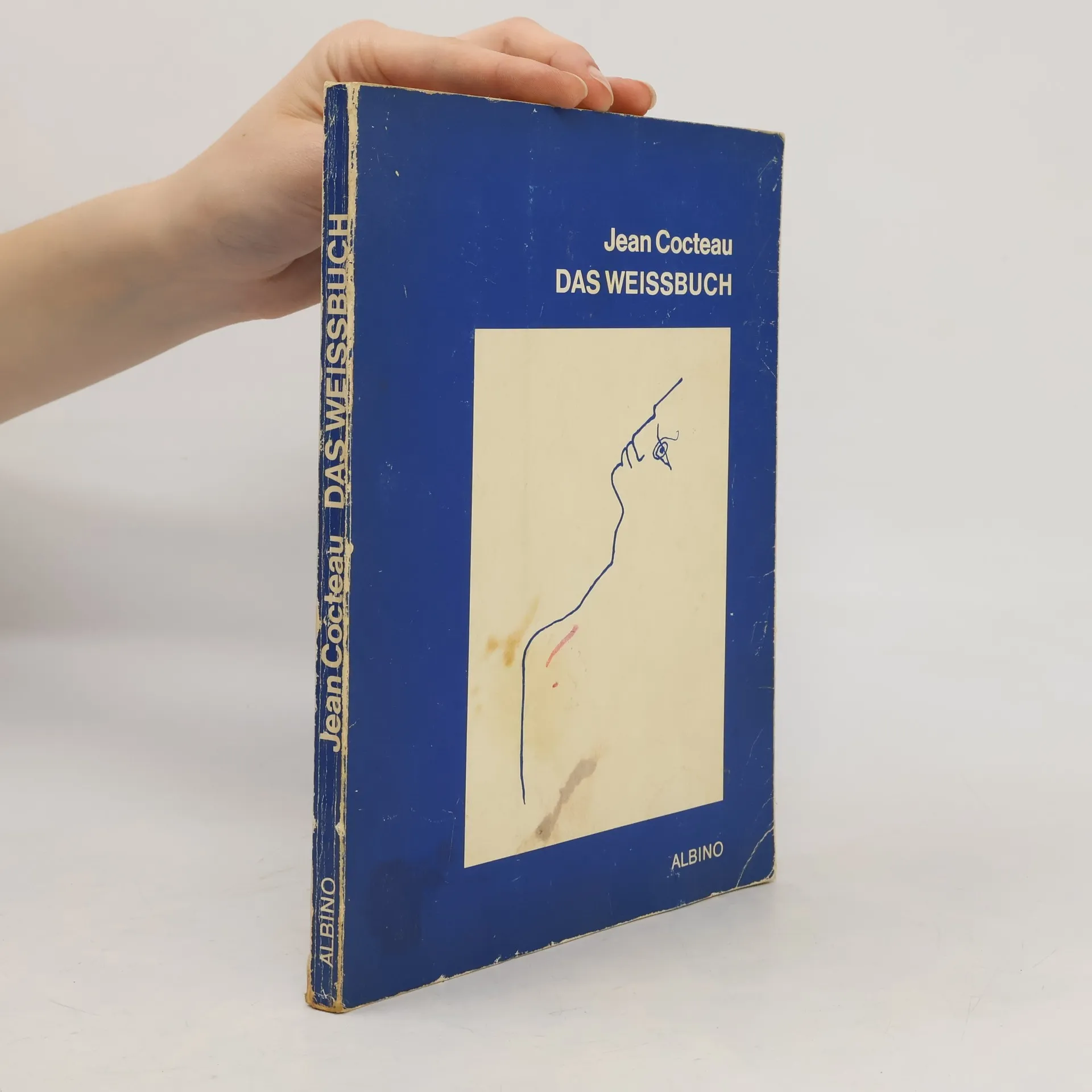
Das Weissbuch
- 72 Seiten
- 3 Lesestunden
Le Livre Blanc, ein „Weißbuch“ über die homosexuelle Liebe, beschreibt die Liebesaffären eines Jugendlichen mit einer Reihe von Jungen und Männern während der 1900er Jahre.
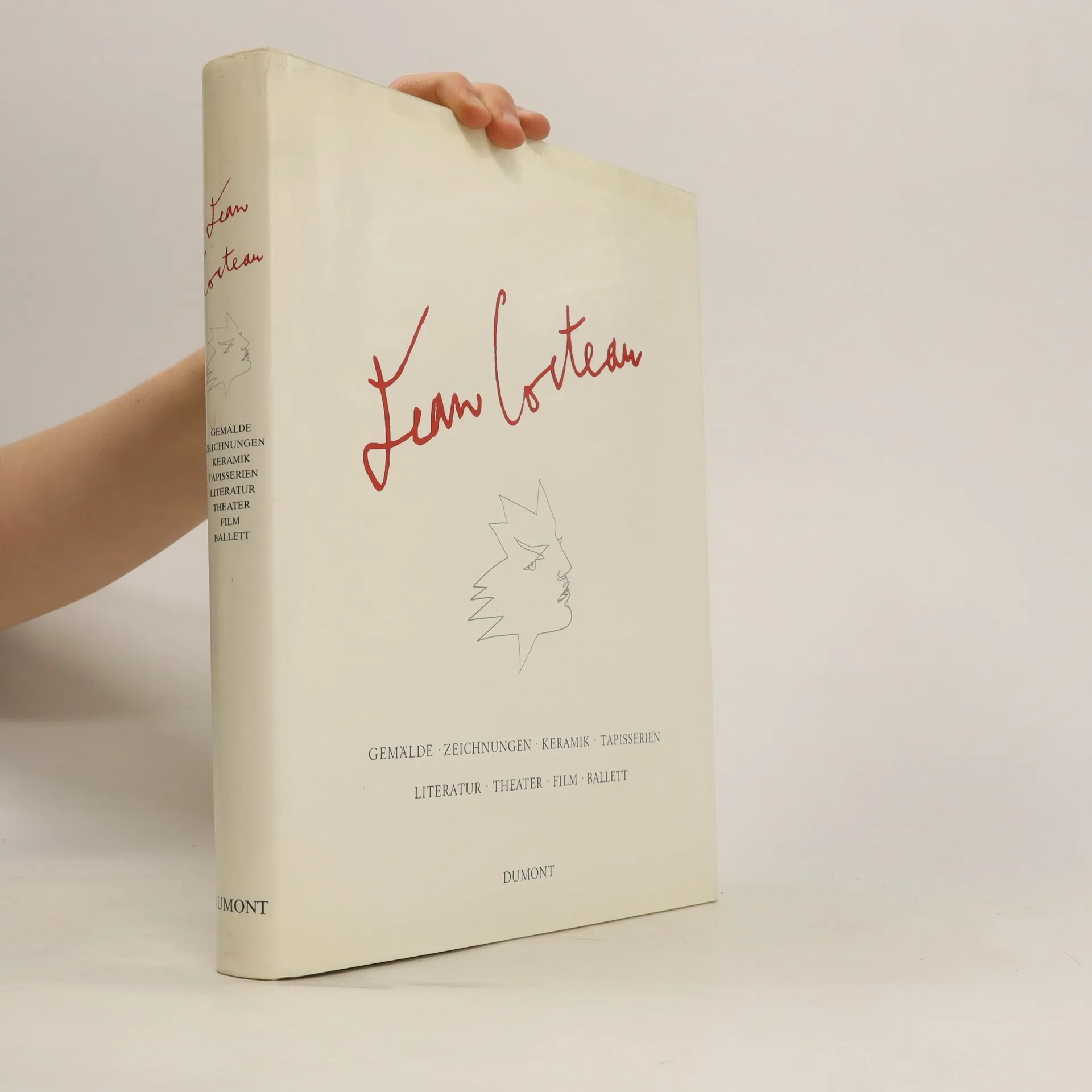
Jean Cocteau
- 418 Seiten
- 15 Lesestunden
Herausgegeben Von Jochen Poetter Unter Mitarbeit Von Dirk Teuber ; Gastkuratorin, Geneviève Albrechtskirchinger ; [Übersetzungen, Karin Hirschmann ... Et Al.]. Published In Conjunction With An Exhibition Held At The Staatliche Kunsthalle Baden-baden From May 5 To July 30, 1989. Filmography: P. 384-398. Includes Bibliographical References (p. 399-411).
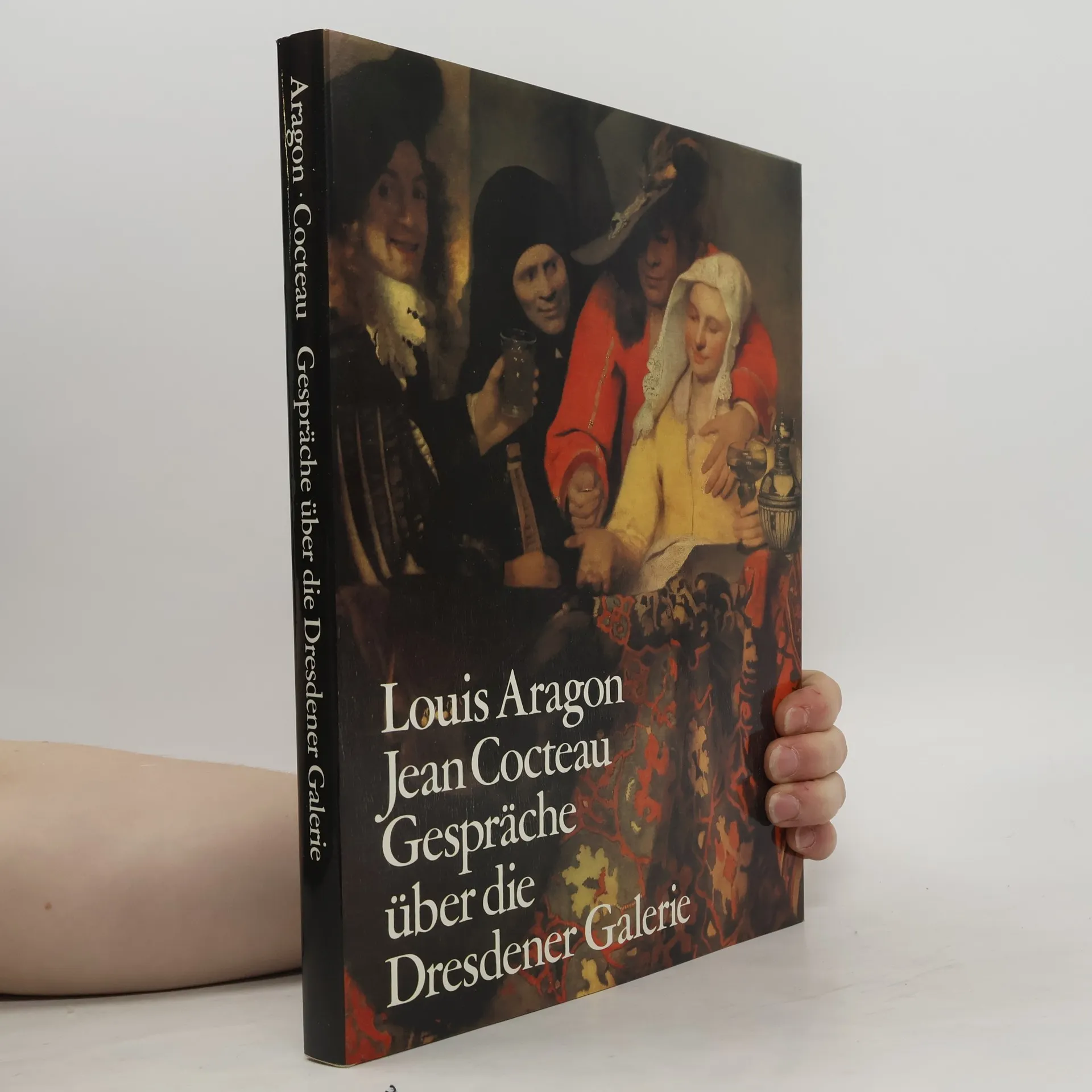
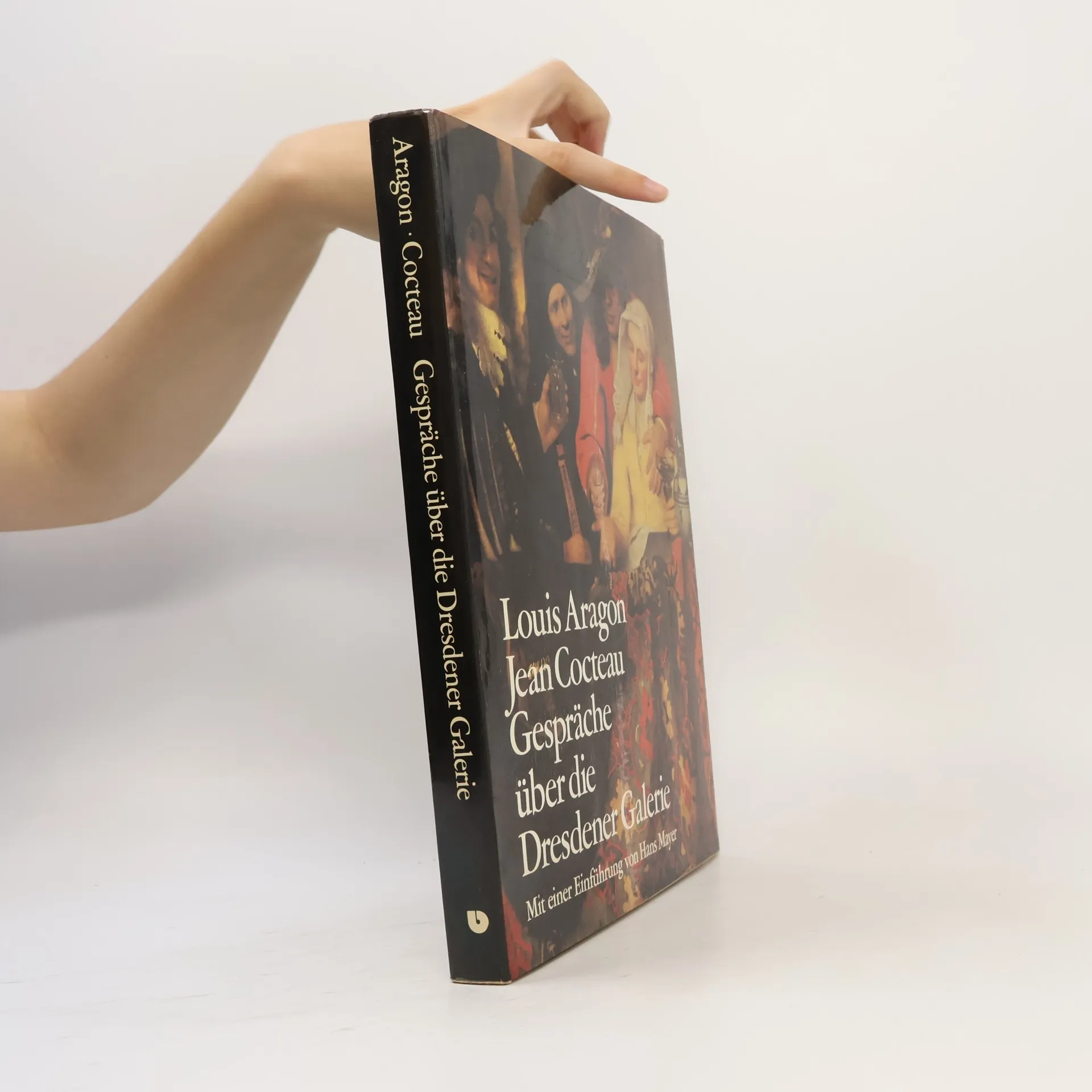
Gespräche über die Dresdener Galerie
- 172 Seiten
- 7 Lesestunden
Libro usado en buenas condiciones, por su antiguedad podria contener señales normales de uso
Colette
- 107 Seiten
- 4 Lesestunden
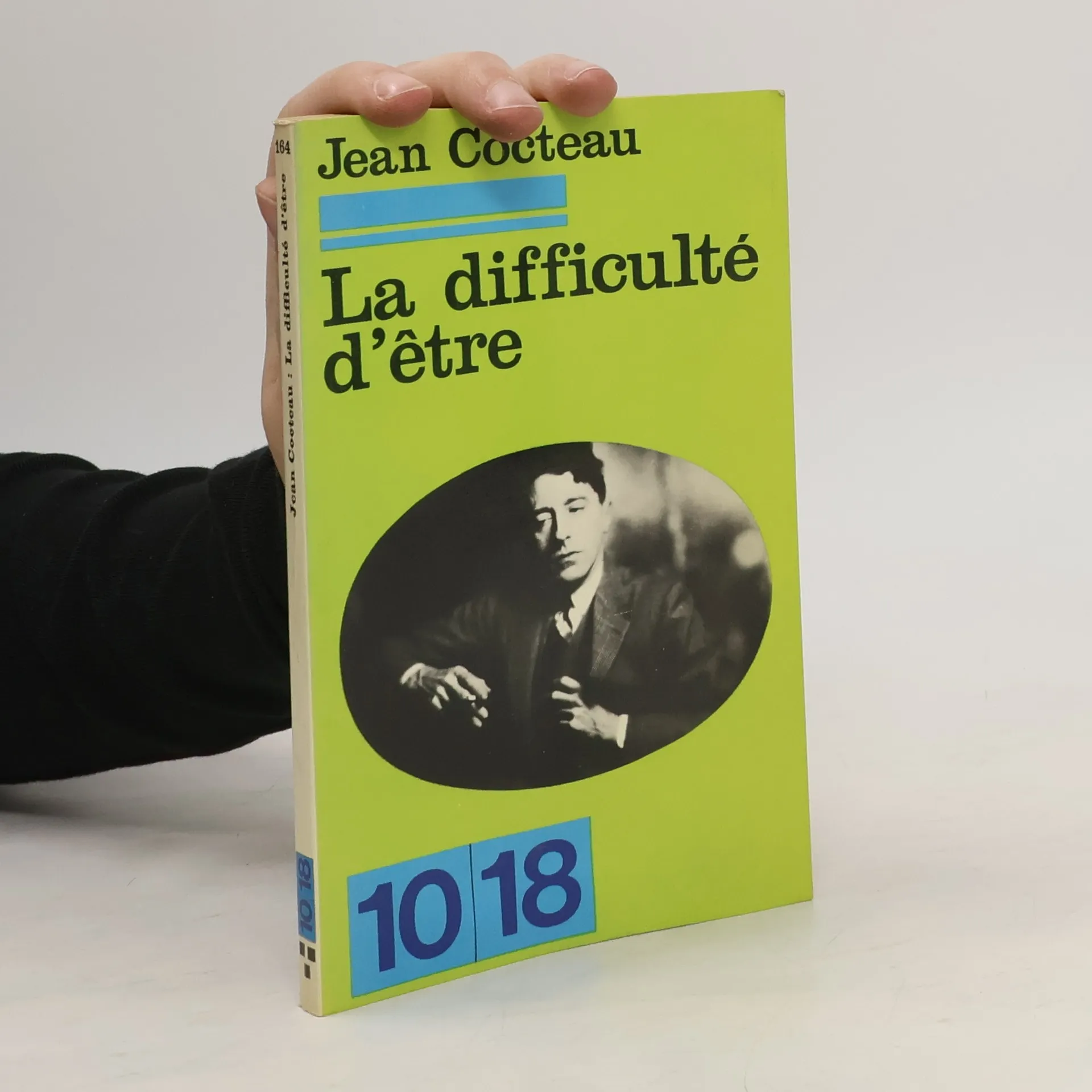
La difficulté d'etre
- 180 Seiten
- 7 Lesestunden
Cocteau le fabuliste, l’esthète, le moraliste. Un ludion, toujours partout et nulle part, insaisissable, virevoltant joyeusement dans tous les styles et tous les genres. Avec La Difficulté d’être se découvre un homme qui, mieux que beaucoup de ses contemporains, a éprouvé le sens du tragique. Confessions, anecdotes, réflexions sur les choses de la vie ordinaire, confidences sur l’époque, témoignages : autant de tableaux superbes qui composent les variations, à la fois graves et légères, d’une âme vagabonde. Je n’attache aucune importance à ce que les gens appellent le style et à quoi ils se flattent de reconnaître un auteur. Je veux qu’on me reconnaisse à mes idées ou, mieux, à ma démarche. Je ne cherche qu’à me faire entendre le plus brièvement possible. J’ai remarqué, lorsqu’une histoire n’accroche pas l’esprit, qu’il avait tendance à lire trop vite, à savonner sa pente. C’est pourquoi, dans ce livre, je contourne mon écriture, ce qui oblige à ne pas glisser en ligne droite, à s’y reprendre à deux fois, à relire les phrases pour ne pas perdre le fil. Jean Cocteau.
Výbor z poezie významného francouzského básníka.
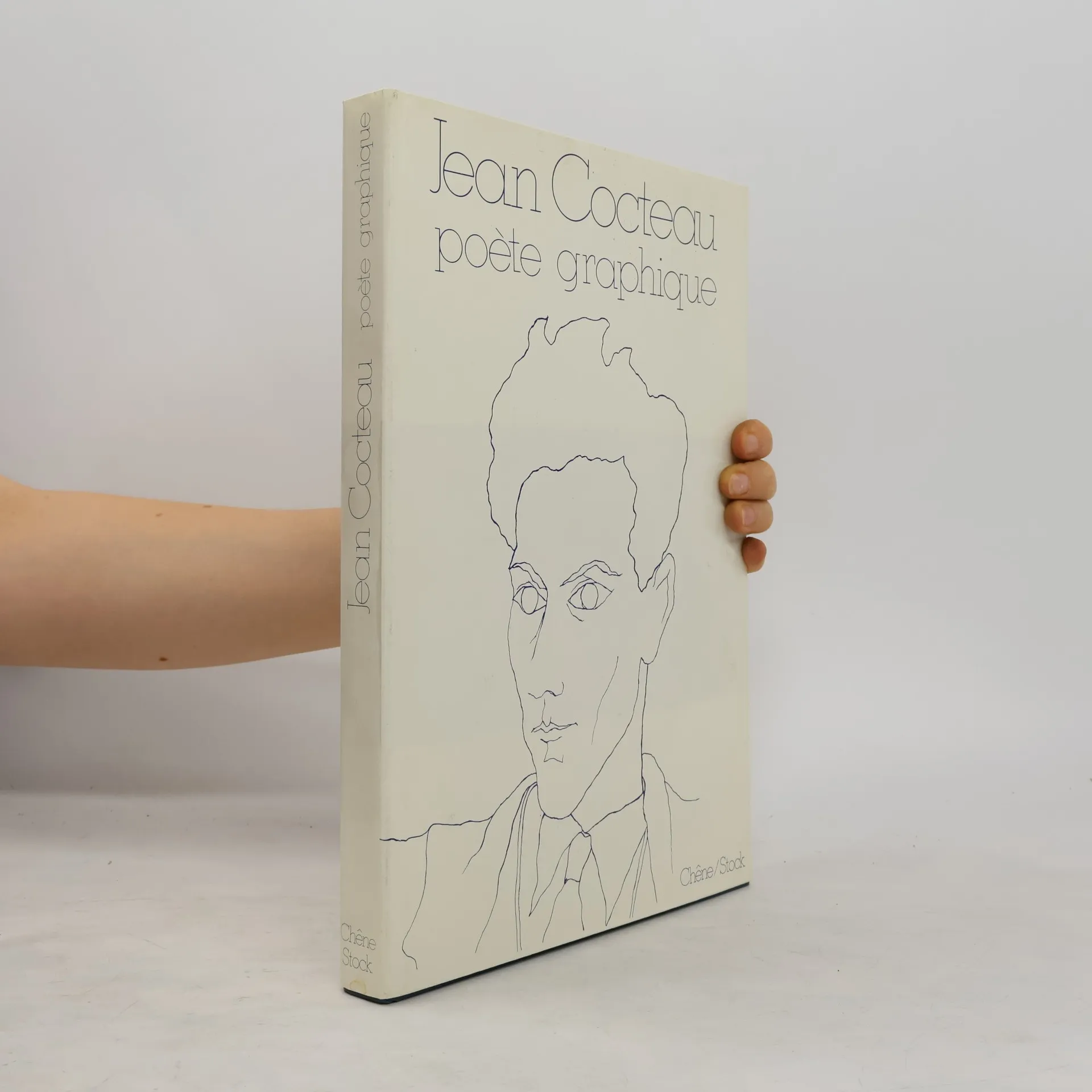
Jean Cocteau, poète graphique
- 213 Seiten
- 8 Lesestunden
French
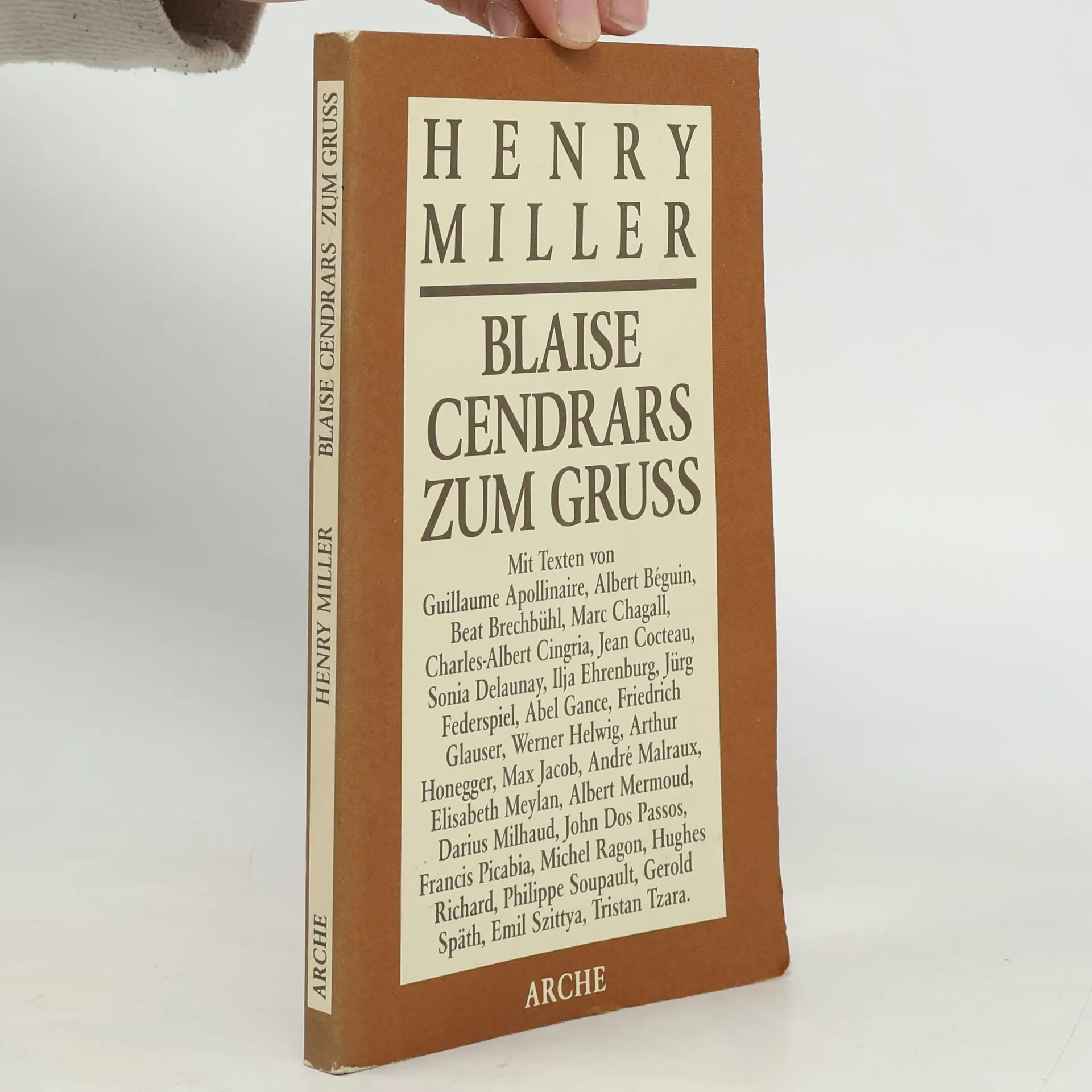
Blaise Cendrars zum Gruss
- 120 Seiten
- 5 Lesestunden
German
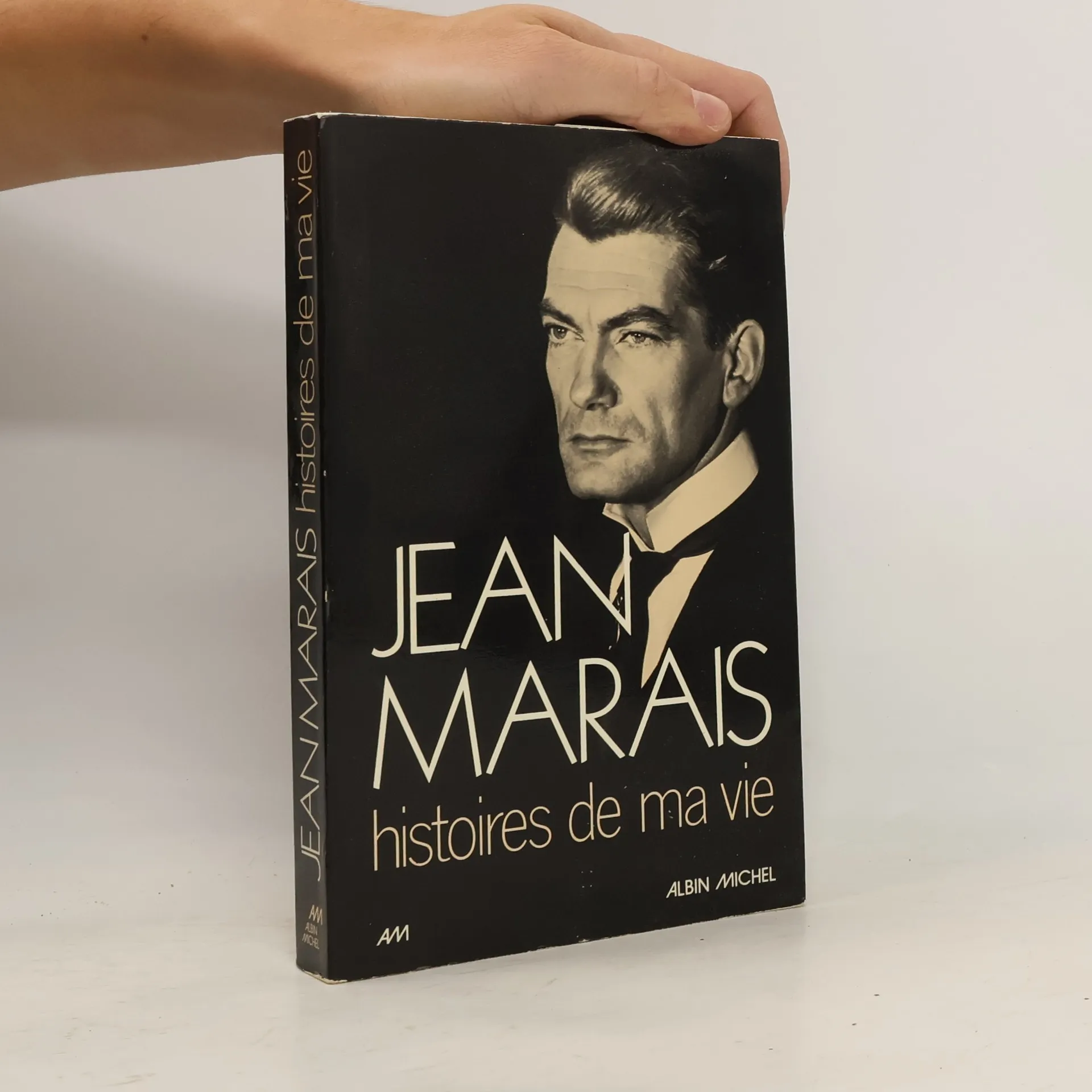
Histoires de ma vie
- 344 Seiten
- 13 Lesestunden
Dans la vie de Jean Marais, Cocteau, bien sûr, occupe une place à part ; son génie a révélé le comédien, son coeur a donné au jeune homme l'amour dont il avait besoin. Hymne de reconnaissance, d'admiration et d'amitié envers le grand poète disparu dont les poèmes inédits et les lettres émaillent ces pages, ces Histoires de ma vie racontent aussi, à travers anecdotes et portraits - dont celui de sa mère, véritable héroïne de roman-, l'enfance pittoresque et tumultueuse, la passion du théâtre, et puis les succès, et les brillantes étapes d'une carrière exceptionnelle. Derrière l'acteur célèbre, derrière l'artiste de talent auquel l'adulation dont il a été l'objet n'a jamais tourné la tête, ce livre d'une grande sincérité et d'une étonnante modestie, nous fait découvrir l'homme de coeur.
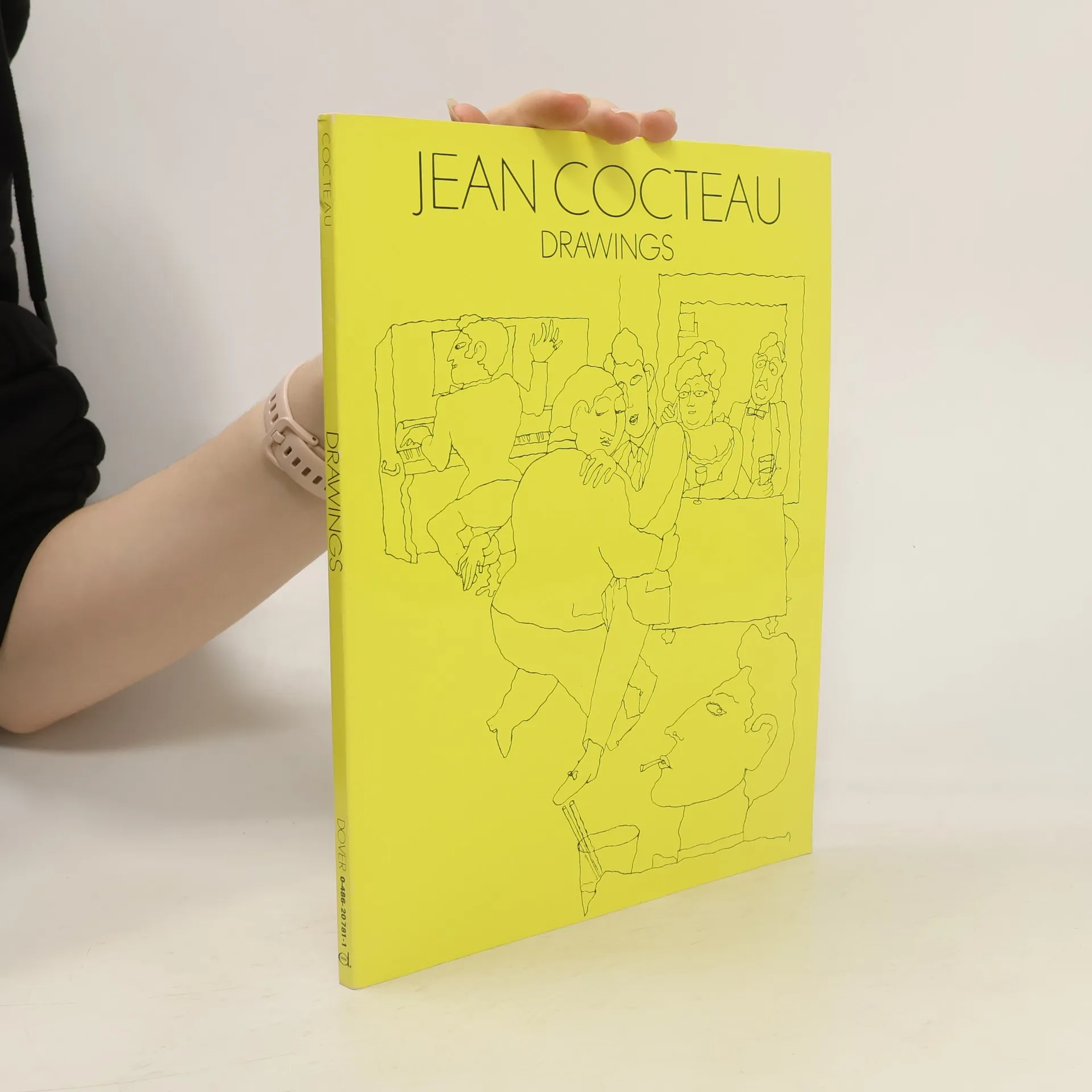
Drawings; 129 Drawings from "Dessins."
- 129 Seiten
- 5 Lesestunden
Portraits, scenes, literary figures, etc., all rendered with grace and wit. 129 drawings.
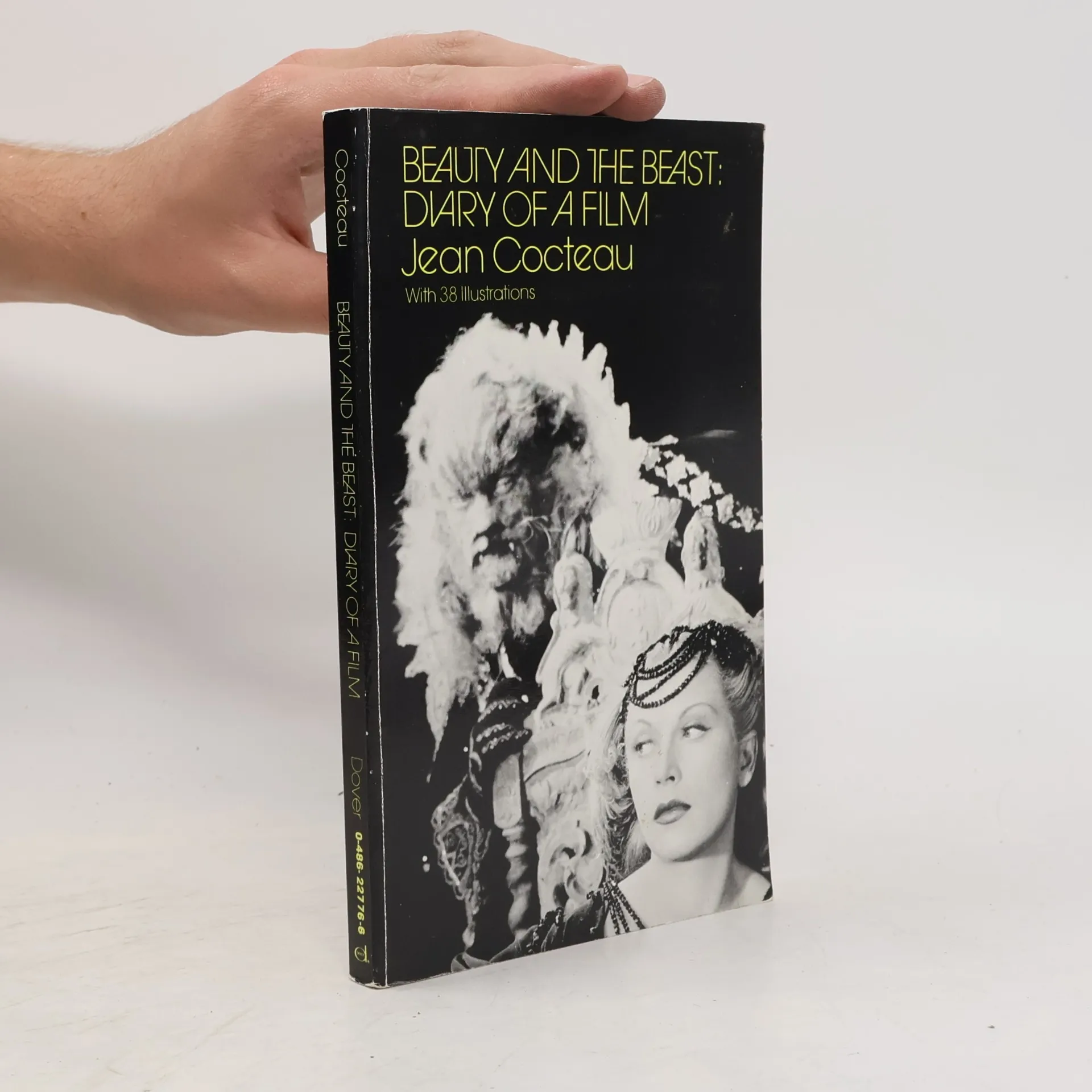
Personalities of actors, technical problems and their surmounting, daily events, much more. 38 photographs.
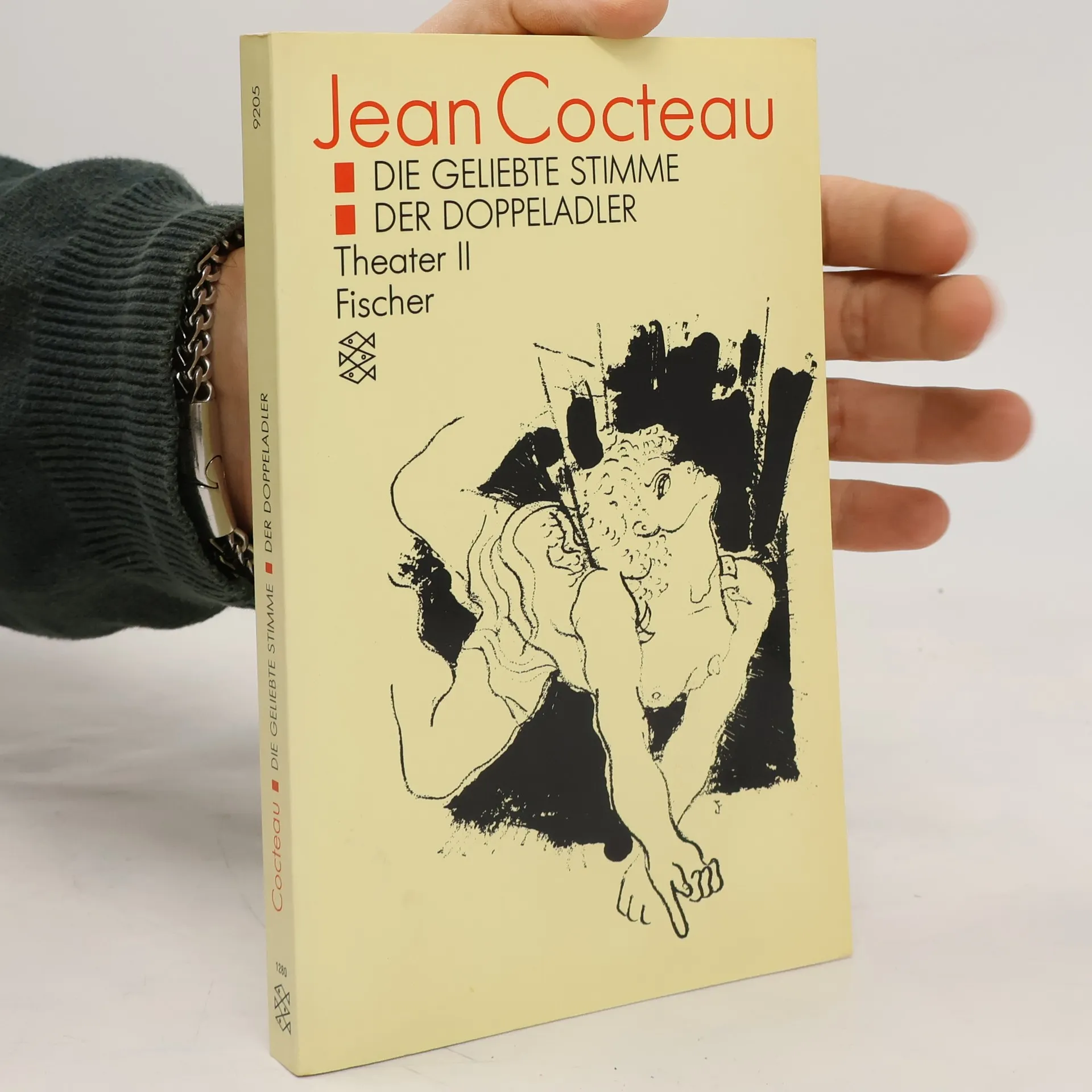
Empruntant son sujet aux tragiques mystères des maisons d'Autriche et de Bavière, Cocteau met face à face une reine, veuve, vierge et déjà virtuellement morte, et son assassin, un jeune poète anarchiste venu pour la tuer, et qui est pour elle la mort qu'elle attend. Leur destin est donc scellé d'avance. Mais il se trouve que l'assassin est le sosie du roi tant aimé, et il ne veut tuer la reine que parce qu'il l'a de loin depuis toujours aimée...
Die Schwierigkeit, zu sein
- 256 Seiten
- 9 Lesestunden