
Gratis Versand ab € 14,99. Mehr Infos.
Bookbot

Susan Dworkin

    Susan Dworkin ist eine Autorin, die für jeden schreibt und verschiedene Genres mit fesselnden Erzählungen behandelt. Ihre Arbeit umfasst historische Dramen, wie die Co-Autorschaft des Bestsellers THE NAZI OFFICER'S WIFE, der Themen wie Liebe, Terror und Mut in Hitlers Deutschland erforscht. Sie widmet sich auch der Science-Fiction, wie ihr Roman THE COMMONS zeigt, der in einer Zukunft spielt, in der die Menschheit gegen den Hunger kämpft. Dworkins scharfer Einblick in die Filmwelt zeigt sich in MAKING TOOTSIE, einem intimen Einblick in die Entstehung einer klassischen Komödie.

    Susan Dworkin
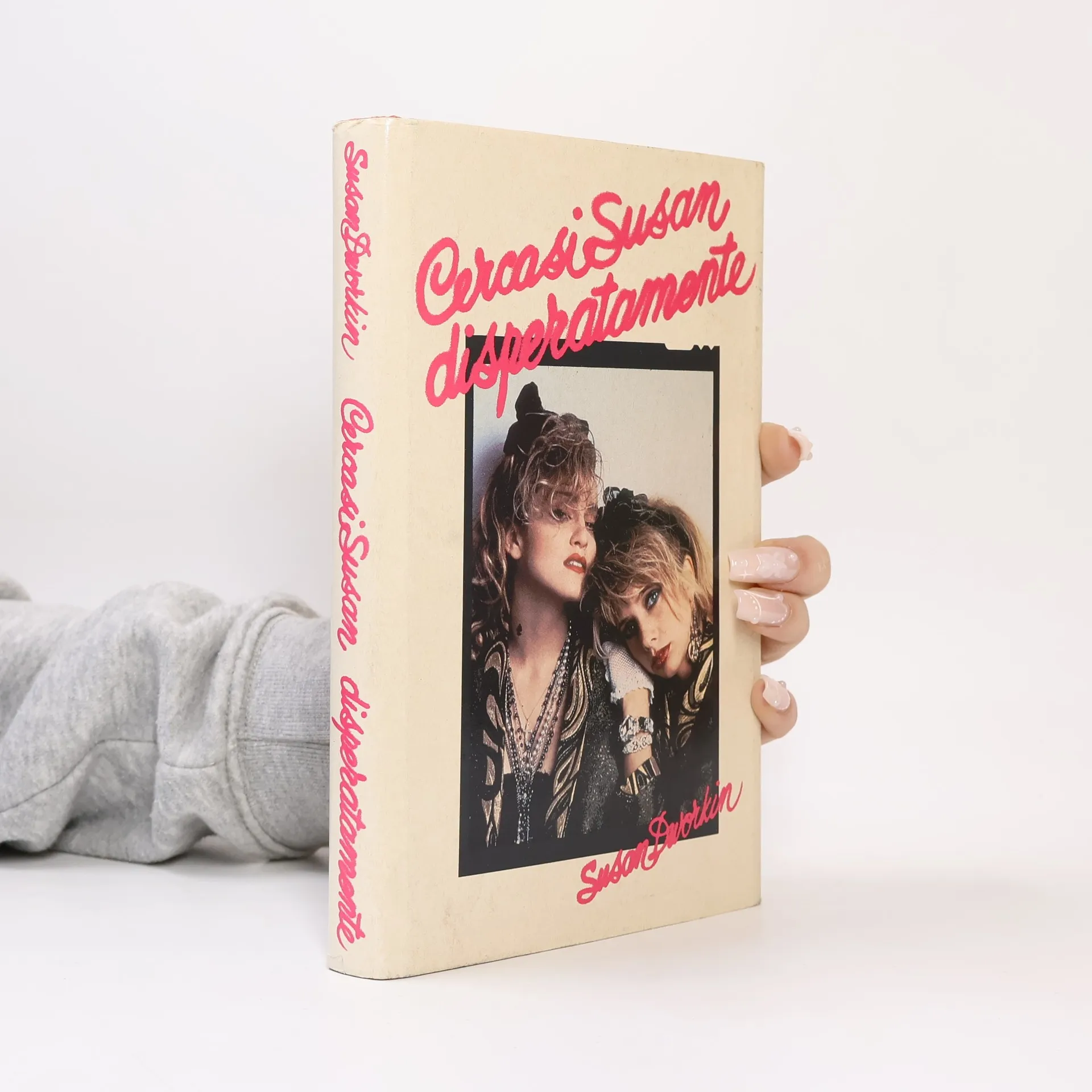
    Cercasi Susan disperatamente
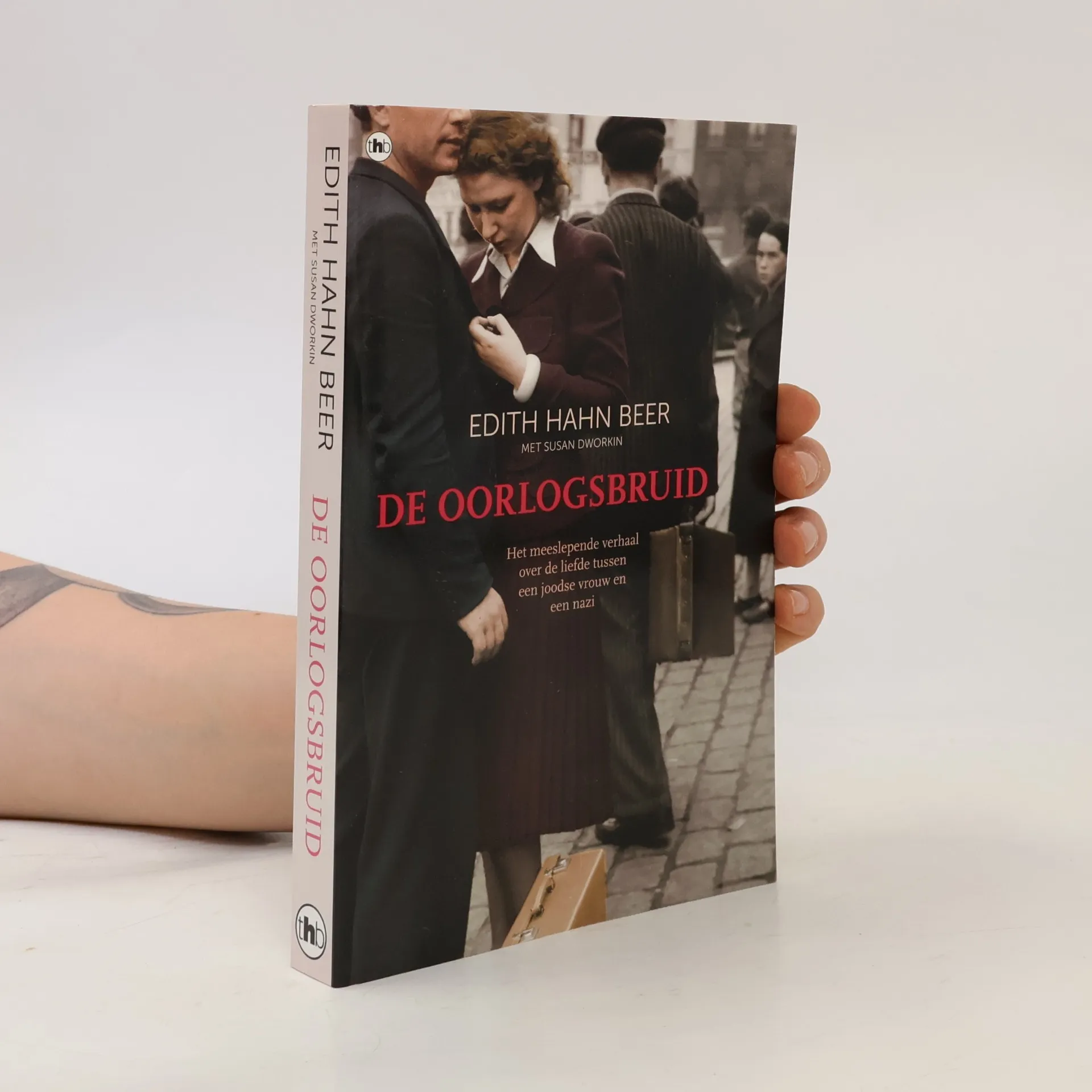
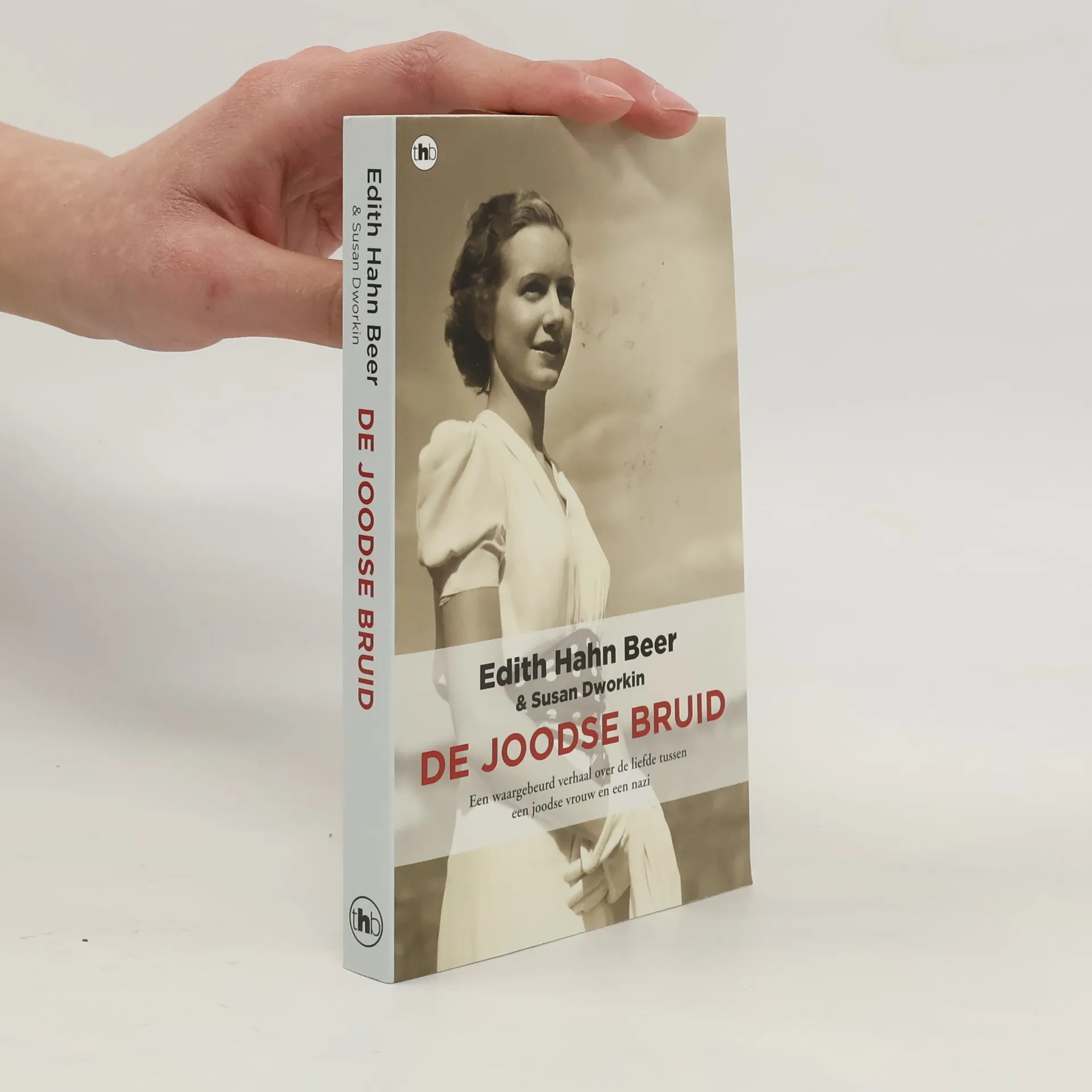
    The Nazi Officer's Wife
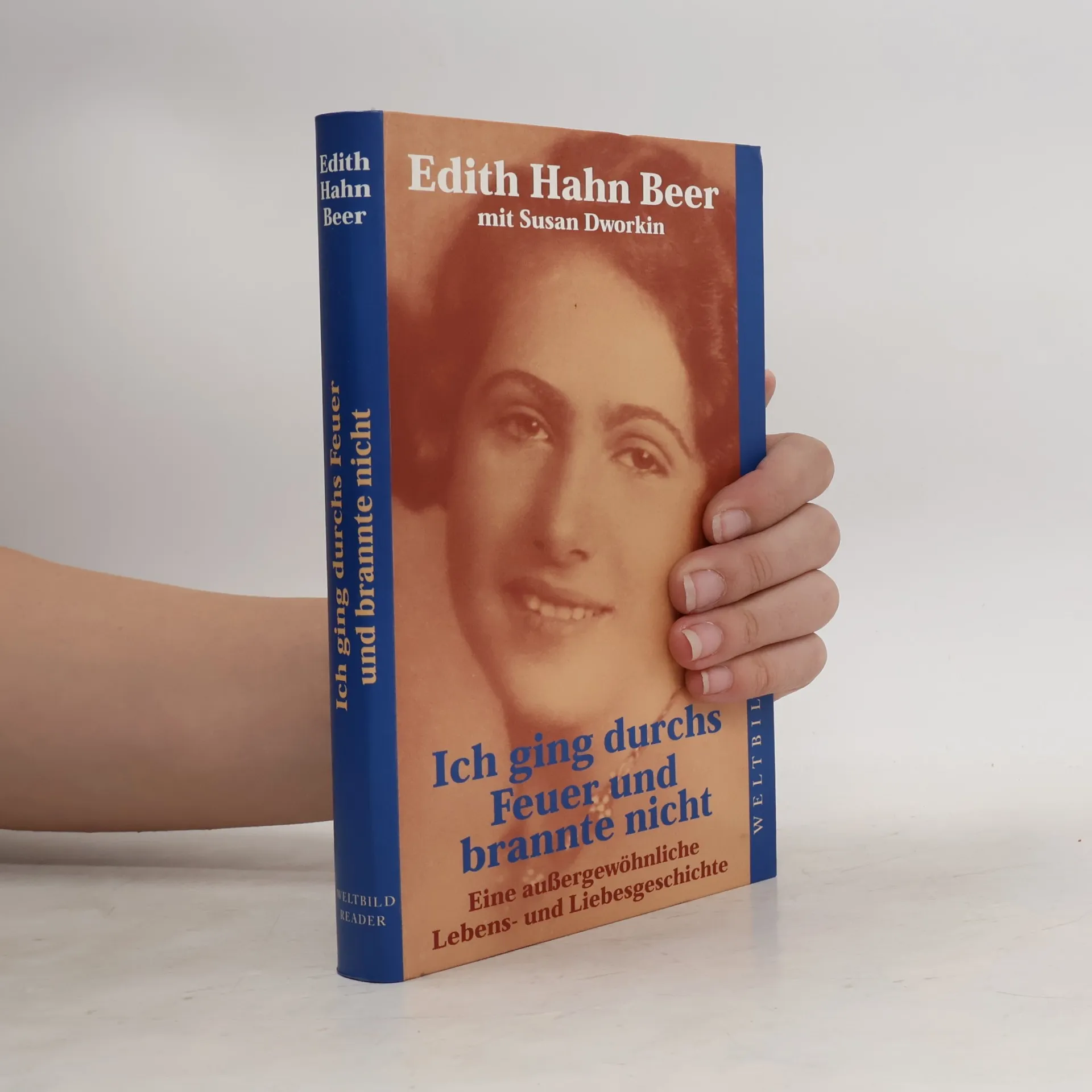
    Ich ging durchs Feuer und brannte nicht
    • Eine Liebesgeschichte vor dem Hintergrund einer Zeit, in der die Menschen sich - mit tödlicher Konsequenz - entscheiden mussten: für Liebe oder Verrat, Freundschaft oder Feigheit, Hilfsbereitschaft oder Gleichgültigkeit. Edith Hahn Beers Lebensgeschichte lässt uns einmal mehr verstehen, was Leben 1933-1945 in Deutschland bedeutete.

      Ich ging durchs Feuer und brannte nicht
      4,3
    • The Nazi Officer's Wife

      How One Jewish Woman Survived the Holocaust

      • 305 Seiten
      • 11 Lesestunden

      <i>Edith Hahn</i> was an outspoken young woman studying law in Vienna when the Gestapo forced Edith and her mother into a ghetto, issuing them papers branded with a "J." Soon, Edith was taken away to a labor camp, and though she convinced Nazi officials to spare her mother, when she returned home, her mother had been deported. Knowing she would become a hunted woman, Edith tore the yellow star from her clothing and went underground, scavenging for food and searching each night for a safe place to sleep. Her boyfriend, Pepi, proved too terrified to help her, but a Christian friend was not: With the woman's identity papers in hand, Edith fled to Munich. There she met Werner Vetter, a Nazi party member who fell in love with her. And despite her protests and even her eventual confession that she was Jewish, he married her and kept her identity secret. In vivid, wrenching detail, Edith recalls a life of constant, almost paralyzing fear. She tells of German officials who casually questioned the lineage of her parents; of how, when giving birth to her daughter, she refused all painkillers, afraid that in an altered state of mind she might reveal her past; and of how, after her husband was captured by the Russians and sent to Siberia, Edith was bombed out of her house and had to hide in a closet with her daughter while drunken Russians soldiers raped women on the street. Yet despite the risk it posed to her life, <i>Edith Hahn</i> created a remarkable collective record of survival: She saved every set of real and falsified papers, letters she received from her lost love, Pepi, and photographs she managed to take inside labor camps. On exhibit at the Holocaust Museum in Washington, D.C., these hundreds of documents form the fabric of an epic story - complex, troubling, and ultimately triumphant.

      The Nazi Officer's Wife