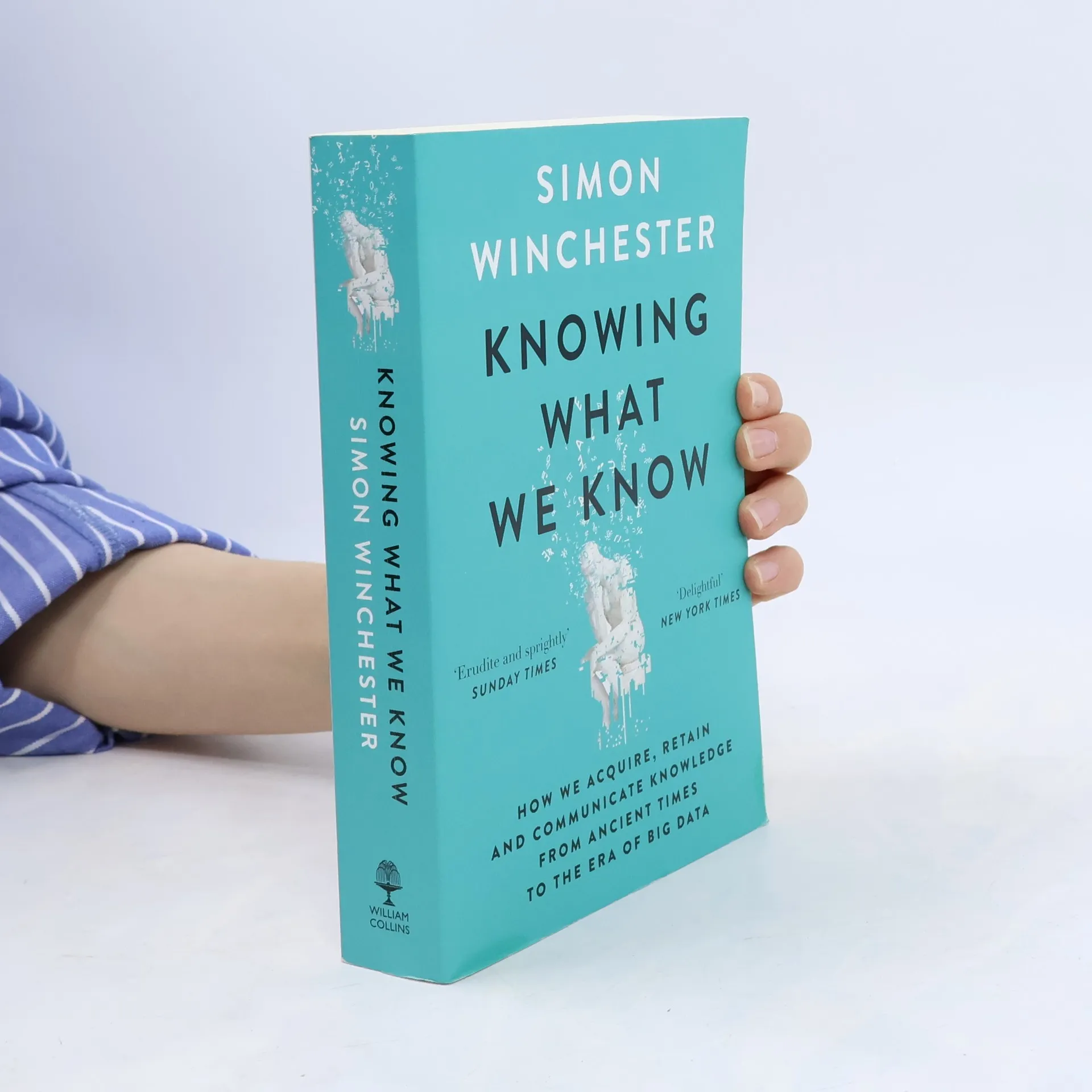
This delightful compendium presents an engaging exploration of how humans acquire, retain, and share knowledge, from the first encyclopedia to the age of Wikipedia. Award-winning writer Simon Winchester infuses the narrative with an ebullient spirit, examining the impact of technology on our understanding and retention of information. In a world where knowledge is instantly accessible via smartphones, he raises critical questions about the implications of this convenience. Are we diminishing our capacity for thought by relying on technology? As we abandon traditional skills like math and map reading, could we risk becoming incapable of deep thinking? Winchester delves into various fields, including education, journalism, and museum curation, tracing the evolution of knowledge diffusion from ancient Babylonian cuneiform to modern artificial intelligence. He highlights significant milestones, such as Gutenberg's printing press and the Victorian Mundaneum, a vast collection of human knowledge stored in Belgium. Through this exploration, he prompts us to reflect on the value of knowledge and the importance of wisdom. What happens when information overload leads to a lack of thoughtful engagement? Does Descartes' assertion, "I think, therefore I am," still resonate in our digital age? Ultimately, the narrative challenges us to consider the future of wisdom in a rapidly changing world.
Simon Winchester Reihenfolge der Bücher (Chronologisch)
Simon Winchester ist ein britischer Schriftsteller und Journalist, dessen umfangreiche Karriere die Berichterstattung über entscheidende historische Ereignisse und die Auseinandersetzung mit tiefgründigen Themen von Linguistik bis Geologie umfasst. Sein Ansatz zeichnet sich durch akribische Recherche und fesselnde Erzählungen aus, die oft faszinierende Geschichten aus den Bereichen Wissenschaft und Geschichte aufdecken. Winchester versteht es, scheinbar unterschiedliche Elemente zu kohärenten und lesbaren Werken zu verweben und macht so komplexe Konzepte und übersehene Persönlichkeiten für die Leser zugänglich. Seine Beiträge werden für ihre Gelehrsamkeit geschätzt, aber vor allem für ihre Fähigkeit, die Vergangenheit lebendig werden zu lassen und zum Nachdenken über die Welt anzuregen.


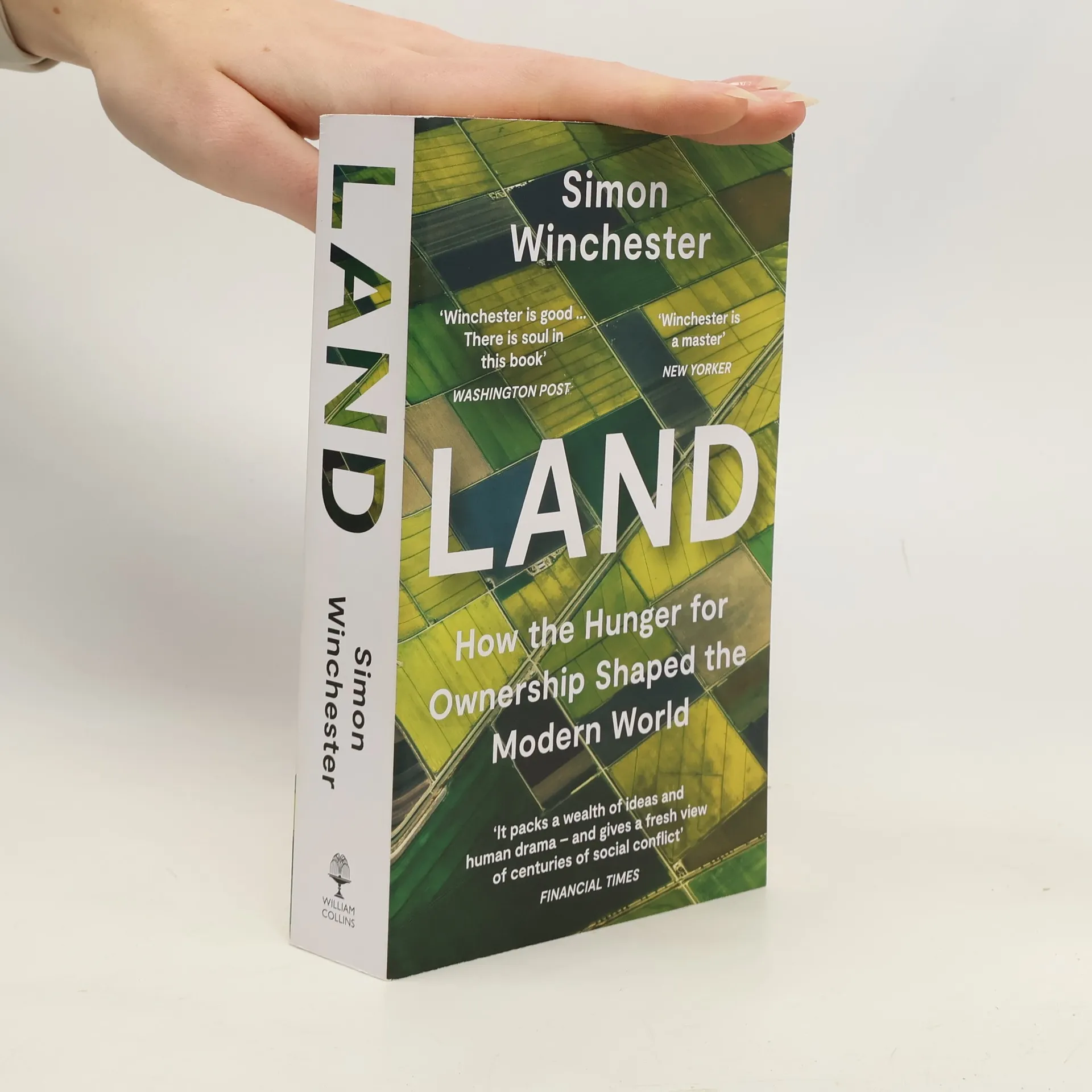
Land : how the hunger for ownership shaped the modern world
- 464 Seiten
- 17 Lesestunden
From the bestselling author Simon Winchester, a human history of land around the world: who mapped it, owned it, stole it, cared for it, fought for it and gave it back.
The revered New York Times bestselling author examines the evolution of technology from the Industrial Age to the Digital Age, focusing on the vital role of precision in advancement. The Industrial Revolution in eighteenth-century England marked the establishment of measurement standards, leading to the creation of machine tools—machines that produce other machines. This emphasis on precision facilitated the mass production of various items, from firearms and glass to lenses and cameras, ultimately paving the way for innovations like gene splicing, microchips, and the Hadron Collider. The narrative takes us back to the origins of the Industrial Age, highlighting key figures such as John Wilkinson, Henry Maudslay, Joseph Bramah, Jesse Ramsden, and Joseph Whitworth, whose contributions were later exported to the United States by Thomas Jefferson, setting the stage for American manufacturing dominance. Winchester then transitions to contemporary advancements across the globe, exploring essential questions about precision: its importance, the tools for measuring it, and the individuals who have refined it. He also contemplates whether the relentless pursuit of precision has overshadowed other values, such as craftsmanship and culture, and whether precision and nature can coexist in society.
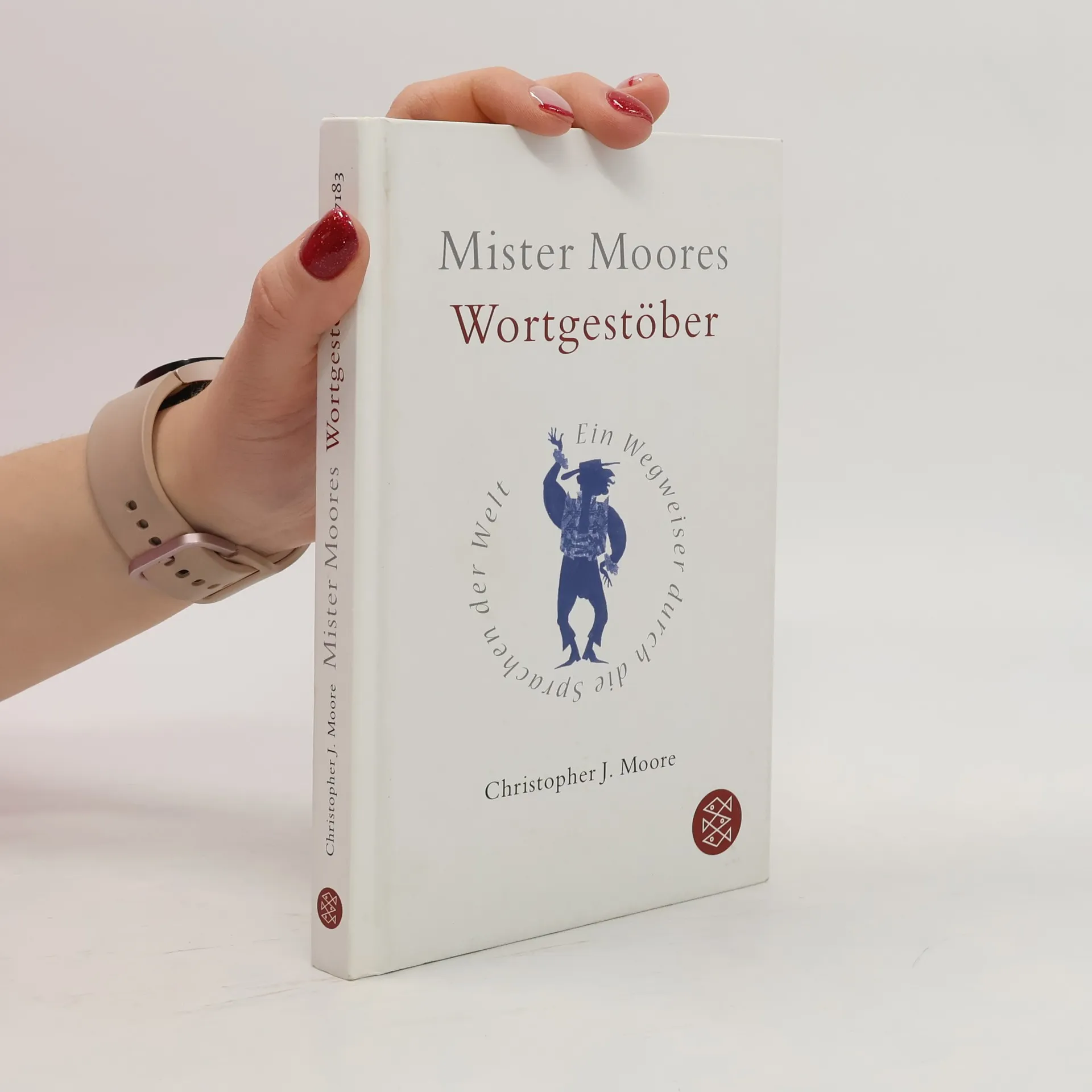
Mister Moores Wortgestöber
- 189 Seiten
- 7 Lesestunden
Sprachliebhabern und anderen Neugierigen öffnet Mister Moore mit seinem Büchlein Fenster in fremde Sprachwelten. Dem studierten Linguisten gelingt es auf unterhaltsame und liebenswürdige (und überhaupt nicht verstaubt akademische) Weise, seine Lust an Sprachen und seinen Sinn für ihre individuellen Merkwürdigkeiten mit seinen Lesern zu teilen.
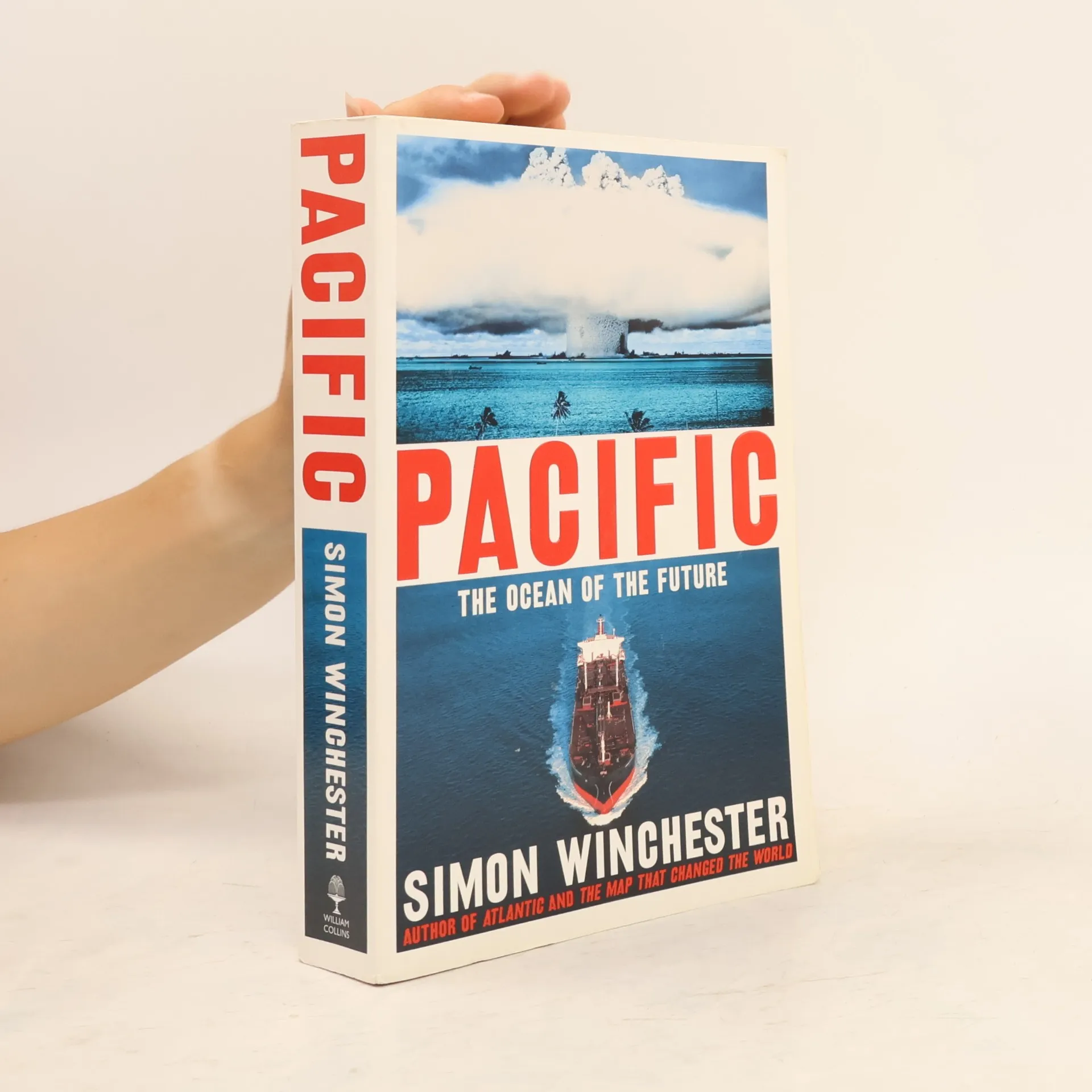
Travelling the circumference of the truly gigantic Pacific, Simon Winchester tells the story of the world's largest body of water, and - in matters economic, political and military - the ocean of the future. The Pacific is a world of tsunamis and Magellan, of the Bounty mutiny and the Boeing Company. It is the stuff of the towering Captain Cook and his wide-ranging network of exploring voyages, Robert Louis Stevenson and Admiral Halsey. It is the place of Paul Gauguin and the explosion of the largest-ever American atomic bomb, on Bikini atoll, in 1951. It has an astonishing recent past, an uncertain present and a hugely important future. The ocean and its peoples are the new lifeblood, fizz and thrill of America - which draws so many of its minds and so much of its manners from the sea - while the inexorable rise of the ancient center of the world, China, is a fixating fascination. The presence of rogue states - North Korea most notoriously today - suggest that the focus of the responsible world is shifting away from the conventional post-war obsessions with Europe and the Middle East, and towards a new set of urgencies. Navigating the newly evolving patterns of commerce and trade, the world's most violent weather and the fascinating histories, problems and potentials of the many Pacific states, Simon Winchester's thrilling journey is a grand depiction of the future ocean.
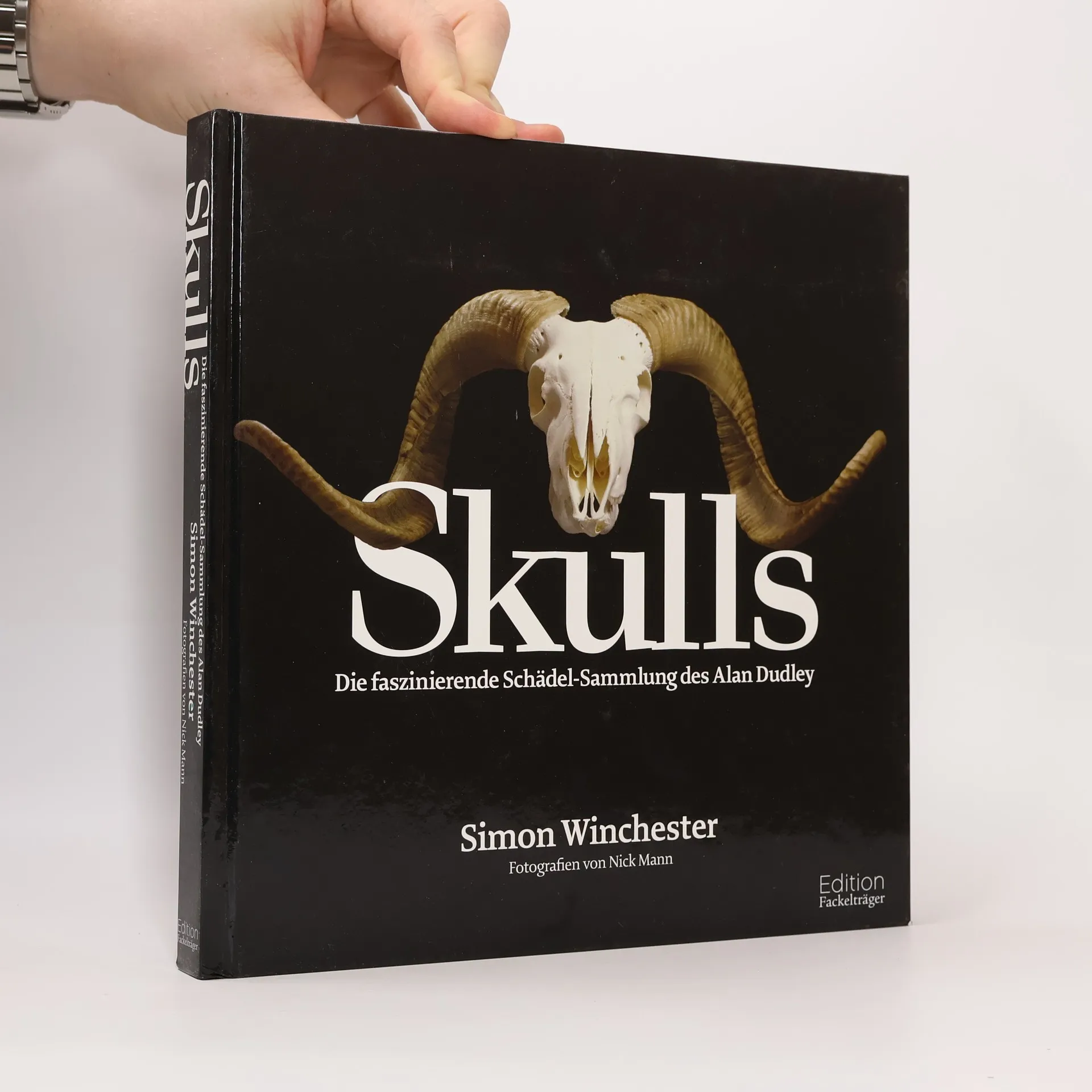
Schwelgen in makabrer Faszination! • Vom Erdferkel bis zum Roten Piranha, vom afrikanischen Löwen bis zum Runzelhornvogel über 300 faszinierenden Schädel aus der Sammlung Dudley in spektakulärer Aufnahmen • Klasse, Familie, Art erläuternde Kurzinfos zu wissenschaftlichen Eigentümlichkeiten, Einordnung, Ernährungs- und Verhaltensweisen der Tiere • Von Leonardo da Vinci bis Damien Hirst Geschichten und Geschichtliches über die Tradierung des Schädels in Kunst und Kultur Der Schädel ist seit jeher Symbol gegenwärtiger wie vergangener Existenz; er verströmt eine Aura der Gefahr, der Autorität, des Erhabenen. Wohl kein anderes biologisches Gebilde vermag die menschliche Psychologie derart zu packen wie diese hohle Knochenkugel. Simon Winchester blättert mit brillanter Erzählkunst die faszinierende Geschichte des Schädels auf und stellt einen Besessenen vor, der in lebenslanger Sammlerleidenschaft die wohl weltgrößte und umfassendste Privatkollektion von Tierschädeln zusammengetragen hat: Alan Dudley. Mehr hat als 2000 Schädel nennt er sein eigen, die er nahezu in Museumsqualität präpariert und katalogisiert hat. Über 300 der faszinierendsten Exponate seiner Sammlung werden in diesem packenden Bildband in verblüffend schönen Bildern und mit allen wesentlichen wissenschaftlichen Fakten vorgestellt.
The men who united the States
- 496 Seiten
- 18 Lesestunden
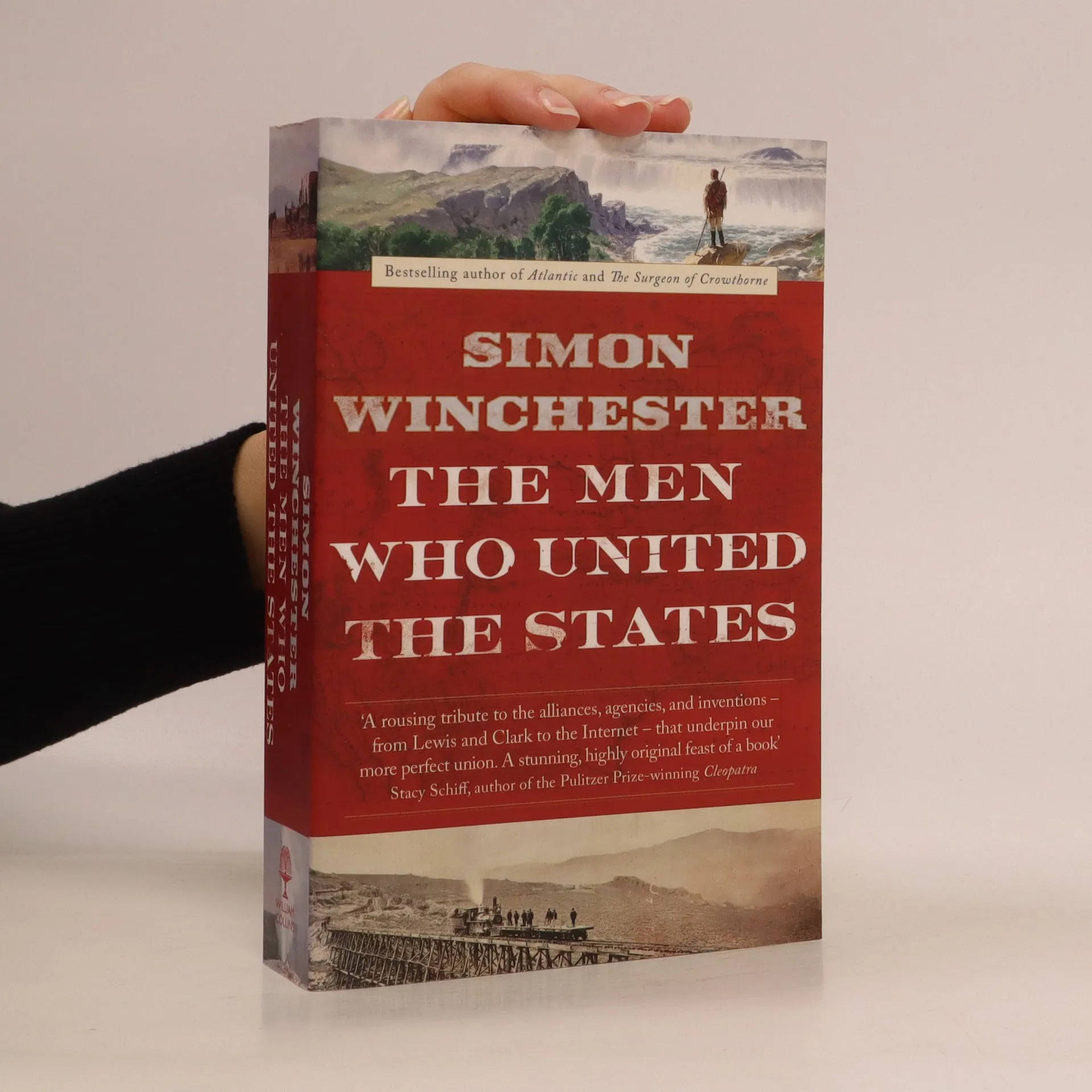
Acclaimed New York Times bestselling author Winchester illuminates the men who toiled fearlessly to discover, connect, and bond the citizenry and geography of the U.S.A. from its beginnings and ponders whether the historic work of uniting the States has succeeded, and to what degree
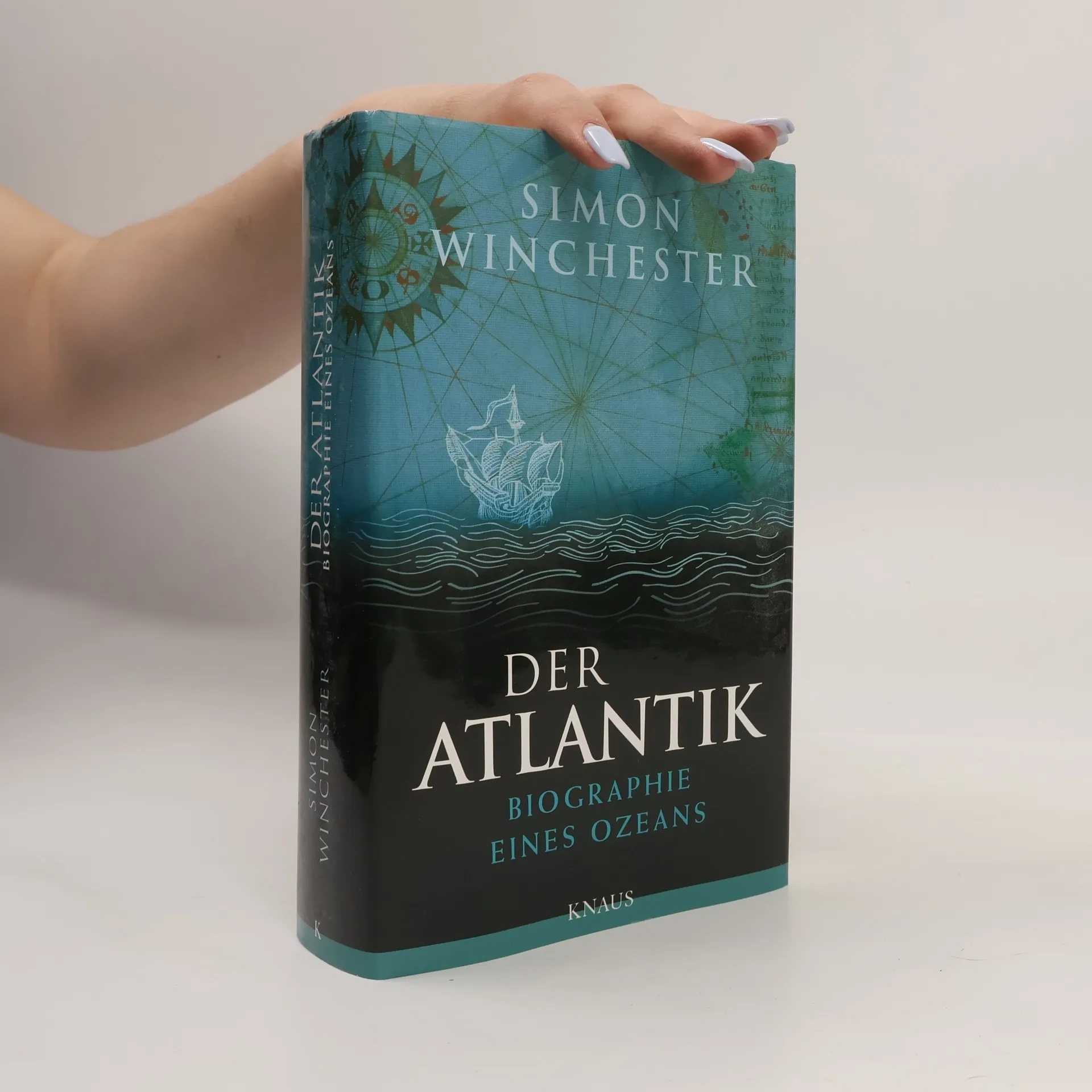
Der Atlantik
- 527 Seiten
- 19 Lesestunden
Faszination Atlantik – die große Erzählung über ein Stück ungezähmte Natur Der Atlantik bedeckt ein Fünftel der Erdoberfläche und zieht die Menschen seit Jahrtausenden in seinen Bann. Er steckt voller verblüffender Geschichten und Anekdoten und ist das eigentliche Zentrum unserer westlichen Kultur. Simon Winchesters große, opulente Kultur- und Naturgeschichte des Atlantiks macht die Faszination für diesen »wildesten aller Ozeane« erlebbar. Seit er als Kind im Ozeandampfer zum ersten Mal den Atlantik überquert hat, fühlt sich Bestsellerautor Simon Winchester von dieser riesigen Wassermasse magisch angezogen. Immer wieder führten ihn seine Reisen kreuz und quer über den Atlantik; er recherchierte Fakten, sammelte Geschichten und Anekdoten. In seinem neuen Buch breitet er diese Schätze vor dem Leser aus. Spannend und kenntnisreich erzählt er, wie der Atlantik vor über 190 Millionen Jahren entstand und wie seit Urzeiten die Menschen sich mit diesem wildesten aller Meere messen. Fast scheint es, als hätten sie in jüngster Zeit den Kampf gewonnen – doch Simon Winchester ermahnt uns zu einem respektvollen Umgang mit diesem nach wie vor unberechenbaren Riesen. Ausstattung: Mit schwarz-weiß Abbildungen und farbigem Bildteil
By the Seat of My Pants
- 236 Seiten
- 9 Lesestunden
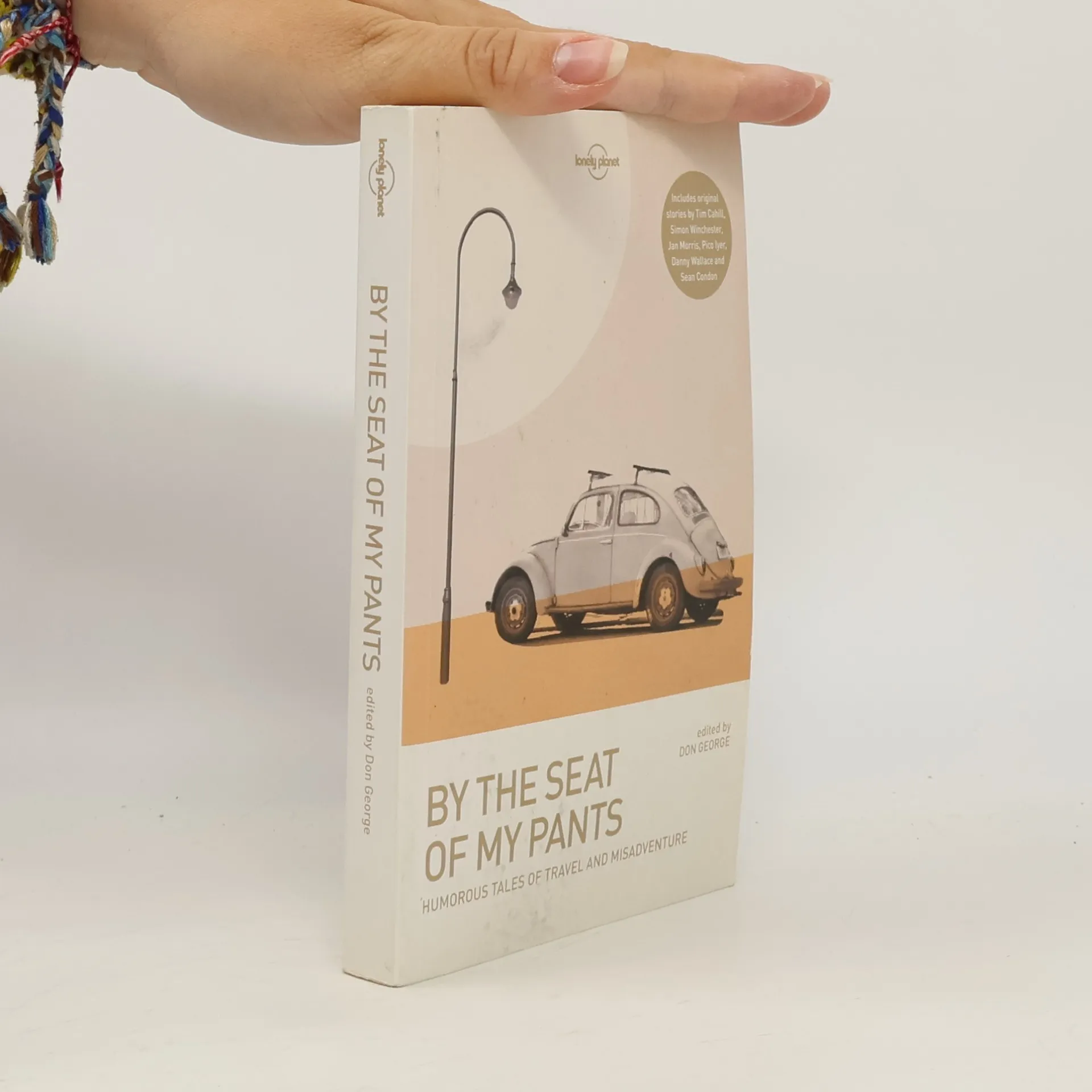
"This collection presents 31 globe-girdling tales that run the gamut from close-encounter safaris to loss-of-face follies, hair-raising rides to culture-leaping brides, eccentric expats to mind-boggling repasts, wrong roads taken to agreements mistaken"--Back cover.
Original Letters From India
- 288 Seiten
- 11 Lesestunden
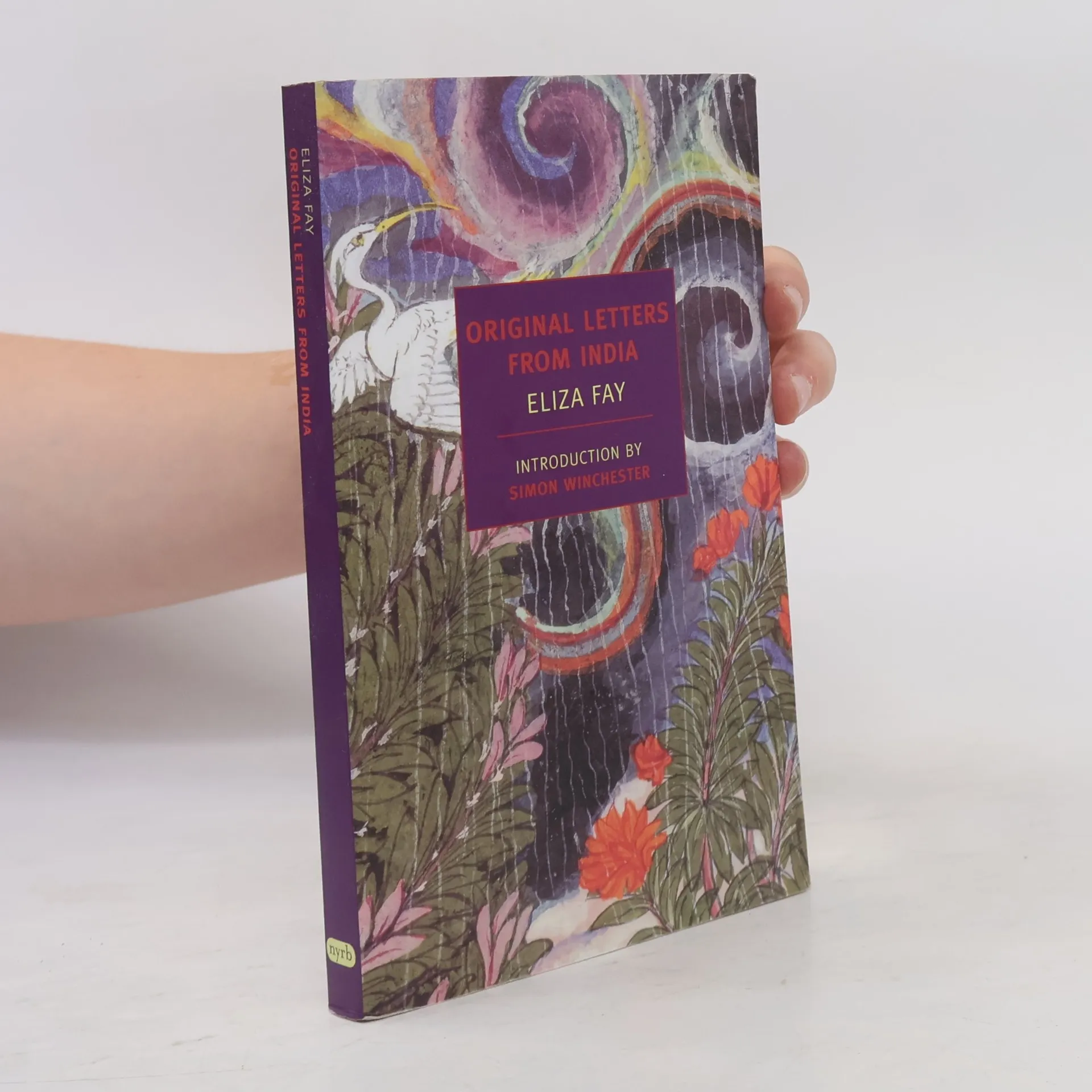
Eliza Fay’s origins are obscure; she was not beautiful, rich, or outlandishly accomplished. Yet the letters she wrote from her 1779 voyage across the globe captivated E. M. Forster, who arranged for their British publication in 1925. The letters have been delighting readers ever since with their truth-is-stranger-than-fiction twists and turns, their earthy humor, and their depiction of an indomitable woman. When the intrepid Mrs. Fay departed from Dover more than two hundred years ago, she embarked on a grueling twelve-month journey through much of Europe, up the Nile, over the deserts of Egypt, and finally across the ocean to India. Along the way her party encountered wars, territorial disputes, brigands, and even imprisonment. Fay was a contemporary of Jane Austen, but her adventures are worthy of a novel by Daniel Defoe. These letters—unfiltered, forthright, and often hilarious—bring the perils and excitements of an earlier age to life.
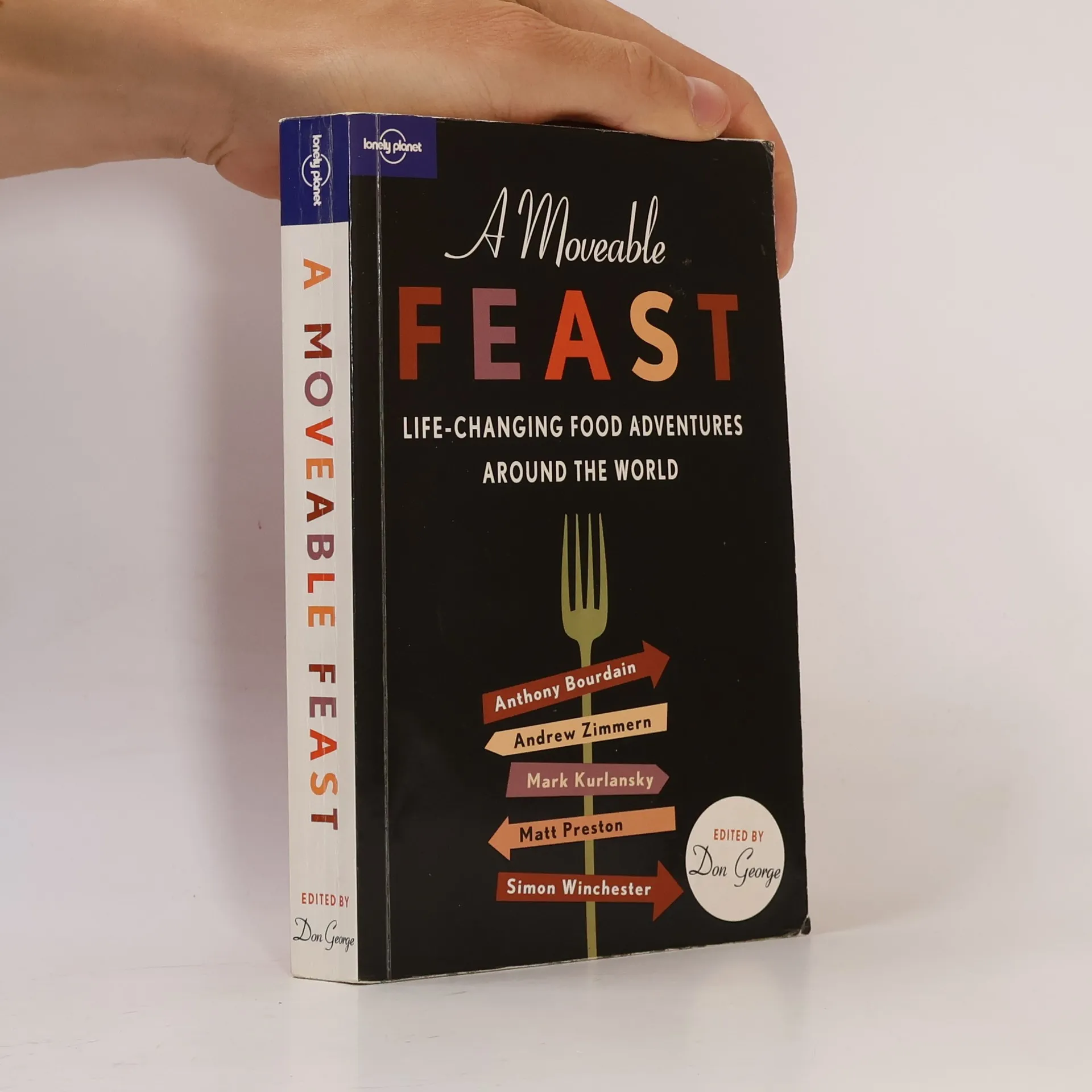
Lonely Planet: A Moveable Feast
Life-Changing Food Adventures Around the World
- 288 Seiten
- 11 Lesestunden
From bat on the island of Fais to chicken on a Russian train to barbecue in the American heartland, from mutton in Mongolia to couscous in Morocco to tacos in Tijuana - on the road, food nourishes us not only physically, but intellectually, emotionally, and spiritually too. It can be a gift that enables a traveler to survive, a doorway into the heart of a tribe, or a thread that weaves an indelible tie; it can be awful or ambrosial - and sometimes both at the same time. Celebrate the riches and revelations of food with this 38-course feast of true tales set around the world.
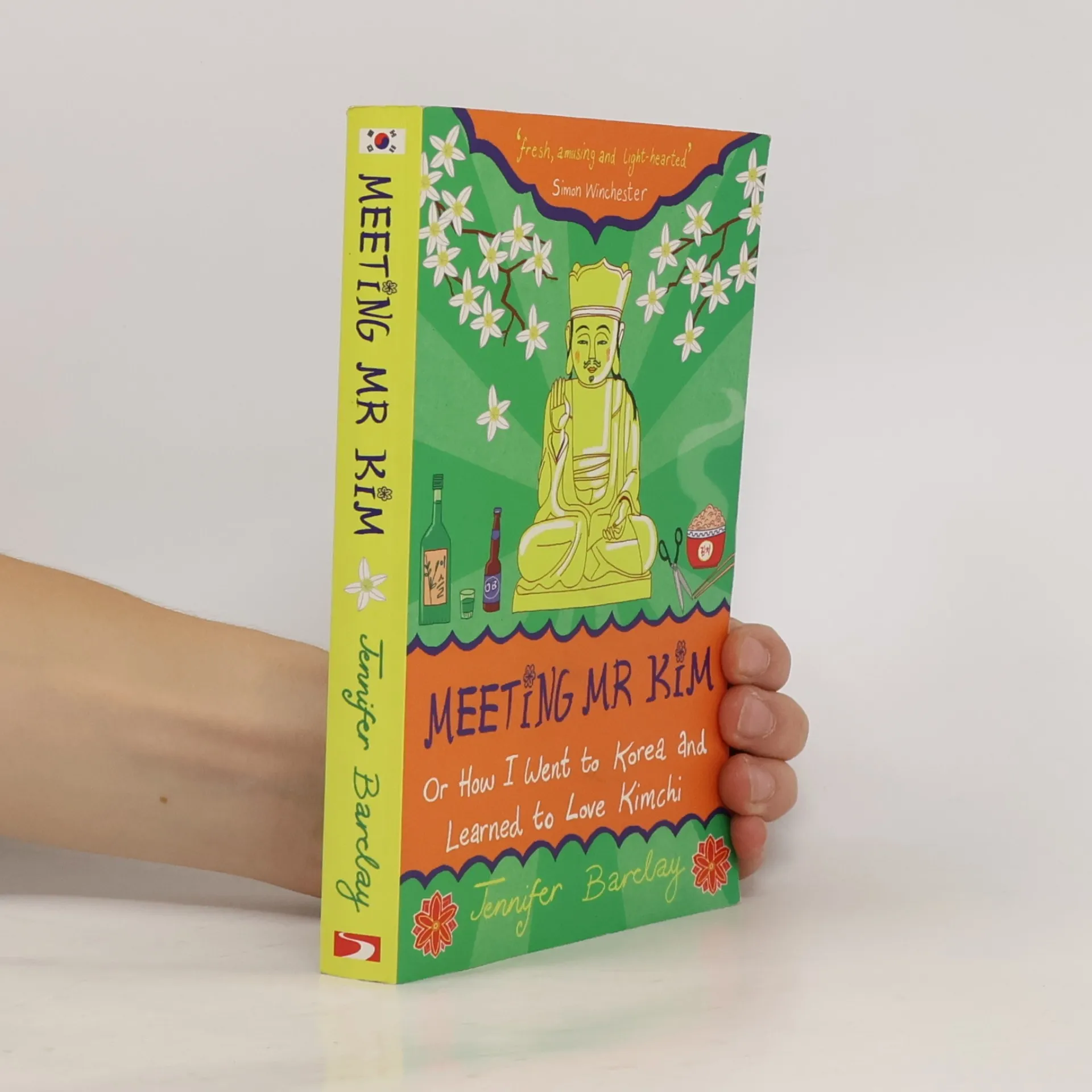
Meeting Mr Kim. How I Went to Korea and Learned to Love Kimchi
- 288 Seiten
- 11 Lesestunden
Jennifer Barclay explores South Korea, uncovering its vibrant spirit filled with passion, tradition, spirituality, humor, and delicious food, amidst the backdrop of a peace summit that signals a new era for the divided nation.
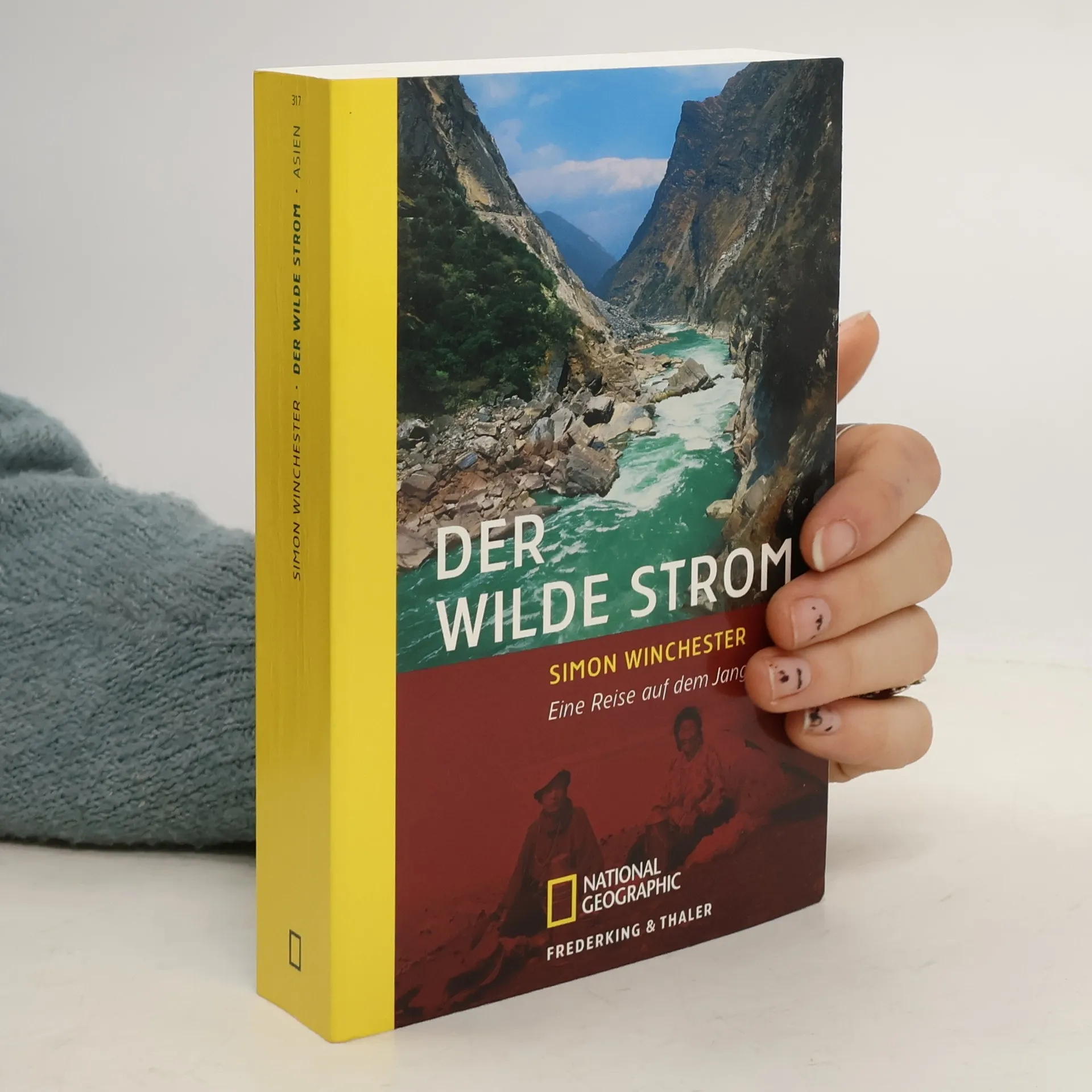
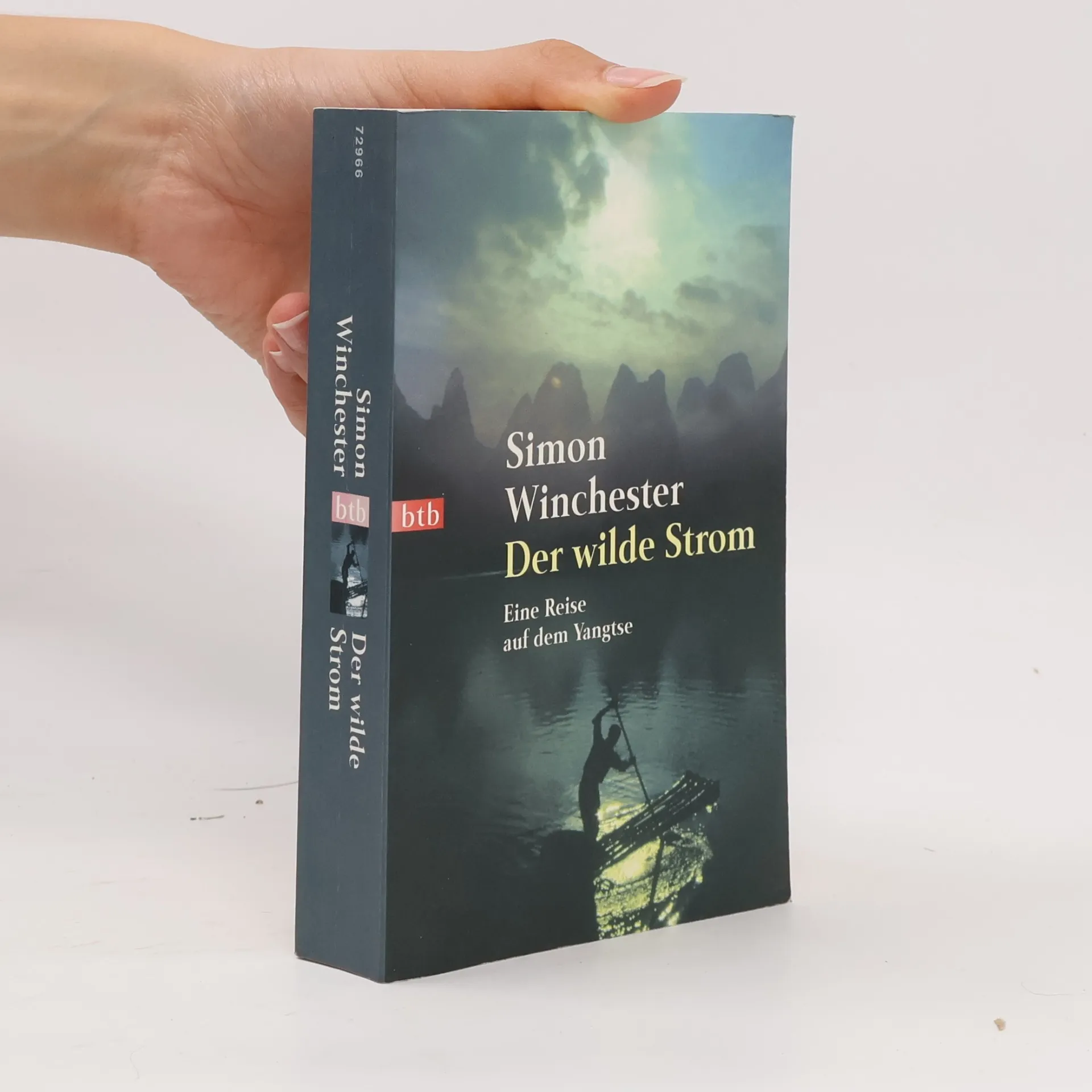
Der wilde Strom. Eine Reise auf dem Jangtse
- 519 Seiten
- 19 Lesestunden
Simon Winchester reist auf dem Yangtse, einem der größten Flüsse der Welt, von Shanghai bis zur tibetischen Quelle. Auf über 5800 Kilometern erkundet er die von diesem Strom geprägten Uferregionen und erzählt faszinierende Geschichten über Chinas Geschichte, Land und Leute – ergreifend, witzig und informativ.
Der Mann, der China liebte
- 380 Seiten
- 14 Lesestunden
Der erste Vermittler zwischen China und dem Rest der Welt Noch zu Beginn des 20. Jahrhunderts blickte der Westen voller Verachtung auf China, galt das Land doch als hoffnungslos rückständig und unterentwickelt. Bis der Engländer Joseph Needham nach ausgedehnten Forschungsreisen ins Reich der Mitte bewies, dass in China schon vor 5000 Jahren eine hochentwickelte Kultur existierte.
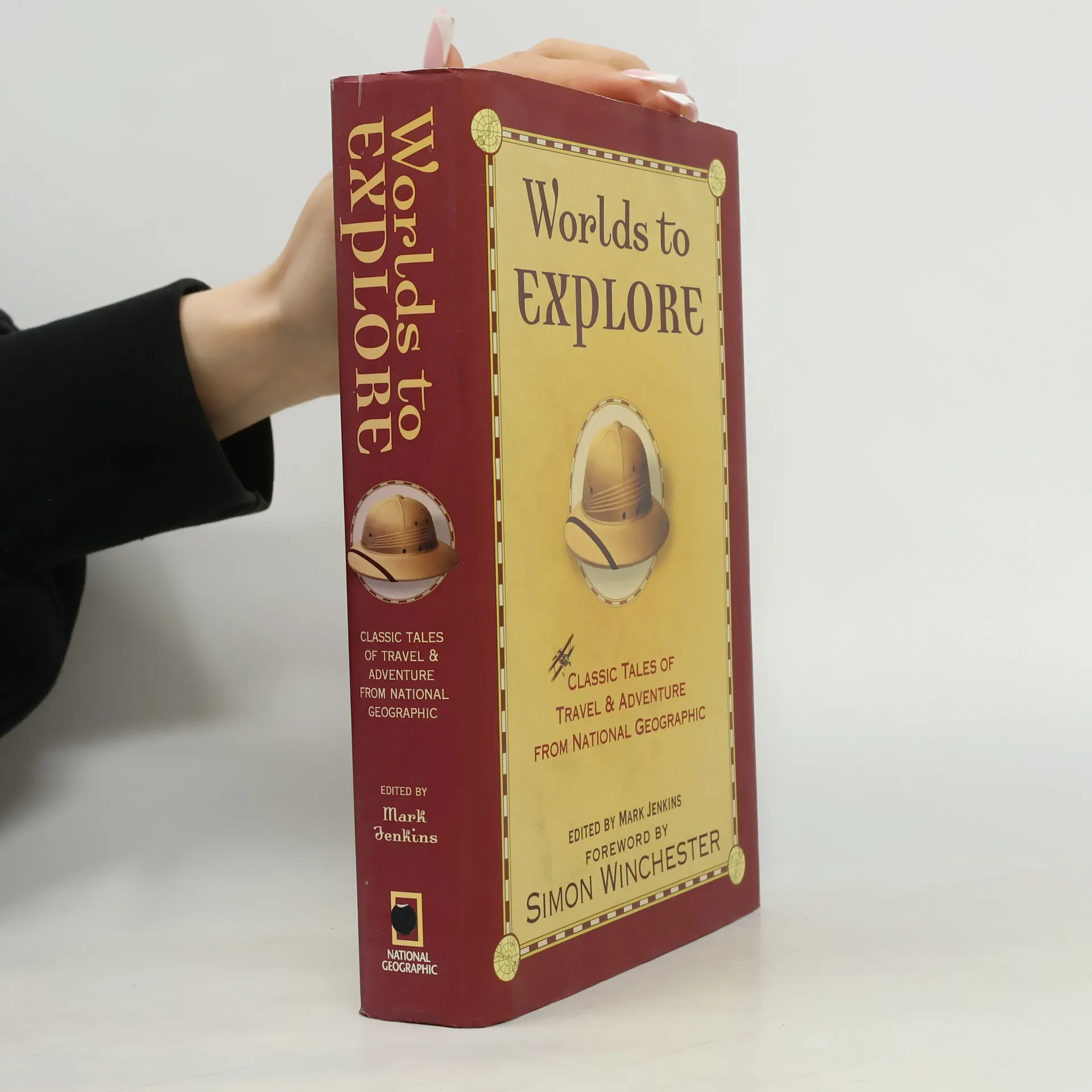
Worlds to Explore
Classic Tales of Travel and Adventure from National Geographic
- 464 Seiten
- 17 Lesestunden
Polar fleece, titanium, and GPS have forever changed the face of exploration. Today an explorer can make a phone call from the top of Mount Everest and geo-locate himself in the thickest rain forest or the widest desert. Yet despite these advances, few modern adventures get close to the charm and romance of "The Desert Road to Turkestan," "Mysterious Temples of the Jungle," and "Airplanes Come to the Isles of Spice." In those bygone days, the pages of National Geographic were as close as most people could get to high adventure and faraway lands—and here's a chance to recapture them. Alongside noteworthy names like Robert Peary, Amelia Earhart, and Teddy Roosevelt, other less famous travelers take us on long-forgotten trips to places few Americans had gone. We follow as "An American Girl Cycles Across Transylvania," trek "A Thousand Miles Along the Great Wall of China," and glide "By Felucca Down the Nile." Introduced by brief essays that provide context and perspective, these engaging, engrossing selections speak for themselves—and trace the National Geographic Society's growth as it explored the unknown and brought it to readers eager for knowledge of "the world and all that is in it."
Das Drama des großen Erdbebens von San Francisco 1906 Am frühen Morgen des 18. April 1906 wurde San Francisco durch ein Erdbeben fast vollständig zerstört. Die Katastrophe hinterließ einen unauslöschlichen Eindruck im Bewusstsein einer ganzen Nation. Der studierte Geologe und preisgekrönte Journalist und Autor Simon Winchester lässt die dramatischen Ereignisse lebendig werden und zeigt die langfristigen wirtschaftlichen und gesellschaftlichen Folgen für Amerika und die Welt auf. Fundiert, spannend und für jeden verständlich erklärt er die geologischen Zusammenhänge und erinnert eindringlich daran, wie fragil das komplexe Gleichgewicht unseres Planeten ist.
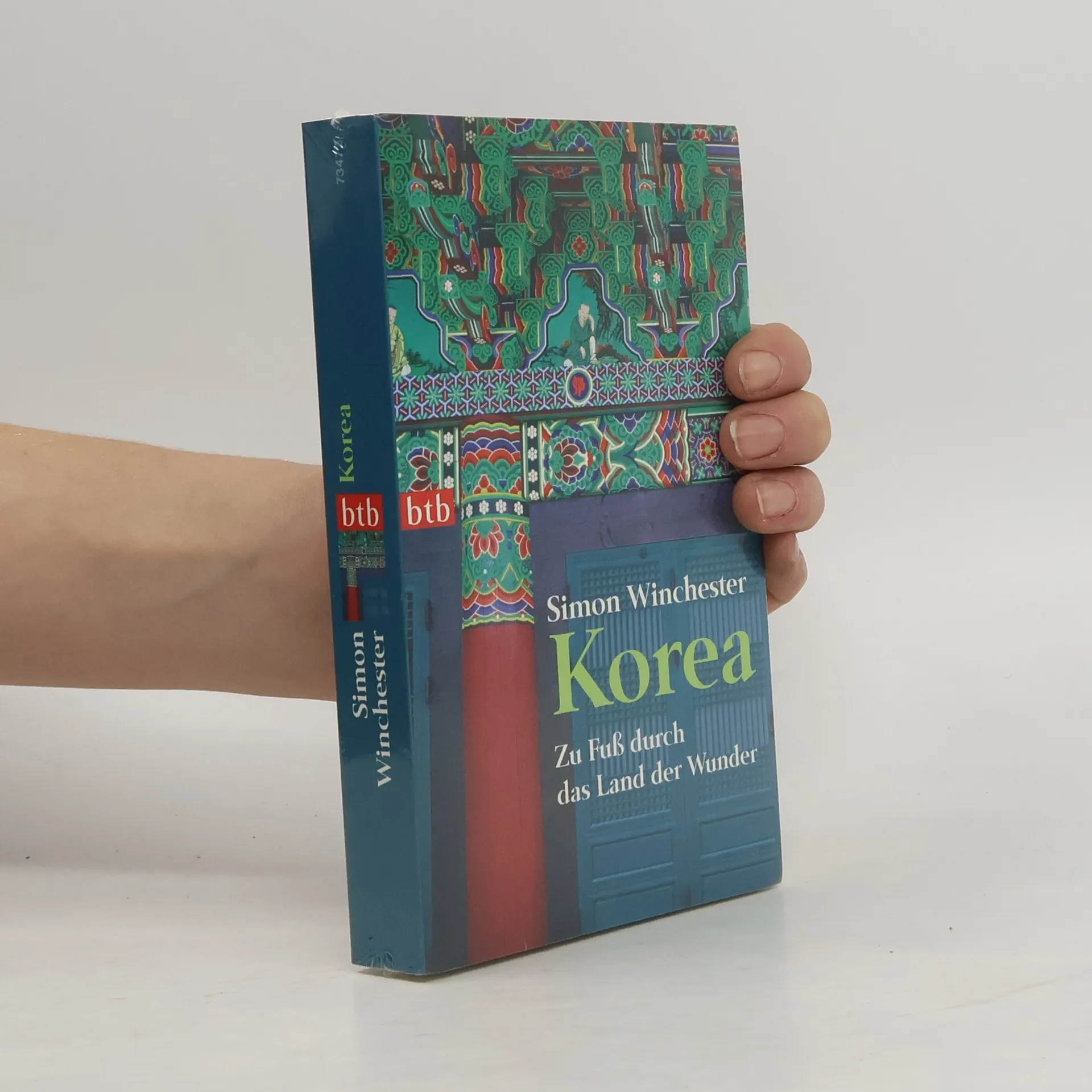
Korea
- 382 Seiten
- 14 Lesestunden
Korea - so faszinierend wie fremd Korea: das Land der Wunder. Für uns Europäer noch immer ein fremdes Land zwischen konfuzianischer Weisheit, rasender Modernisierung und politischer Brisanz. Simon Winchester begibt sich mitten hinein in diese fremde Kultur, er entwirft ein wahres Kaleidoskop der schillernden Bewohner des Landes, seiner Sitten und Bräuche, seiner Geschichte und seiner gesellschaftlichen Probleme und politischen Konflikte. Hinreißend anschaulicher Reisebericht und scharfsinnige Analyse zugleich.
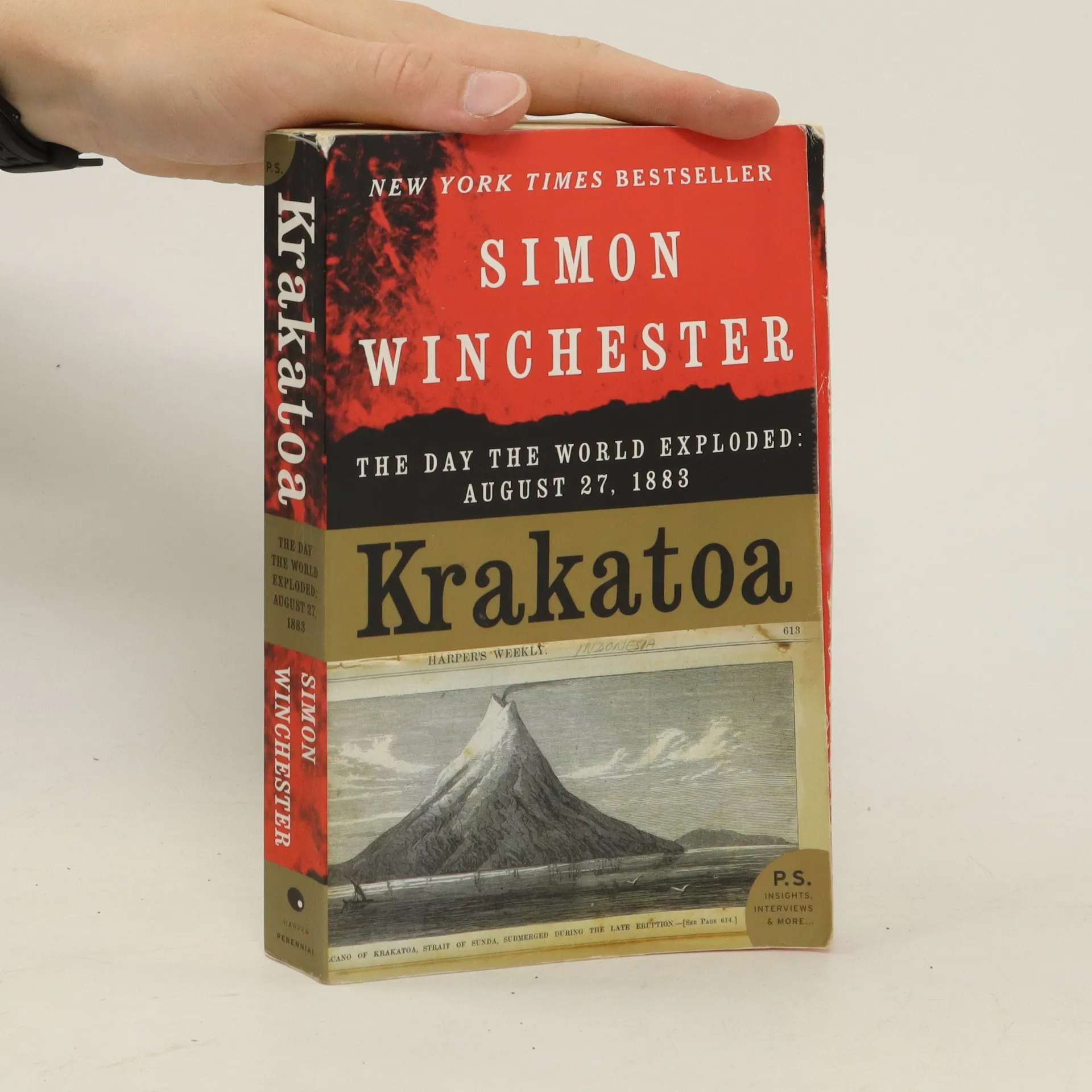
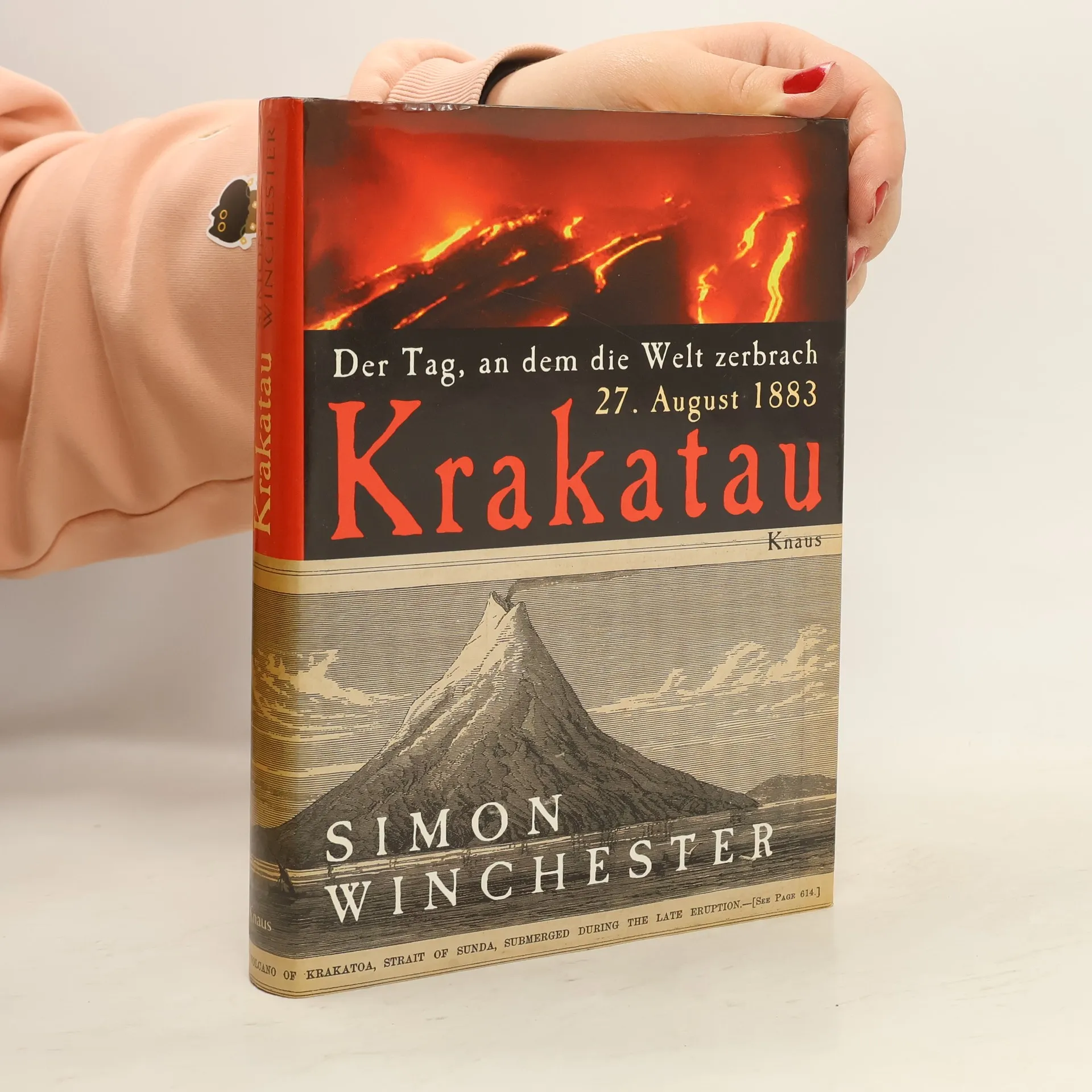
Krakatoa. The day of world exploded. August 27, 1883
- 416 Seiten
- 15 Lesestunden
Simon Winchester, New York Times bestselling author of The Professor and the Madman, examines the legendary annihilation in 1883 of the volcano-island of Krakatoa, which was followed by an immense tsunami that killed nearly forty thousand people. The effects of the immense waves were felt as far away as France. Barometers in Bogotá and Washington, D.C., went haywire. Bodies were washed up in Zanzibar. The sound of the island's destruction was heard in Australia and India and on islands thousands of miles away. Most significant of all -- in view of today's new political climate -- the eruption helped to trigger in Java a wave of murderous anti-Western militancy among fundamentalist Muslims, one of the first outbreaks of Islamic-inspired killings anywhere. Krakatoa gives us an entirely new perspective on this fascinating and iconic event. This P.S. edition features an extra 16 pages of insights into the book, including author interviews, recommended reading, and more.
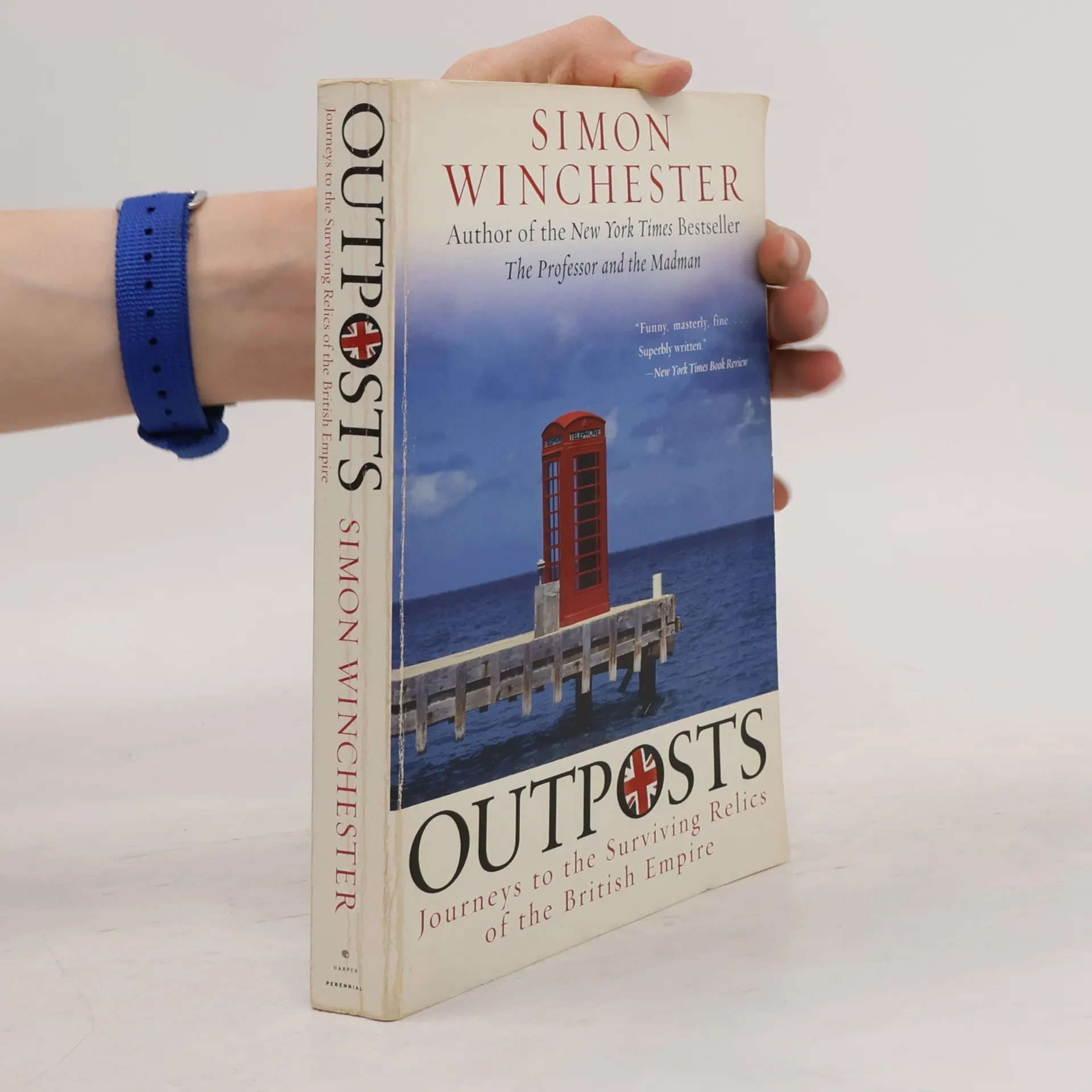
Simon Winchester, struck by a sudden need to discover exactly what was left of the British Empire, set out across the globe to visit the far-flung islands that are all that remain of what once made Britain great. He traveled 100,000 miles back and forth, from Antarctica to the Caribbean, from the Mediterranean to the Far East, to capture a last glint of imperial glory.His adventures in these distant and forgotten ends of the earth make compelling, often funny reading and tell a story most of us had thought was over: a tale of the last outposts in Britain's imperial career and those who keep the flag flying.With a new introduction, this updated edition tells us what has happened to these extraordinary places while the author's been away.
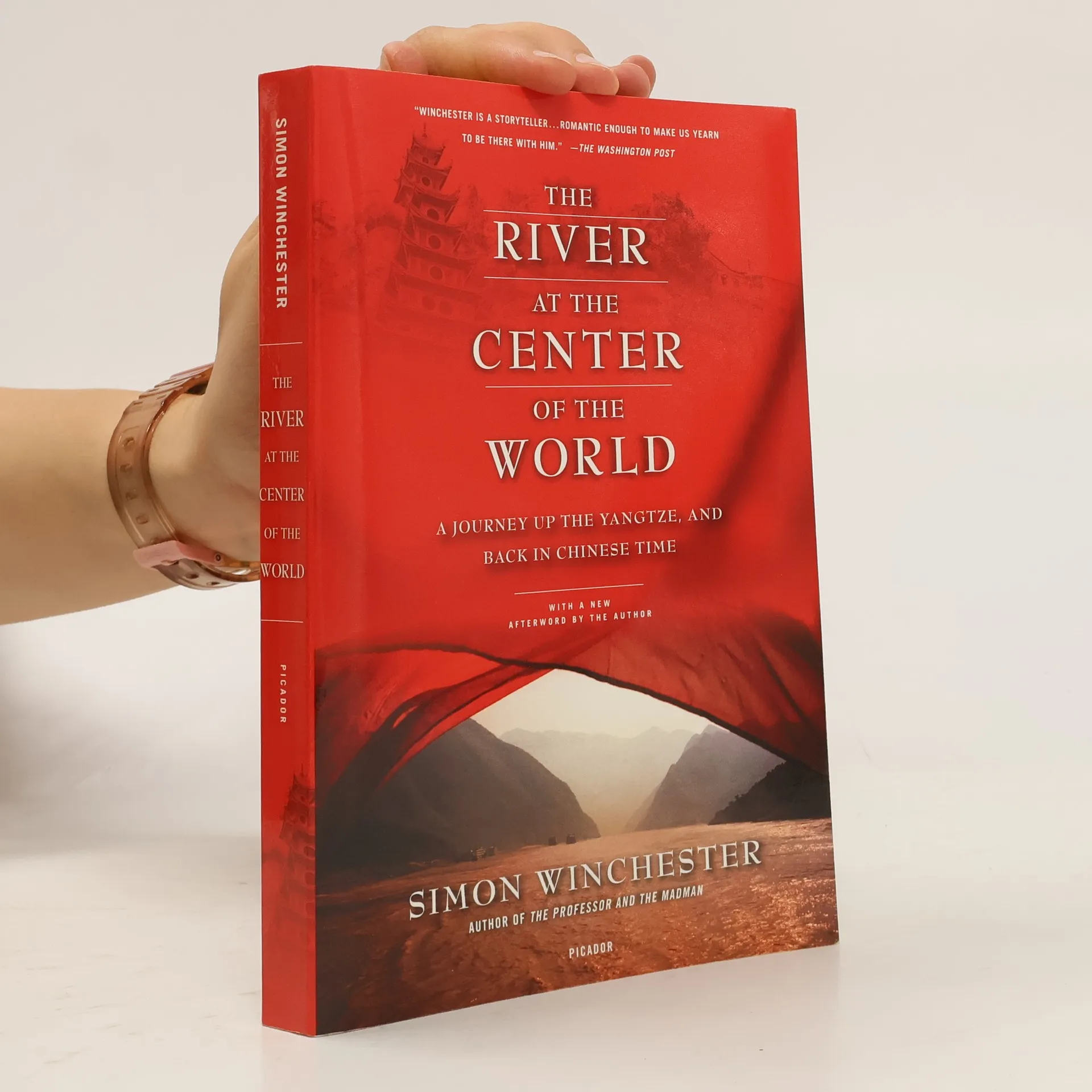
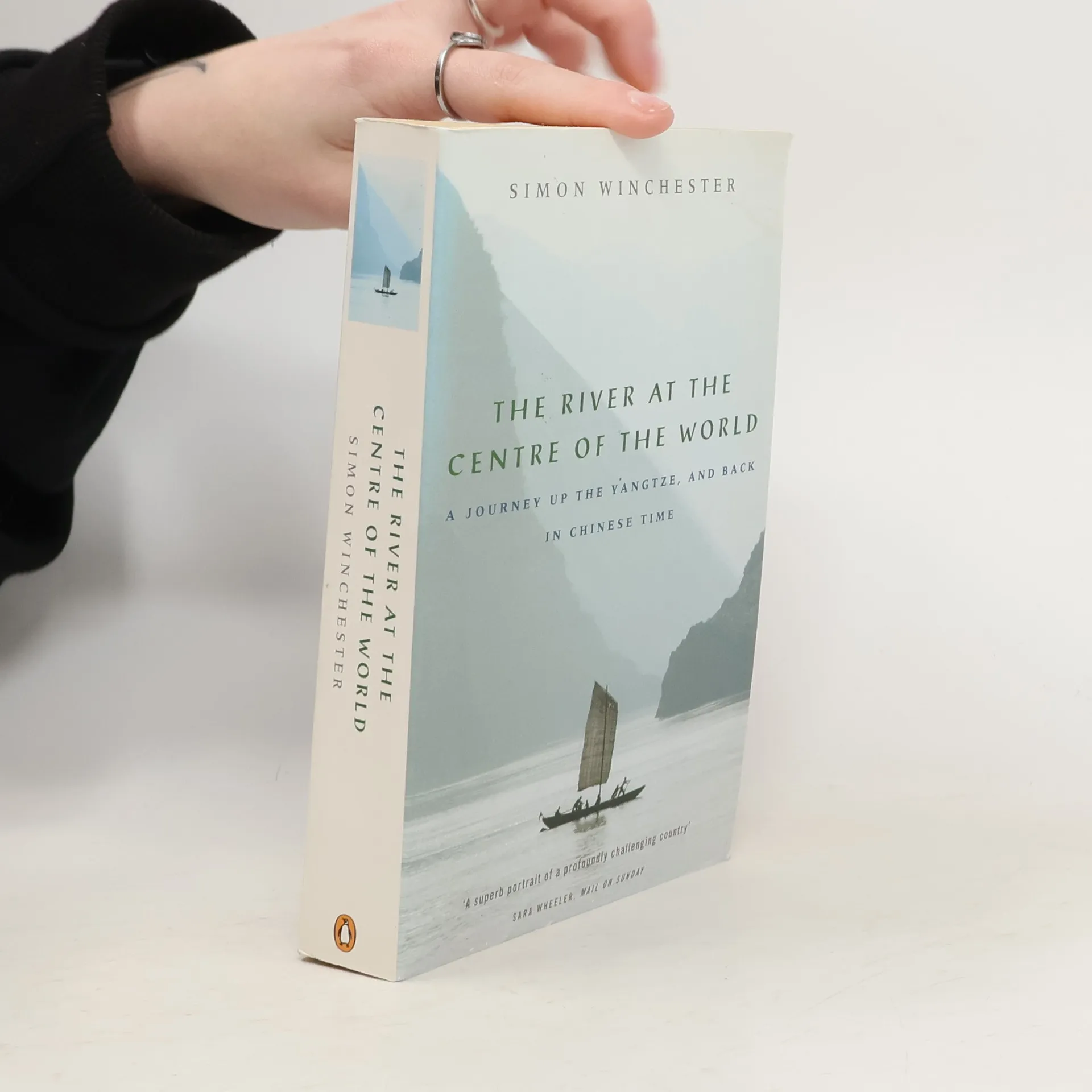
The River at the Center of the World
A Journey Up the Yangtze, and Back in Chinese Time
- 434 Seiten
- 16 Lesestunden
Offering a captivating exploration of China, the book delves into the rich tapestry of its culture, history, and the diverse lives of its people. Recognized as one of the top travel books of 1996 by the New York Times Book Review, it combines insightful observations with vivid storytelling, making it a remarkable guide for anyone interested in understanding the complexities of this vast nation.
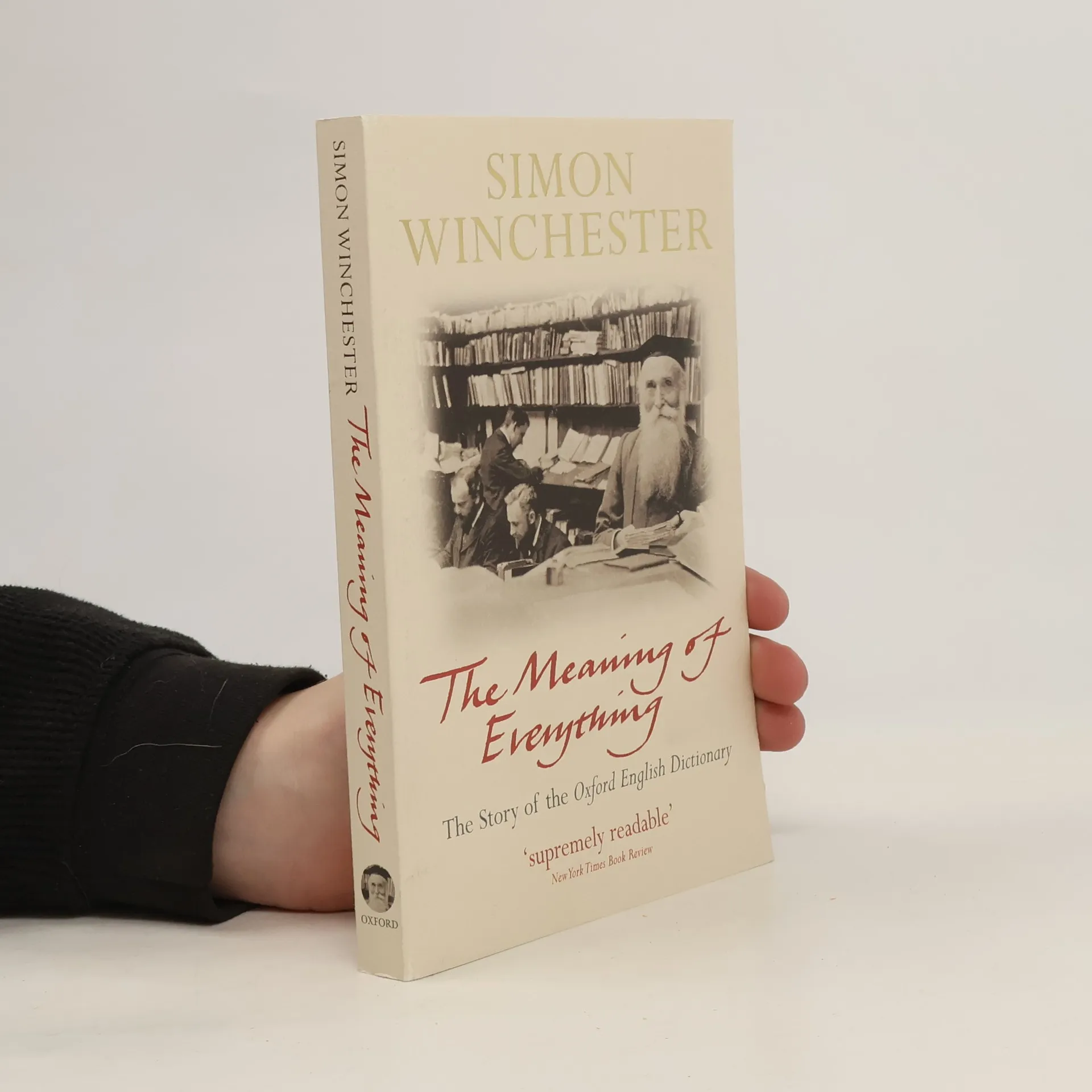
The Meaning of Everything
- 288 Seiten
- 11 Lesestunden
"We visit the ugly corrugated iron structure that Murray grandly dubbed the Scriptorium -- the Scrippy or the Shed, as locals called it -- and meet some of the legion of volunteers, from Fitzedward Hall, a bitter hermit obsessively devoted to the OED, to W.C. Minor, whose story is one of dangerous madness, ineluctable sadness, and ultimate redemption. The Meaning of Everything is a scintillating account of the creation of the greatest monument ever erected to a living language. Simon Winchester's supple, vigorous prose illuminates this dauntingly ambitious project -- a seventy-year odyssey to create the grandfather of all word-books, the world's unrivaled uber-dictionary. Book jacket."--Jacket.
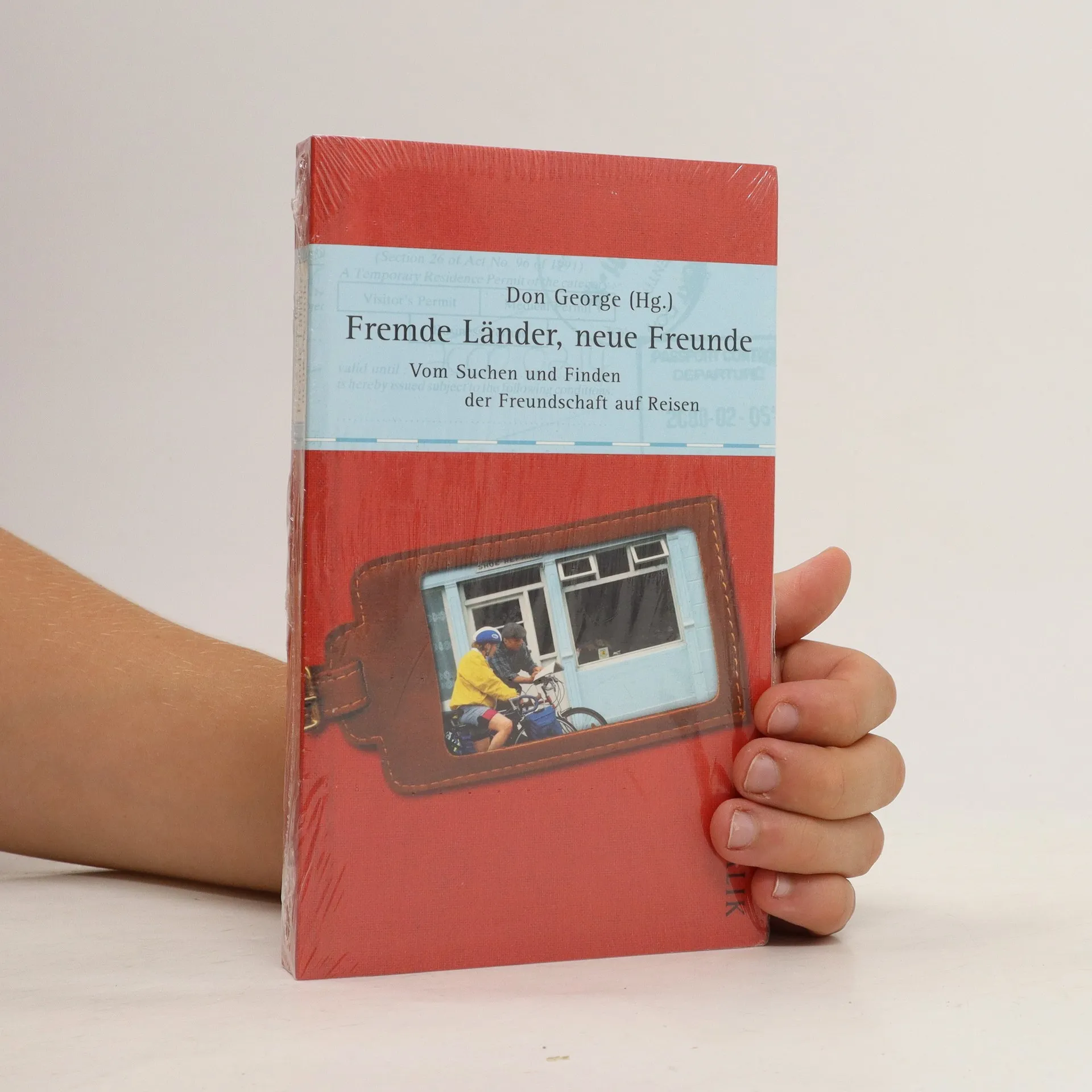
'Du bist irgendwo im Ausland, sprichst die Sprache nicht, hast deinen Geldbeutel verloren oder sogar geklaut bekommen, und du besitzt weder Geld noch Papiere. Kurz bevor du hysterisch wirst, steht auf einmal dieser Fremde vor dir und rettet dich – aus nur einem einzigen Grund: Güte. Er gibt dir den Glauben an das Gute im Menschen zurück. Dieses Buch handelt von solchen unerwarteten Geschenken und wie sie unser Leben verändern.' Isabel Allende Wir alle haben sie schon erlebt: die überwältigende Erfahrung, im Ausland neue Freunde zu finden – ob mit Hilfe einer Landkarte, der richtigen Übersetzung eines Worts oder einer passenden Münze für den Fahrscheinautomaten. Der vorliegende Band versammelt die schönsten Reiseerlebnisse in Originalbeiträgen: von Dave Eggers, Tim Cahill, Simon Winchester und über zwanzig weiteren Schriftstellern von Rang.
Krakatau - seit dem 27. August 1883 ist dieser Name unlöschbar eingeschrieben ins Gedächtnis der Menschheit. An diesem Morgen geriet die Erde in nie erlebter Weise in Bewegung, und die geologische Revolution begann. Das Ergebnis war entsetzlich: über 36.000 Menschen tot, 165 Orte von der Landkarte verschwunden, eine Insel in Millionen Teile zersprengt, vier über das Meer rasende Killerwellen von 40 Metern Höhe. Für die Geologen war Krakatau Ende und Anfang. Das Ende einer sich über 60 Millionen Jahre aufbauenden Entwicklung. Der Anfang eines neuen Bildes vom Planeten Erde. Doch Krakatau war mehr als der dramatischste Vulkanausbruch der Menschheitsgeschichte und der Beginn einer neuen Wissenschaft. Er markiert auch den Beginn der Welt als 'globales Dorf', denn erstmals nahm die Welt durch Nachrichtenagenturen an einer entfernten Katastrophe teil. Erstmals wurde nachgewiesen, dass ein Naturereignis sich auf der ganzen Welt auswirkt. Und erstmals begann man in einem Jahrhundert, in dem der Glaube an technische Machbarkeit einer Religion gleichkam, zu ahnen, dass der Mensch doch nicht alles im Griff hat.
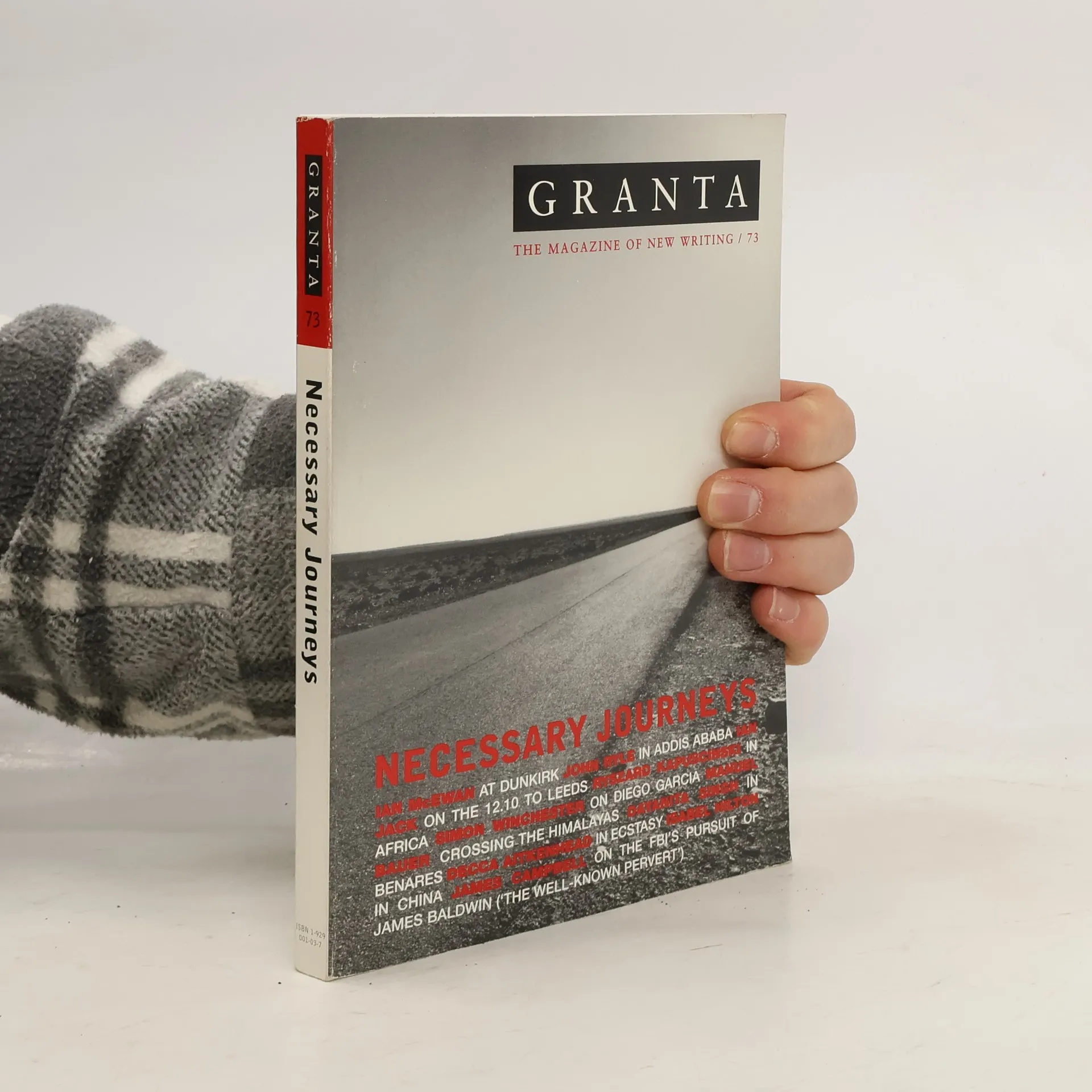
Travel is no longer a luxury and not always an entertainment. Many journeys need to be made‹to get home or away from an enemy, to work, to find a last resting place, or because someone has told you to go. This issue of Granta is about such journeys; you might call it necessary travel writing, with Decca Aitkenhead: looking for cheap sex and drugs; Manuel Bauer: a child¹s escape over the Himalayas; Isabel Hilton: what have they done to Beijing?; Ian Jack: the train crash that stopped Britain; Ryszrd Kapuscinski: in the forests of Cameroon; Ian McEwan: on the retreat to Dunkirk, 1940; John Ryle: the last Emperor makes his last journey; Dayanita Singh: inside a sanctuary for girls in Benares; Simon Winchester: how Britain and the US made a people homeless; plus the untold story of how the FBI pursued James Baldwin at home, revealed by James Campbell. Granta is the paperback magazine of new writing. Every issue features the best new fiction, reportage, memoir and photography, generally collected under a theme.
Eine Karte verändert die Welt
- 332 Seiten
- 12 Lesestunden
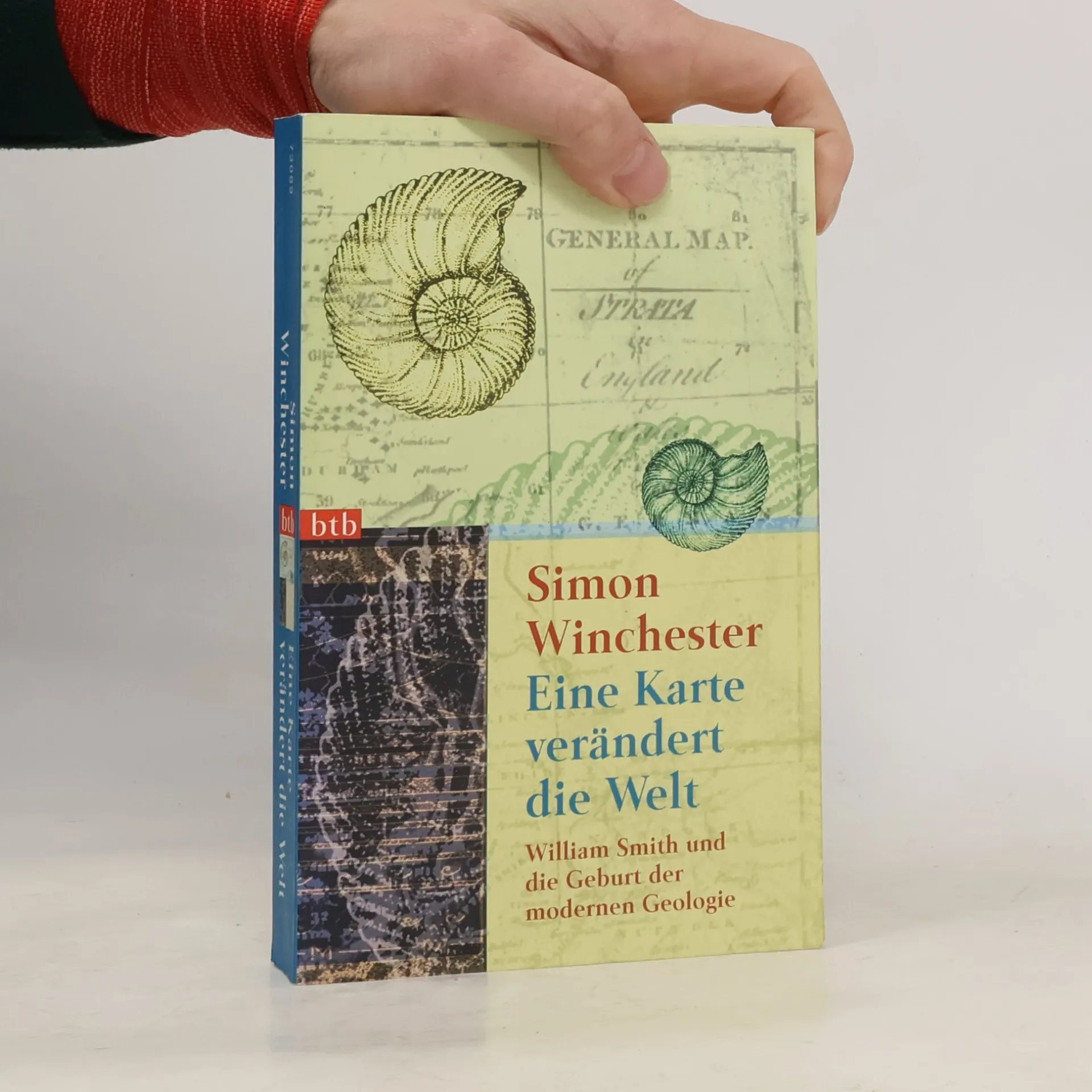
Im Jahre 1793 machte William Smith eine faszinierende Entdeckung: Beim Ausheben von Wassergräben bemerkte er verschiedene Erdschichten und in den einzelnen Schichten Fossilien, die sich in Größe und Aussehen unterschieden. Die unsichtbare Welt unter unseren Füßen ließ den Ingenieur nicht mehr los. Über zwanzig Jahre reiste er quer durch das englische Königreich, vermaß und untersuchte die Böden. Er verlor dabei all sein Hab und Gut, die wissenschaftliche Anerkennung jedoch blieb ihm versagt. Erst 1831 wurde die bahnbrechende Bedeutung von Smiths erster geologischer Karte Englands erkannt. Voller Verve zeichnet Simon Winchester, preisgekrönter Sachbuchautor und Journalist, die dramatische Lebensgeschichte des Gründervaters der modernen Geologie nach.
Der wilde Strom
- 475 Seiten
- 17 Lesestunden
„Eine der wohl ungewöhlichsten Reisen unserer Zeit“ (Der Standard) unternahm der Journalist und Asienkenner Simon Winchester. Er bereiste monatelang einen der gewaltigsten Ströme der Erde, den Yangtse. Er folgte dem Fluss stromaufwärts von Shanghai bis ins Quellgebiet im Hochland von Tibet. Immer wieder unternahm er Abstecher in die Städte und Dörfer, die seit Jahrtausenden von diesem Strom geprägt wurden. Winchester erzählt vom Alltag der Menschen und von ihrer Herzlichkeit, er lässt sich einnehmen von der Schönheit der Landschaft. Aber er verhehlt auch nicht sein Entsetzen über das Ausmaß der Gleichgültig gegenüber Umwelt und Natur, seine Bitterkeit über Bürokratie und Korruption. Dem preisgekrönten Journalisten und Autor gelingt damit ein ebenso ergreifendes wie exakt recherchiertes Geschichts- und Geschichtenbuch.
Il fiume al centro del mondo
- 448 Seiten
- 16 Lesestunden
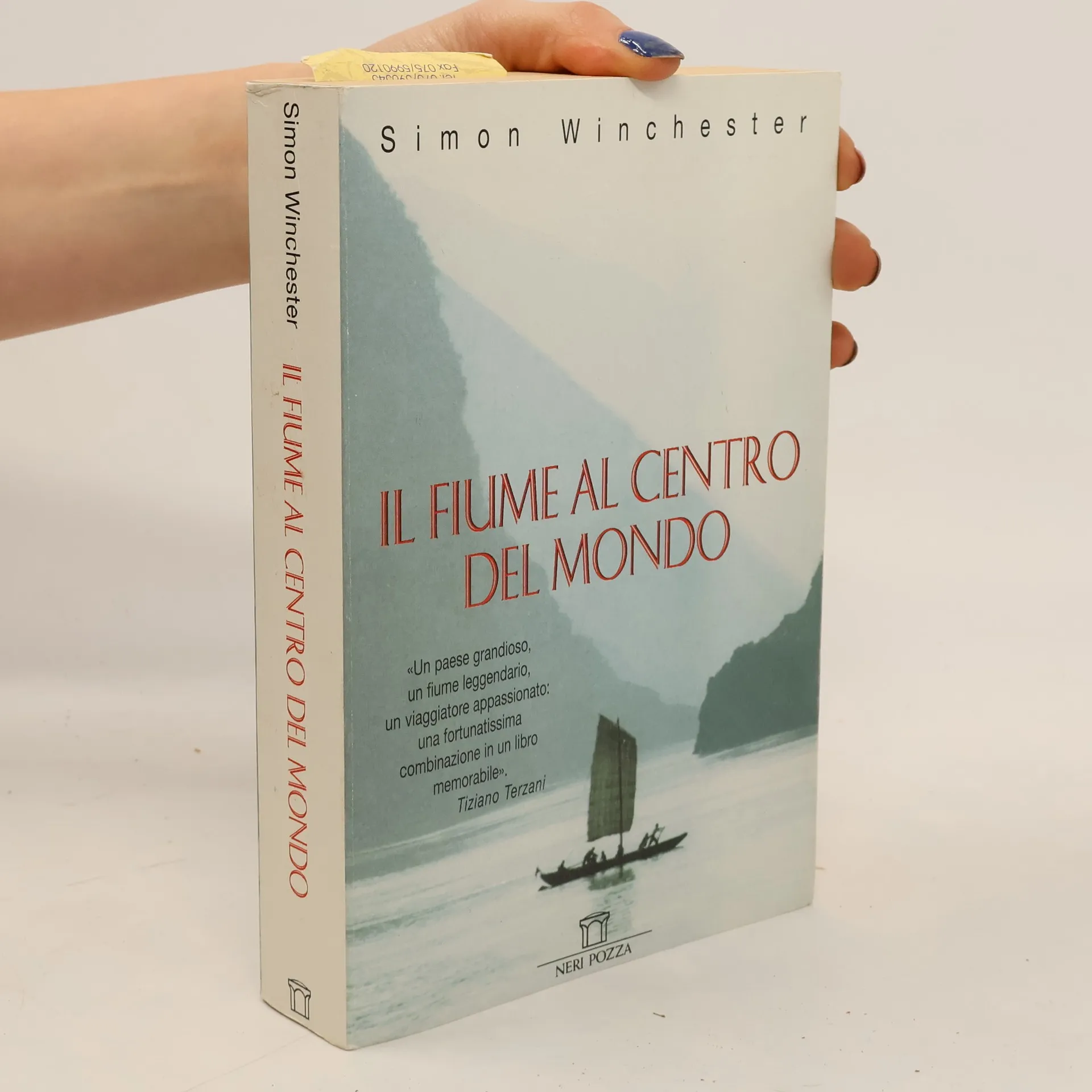
Vi sono fiumi che racchiudono simbolicamente la storia del paese che attraversano: uno di questi è certamente lo Yangtze, che scorre per tutta la sua lunghezza in territorio cinese. Di volta in volta reportage, cronaca di costume, narrazione storica e racconto d'avventura, il libro ripercorre a ritroso la millenaria storia cinese risalendo la corrente dello Yangtze. Accanto a ritratti d'ambiente e racconti d'epica quotidiana s'incontrano personaggi tragici o buffi, ma sempre "veri", e luoghi di "culto" come il guado di Jiaopingdu, una delle tappe fondamentali della Lunga Marcia di Mao.
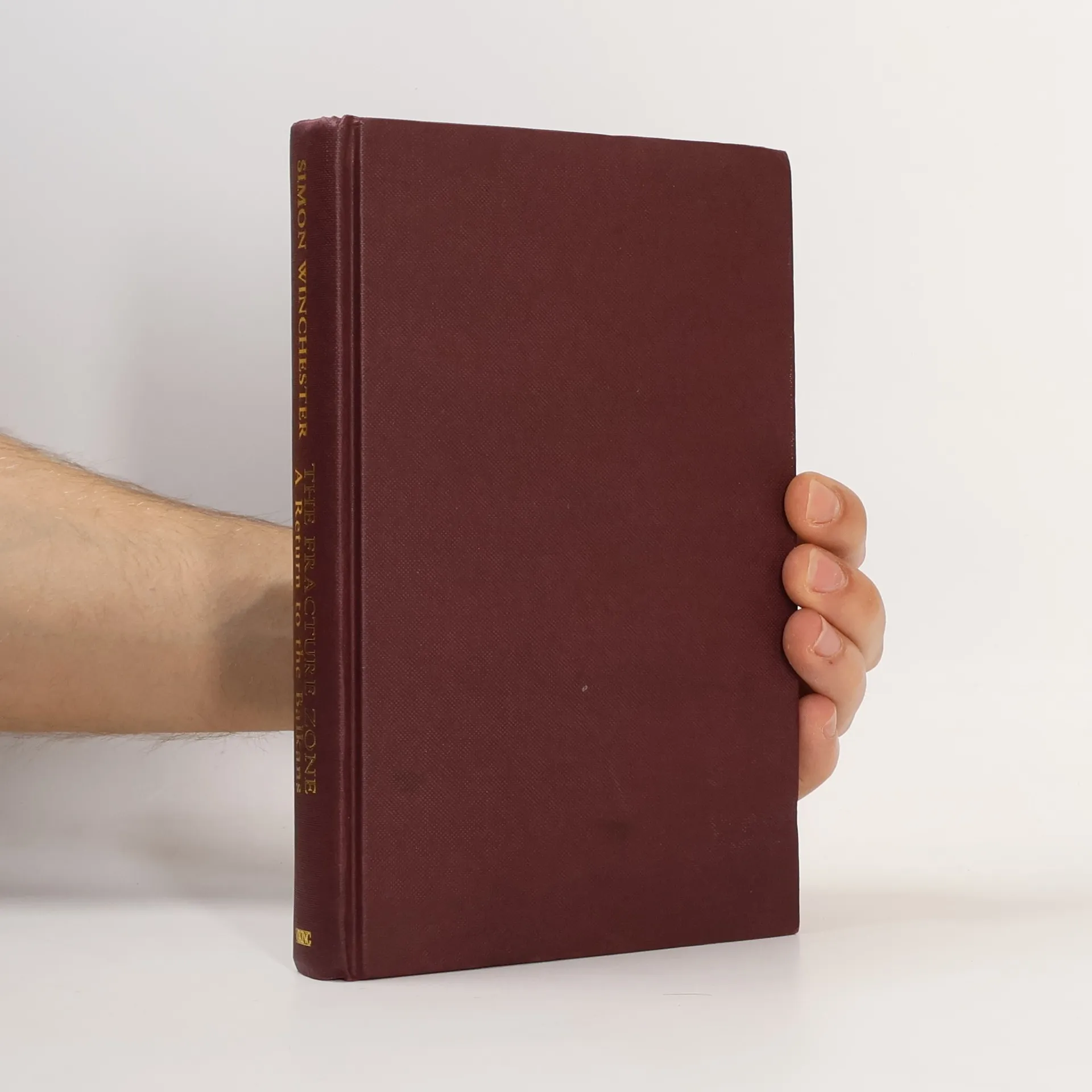
A True Portrait of One of the World's Most Chaotic and Beautiful Regions That Explains Why Violence Has Always Occurred There--And Why It May Continue For Years To Come The vast and mountainous area that makes up the Balkans is rife with discord, both cultural and topographical. And, as Simon Winchester superbly demonstrates in this intimate portrait of the region, much of the political strife of the past century can be traced to its inherent contrasts. With the aid of a guide and linguist, Winchester traveled deep into the region's most troublesome areas--including Slovenia, Croatia, Bosnia, Montenegro, Albania, Kosovo, and Turkey--just as the war was tearing these countries apart. The result is a book not just about war but also about how war affects the living. Both timeless and current, The Fracture Zone goes behind the headlines to offer a true picture of a region that has always been on the brink. Winchester's remarkable journey puts all the elements together--the faults, the fractures, and the chaos--to make sense out of a seemingly senseless place.
The River at the Centre of the World. A Journey Up the Yangtze, and Back in Chinese Time
- 448 Seiten
- 16 Lesestunden
The author embarks on a journey from the mouth to the source of the Yangtze River, exploring its cities and people. This narrative reflects the author's quest to understand the essence of China, with the Yangtze representing its soul and center.
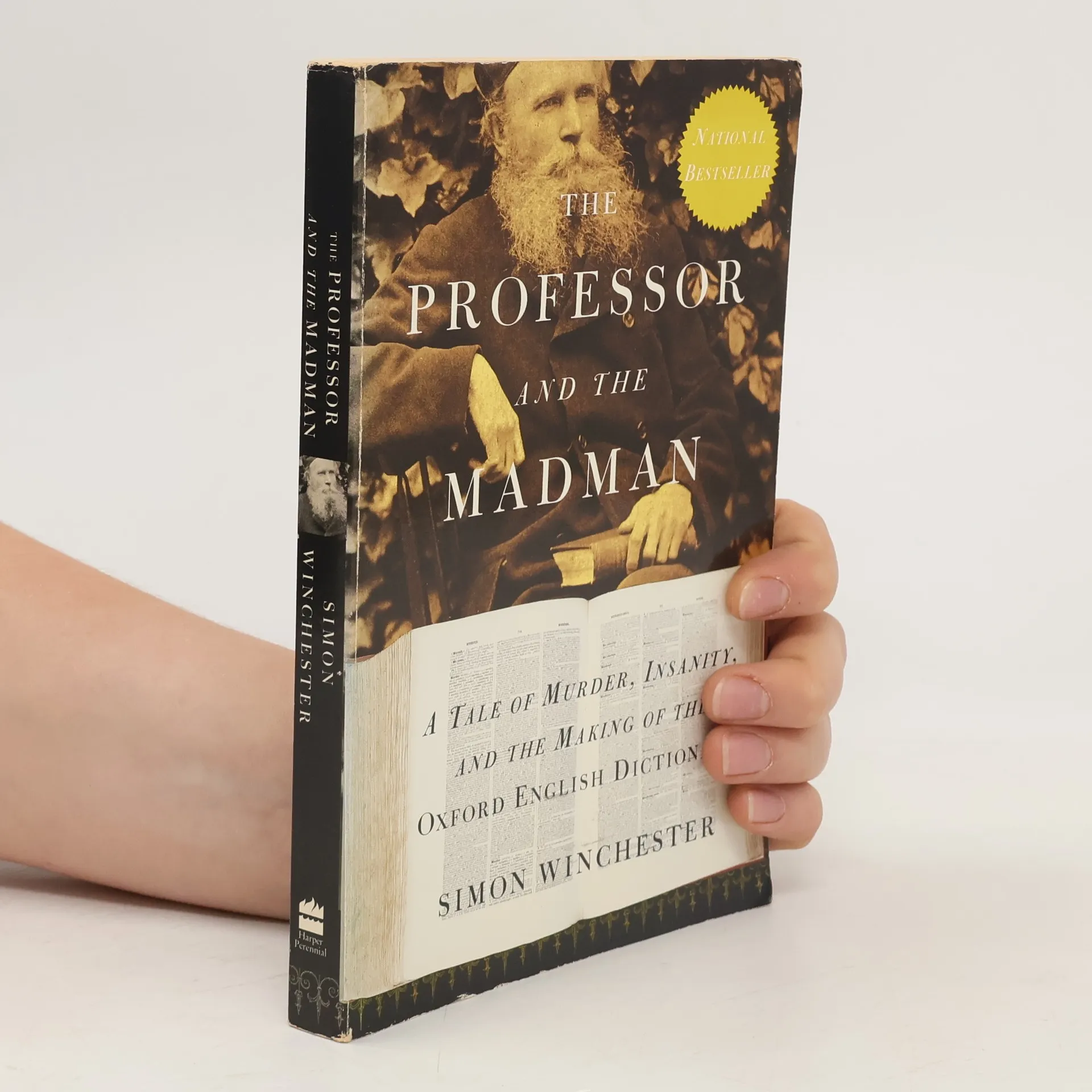
The Professor and the Madman
A Tale of Murder, Insanity, and the Making of The Oxford English Dictionary
- 220 Seiten
- 8 Lesestunden
Describes how more than ten thousand definitions were submitted for the first Oxford English Dictionary from Dr. W. C. Minor, an American Civil War criminal whose life of genius and insanity make this true story both fascinating and unique. BOMC.
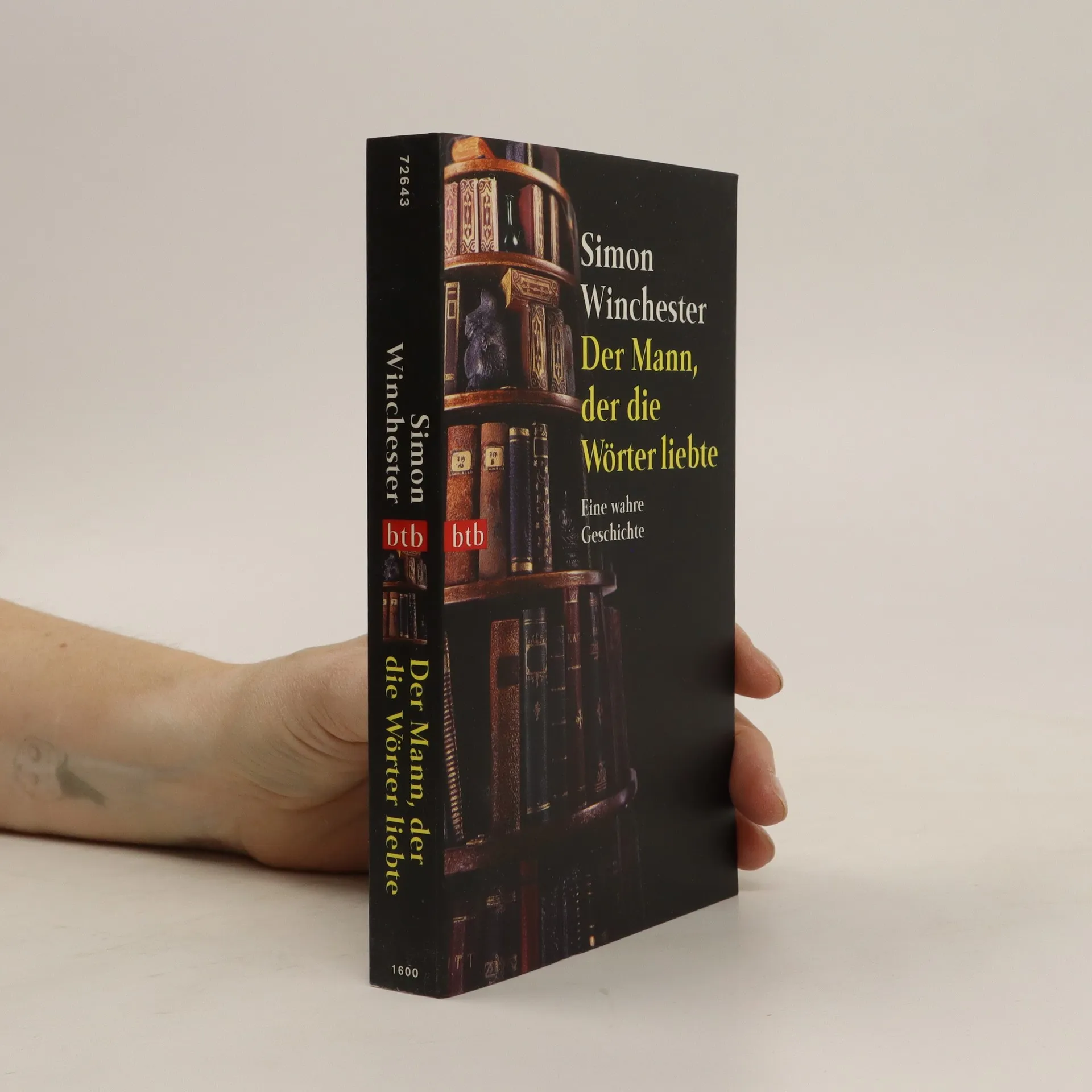
Der Mann, der die Wörter liebte
- 283 Seiten
- 10 Lesestunden
Simon Winchesters erstes Buch in bibliophiler Ausstattung Simon Winchester erzählt die wahre Geschichte der außergewöhnlichen Freundschaft zwischen Professor Murray, dem Herausgeber des legendären Oxford English Dictionary, und einem sprachverliebten Mörder, der zum wichtigsten Mitarbeiter an diesem Projekt wird. Ein packender Roman über Genie, Wahnsinn und die Liebe zu den Wörtern.